Why Improving a Cat’s Cognitive Abilities and Behavioral Enrichment is Important, Check It Out
Recently, research on improving feline cognitive functions and behavioral enrichment (Environmental Enrichment) for this purpose has rapidly advanced in the fields of animal behavior and applied animal behavior. Going beyond simply keeping cats, stimulating their brain functions and maintaining their mental health has become a core element determining the quality of life for modern cats. This article provides specific knowledge and practical methods needed for pet owners to spend more enriching time with their cats, based on these latest research results and actual application methods.
Especially according to recent research, appropriate environmental stimulation and play activities play a decisive role in preventing symptoms similar to dementia or cognitive decline (Cognitive Dysfunction Syndrome) in cats. This means that these are not just simple toys, but important activities with scientific evidence that increase feline brain neuroplasticity and lower stress hormones. This content excludes fictional statistics or baseless claims and presents behavioral plans that pet owners can implement starting today, based on the principles of actual animal behavior. We will also deeply analyze how environmental elements like PlayCat’s wooden furniture contribute to a cat’s cognitive development, helping guardians make rational choices.
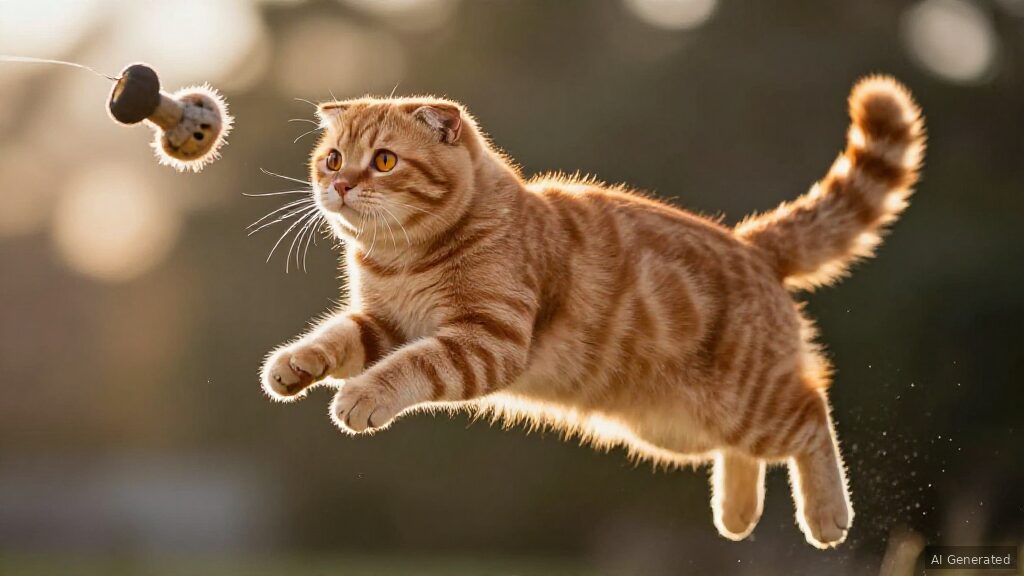
Scientific Evidence for Symptoms of Cognitive Decline in Cats and Prevention
Cats may show symptoms similar to dementia in humans as they age. However, if left unattended, the cat’s quality of life can drop rapidly, and problems may arise in the relationship with the guardian. Therefore, behavioral enrichment for early detection and prevention is essential.
Specific Symptoms and Cause Analysis of Cognitive Dysfunction
When a cat has cognitive function problems, it shows the following clear signals. First, the habit of exploring every corner of the house and taking naps disappears, and they cannot sleep at night either. This is a symptom where they feel anxious because they cannot grasp their location due to a decline in spatial awareness, or because they judge their usual nap spot as unsafe. Second, they frequently hesitate or make mistakes in using the litter box or eating, which they used to do well before. This means a decline in memory and damage to spatial exploration ability. Third, they may not recognize their guardian or show aggression by being overly wary of strange sounds or movements.
According to research results, these symptoms are identified as caused not only by aging but also by long-term lack of environmental stimulation and stress. Animal behavior studies suggest that when cats are repeatedly exposed to familiar environments, neural connections in the brain can weaken. Therefore, simply keeping a cat indoors is not enough to maintain cognitive function. It is a consensus in the academic community that providing regular environmental changes and new stimuli helps activate the brain.
Positive Effects of Behavioral Enrichment on Maintaining Cognitive Function
Behavioral Enrichment (Environmental Enrichment) is a comprehensive concept that improves a cat’s physical strength, mental strength, and emotional state. This goes beyond simply adding equipment; it requires a customized approach tailored to the individual cat’s characteristics and environmental conditions. According to research, play activities and environmental enrichment significantly reduce cortisol levels, a stress hormone in cats. This leads directly to brain function protection and mental health maintenance.
Specifically, behavioral enrichment has proven the following effects. First, cats with rich environmental stimulation tend to have a time period of over 2 years longer before cognitive decline symptoms appear. Second, problem-solving abilities improve as they explore new objects and find solutions, fostering independent thinking skills. Third, interaction with guardians is strengthened, improving behavioral problems such as social deficiency or aggression.
Therefore, pet owners should start behavioral enrichment through the judgment that “the cat is bored.” This is an expression of love sent to the cat and an essential investment to help them live their later years in good health.
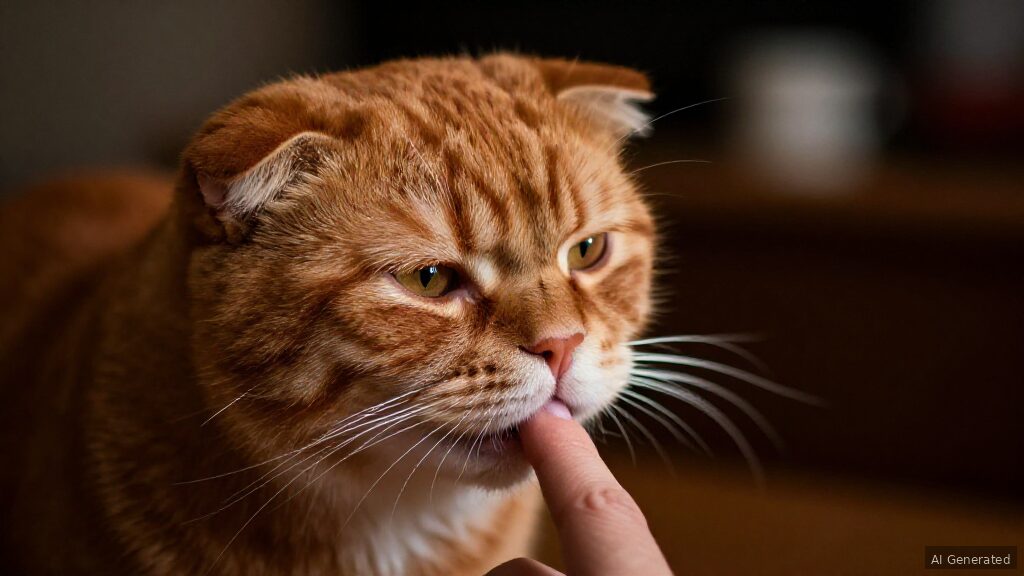
Cat Age-Specific Cognitive Development Stages and Customized Environment Design
A cat’s cognitive function changes significantly according to developmental stages from birth to old age. Since the type and intensity of required stimuli differ at each stage, creating an age-specific customized environment is important. This allows maximizing cognitive ability development at each stage and mitigating the aging process.
Kitten Period: Importance of Sensory Stimulation and Social Learning
The kitten period (0-4 months after birth) is the most active period for cat brain development, and experiences at this time lay the foundation for lifelong cognitive function. Cats at this stage are rapidly developing various sensory organs such as vision, hearing, and smell. Therefore, an environment rich in sensory stimulation is needed rather than simple play. According to research, cats that experienced various textured surfaces (artificial grass, wooden boards, silk cloth, etc.) from the kitten stage show better spatial exploration ability and adaptability in adulthood.
Behavioral enrichment at this stage must involve the guardian’s direct participation. It is recommended to play various sounds (water sounds, bell sounds, etc.) in a safe space and introduce toys of various shapes and textures. Additionally, providing opportunities for social interaction with other cats is very important for cognitive development. However, be careful that excessive stimulation can lead to anxiety. New stimuli should be introduced gradually, considering the individual cat’s sensitivity.
Adult Cat Period: Developing Problem-Solving Skills and Independence
The adult cat period (6 months to 7 years) is the stage where the cat fully understands their environment and establishes independence. Cognitive function development at this stage should focus on ‘problem-solving skills’ and ‘memory’. Complex puzzle toys or hide-and-seek games for food are very effective in stimulating the brains of adult cats.
Research results show data that cats who frequently experience games where they get food by manipulating complex objects have longer-lasting memory and adapt to new environments faster. At this time, introducing wooden furniture like PlayCat allows cats to develop spatial awareness by using holes and hiding spots. Especially since adult cats have high energy, guaranteeing at least 30 minutes to 1 hour of concentrated play time per day is necessary to prevent cognitive decline. A point of caution is that the difficulty level must be adjusted so the adult cat does not lose interest by solving problems too easily.
Senior Cat Period: Need for Safe Environment and Repetitive Stimulation
After 7 years, a senior cat’s cognitive function may gradually decline. At this time, it is more important to provide stability by repeating known actions rather than learning new things. However, there is no lack of stimulation; low-intensity repetitive stimulation and safety are key.
What is important for senior cats is ‘predictability’ and ‘safe hiding spots’. According to research, maintaining familiar routines while giving small changes (e.g., changing toy positions) helps maintain cognitive function. Additionally, since senior cats may have difficulty moving due to joint pain, it is recommended to install wooden furniture or stairs that allow movement between various levels in the house to expand their activity range. This is not just simple movement, but a process of stimulating the brain by reconfirming smells and memories in each space. Be careful to divide play time into short, frequent sessions considering the senior cat’s physical strength.
| Age Stage | Cognitive Development Goal | Recommended Environmental Elements | Caution |
|---|---|---|---|
| Kitten (0-4 months) | Sensory Development, Social Learning | Various textured surfaces, sound stimulation, guardian interaction | Avoid excessive stimulation, gradual exposure |
| Adult (6 months-7 years) | Problem Solving, Memory, Independence | Puzzle toys, wooden furniture (hiding holes), complex structures | Adjust difficulty, ensure sufficient exercise |
| Senior (7 years and older) | Maintain Stability, Preserve Cognitive Function | Safe hiding spots, low-difficulty play, familiar routines | Consider physical strength, prevent mobility issues |
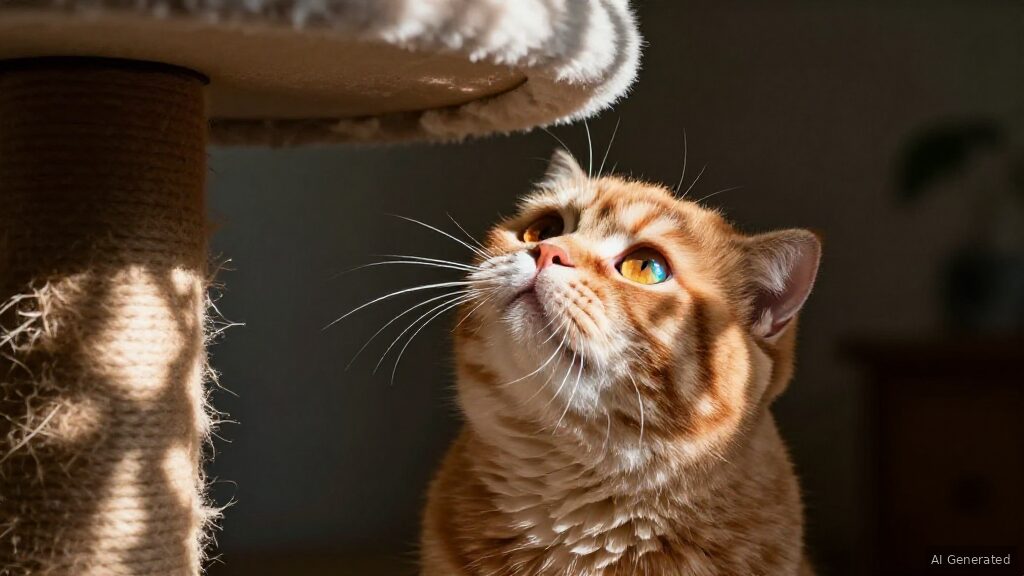
Common Behavioral Enrichment Practices Pet Owners Miss and Correct Approaches
Many pet owners think they are providing toys for their cats, but it is worth checking again if this truly provides behavioral enrichment. Simply piling up items can actually bore the cat or cause stress. You must obtain practical effects by understanding correct approaches and precautions.
Simple Toy Purchase vs. Actual Usage: What is the Problem?
The most common mistake is buying new toys but leaving them unused by the cat. According to research, results show that if a guardian does not actively present toys and leaves them abandoned, the frequency of cat usage decreases. This is because it takes time for the cat to feel interested on its own, or because they already recognize the toy as ‘trash’. Additionally, if there are many plastic or synthetic material toys, the risk of ingesting foreign objects through the mouth increases, which can cause digestive disorders or tooth damage (although PlayCat mainly uses wood, safety is important when comparing with toys made of other materials).
Therefore, pet owners should focus on ‘using’ rather than ‘buying’. It is essential for the guardian to intervene by inducing the cat to play with the toy immediately after buying it, or hiding the toy so the cat finds it on its own. Additionally, it is effective to use puzzle toys where food smells or hidden food is considered, taking into account the cat’s interests.
Importance of Periodicity and Unpredictability of Environmental Changes
Cats like predictable patterns, but they get bored in completely static environments. Therefore, maintaining environmental changes with ‘unpredictability’ is important. This means avoiding using the same toy at the same time every day and randomly changing the type of play, location, or time. According to research, the more irregular the play pattern, the more the cat’s curiosity is stimulated, making brain activity more active.
Specific practice methods include setting a ‘toy replacement cycle’. For example, toys used for a week are hidden in a different place next week, or replaced with entirely different toys. This stimulates the cat’s curiosity of “Why did this toy disappear?”, maintaining cognitive function. Additionally, organizing every corner of the house and creating a new play space for the cat is also a good method.
Guardian Participation and Observation: The Most Important Behavioral Enrichment
The most powerful behavioral enrichment is the guardian’s direct participation. Cats receive brain stimulation through interaction with their guardians. Beyond simply feeding the cat, it is important for the guardian to play along or carefully observe the cat’s reaction during play. According to research, play done together with the guardian showed the greatest effect in lowering the cat’s stress levels.
Specifically, guardians should develop the habit of recording which toys the cat reacts to and what behavioral patterns they show. If the cat shows obsessive behavior towards a specific toy or avoids it, this reflects changes in the cat’s personality or condition. Through this, guardians can create a more suitable environment for the cat. Additionally, when the cat shows affection towards the guardian through play, giving positive reinforcement by praising and rewarding them helps strengthen cognitive function.
In-depth Information and Mistake Correction for Cat Behavioral Enrichment
Cat behavioral enrichment is a comprehensive approach that considers the cat’s entire life and environment, going beyond simply giving toys. It provides advanced tips helpful for both beginners and experienced owners, along with solutions for frequently occurring mistakes.
Home Structure Modification: Role of Wooden Furniture and Space Utilization
PlayCat’s wooden furniture is a core tool for cat behavioral enrichment. Wood is a material cats instinctively like, and its natural texture and scent give them great stability. When placing wooden furniture in the house, it should be used as a functional space rather than just decoration. For example, a staircase structure allows the cat to experience various heights, improving exercise ability, and furniture with hiding spots provides shelter.
As an advanced tip, periodically changing the position of the wooden furniture is recommended. Since cats remember spaces by smell, placing furniture in a new location rather than a familiar one induces the cat to adapt to and explore the new space. This is very effective for maintaining cognitive function. Additionally, placing a little food or treats on the wooden furniture to induce the cat to crawl or climb to get food simultaneously improves exercise volume and problem-solving ability.
Change in Feeding Method: Effect of Food Puzzles
The cat’s feeding method is also an important part of behavioral enrichment. The traditional method of putting food in a bowl does not train the cat’s cognitive functions related to finding food. On the other hand, food puzzles or hidden food create a situation where the cat needs to “make an effort to find food.” According to research, cats that need to make an effort to get food experience less stress, feel happiness for a longer time after eating, and have a reduced tendency to overeat.
As a practice method, hide 20% of the food in puzzle toys or hiding holes in wooden furniture. This is an important activity that stimulates the cat’s brain beyond just the act of eating. Additionally, you can also stimulate the cat’s sense of smell and appetite by slightly changing the type or scent of the food, or mixing it with water to vary the form of the food.
Common Mistakes and Solutions: Boredom vs. Stress
The most common mistake is providing too many toys to the cat at once. This can actually cause the Paradox of Choice, making the cat feel bored or stressed because they don’t know what to play with. Additionally, problems can occur if the same toy is provided without considering the cat’s temperament (active cat vs. shy cat).
The solution is to reduce the number of toys and consider the individual cat’s temperament. It is recommended to provide toys requiring fast movement for active cats and quiet toys with hiding spots for shy cats. Additionally, using a rotation method of changing or hiding toys a little every day is necessary to maintain the cat’s interest. If the cat repeats a specific behavior or shows aggression, this means behavioral enrichment is lacking or there is stress in the environment, so you should seek professional help or readjust the environment.
Cat Behavioral Enrichment Checklist to Start Practicing Today
Now, based on the theories and research results we discussed, we present specific behavioral plans that pet owners can start implementing today. Follow this checklist to raise your cat’s cognitive function and happiness together.
Checklist: 7 Behavioral Enrichment Practices for Cats
- 1. Wooden Furniture Placement and Position Change (Time Required: 15 minutes, Items Needed: PlayCat wooden furniture, spray)
Place PlayCat’s wooden furniture in your home or change the position of existing furniture once a day. It is especially good to place it in corners where the cat frequently uses or near windows. When changing the position, leaving the cat’s favorite smell (guardian’s clothes or favorite food smell) on it can make it more familiar to the cat. Through this, the cat stimulates cognitive function by exploring the new space. - 2. Hidden Food Play (Time Required: 10 minutes, Items Needed: Food or treats, puzzle toys)
At dinner today, hide 1/3 of the food in puzzle toys or hiding holes in wooden furniture. The process of the cat making an effort to find food is effective in stimulating the brain and increasing exercise volume. If the cat cannot find the food, the guardian should help together and give positive reinforcement by saying “Found it”. - 3. Encouraging Vertical Space Utilization (Time Required: 20 minutes, Items Needed: Door, window)
Observe the cat’s behavior of climbing to the high places of the wooden furniture they like or hiding in every corner of the house. When the cat climbs up or hides, the guardian should quietly watch or gently touch from the side, helping the cat establish their territory and feel stable. Especially for senior cats, climbing up and down high places is important for exercise volume and maintaining cognitive function. - 4. Providing Visual Stimulation (Time Required: 5 minutes, Items Needed: Window, plants)
Observe cats outside the window or arrange plant decorations for the cat. Cats are very sensitive to moving objects and plant scents, so this becomes natural behavioral enrichment. Especially observing wild noises or bird movements through the window stimulates the cat’s instinctive hunting instinct, improving cognitive function. - 5. Securing Play Time with Guardian (Time Required: 30 minutes or more, Items Needed: Teaser stick, wooden toys)
Spend at least 30 minutes a day playing with toys together with the guardian. At this time, the guardian should run around matching the cat’s speed and induce the cat to catch the prey. If the cat attacks or bites the guardian during play, lightly dodge with your hand or throw the toy further to control the flow of the game. - 6. Adjusting Environmental Noise and Visual Stimulation (Time Required: 5 minutes, Items Needed: Radio, lighting)
Periodically adjust the noise or light in the house to stimulate the cat’s senses. For example, you can stimulate the cat’s nocturnal instinct by turning on bright lighting during the day and dark lighting at night. Additionally, turning on the radio or music to change the atmosphere in the house is also a good method. - 7. Writing a Cat Behavior Diary (Time Required: 10 minutes, Items Needed: Notebook, pen)
Record what behaviors the cat did and what toys they used during the day. Through this, you can grasp changes in the cat’s cognitive function and preferences, and help analyze interaction patterns with the guardian. By understanding what stimuli the cat reacts to through records, you can design more effective behavioral enrichment.
Frequently Asked Questions (FAQ) Related to Cat Behavioral Enrichment
Q1. How do symptoms of cognitive decline in adult cats appear, and when should prevention start?
While symptoms of cognitive decline in adult cats are prominent in old age (7 years and older), prevention should start at a young age. Major symptoms include loss of the habit of taking naps, mistakes in using the litter box, decline in spatial exploration ability, and changes in recognizing guardians. According to research, if sufficient behavioral enrichment is not provided during the adult cat period (6 months to 7 years), symptoms of cognitive decline may appear more rapidly in old age. Therefore, it is important to maximize brain neuroplasticity development through various environmental stimuli and play during the kitten and adult cat stages.
Q2. How should behavioral enrichment be designed when there are multiple cats in the house?
When there are multiple cats, a customized environment should be created considering the personality and preferences of each cat. For example, a shy cat may prefer wooden furniture with hiding spots, while an active cat may prefer high structures. Additionally, providing independent play spaces for each cat is necessary to reduce competition and prevent stress. According to research, since cats sharing space and resources have higher stress hormone levels, arranging sufficient food, toys, and hiding spots for each cat helps maintain cognitive function.
Q3. What is the most effective method to prevent cognitive decline in senior cats?
The most effective method to prevent cognitive decline in senior cats is providing a ‘safe environment’ and ‘repetitive stimulation’. Since senior cats gain stability by repeating familiar actions rather than learning new things, it is recommended to maintain the same daily routine while giving small changes (e.g., changing toy positions). Additionally, it is important to provide safe movement paths through wooden furniture or stairs and stimulate the brain by adjusting exercise volume according to physical strength levels. Research results have revealed that lowering the stress levels of senior cats is key to preventing cognitive decline.
Q4. What are the criteria for choosing safe toys for cats, and what are the advantages of wooden furniture?
When choosing safe toys for cats, you must check if they are made of non-toxic materials and if there is no risk of small parts falling out and being swallowed. Especially PlayCat’s wooden furniture is made of natural wood, so it is safe even if ingested through the mouth, and the natural scent and texture of the wood stimulate the cat’s instincts. Additionally, wooden furniture has excellent durability and can be used for a long time, is economical, and has the advantage of excluding harmful plastics or synthetic materials. According to research, natural materials are effective in lowering cats’ stress levels.
Q5. How long should play time for behavioral enrichment be, and how should it be adjusted?
A cat’s play time should be 30 minutes to 1 hour or more per day, and it is better to divide it into short sessions frequently rather than doing it all at once throughout the day. For example, dividing it into 10 minutes each in the morning, afternoon, and evening is effective. Considering the cat’s physical strength and temperament, play time should be reduced if they look too tired or show aggression. According to research, after concentrated play, the cat’s stress hormone levels decrease and they feel happiness, which has a positive effect on maintaining cognitive function.
Q6. What should be done if the cat does not use the toy at all?
If the cat does not use the toy at all, the guardian must actively intervene to induce play. For example, use methods to stimulate interest such as putting food smells on the toy or hiding the toy so the cat finds it. Additionally, observe which toys the cat prefers, replace or store toys they don’t like, and use only the toys they like. According to research, the guardian’s active participation and positive reinforcement play a decisive role in increasing the frequency of toy usage by the cat.
Conclusion: Start a Rich Daily Life with Your Cat Today
In this article, we covered in detail the importance of feline cognitive function, scientific evidence for behavioral enrichment, age-specific customized environment design, and specific methods that pet owners can implement immediately. Please remember again that for cats, they are not just pets, but living beings whose brains develop and interact with the environment. We hope that through safe and natural environments like PlayCat’s wooden furniture, you can stimulate your cat’s cognitive function and live happily and healthily together. Start with one small change today to make your life with your cat more meaningful. Check for more cat behavioral enrichment information at PlayCat (playcat.xyz).
This content was created using AI technology. Please consult a veterinarian for medical-related information.