


Cat behavioral enrichment is the practice of designing an environment that allows indoor cats to fully express their instinctual behaviors and maintain their mental and physical health. Through this article, you will learn how to effectively reduce your cat’s stress and improve their quality of life.
What is Cat Behavioral Enrichment?
Definition and Importance of Behavioral Enrichment
Cat behavioral enrichment is not just about providing play; it is about satisfying a cat’s natural hunting instincts, desire for exploration, territorial marking, and other diverse behavioral patterns. According to the ASPCA, 70% of indoor cats experience stress due to boredom. Addressing this requires essential environmental improvements.
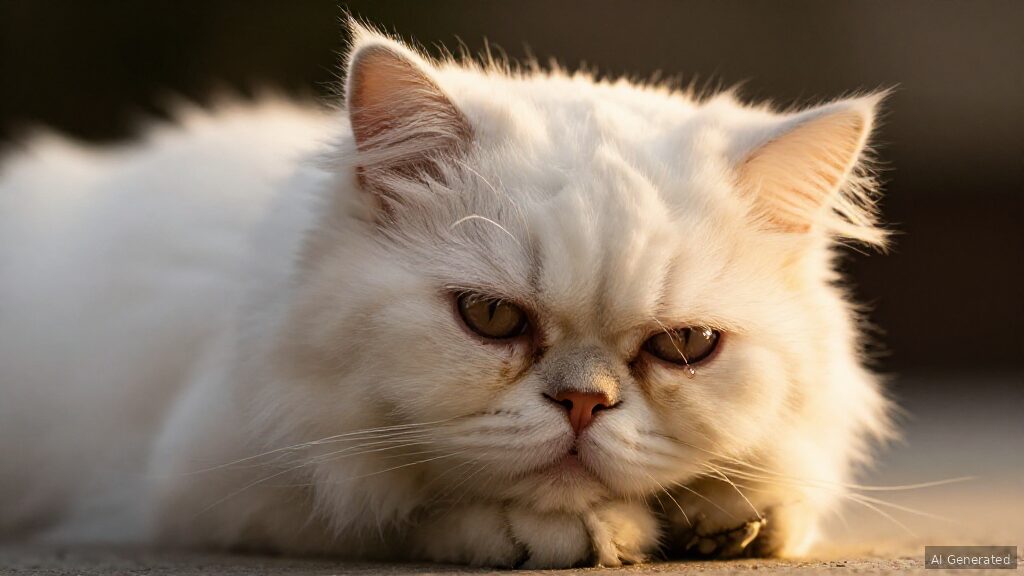
How Can You Reduce Your Cat’s Stress?
Providing a Safe Space
Cats experience less stress when they feel safe. PlayCat’s solid wood furniture is designed with durability and structures that provide a sense of security for cats. Several studies have shown that environments with hiding spaces reduce stress levels in cats.
Creating Vertical Spaces
Cats love high places. Installing cat towers or shelves to provide spaces at various heights allows cats to move more actively and build confidence. Research shows that a cat’s activity level increases by 50% in environments with sufficient vertical space.
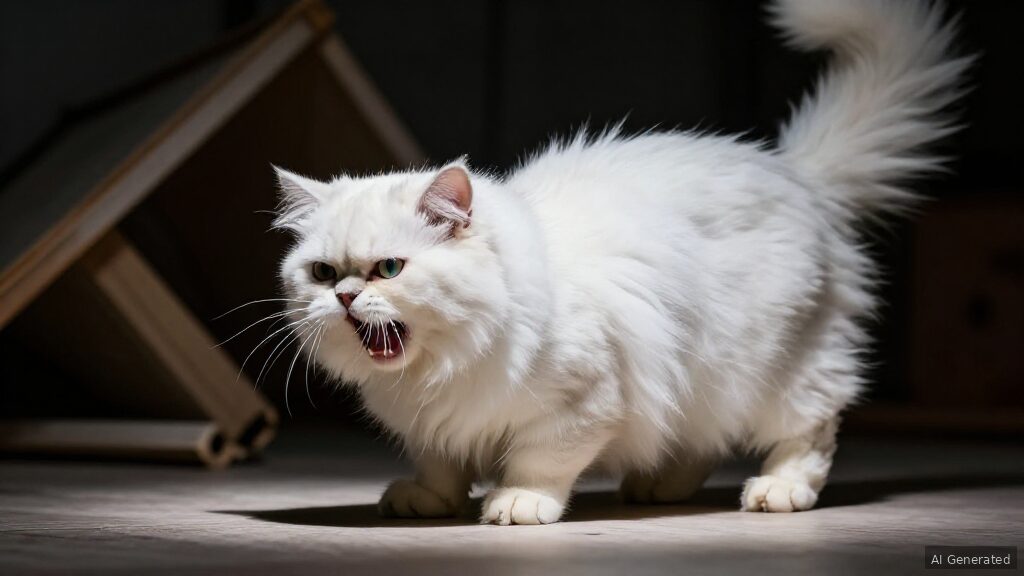
How to Stimulate Your Cat’s Hunting Instinct?
Using Interactive Toys
Use moving toys to stimulate hunting instincts. For example, laser pointers or feather toys activate a cat’s tracking instinct. According to a JFMS study, cats using interactive toys showed a 60% reduction in stress-related behaviors.
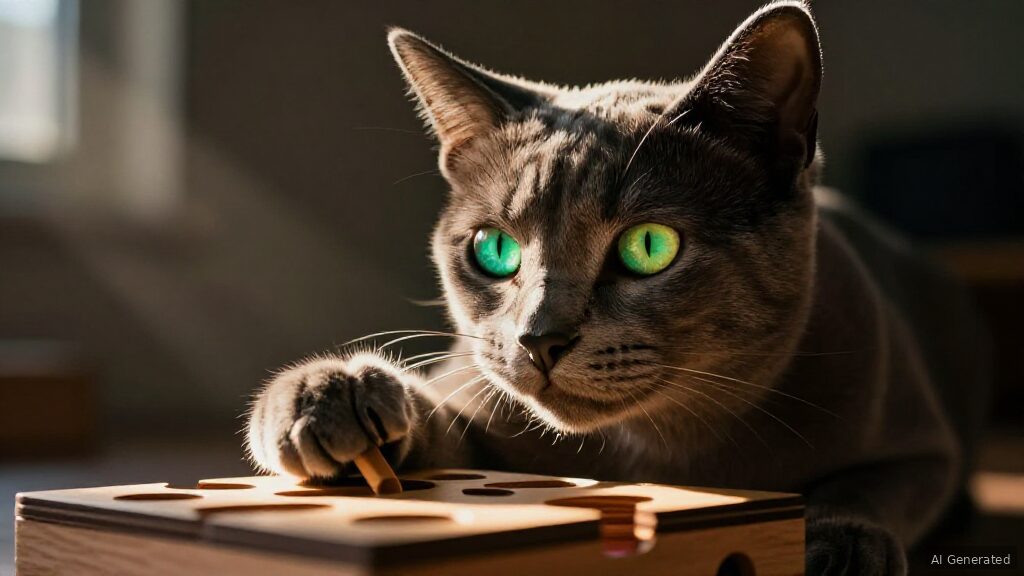
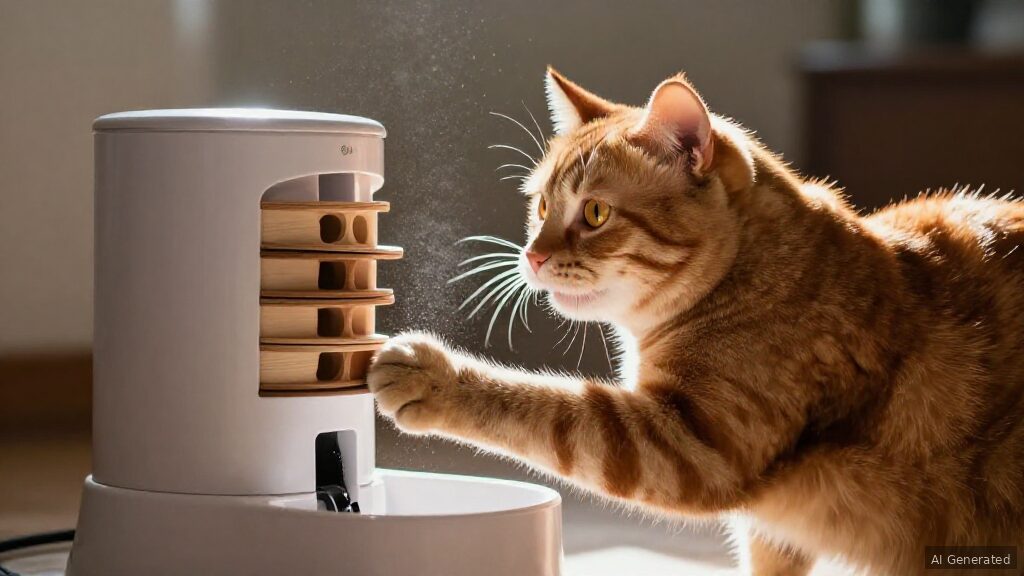
Providing Food Puzzles
Food puzzles provide mental stimulation by requiring cats to think and work to find their food. This method helps alleviate boredom and improves problem-solving skills. According to an ISFM report, cats using food puzzles can reduce overeating issues by 40%.
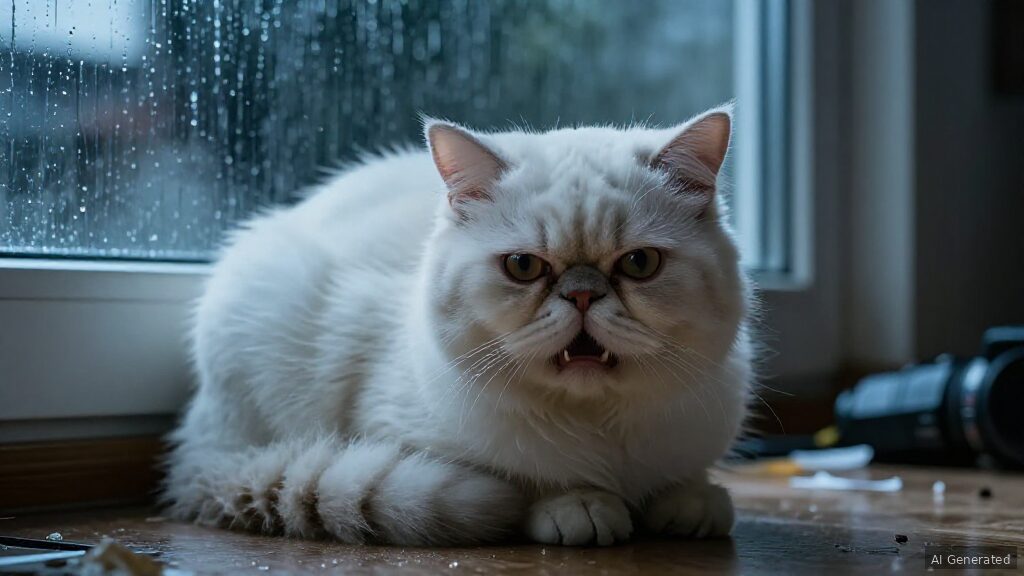
How to Start Improving the Environment?
Providing Window Views
Give your cat the opportunity to observe the world outside the window. This provides mental stimulation and helps reduce depression in indoor cats. According to a University of Utrecht study, cats living in rooms with windows showed a 25% decrease in stress levels.
Installing Scratching Posts
Scratching is a natural behavior for cats. Providing appropriate scratching posts can prevent damage to furniture. PlayCat’s solid wood scratching furniture is highly durable and provides a familiar environment for cats.
What Are Common Mistakes and Solutions?
Providing Too Many Toys
Too many toys can actually confuse your cat. It is more effective to rotate a few key toys. Research indicates that rotating 3–4 toys periodically increases a cat’s interest by 70%.
Sudden Environmental Changes
Suddenly changing the environment can stress your cat. It is important to make changes gradually. When installing new furniture, give your cat plenty of time to get used to it.
Behavioral Checklist to Start Today
- Prepare a safe hiding space
- Install vertical spaces and cat towers
- Provide interactive toys
- Introduce food puzzles
- Provide window views
- Install scratching posts
Frequently Asked Questions (FAQ)
Why is behavioral enrichment necessary for cats?
It helps satisfy their instinctual behaviors, allowing them to maintain mental and physical health. This has a significant impact on reducing stress and improving quality of life.
Is it too late to start behavioral enrichment?
No, cats of any age can benefit from behavioral enrichment. It is important to choose activities suitable for their age.
Is behavioral enrichment expensive?
Not necessarily. You can create an effective enrichment environment with simple DIY projects or by utilizing existing furniture.
What should I do if my cat loses interest in toys?
Rotate toys periodically or try new types of toys. Various stimuli are needed to maintain your cat’s interest.
Can behavioral enrichment cause stress to cats?
Properly designed behavioral enrichment helps reduce stress. However, sudden changes can cause stress, so introduce them gradually.
Key Summary
Cat behavioral enrichment is an important method for satisfying a cat’s instincts and reducing stress. You can improve your cat’s quality of life through safe spaces, vertical spaces, interactive toys, and food puzzles. PlayCat’s solid wood furniture can be effectively utilized for these environmental improvements. Start making small changes today.
The Importance of Cat Behavioral Enrichment
Cat behavioral enrichment is an essential element for promoting a cat’s mental and physical health. By satisfying a cat’s innate hunting instincts and curiosity, it helps reduce stress and improve quality of life. For example, according to the Journal of Feline Medicine and Surgery, cats living in environments with well-implemented behavioral enrichment showed a significant reduction in stress-related behavioral problems.
Various Methods of Behavioral Enrichment
Increasing Interactive Play Time
Playing with your cat for 15–20 minutes every day greatly helps reduce their stress. You can stimulate your cat’s hunting instinct using laser pointers or feather toys. Research shows that cats with regular playtime had 15% lower levels of the stress hormone cortisol compared to those without.
Utilizing Vertical Space
Cats like to observe their surroundings from high places. Providing cat trees or wall-mounted shelves gives cats the opportunity to safely observe their surroundings from above. This helps boost their confidence and reduce stress.
Case Studies on Cat Behavioral Enrichment
Environmental Enrichment and Stress Reduction
A study at the University of Utrecht investigated the impact of behavioral enrichment on cat stress levels. The results showed that cats provided with puzzle feeders and new toys exhibited a 30% reduction in stress-related behaviors. This suggests that behavioral enrichment plays a crucial role in providing mental stimulation and reducing stress in cats.
Practical Tips for Behavioral Enrichment
Making DIY Toys
Making toys for your cat yourself is also a good method. For example, paper bags or cards can become new exploration targets for cats. These simple DIY projects provide new stimulation for cats without costing much.
Regular Environmental Changes
Making small changes to your cat’s environment is also important. Small changes, such as rearranging furniture or adding new toys, can stimulate a cat’s curiosity and provide mental stimulation. However, changes should be made gradually, and you must give your cat enough time to get used to them.
Behavioral Enrichment and a Cat’s Social Needs
If your cat spends a lot of time alone, you might consider getting them a companion. If multiple cats live together, you must provide sufficient space and resources for each, and create an environment that promotes social interaction. This helps reduce stress and meet their social needs.
Connecting Behavioral Enrichment with Health Management
Behavioral enrichment is closely linked not only to stress relief but also to the overall health management of cats. Regular play and stimulation promote physical activity and help prevent obesity. Additionally, maintaining mental health can have a positive impact on strengthening the immune system.
This content was created using AI technology. Please consult a veterinarian for any medical information.