


What Is Cat Play and Why Is It Essential?
Cat play is an activity that satisfies hunting instincts and maintains physical and mental health. According to the ASPCA, regular playtime is effective in reducing stress and preventing behavioral issues in cats. This is especially important for indoor cats, who lack the stimulation found in natural environments, making the owner’s role even more critical.
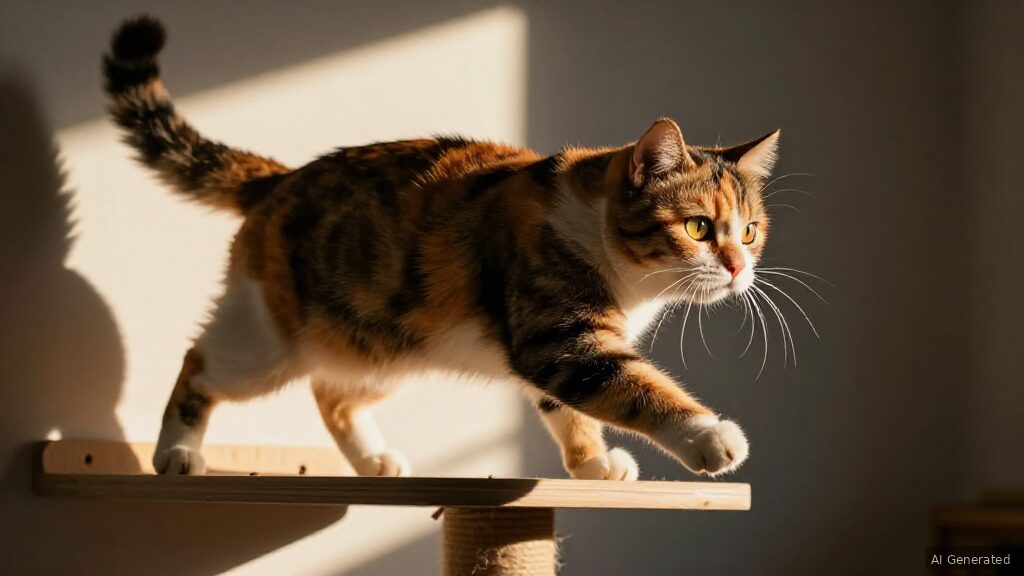
Effects by Toy Type and Selection Guide
Cat toys can be broadly categorized into wand toys, balls, and automatic toys. Each type stimulates different instincts in cats.
| Toy Type | Main Effect | Recommended Situation |
|---|---|---|
| Wand Toys | Stimulates predatory instincts, allows for flexible movement | For high-energy cats or when hunting play is needed |
| Balls | Improves tracking skills, allows for independent play | For cats that enjoy playing alone |
| Automatic Toys | Provides continuous stimulation, maintains interest when alone | When owners are busy or cats are alone for long periods |
Creating the Optimal Play Time and Schedule
The optimal playtime for cats is twice a day, in the morning and evening. Each session should last about 15 to 30 minutes, aligning with the cat’s natural activity cycles. Morning play provides energy to start the day, while evening play helps relieve stress before bedtime.
Morning Play Routine
In the morning, dynamic play that stimulates hunting instincts is ideal. Use wand toys to move quickly and capture the cat’s attention, encouraging jumping and running. After about 20 minutes of focused play, offer a treat to give them a sense of accomplishment.
Evening Play Routine
In the evening, switch to calmer play to help the cat gradually relax. Provide time for independent play with automatic toys or balls, and conclude the last 10 minutes with interactive play with the owner. This process helps the cat fall asleep comfortably.
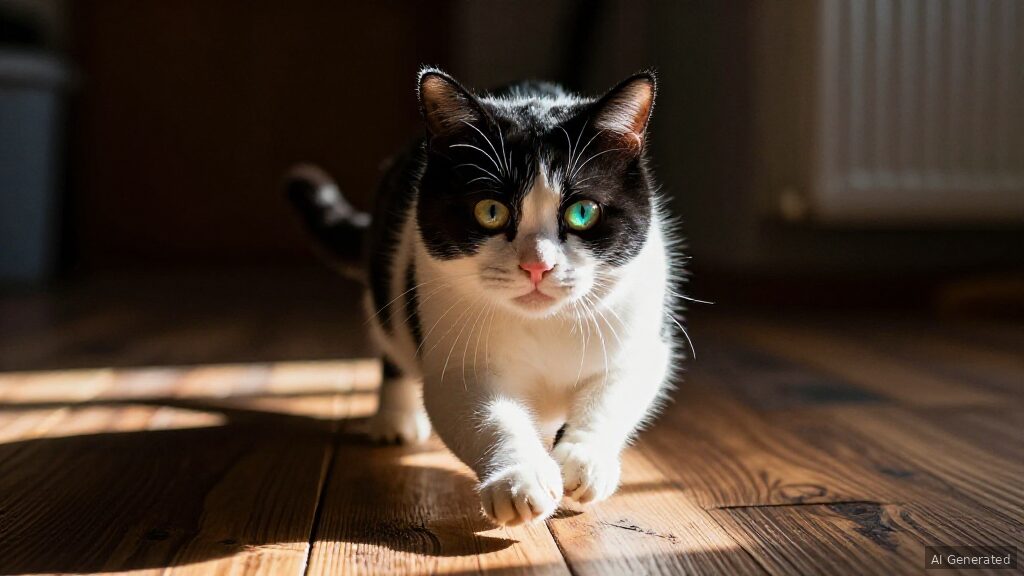
Independent Play vs. Interactive Play
You can choose play methods based on your cat’s personality and situation. Independent cats can enjoy themselves fully with automatic toys or balls. In contrast, social cats benefit more from play where the owner participates directly. Interactive play strengthens the bond between owner and cat and aids in social development.
Making DIY Toys: Easy and Economical Methods
Making cat toys yourself is not only economical but also a great way to provide new stimulation for your cat. You can create hiding spots using cardboard boxes or make simple wand toys by attaching feathers and string. These DIY toys stimulate curiosity and provide a creative play environment.
Handling Cats with No Interest in Play
If your cat shows no interest in play, there may be various causes. First, check for health issues, and try changing the variety of toys and play methods. You can attract their attention by using favorite treats or catnip. Try adjusting the frequency or duration of play to see if it sparks their interest.
Play Differences by Age and Tailored Strategies
A cat’s age significantly impacts their play style. Kittens are full of energy and prefer short, high-intensity play. Adult cats enjoy calmer, more sustained play, while senior cats are best suited for soft toys and short play sessions to protect their joints. Maintaining a play strategy appropriate for their age helps keep cats healthy and happy.
Creating a Safe Play Environment
A cat’s play environment must be safe. Remove small parts or sharp objects, and check for potential hazards beforehand. PlayCat’s solid wood furniture is safe and durable, designed to provide a sense of security during play. Arrange furniture and toys appropriately to create a space where your cat can jump and play freely.
FAQ: Resolving Common Questions About Cat Play
Q. How much playtime does a cat need per day?
A. Cats need at least 20 to 30 minutes of playtime per day. Especially energetic kittens may require more playtime. Play is essential for a cat’s physical health and mental stability.
Q. What toys do cats like the most?
A. Cats like toys that stimulate their hunting instincts. Fast-moving toys like wands, feathers, and laser pointers easily catch their attention. It is important to try various toys to understand your cat’s preferences.
Q. How should I manage my cat after playtime?
A. After play, offer your cat a treat or allow them quiet time. Since play is a way for cats to expend energy, sufficient rest is needed afterward. This reduces stress and provides a sense of calm.
Q. What should I do if my cat gets bored during play?
A. If your cat seems bored, try changing the play method or introducing new toys. Experiment with different toys and play styles to maintain their interest. Regularly rotating toys is also a good method.
Q. What if my cat has no interest in play?
A. If your cat is uninterested in play, check for health issues or stress. You can also consider adjusting playtime to fit their routine or improving the play environment. Try various approaches to capture their interest.
This content was created using AI technology. Please consult a veterinarian for medical information.