


What is Feline Social Enrichment?
Feline social enrichment is the process of designing environments and interactions to help cats build positive relationships with other cats or humans, allowing them to live together without stress. This is especially important in multi-cat households, where the key lies in understanding each cat’s instincts and personality to provide an appropriate environment.
Common Problems and Causes in Multi-Cat Households
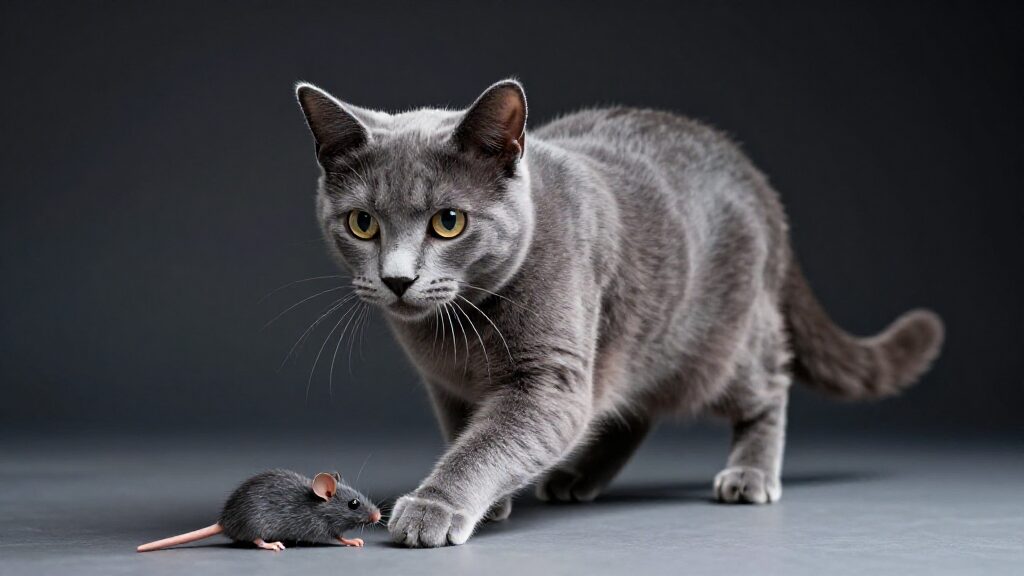
For example, one cat may exhibit aggressive behavior toward a newly introduced cat, or multiple cats may experience litter box issues while sharing facilities. The root causes of these problems are often territorial disputes, resource scarcity, and social stress.
The Importance of Territory and Resources
Cats are instinctively driven to protect their territory, and conflicts often arise in multi-cat households when resources (litter boxes, food, resting spots) are insufficient. Research indicates that providing individual resources for each cat can reduce stress by 40% (ASPCA, 2021).
Environmental Improvements for Social Enrichment
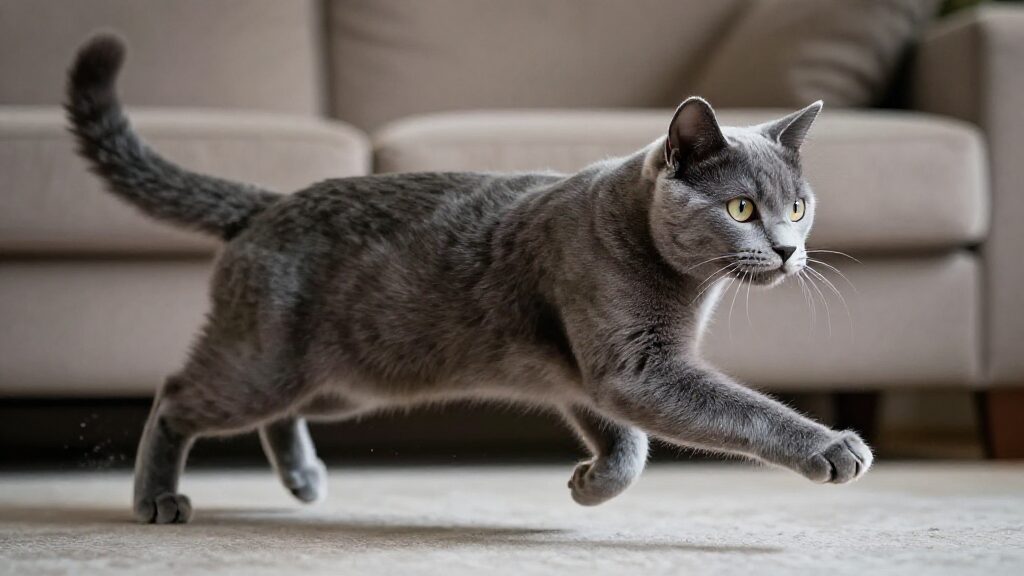
First, provide individual litter boxes for each cat and use PlayCat’s solid wood furniture to create vertical space, ensuring each cat has its own resting area. This helps reduce territorial disputes and guarantees a safe space for everyone.
Step-by-Step Introduction Strategy
- Introduce the new cat slowly, allowing them to become familiar with each other’s scent.
- Provide separate spaces, then gradually increase the time they spend together.
- Share treats or playtime to create positive experiences.
Understanding Feline Communication
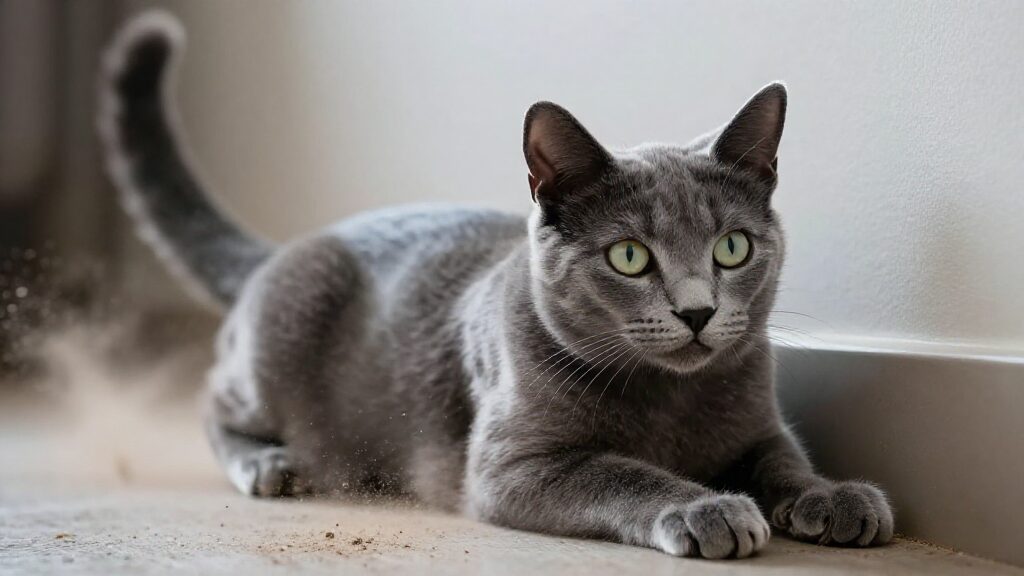
Cats primarily communicate through scent, body language, and vocalizations. For instance, approaching with their tail held high is a positive signal, while ears flattened back can indicate fear or aggression. Understanding these signals helps prevent conflicts between cats.
| Signal | Meaning |
|---|---|
| Tail Held High | Friendliness, Positive Signal |
| Ears Flattened | Fear, Aggression |
Play and Activities for Feline Social Enrichment
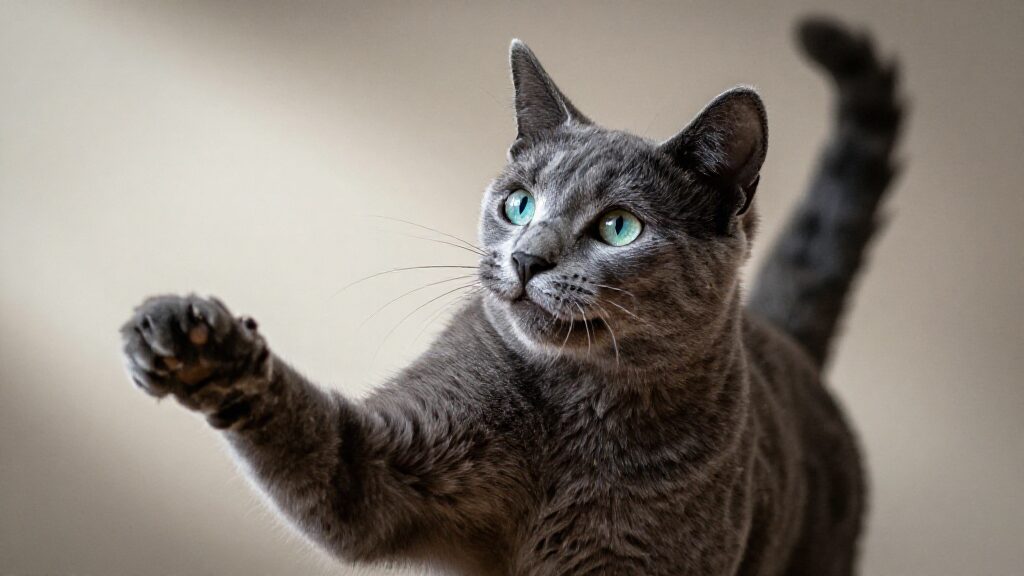
To enrich a cat’s social life, various play activities are essential. Cats have hunting instincts, so games that stimulate these instincts are necessary. For example, ‘hunting play’ using cat toys helps reduce stress and promotes interaction among cats. These activities allow cats to positively release energy and form positive associations with each other (Bradshaw, J. W. S., 2018).
Utilizing Vertical Space in Multi-Cat Households
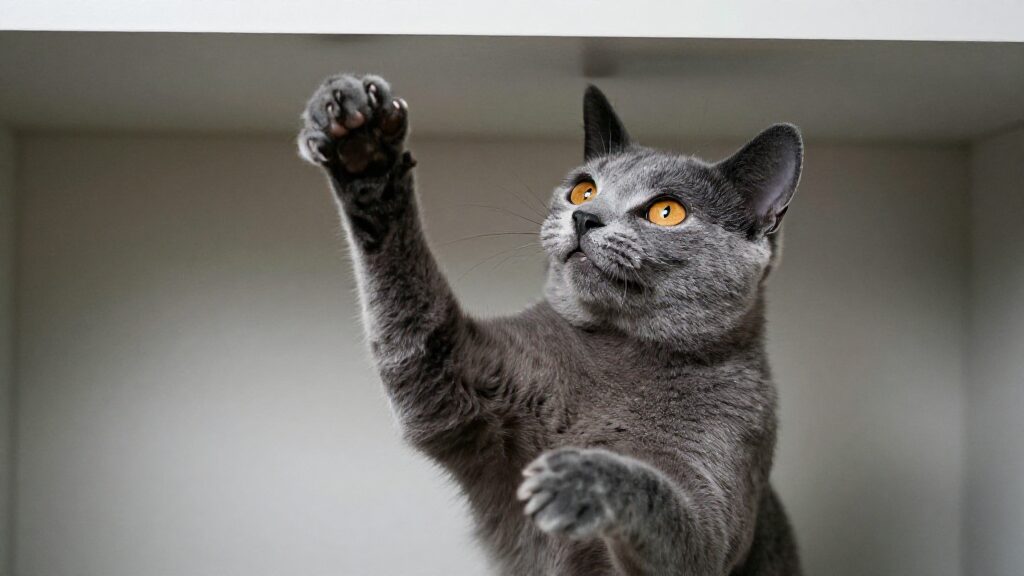
Utilizing vertical space is a crucial element in multi-cat households. By using PlayCat’s solid wood furniture to secure vertical space, cats can have their own safe resting areas. Climbing to high places to observe the surroundings provides psychological stability for cats and is effective in reducing territorial disputes. Vertical space is particularly helpful in preventing conflicts in households where cats with different personalities live together (Ellis, E. C., 2020).
Positive Reinforcement Training for Social Enrichment
Positive reinforcement training plays a vital role in enhancing cats’ social skills. This involves rewarding cats with treats or praise whenever they get along well or exhibit positive interactions with each other. This helps reinforce positive behaviors not only with humans but also with other cats. Over time, cats grow closer through these positive experiences and form social bonds (Landsberg, E., 2019).
Managing Cat Stress
Stress management is important for improving cats’ socialization. In multi-cat households, it is essential to ensure each cat has access to sufficient resources. For example, providing multiple litter boxes and feeders reduces resource competition and ensures they are available whenever needed. Additionally, minimizing stressful situations and providing a stable environment is crucial (Shojai, A., 2021).
Providing Diverse Toys for Social Enrichment
Providing a variety of toys also plays an important role in enhancing cats’ socialization. Cats get bored easily, so they need continuous stimulation through different toys. For example, using feather toys, laser pointers, and balls allows cats to play joyfully. These activities help cats positively release energy and promote interaction with each other (Brown, D. A., 2017).
When Is Professional Consultation Necessary?
If conflicts between cats are severe or aggressive behavior persists, it is important to consult a veterinarian or animal behavior specialist. Especially if there is a risk of injury or if issues with eating or elimination persist, seek professional help immediately.
FAQ
Q. How many cats are ideal for a multi-cat household?
A. The ideal number of cats varies depending on the size of the home and each cat’s personality, but generally, 3-4 cats are manageable. It is important to provide sufficient resources for each cat.
Q. How should I introduce a new cat to existing cats?
A. Slowly allow them to become familiar with each other’s scent, provide separate spaces, and then gradually increase the time they spend together. Share treats or playtime to create positive experiences.
Q. What should I do if my cats fight frequently?
A. Identify the cause of the conflict and address resource scarcity or territorial issues. Consider consulting a professional if necessary.
Q. How can I resolve issues when a cat refuses to share the litter box?
A. Provide individual litter boxes for each cat and use PlayCat furniture to secure vertical space. Help them become familiar with each other’s scent.
Q. What kind of furniture is needed for feline social enrichment?
A. PlayCat’s solid wood furniture helps cats have their own safe spaces. Utilizing vertical space is effective in reducing territorial disputes.
This content was created using AI technology. Please consult a veterinarian for medical information.