Things First-Time Cat Owners Need to Know Part 3: Environmental Enrichment Guide Using Wooden Furniture
For cat owners raising a cat for the first time, the biggest concern is likely how to ensure the cat’s psychological stability and happiness from an “Animal Behavior” perspective. Going beyond simply providing food, the impact of creating an environment that satisfies a cat’s instincts on their health is immense and can lead to long-term medical cost savings. In this article, we will explain specific Environmental Enrichment methods using wooden furniture step-by-step, presenting practical solutions that owners can implement directly. By reading through this article, you will gain a clear understanding of how to reduce cat aggression and relieve stress, along with an actionable plan.
What are the causes of cat stress and how does wooden furniture solve it?
A cat moving to a new environment experiences psychological pressure from “environmental changes,” which is perceived instinctively as an unsafe situation, causing the secretion of stress hormones. Especially for cats living indoors or in small spaces, if vertical space is not secured, psychological anxiety is amplified, leading to inappropriate behaviors or aggression. Therefore, wooden furniture that provides appropriate vertical space and hiding spots serves not merely as decoration, but as an essential ‘safe zone’ for the cat’s psychological stability.
Why is securing vertical space the first step to relieving stress?
Cats are a species with a strong tendency to prefer high places, as they are descendants of wild felines. According to animal behavior research, cats feel psychologically stable when monitoring their surroundings from a high position. The instinct that they can only protect themselves from predators and monitor prey by climbing to a vertical space rather than the ground is very important to cats. If the space provided by the owner is low and flat, the cat is likely to live in constant anxiety and show a defensive attitude. Therefore, installing wooden cat towers or wall-mounted cat decorations to create areas of various heights is the most basic and effective strategy for the cat’s psychological stability.
Why do cats show aggression and how does wooden furniture help?
Many owners perceive a cat’s scratching, clawing, or barking at other cats as a simple ‘bad habit,’ but this is actually ‘excessive behavior’ where energy has nowhere to go, or is due to environmental factors that prevent stress relief. A cat left with energy not expended often attacks furniture or the owner’s clothes as a means to relieve stress. This is like the principle of ‘loss aversion’; if the owner does not provide appropriate play and exercise opportunities for the cat in advance, the likelihood of bigger problems later (e.g., repair costs from scratching, hospital bills from cat fights) increases. By using wooden furniture to create a structure where cats can naturally climb and jump to expend energy, the root cause of such aggressive behavior can be fundamentally blocked.
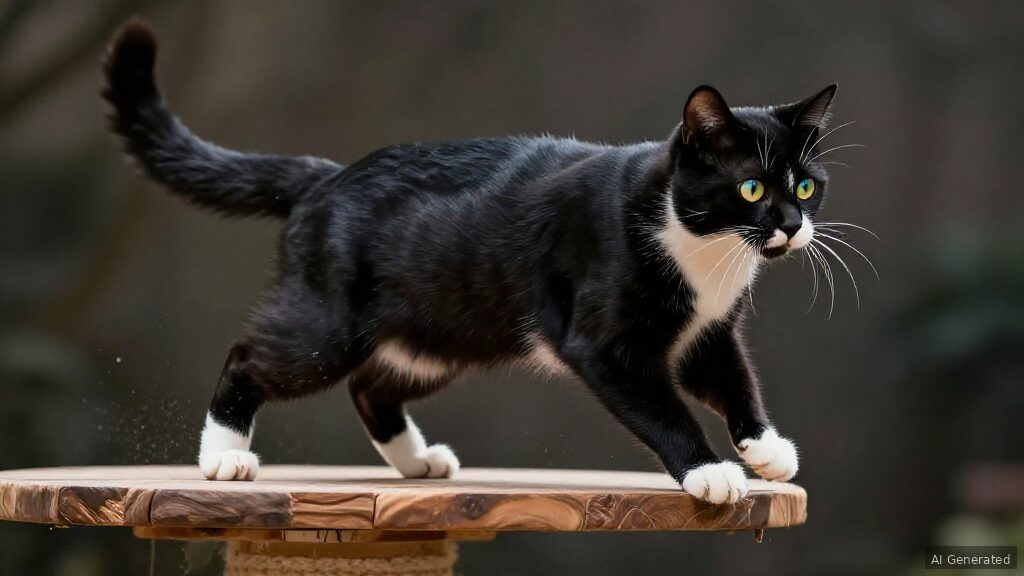
How should selection criteria for wooden furniture be established according to cat age?
A cat’s physical abilities and behavioral patterns change significantly depending on their age, so selecting wooden furniture that matches this is essential. This is because the required height, hardness, and access method of the space differ by Kitten Stage (infancy), Adult Cat Stage (adulthood), and Senior Stage (old age). If an owner purchases furniture randomly without accurately knowing the cat’s current age, the cat may get injured or become unable to use it.
What are the characteristics of furniture suitable for the Kitten Stage (0-6 months)?
The Kitten Stage is a period where growth speed is very fast and curiosity is vigorous, leading to jumping without being able to control the body. Cats in this stage prefer moving flatly from a low place and exploring the surroundings rather than sudden ascent to high places. Therefore, wooden furniture with many flat platforms at intermediate heights close to the floor rather than high tower structures is suitable, designed so the ceiling is not low to prevent collision. Also, since the wood surface might be too rough or have sharp edges that could injure the claws, products with rounded corners and smooth finishes should be selected. Since accidents where kittens fall and get injured while climbing high places are frequent, structures with small height differences and smooth connections help ensure safety.
What is the optimal wooden furniture configuration for the Adult Cat Stage (6 months-7 years)?
The Adult Cat Stage is when growth is complete and activity levels and stamina are at their peak. Cats in this stage expend energy through sudden ascent and descent to high places to satisfy hunting instincts, and climbing at various heights. Therefore, multi-layered wooden cat towers or furniture with platforms of various heights connected to the wall are ideal. Especially since adult cats actively mark territory and assert dominance, products with wide flat resting spaces and wide flooring that satisfies the instinct to scratch objects are needed. When purchasing wooden furniture, it is better to choose a wide and stable structure rather than narrow passages or narrow pillar structures, considering the height difference the adult cat can climb at once.
What safety factors should be considered for the Senior Stage (7 years and older)?
The Senior Stage is a period of old age where muscle strength weakens and reaction speed slows, making sudden movement to high places dangerous. Cats in this stage prefer resting stably from a low place and monitoring the surroundings. Therefore, instead of very high cat towers, structures composed mainly of low levels close to the ground or stair-like structures that can be climbed slowly are needed. When selecting wooden furniture, the most important thing is whether the heavy structure is firmly fixed to the floor to prevent tipping. Also, since the wood surface might be too hard and cause impact on joints, structures with slightly elastic wood or padded surfaces provide more comfort to senior cats. Since senior cats prefer flat and wide resting spaces rather than sudden height changes, furniture with many flat surfaces close to the ground among platforms of various heights is recommended.
| Cat Age | Behavioral Characteristics | Recommended Wooden Furniture Type | Points to Note |
|---|---|---|---|
| Kitten Stage (0-6 Months) | Fast Growth, Anxious, Exploring | Low Platforms, Rounded Corners | Prevent Sudden Climbing to High Places |
| Adult Cat Stage (6 Months-7 Years) | Active, High Energy, Territory Marking | Multi-level Structure, Wide Flooring, Various Heights | Structural Stability and Flooring Width |
| Senior Cat Stage (7+ Years) | Muscle Weakness, Slow Reaction, Resting | Low Levels, Stair-like, Wide and Flat | Prevent Falls, Joint Protection |
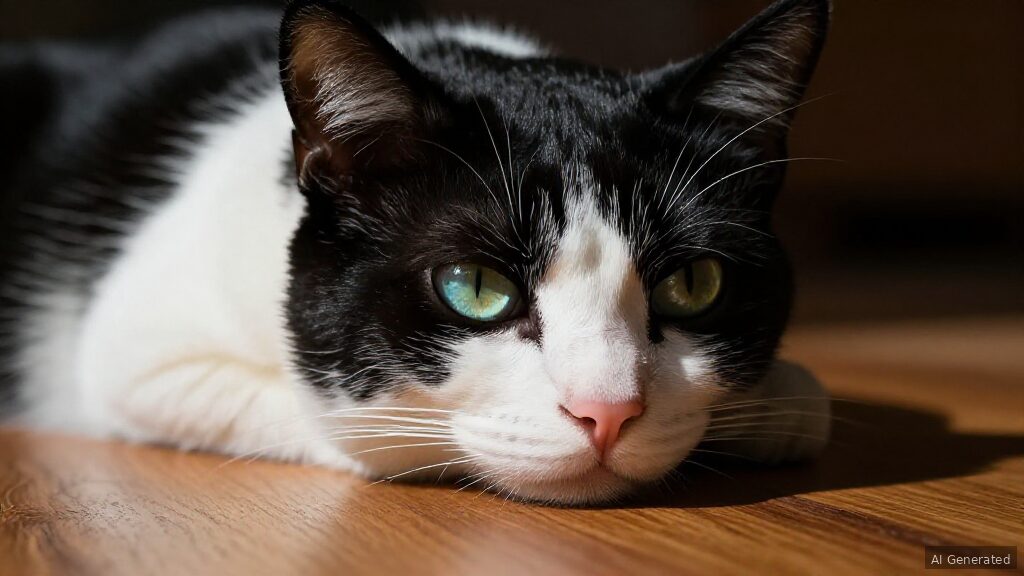
What are the placement strategies and installation methods for wooden furniture for environmental enrichment?
Simply purchasing wooden furniture and placing it in a room is not enough; correct placement and installation methods maximize the effect of environmental enrichment. The reason owners worry about where to place furniture is that the results differ completely depending on whether the cat actually wants to use that space. Incorrect placement makes the cat perceive the furniture as meaningless decoration, eventually leading to it being neglected.
Where should furniture be placed to increase cat utilization rate?
Cats prefer to place furniture where they can secure their territory and safety. Therefore, wooden furniture should be placed in a safe location slightly separated from other cats or owners while securing the widest view in the house. For example, a place next to a living room window or in a corner of a wide kitchen where the cat can look outside and rest is ideal. Also, since the space with furniture must be easily accessible to the cat, avoid placing it behind closed doors or in narrow passages. Since the process of the cat exploring new spaces and recognizing the furniture as their territory is important, it is good to distribute small platforms or wooden flooring throughout the house to create paths for the cat to move and explore.
What are the safety check items and fixation methods to be careful of during installation?
When installing wooden furniture, the most important thing is ‘stability’. Since cats act trusting their body weight when climbing up and down furniture, if the furniture tilts or falls, it can cause psychological anxiety and actually increase stress. Before installation, you must check if the floor is flat and check if the screws of the structure fixed to the wall are tightened sufficiently. Especially for large cat towers, it is good to attach vinyl tape or rubber pads to the feet on the floor so they do not slip. Also, you must check if each part of the furniture is connected firmly without shaking, and if the cat starts to scratch a specific part (e.g., a pillar) too hard and break it, you must reinforce or replace that part immediately. After installation is complete, it is good for the owner to climb up once to test if it is safe.
How can furniture that the cat does not use be utilized?
If the cat ignores the furniture installed initially, it may be because the cat did not feel a sense of control over that space, or there was a lack of stimulation that they instinctively wanted to approach. At this time, applying the principle of ‘Behavioral Economics’ to give the cat freedom of choice while providing small rewards is effective. For example, sprinkle the cat’s favorite food or treats on a specific part of the furniture (e.g., the highest platform). The cat will smell the delicious food and naturally move to that space, gaining curiosity and intimacy with the new space in the process. Also, placing new toys or a fishing rod on the flooring of the furniture to give play motivation is a good method. If the cat still does not use it, you should move the furniture location slightly or change the shape to guide the cat to approach as if discovering something new.

What are other environmental enrichment tools used with wooden furniture?
It may be difficult to satisfy all environmental enrichment with wooden furniture alone, so it is good to utilize various tools to complement it. Wooden furniture is excellent for providing fixed space, but tools that satisfy hunting instincts or induce interaction require separate toys or equipment. Using these tools in conjunction with wooden furniture can more effectively increase the cat’s activity level.
What is the synergy effect of cat fishing rods and wooden furniture?
Cat fishing rods are one of the most effective tools to stimulate a cat’s hunting instinct and expend energy. Using this tool on a high platform of wooden furniture allows the cat to naturally perform actions of jumping and climbing towards the prey. Especially if used on narrow passages or pillars of wooden furniture, the cat feels a greater challenge and focus increases. This contributes not only to playing with toys but also to developing the cat’s physical abilities and relieving stress. The time the owner spends playing with the cat using a fishing rod is also a great help in strengthening the bond between the cat and the owner, so it is good to naturally incorporate it into daily life.
What should be considered when sharing with other cats or animals?
If multiple cats or other animals (e.g., dogs) live in the house, the placement and structure of wooden furniture must be considered more carefully. Especially since cats have a strong instinct to defend their territory, when installing wooden furniture at locations or heights where other animals can approach, independent space must be secured for each cat. For example, it is good to install small partitions between the levels of the wooden cat tower or assign dedicated platforms to each cat to block access to each other. Also, if the structure allows other animals to approach the wooden furniture and harass the cat, it is necessary to set the height of the furniture higher or set it as a management area only for the owner. When multiple cats live together, furniture should be placed considering each individual’s personality and preferences, and if conflict occurs, they must be separated and managed immediately.
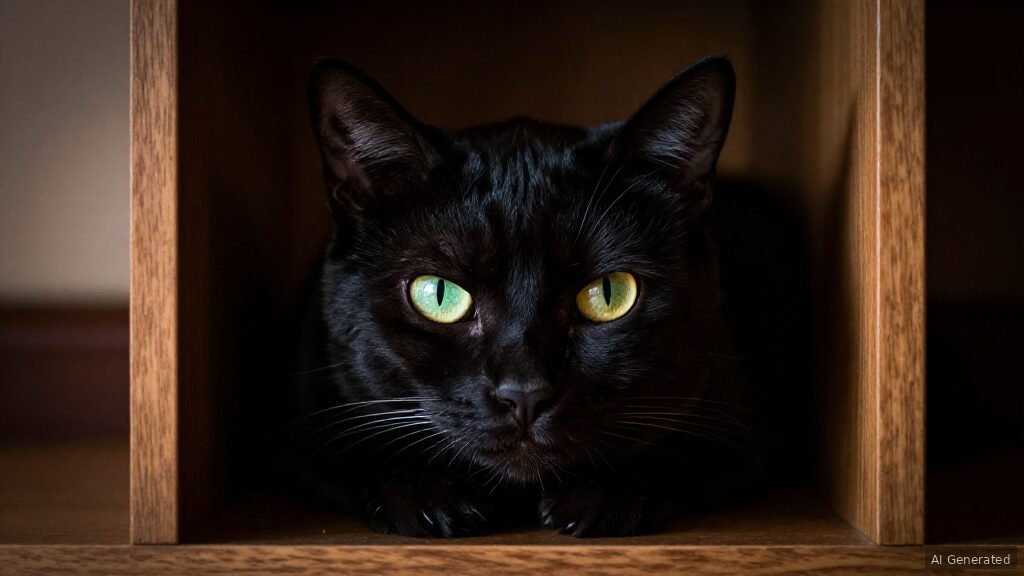
What are the maintenance and replacement cycles for wooden furniture, and precautions?
Wooden furniture is made of wood and can wear out or be damaged over time. Therefore, regular inspection and appropriate maintenance are needed. Also, if the cat scratches a specific part too hard and breaks it or the structure becomes unstable, it must be replaced or reinforced immediately. Neglecting maintenance can lead to accidents where the furniture collapses and the cat gets injured.
How to replace worn wooden flooring and safety check methods?
A cat’s claws are very sharp and strong, so the wooden flooring surface is often damaged or cracked over time. These worn parts can cause the cat to fall or injure their claws, so they must be repaired or replaced immediately. The repair method is to smooth the worn part with sandpaper to remove sharp edges. If damaged more severely, new wooden flooring must be attached or the entire platform replaced. Also, the entire wooden furniture must be regularly inspected to check if screws are not loose and pillars are not shaking. Especially parts that the cat has started to scratch and break heavily should be inspected more frequently, and applying cat scratching rope or special paint to reduce scratching behavior is also one method.
Precautions regarding wood safety and chemical removal methods?
When purchasing wooden furniture, the safety of the wood is very important. Some low-priced products may contain harmful chemicals contained in resin or adhesives, which can be harmful to health if the cat licks or ingests the wood. Therefore, when purchasing wooden furniture, it is good to choose products certified as non-toxic. Also, newly purchased or repainted furniture may have the smell of coating agents or paint, so it is essential to ventilate for a sufficient amount of time before use. Especially for senior cats or cats with weak immunity, sensitivity to chemicals is higher, so more thorough cleaning and ventilation are needed. If there is damage on the wood surface and debris is generated, the cat may ingest it, so it must be removed immediately and the damaged part repaired.
Additional tips and common mistake solutions useful for both beginners and experienced owners
There are several useful tips that can be applied to both beginners and experienced owners in the process of utilizing cat wooden furniture. Also, solutions for commonly occurring mistakes are presented to help owners create a better environment. These tips are based on the basic principles of cat behavior.
Do not install furniture too quickly
Many owners try to install wooden furniture immediately after bringing a new cat home and force the cat to climb up. However, this can increase the cat’s stress. Cats need time to adapt to a new environment, and it is better to wait until they want to explore the wooden furniture themselves. Initially, it is good to place it low on the floor, or gradually increase the height as the cat starts to feel comfortable. When the cat wants to adapt to that space on its own, it is effective for the owner to quietly watch from the side or throw a small toy to naturally guide them to approach.
Wooden furniture alone is not enough
Wooden furniture provides resting and movement space for cats, but separate toys are needed to satisfy the cat’s hunting instinct and play desire. It is good to provide various stimuli to the cat by placing fishing rods, balls, or other toys on the flooring of the wooden furniture. Also, leaving the cat’s favorite smell (e.g., owner’s clothes or favorite treat smell) in that space to guide the cat to use the wooden furniture more is a good method. This gives the cat a sense of familiarity and safety and helps them recognize the wooden furniture as their territory.
Continuously observe the cat’s reaction
It is important to continuously observe how the cat reacts after installing the wooden furniture. If the cat uses only a specific part or does not use it at all, the reason must be identified. If the cat prefers a specific height, prefers a specific direction, or uses it more at a specific time, recording this will be a great help in optimizing the furniture placement or structure. Also, check if the cat reduces aggressive behavior by using the wooden furniture or if stress is relieved, and if necessary, modify the furniture location or structure. Through this continuous observation and modification, an environment most suitable for the cat can be created.
Environmental Enrichment Checklist You Can Start Practicing Today
Now based on the theoretical content, we provide a specific behavioral checklist that you can start practicing today. This checklist is designed to help owners effectively conduct cat environmental enrichment along with wooden furniture. Each item is configured to be easy to execute, including estimated time, required items, and expected effects.
- Find a view securing zone in the home
- Estimated Time: 15 minutes
- Required Items: None (Only visual observation needed)
- Expected Effect: Secure a safe and comfortable resting space for the cat
- Optimize wooden furniture location
- Estimated Time: 20 minutes
- Required Items: Screws, vinyl tape, rubber pads
- Expected Effect: Secure furniture stability and improve cat accessibility
- Place cat-customized platforms
- Estimated Time: 30 minutes
- Required Items: Wooden platform, cat food/treats
- Expected Effect: Increase cat utilization rate and strengthen territory recognition
- Set play time linked with fishing rod
- Estimated Time: 15 minutes/session, 2+ times a day
- Required Items: Cat fishing rod, treats
- Expected Effect: Increase energy expenditure and relieve stress
- Conduct daily furniture safety check
- Estimated Time: 5 minutes/day
- Required Items: Flashlight (for checking dark places)
- Expected Effect: Prevent accidents and extend furniture lifespan
- Write cat reaction log
- Estimated Time: 10 minutes/day
- Required Items: Notebook, pen, or smartphone memo app
- Expected Effect: Understand cat behavior patterns and optimize furniture
- Conduct cat preference test and provide rewards
- Estimated Time: 20 minutes/week
- Required Items: Various treats, toys
- Expected Effect: Induce cat interest and maximize furniture utilization rate
Frequently Asked Questions (FAQ)
1. Do I need to drill holes in the wall when installing wooden furniture?
Whether you need to drill holes in the wall when installing wooden furniture depends on the product structure and installation method. Most large cat towers or wall-mounted structures must be fixed to the wall with screws for stability. This is an essential procedure to prevent the furniture from falling, especially important if the cat frequently climbs to high places. However, some products have a stable structure that is only fixed to the floor, so be sure to check the product manual. When drilling holes in the wall, you must select the appropriate screws and drill bits depending on whether it is a concrete wall or drywall, and you may need the help of a professional for safety.
2. What should I do if the adult cat dislikes wooden furniture?
If the adult cat dislikes wooden furniture, it may be because the cat did not feel a sense of control over that space or has fear of approaching. At this time, it is good to move the furniture location to a place where the cat feels comfortable or place it low to increase accessibility. Also, try a strategy to naturally lure them by leaving favorite treats or smells in that space for the cat. Over time, if the cat recognizes that space as their territory, they will gradually use it more.
3. How should wooden furniture be distributed among multiple cats?
When raising multiple cats, wooden furniture should be designed so that independent space is secured for each cat. Especially it is important to assign dedicated platforms to each cat to block access to each other. Also, you must prevent conflict by installing partitions between the levels of the wooden cat tower or setting different preferred heights for each cat. When multiple cats live together, furniture should be placed considering each individual’s personality and preferences, and if necessary, it should be protected by setting it as a management area only for the owner.
4. How should wooden furniture for senior cats be selected?
Wooden furniture for senior cats needs to be low in height and have a structure like stairs that can be climbed slowly. Also, the most important thing is that the heavy structure is firmly fixed to the floor to prevent tipping. Since the wood surface might be too hard and cause impact on joints, structures with slightly elastic wood or padded surfaces provide more comfort to senior cats. Since senior cats prefer flat and wide resting spaces rather than sudden height changes, it is good to choose furniture with many flat surfaces close to the ground among platforms of various heights.
5. How to prevent and maintain wear on wooden furniture?
To prevent wear on wooden furniture, regular inspection and appropriate repair are needed. A cat’s claws are very sharp and strong, so the wooden flooring surface is often damaged or cracked over time. These worn parts can cause the cat to fall or injure their claws, so they must be repaired or replaced immediately. Also, the entire wooden furniture must be regularly inspected to check if screws are not loose and pillars are not shaking, and parts that the cat has started to scratch and break heavily should be inspected more frequently.
6. What should I do if the cat does not climb up because the wooden furniture is too high?
If the cat does not climb up because the wooden furniture is too high, it may be that the cat is afraid of high places or feels a burden of approaching. At this time, it is good to gradually lower the height of the furniture or slightly place favorite treats on a high place to naturally lure them. Also, it is a method to hold play time with the cat and guide them to use the furniture naturally. Over time, if the cat overcomes the fear of height and recognizes the wooden furniture as their territory, they will gradually use it more.
Conclusion
Environmental enrichment using wooden furniture is essential for increasing the cat’s psychological stability and ensuring long-term health and happiness. The quality of the environment provided by the owner to the cat has importance beyond simple food selection and must be designed based on the basic principles of cat behavior. We hope that through the content introduced today, owners can create a safer and more enjoyable environment for their cats. Check out more cat environmental enrichment information at PlayCat(playcat.xyz)
This content was created using AI technology. Please consult a veterinarian for any medical-related information.