


Struggling to feed your cat medicine? Here’s why pet milk is an essential choice
Many cat guardians have likely experienced that even after buying medication prescribed by a veterinarian, administering it at home feels much more difficult than expected. Especially for cats, they instinctively show resistance, run away, or react aggressively. Forcing them to take medicine can lead to serious stress and trauma. This article explains why prescription medication in the form of ‘lickable pet milk’ significantly improves veterinary prescription compliance compared to regular pills, and how it positively impacts the cat’s long-term health and quality of life.
Through this article, guardians will learn how to minimize the ‘loss’ (cat’s stress and damaged relationship) that occurs during the process of forcibly administering injections or medication. You will also discover that pet milk is not just a treat, but a scientific tool that maximizes the efficiency of precise nutrient supply and drug delivery systems. The content introduced today presents medication strategies based on veterinary evidence, considering the cat’s constitution and behavioral patterns, and guides guardians on specific methods to safely administer medication at home without burden.
If you read this article to the end, you will not only find the answer to the question “Why don’t cats take medicine?” but also secure the optimal solution to maximize treatment effects while maintaining the bond with your cat. You will realize that strictly following the veterinarian’s prescription is the key to treatment success, and that choosing the right tool is the shortcut to your cat’s health.
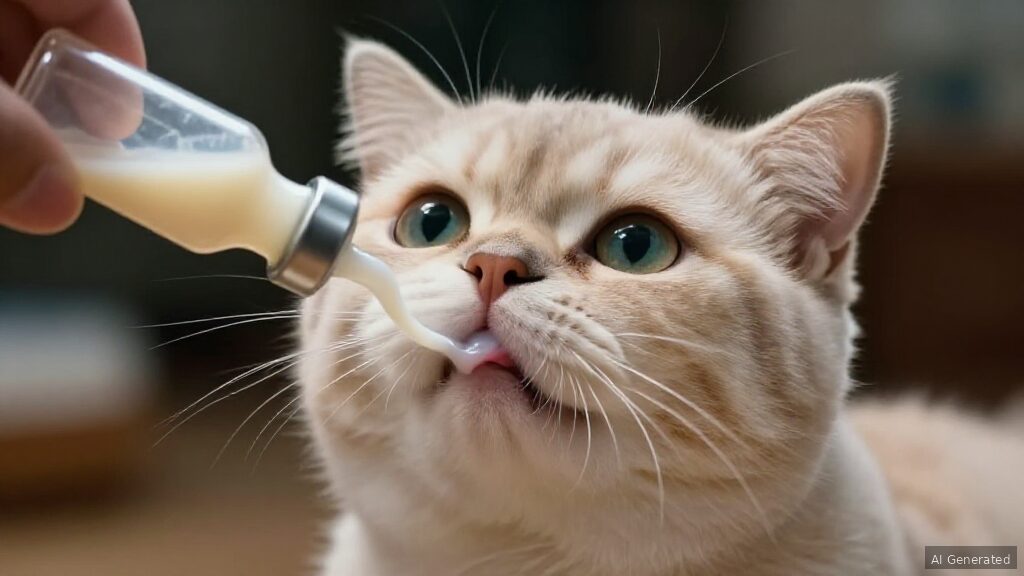
Problems and Causes of Low Veterinary Prescription Compliance
When a veterinarian’s prescription is not fully followed at home, it can lead to reduced treatment effectiveness as well as physical and psychological harm to the cat. In the field of veterinary medicine, patient treatment compliance (Compliance) is cited as one of the most important factors determining the success or failure of treatment. This goes beyond the simple issue of making the cat take medicine and affects the trust relationship between the guardian and the cat.
Physical Stress Caused by Forcing Medication on Cats
Cats are a species that defends their territory or expresses fear by attacking or biting others. The act of a guardian holding the cat’s head and forcibly opening its mouth to insert medicine is perceived as an extreme threat by the cat. This physical coercion excessively stimulates the cat’s sympathetic nervous system, causing a rapid rise in stress hormone levels such as cortisol. According to research, in a state of chronic stress, immune system function is weakened, reducing drug absorption rates, and increasing the risk of infection worsening or new complications occurring.
Specifically, if a cat trembles with fear and tenses its mouth muscles, blood flow to the oral mucosa may decrease, slowing down drug absorption in the body. Furthermore, if attempts to force-feed are repeated, the cat may start to immediately run away or attack with a bite at the moment the mouth is touched, frequently causing accidents where the guardian gets injured or the cat’s teeth are damaged. This means it can lead to a more serious physical trauma than simply not giving the medicine.
Guardian Psychology and Inefficiency of the Treatment Process
From the guardian’s perspective, the process of catching the cat consumes a lot of time and physical energy and can be mentally exhausting. Especially late at night or when the guardian is tired, they often try hard to feed the medicine but eventually give up, or end up treating the cat with an annoyed tone. This is a major cause of breaking the balance of the ‘Guardian – Cat’ relationship, and as a result, guardians feel “It’s too hard to make the cat take medicine.”
From a veterinary perspective, it is a well-known fact that the guardian’s stress transfers to the cat. A cat that detects an anxious or irritable atmosphere from the guardian receives even greater stress and loses the concentration needed for treatment. Additionally, the repetitive process of failing to force-feed medicine at the same time every day disrupts the treatment schedule, making it difficult to maintain the correct dosage during the prescribed treatment period, resulting in an unnecessarily long treatment duration or increased costs.
| Situation | Medication Administration Method | Cat Reaction | Treatment Outcome Prediction |
|---|---|---|---|
| Regular Medicine | Forced Oral Insertion | Aggression, Running Away, Extreme Stress | Reduced Absorption, Deteriorated Relationship |
| Lickable Pet Milk | Feeding as a Delicious Liquid Form | Curiosity, Natural Consumption | Perfect Compliance, Minimized Stress |
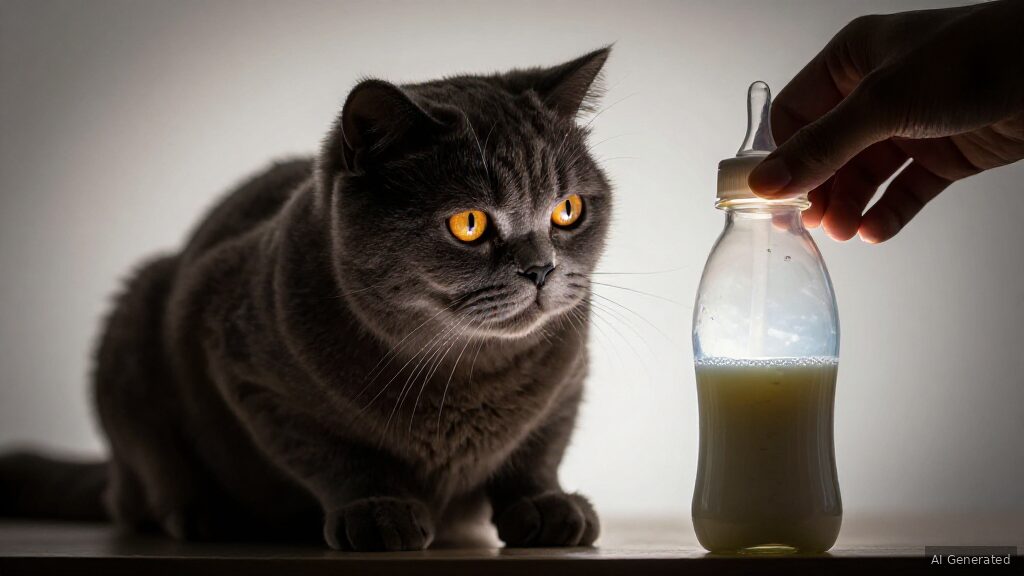
Scientific Evidence of How Lickable Pet Milk Improves Veterinary Prescription Compliance
Regular cat medicines are made in capsule or tablet form, and to feed them, the cat’s mouth must be forcibly opened. However, the ‘lickable pet milk’ drug formulation has completely revolutionized this process. This goes beyond simply giving a snack to coat the medicine; it is the crystallization of the latest veterinary pharmaceutical technology that considers both the physical properties of the medicine and the cat’s consumption behavior simultaneously.
Design Aligned with Cat’s Instinctive Consumption Patterns
Cats tend to prefer liquids or soft-textured foods. Pet milk utilizes this instinct by providing medicine in liquid form, allowing the cat to consume it through natural food behavior (Drinking Behavior). In other words, since it is perceived as a “delicious drink” or “snack” rather than “medicine,” the cat does not need to activate its defense mechanism. From an ethological perspective, this is a very effective method that naturally induces therapeutic behavior without interfering with the cat’s decision-making process.
Specifically, pet milk is designed to be consumed by the cat using its tongue to suck up liquid (Licking). In this process, the cat can relax its mouth muscles, and the medicine moves quickly to the stomach, maximizing absorption efficiency in the body. Additionally, the concentration and viscosity of pet milk are sufficient to stimulate the cat’s appetite, saving the guardian the time of forcing the cat to sit or catch it to feed the medicine.
Precise Dosage Control and Medication Safety
One of the problems with veterinary prescription compliance is that guardians find it difficult to maintain the correct dosage of the medicine. Especially with liquid medicines, confusion or measurement errors can occur when administering directly via injection or food. Lickable pet milk is generally provided in predetermined dosage units, and the amount contained in each capsule or bottle is precisely calculated according to the cat’s weight and dosage.
This design greatly reduces the risk of misuse or overdose because the guardian does not need to measure separately; they just need to give the provided product to the cat. Additionally, since the medicine is provided in the form of pet milk with taste and aroma, cases where the cat refuses to consume it, vomits, or keeps it in its mouth are significantly reduced. This is a critical factor in increasing the probability that the medicine reaches the stomach and exerts its therapeutic effect.
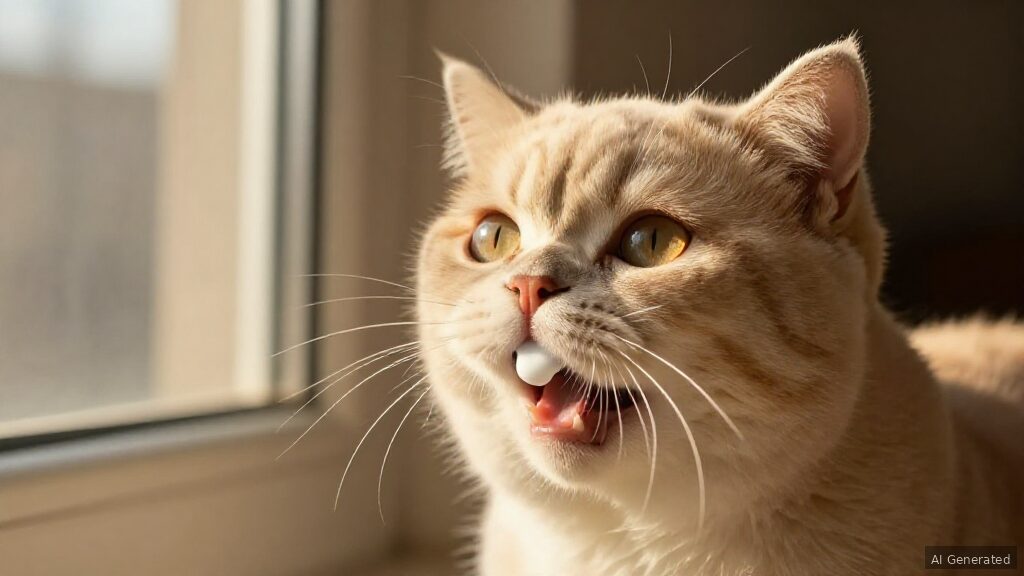
Process and Precautions for Switching Veterinary Prescribed Medication to Pet Milk
Even if the prescribed medicine from the veterinarian is in solid form (capsules, tablets), there are often cases where it can be switched to pet milk form or administered using pet milk depending on the guardian’s situation. However, not all medicines can be converted to pet milk, so it is essential to consult with a veterinarian to check the chemical properties and stability of the specific medicine. Following the correct procedure can increase the cat’s treatment effectiveness while preventing side effects.
Consultation with Veterinarian and Product Selection Stage
After receiving a prescription, you must ask the veterinarian, “Is it possible to use medicine in pet milk form if it is difficult to feed at home?” Some antibiotics or sedatives may lose their effectiveness or become toxic due to chemical reactions with pet milk, so they should not be arbitrarily modified without professional instruction. Additionally, among the pet milk products sold, there are safe products containing only ingredients verified by veterinary medicine, which are designed to be compatible with prescription medications and distinguished from regular treats.
When selecting a product, you must consider the cat’s current health status (allergies, digestive disorders, etc.) and the medicine’s ingredients. For example, a cat with kidney disease may need to avoid pet milk with high electrolyte content. Therefore, the safest and most reasonable method for guardians is to inform the veterinarian of their cat’s specific medical history, reconfirm the compatibility of the recommended product and medicine, and then purchase.
Safe Feeding Methods and Observation Points
When administering medicine in pet milk form, the most important thing is to induce the cat to eat ‘naturally’. Do not catch the cat or force it to push the medicine in. Instead, sprinkle a little pet milk on your hand or food bowl, or put it in a bottle and feed it naturally. Observe while the cat licks, and check if the medicine is being absorbed into the body without staying in the mouth.
Even after feeding, you must carefully observe the cat’s reaction (vomiting, diarrhea, lethargy, etc.). Although pet milk itself is less likely to cause digestive disorders, indigestion or allergic reactions may occur depending on individual constitutions, so it is best to start with a small amount to check the reaction. If abnormal symptoms appear, stop administration immediately and contact the veterinarian.
- Pre-surgery Consultation: Always consult with a veterinarian before deciding whether to switch prescription medication to pet milk.
- Product Verification: Use pet milk products verified by veterinary medicine, not regular treats, for safety.
- Reaction Monitoring: Carefully observe changes in the cat’s condition within 24 hours after feeding.
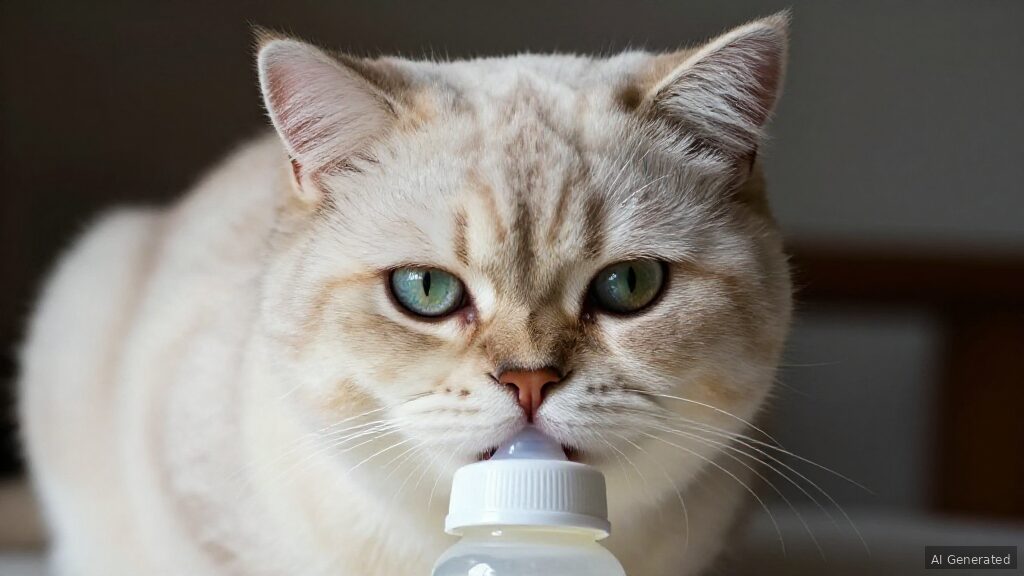
Pet Milk Selection Guide Based on Cat’s Age and Personality
Cats are divided into kittens (infancy), adult cats (adulthood), and seniors (old age), and their appetite and health status differ at each stage. Additionally, depending on their personality, active cats and shy cats show completely different reactions to medication administration. Therefore, guardians must carefully adjust the type of pet milk and feeding method according to the individual characteristics of their cat.
Differences Between Kittens and Adult Cats
Kittens are in their growth stage, so nutrient supply is very important, and giving medicine can become a cause of appetite loss. Pet milk for kittens has high calcium and protein content essential for growth, and the medicine’s taste must be well masked. On the other hand, adult cats have stopped growing and focus on weight maintenance, so pet milk with appropriately controlled calories is needed. Especially among adult cats, chronic diseases (diabetes, kidney disease, etc.) can easily occur, so prescription pet milk suitable for the specific disease must be selected.
Cats with an active personality may enjoy taking medicine, but they easily lose their appetite when stressed. In this case, it is best to choose pet milk that does not have a very strong medicine taste and has a flavor familiar to the cat. On the other hand, for adult cats with a shy or aggressive personality, the process of giving medicine itself can become a huge stress. In this case, guardians should create an environment (lighting, sound, etc.) that makes the cat feel comfortable and approach slowly so the cat does not feel threatened when feeding pet milk.
Seniors and Special Situation Responses
Senior cats have poor dental health and find it difficult to chew hard food or capsules. Pet milk is a very ideal choice for them. Since pet milk is in liquid form, it does not require chewing, and cats with weak teeth can consume it softly. Additionally, senior cats may experience weight loss or dehydration symptoms due to age-related diseases, so they can replenish both moisture and nutrients through pet milk.
Special situations include cats with dental diseases or oral inflammation. In these cases, they often refuse to take medicine due to oral pain. Pet milk contributes to reducing the cat’s dissatisfaction and increasing treatment effects by supplying medicine in a way that causes less pain. Guardians should check the cat’s dental condition and carefully observe when feeding pet milk to ensure the cat does not feel discomfort in its mouth.
| Cat Type | Characteristics | Recommended Pet Milk Features | Precautions |
|---|---|---|---|
| Kitten | Growing, High Appetite | High Nutrient Content, Strong Taste | Prevent Overconsumption |
| Adult (Active) | Stress Sensitive | Familiar Taste, Fast Absorption | No Forcing |
| Senior | Weak Teeth, Dehydration Risk | Soft Texture, High Moisture Content | Check for Allergies |
Advanced Information: Pet Milk Management Tips and Solutions for Common Mistakes Guardians Should Know
Using pet milk to increase veterinary prescription compliance is not just about giving the product. Guardians must properly manage pet milk and avoid common mistakes to provide practical help to the cat’s health. Below, we provide advanced information useful for both beginners and experienced guardians.
Importance of Storage Methods and Expiration Date Checks
Pet milk generally requires refrigeration and must be consumed within a short time after opening. This is an essential procedure to maintain drug stability. Guardians must store pet milk in a dedicated compartment in the refrigerator and always check the usage period after opening. If not stored in the refrigerator or used past the expiration date, the drug’s ingredients may decompose, reducing therapeutic effectiveness, or even infect the cat.
Additionally, if the color or smell of the pet milk changes, it must be discarded immediately. This may indicate oxidation or contamination during storage, and it should never be fed to the cat for its safety. Guardians should develop the habit of checking the pet milk status daily and adjust the amount according to the usage plan.
Common Mistakes and Correct Solutions
Many guardians make mistakes by trying to feed pet milk directly and having the cat refuse, or conversely, trying to feed too much and causing the cat to lose its appetite. The correct method is to adjust the amount while observing the cat’s reaction when feeding pet milk. It is best to start with a small amount initially and gradually increase the amount if the cat likes it. Additionally, it may be more effective to put pet milk in a dedicated bowl rather than mixing it with other foods.
Another mistake is that the cat drinks too much water and becomes dehydrated, or conversely, eats only pet milk and loses other nutrients. Therefore, even when giving pet milk, you must observe the cat’s overall appetite and water intake. If the cat does not eat any other food besides pet milk, you should consult a veterinarian to consider additional supplements.
Monitoring Cat’s Mood and Behavioral Changes
After starting to feed pet milk, you must consistently observe if the cat’s mood has improved, if activity levels have increased, and if sleep patterns are normal. This is an important indicator for judging whether the medicine is working or if there is another problem. If the cat seems happier after eating pet milk, or if it seems stressed, it is necessary to try changing the feeding method or product type.
Guardians must carefully observe to not miss subtle behavioral changes in the cat. For example, if the cat’s eye contact or posture changes before and after eating pet milk, this could be a side effect of the medicine. Through such observations, guardians can provide specific information when communicating with the veterinarian and manage the cat’s health more effectively.
Practical Application Guide: Action Checklist You Can Start Today
Based on the content so far, we present specific action guidelines that guardians can practice immediately today. Through this checklist, guardians can effectively utilize pet milk to increase the cat’s treatment effectiveness and strengthen the relationship with the cat.
- Veterinarian Consultation and Product Selection (Estimated Time: 10 minutes)
- Required Items: Prescription, Veterinarian Contact Info, Pet Milk Product List
- Expected Effect: Secure safe administration method, Verify product compatibility
- Action Guidelines: Bring the prescription to the veterinarian and definitely ask about “Whether pet milk can be used if it is difficult to feed at home.” Purchase the recommended product and compare its ingredients with the cat’s current condition.
- Storage and Preparation Environment Setup (Estimated Time: 5 minutes)
- Required Items: Pet milk, Dedicated bowl, Refrigerator
- Expected Effect: Ensure drug stability, Increase feeding convenience
- Action Guidelines: Store pet milk in the refrigerator and take it out immediately for use when feeding. Wash the bowl thoroughly before use to maintain hygiene.
- Cat Observation During Feeding (Estimated Time: 5 minutes)
- Required Items: Pet milk, Quiet space
- Expected Effect: Minimize stress, Induce natural consumption
- Action Guidelines: Do not catch the cat; sprinkle or put pet milk nearby. Observe the cat licking and do not force it to push it in.
- Reaction Monitoring and Recording (Estimated Time: 5 minutes daily)
- Required Items: Notepad, Smartphone
- Expected Effect: Track treatment effects, Early detection of abnormal signs
- Action Guidelines: Record the cat’s condition (appetite, constipation, vomiting, etc.) within 24 hours after feeding. Organize it so you can convey it to the veterinarian.
- Nutritional Balance Check (Estimated Time: 5 minutes)
- Required Items: Cat’s main food, Pet milk
- Expected Effect: Prevent excessive calorie intake, Maintain nutritional balance
- Action Guidelines: Adjust the amount of other food when feeding pet milk. Pet milk should not become the main food; use it as a supplementary nutrient source.
- Relationship Strengthening Activity (Estimated Time: 5 minutes)
- Required Items: Toys, Pet milk
- Expected Effect: Strengthen bond with cat, Relieve stress
- Action Guidelines: Praise the cat after feeding pet milk and have a light play session. This helps turn the medication administration process into a pleasant experience.
Frequently Asked Questions (FAQ)
Q1. Is feeding pet milk safer than giving regular medicine?
Yes, feeding pet milk is much safer and more effective than forcibly giving regular medicine. When forcing medicine, if the cat tenses its mouth muscles and gets stressed, drug absorption in the body may slow down, or side effects may occur. On the other hand, since pet milk is consumed naturally by the cat licking, stress is low, and the medicine moves quickly to the stomach, maximizing therapeutic effects. Additionally, guardians can safely give medicine without forcibly catching the cat, which is advantageous for accident prevention.
However, there are points to be careful about when using pet milk. Pet milk must be a product verified by veterinary medicine, not a regular treat, and you must consult a veterinarian to ensure it is compatible with the cat’s current health status. If you follow the correct usage method and consistently observe the cat’s reaction, pet milk will become one of the safest and most effective drug administration methods for your cat.
Q2. How is pet milk different from regular treats?
Regular treats often contain high calories or artificial sweeteners to stimulate the cat’s appetite and are mainly intended for fun rather than health. On the other hand, pet milk is designed using only ingredients verified by veterinary medicine to enhance drug effectiveness without harming the cat’s health. Especially, pet milk masks the taste and aroma of the medicine to reduce resistance and plays a role in supplementing necessary nutrients (vitamins, minerals, etc.).
Additionally, since pet milk is in liquid form, it does not irritate the cat’s mouth and esophagus and is quickly absorbed by the stomach. This is essential for increasing therapeutic effects without burdening the cat’s digestive organs. Therefore, pet milk can be seen not as a simple treat, but as an essential tool to effectively implement the veterinarian’s prescription.
Q3. Can all medicines be converted to pet milk?
No, not all medicines can be converted or are compatible with pet milk. Depending on the chemical properties of the medicine, there are many cases where effectiveness decreases or toxicity occurs due to reaction with pet milk. Therefore, it is dangerous for guardians to arbitrarily mix medicine with pet milk, and you must consult a veterinarian to confirm if the specific medicine is compatible with pet milk.
Veterinarians suggest safe combinations considering the cat’s disease type, prescription medicine ingredients, and the chemical properties of pet milk. For example, some antibiotics or sedatives can be administered with pet milk, but other medicines may need to be avoided. Guardians must follow the veterinarian’s instructions and use only recommended products to ensure safety.
Q4. What should I do if the cat does not eat pet milk?
If the cat does not eat pet milk, there may be several reasons. First, the taste or aroma of the pet milk may cause resistance in the cat, the feeding method may make the cat uncomfortable, or the cat may have no appetite due to a current illness. In this case, guardians should first check the cat’s mood and try changing the environment or method when feeding pet milk.
Specifically, it is best to try changing the type of pet milk or the feeding time. Additionally, if the cat is too tired or anxious, you should first make the cat feel comfortable. If it still does not eat, the safest and most effective option is to contact the veterinarian to consult on other administration methods or product changes.
Q5. What should I be careful about when feeding pet milk?
When feeding pet milk, the first thing to check is the storage condition. Pet milk requires refrigeration and must be consumed within a short time after opening. Additionally, if the color or smell changes, it should never be fed, and the expiration date must be checked. Guardians must carefully check the product before feeding pet milk to ensure the cat’s safety.
Additionally, when feeding pet milk, you must not forcibly catch or push the cat. If the cat gets stressed, drug absorption may decrease, and it may experience trauma instead. It is important to induce natural licking behavior and carefully observe the cat’s reaction. If abnormal symptoms appear, you must consult a veterinarian immediately.
Q6. Are there side effects when feeding pet milk?
Pet milk is a product verified by veterinary medicine, and generally has few side effects. However, indigestion or allergic reactions (rash, itching, etc.) may occur depending on individual constitutions. Especially when feeding for the first time, it is important to start with a small amount and watch the cat’s reaction.
If the cat shows abnormal symptoms such as vomiting, diarrhea, or lethargy, stop feeding pet milk immediately and contact a veterinarian. This could be a problem with the pet milk itself or another health issue, so professional diagnosis is essential. Guardians should always carefully observe the cat’s condition and take immediate action if abnormal signs are detected.
Conclusion
If administering medication at home is difficult even after receiving a prescription from a veterinarian, lickable pet milk can be the solution. This article presented specific methods that guardians can use correctly, along with scientific evidence that pet milk reduces cat stress and increases treatment effectiveness. Guardians can protect their cat’s health and strengthen the relationship with the cat based on this information.
If you can read even small changes in the cat, you don’t have to suffer from forcibly feeding medicine anymore. Start using pet milk today to create a safe treatment environment for your cat. Check for more cat behavior enrichment information at PlayCat (playcat.xyz).
This content was written using AI technology. Please consult a veterinarian for medical-related information.