


Cat Behavioral Enrichment and Wooden Furniture: Methods to Reduce Stress and Enhance Cognitive Abilities
In the limited spaces of modern apartment living, cats naturally struggle to obtain rich environmental stimulation, making them prone to stress and behavioral issues. This article presents practical methods to satisfy a cat’s natural instincts and resolve social behavioral problems through the use of wooden furniture, prepared by the expert content team at PlayCat (플레이캣). Readers can understand the core principles of cat behavioral enrichment (Environmental Enrichment) and establish wooden furniture not merely as decor, but as an essential tool responsible for their cat’s mental health, thereby improving their lifestyle. Specifically, by confirming the psychological comfort provided by the structural stability of wooden furniture and the resulting improvement in sleep patterns, this guide offers concrete ways to enhance the quality of life for both the cat and the owner.
The Concept of Cat Behavioral Enrichment and the Core Role of Wooden Furniture
The Discrepancy Between Cats’ Instinctual Needs and Modern Living Environments
Cats are animals with instincts similar to nocturnal predators; repeating the hunting cycle (Cycle of Predation) of hunting, capturing, eating, and killing is essential for their biological health and mental satisfaction. However, cats accustomed to indoor life lack the environment to fulfill this hunting cycle, and frustration can lead to problematic behaviors such as excessive noise, destructive actions, or aggression. According to animal behavior studies, cats spend over 50% of their day sleeping, and poor sleep quality during this time can exacerbate hypersensitivity and anxiety during waking hours. Furthermore, as territorial animals, cats defend their territory and gain a sense of security through scent and visual stimuli; in narrow spaces, these behaviors are inevitably suppressed.
In this context, wooden furniture functions as a core medium that fulfills a cat’s instincts beyond just being a resting space. Wood naturally induces a cat’s instinctive behaviors of scratching, hiding, and observing, and this process has the effect of lowering cortisol levels, a stress hormone. The wooden materials used in PlayCat furniture stimulate a cat’s paw pads through the wear and tear of the soft wood surface, leading to whole-body muscle relaxation and having a positive impact on joint health. Additionally, the texture of the wood plays a decisive role in forming a ‘safe zone’ for the cat, serving as a crucial stabilizer, especially for cats with aggressive tendencies.
Definition and Goals of Behavioral Enrichment (Environmental Enrichment)
Cat behavioral enrichment is a systematic approach that encourages a cat’s natural behavioral patterns and diversifies environmental factors to enhance psychological and physical health. It goes beyond simply throwing toys; it is a process that induces a cat to solve problems on its own, learn new skills, and actively explore its surroundings. PlayCat’s wooden furniture corresponds to ‘Structural Enrichment,’ an important element of behavioral enrichment, which means enabling a cat to perform various behaviors through physical structures.
Specifically, the goals of behavioral enrichment are as follows: First, inducing excessive energy expenditure to reduce destructive behavior; Second, stress relief and anxiety reduction; Third, maintenance and improvement of cognitive abilities. Studies show that cats provided with sufficient behavioral enrichment exhibit a reduced frequency of behavioral problems, which is one of the preventive management methods recommended by veterinarians. Furthermore, the various structures of wooden furniture (multi-level, tunnels, hiding spaces) stimulate a cat’s motor skills and spatial awareness, contributing to preventing cognitive decline in senior cats. Considering these points, wooden furniture should be regarded not as a simple purchase, but as an essential investment for a cat’s health throughout its life.
Psychological Stabilizing Effects of Wood Materials and Nervous System Responses
The psychological stabilizing effect of wood on cats occurs through the complex interaction of visual, olfactory, and tactile elements. Visually, the natural color and texture of the wood make cats feel comfortable in their eyes, making them less threatening than artificial plastic or metal structures that can trigger aggressive eye contact. Olfactorily, the subtle wood scent of wooden furniture stimulates a cat’s olfactory receptors, providing a sense of security and helping to expand the cat’s familiar scent territory. In particular, the wood used in PlayCat furniture is made of natural materials, free from chemicals or artificial fragrances, which is directly related to a cat’s respiratory health.
Tactile elements are the greatest strength of wooden furniture. The wood surface provides friction when scratching or climbing, giving cats pleasure. In this process, cats secrete oxytocin, a happiness hormone, from their endocrine glands to relieve stress. Animal behavior experts explain that a cat’s act of scratching wood is not just about sharpening claws, but a complex behavior that marks territory while simultaneously relaxing a tense nervous system. Additionally, the curves and rounded edges of wooden furniture provide a safe space for cats to hide, helping shy cats block exposure to external stimuli and build confidence.

Space Design Principles Cat Owners Must Know
Spatial Analysis from the Cat’s Perspective (Cat’s Eye View)
The most important first step in designing a safe space for a cat is viewing the space from the ‘cat’s perspective.’ While humans value vertical height, cats prefer horizontal movement and securing hiding spots. Therefore, wooden furniture should be arranged so that there are not many structures visible when a cat looks up from the floor. In particular, the height difference between levels of wooden furniture should be adjusted so that it is low enough for the cat to easily jump up, or high enough not to feel dangerous. PlayCat’s furniture installation maintains an appropriate height so that cats can comfortably climb each level, providing them with psychological security.
Additionally, it is essential to secure a position where the cat can see out the window or view the outside scenery from the cat’s perspective. Cats simulate prey by observing movement outside the window, which increases their psychological satisfaction. Placing wooden furniture near the window or installing it close to the window gives the cat a feeling of connection with the outside world, reducing the feeling of restriction in indoor life. Furthermore, analyzing blind spots in the space is important to secure hiding spaces for the cat. Since cats always live while monitoring their surroundings, they can gain psychological security only if there are spaces to hide between or behind wooden furniture.
Safe Structure Placement and Removal of Hazardous Elements
When placing wooden furniture in the home, care must be taken to prevent the cat from falling or bumping into things. In particular, wooden furniture installed on high levels should be designed with a sufficiently wide and flat base below to minimize impact in case of a fall. PlayCat’s wooden furniture is structured so that each level becomes wider towards the bottom, allowing cats to stretch their bodies safely even on high levels. Additionally, the distance between furniture should be set narrowly, around 10-15cm, to be utilized as a narrow passage for the cat, ensuring they do not touch walls or other objects while moving.
To remove hazardous elements, it is necessary to check if all corners of the furniture are rounded, and it is advisable not to install them in areas where noise generation is a concern or where they are directly exposed to sunlight. Fixing the wooden furniture to the floor to ensure the material is sturdy and does not shake is also an essential element for safety. If the entire furniture shakes when a cat jumps on it, the cat may feel insecurity and stop using it, or accidents may occur. Additionally, it is important to check that electrical wires or cables are not exposed near the wooden furniture, which is crucial for preventing accidents caused by the cat biting and tearing them.
Zone Division (Zoning) and Consideration of Cat Behavioral Patterns
Dividing the house into multiple zones and placing wooden furniture is essential for understanding cat behavioral patterns. Cats defend their territory and perform different behaviors in each zone. For example, wooden furniture should be placed in a quiet area for one zone for rest and sleep, and in an active area for another zone for play and hunting. This helps the cat perform appropriate behaviors in each zone and is effective in preventing territorial disputes.
Furthermore, zone division should be applied differently depending on the cat’s personality. Active cats prefer spacious areas and high wooden furniture, while shy cats prefer wooden furniture with many hiding spots. Therefore, it is important to analyze the home space, separate the areas needed by each cat, and appropriately place wooden furniture to create an optimized environment for the cat. Through this, the cat can move freely in each zone and live healthily without stress.
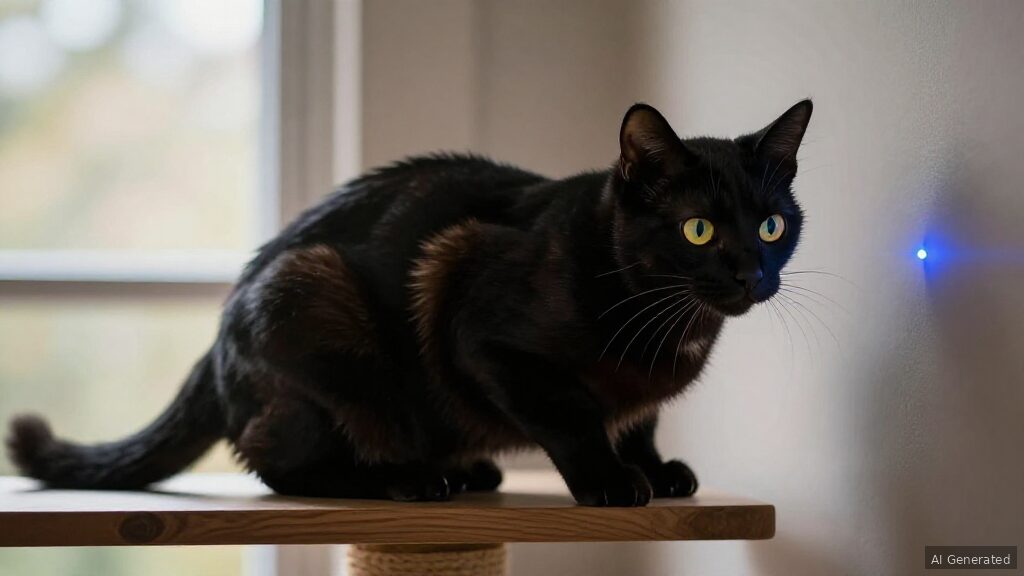
Stress Relief and Behavioral Correction Through Wooden Furniture Utilization
Analysis of Causes of Aggression and Destructive Behavior and Wooden Furniture Solutions
A cat’s aggression and destructive behavior mostly stem from stress, anxiety, or unfulfilled instinctual needs. In particular, utilizing wooden furniture can effectively correct these problematic behaviors. A cat’s act of scratching walls or sofas is part of claw maintenance, territory marking, and stress relief. PlayCat’s wooden furniture provides an appropriate space for the cat to sharpen its claws, naturally replacing the act of scratching walls or sofas. This has a dual effect of satisfying the cat’s instincts while protecting the home.
Additionally, aggression often manifests as an excessive reaction to specific stimuli, which can stem from a lack of environmental stimulation. By enabling the cat to perform various behaviors through wooden furniture, stimuli that trigger aggression can be reduced, and positive behaviors can be induced instead. For example, when a cat climbs to a high level of wooden furniture, it safely observes from a high place, which helps suppress aggressive behavior. Furthermore, utilizing the hiding spots of wooden furniture allows the cat to hide when stressed, reducing aggression and gaining a sense of security.
Hyperactivity and Improvement of Sleep Patterns
Hyperactivity is a phenomenon that occurs when a cat does not expend enough energy or is caused by stress. This can lead to excessive activity during the day and sleep disorders at night. Utilizing wooden furniture can naturally resolve hyperactivity by inducing various behaviors for the cat to expend energy. PlayCat’s wooden furniture is structured to allow cats to jump up and down, hide, and perform various other behaviors, effectively expending the cat’s energy.
Additionally, a cat’s sleep patterns can be improved through wooden furniture. Cats must sleep sufficiently during the day, and utilizing the comfortable levels or hiding spots of wooden furniture allows the cat to sleep stably. This helps reduce hypersensitivity during the day and prevent sleep disorders at night. Furthermore, the structural stability of wooden furniture improves the cat’s sleep quality, which is directly related to strengthening the cat’s immunity.
Methods to Relieve Anxiety and Separation Anxiety
Separation anxiety is a state of psychological anxiety that occurs when a cat is separated from its owner, manifesting as crying, destructive behavior, or excessive licking. Wooden furniture helps the cat secure a safe zone even when the owner is absent, playing a major role in resolving separation anxiety. PlayCat’s wooden furniture provides spaces for the cat to hide and positions near windows for observation, allowing the cat to maintain psychological security even when the owner is not present.
Additionally, fulfilling a cat’s instinctual behaviors through wooden furniture reduces stress caused by separation anxiety. For example, when a cat climbs to a high level of wooden furniture, it safely observes the owner from a high place, which increases trust in the owner. Furthermore, utilizing the hiding spots of wooden furniture allows the cat to hide when stressed, preventing destructive behavior caused by separation anxiety.
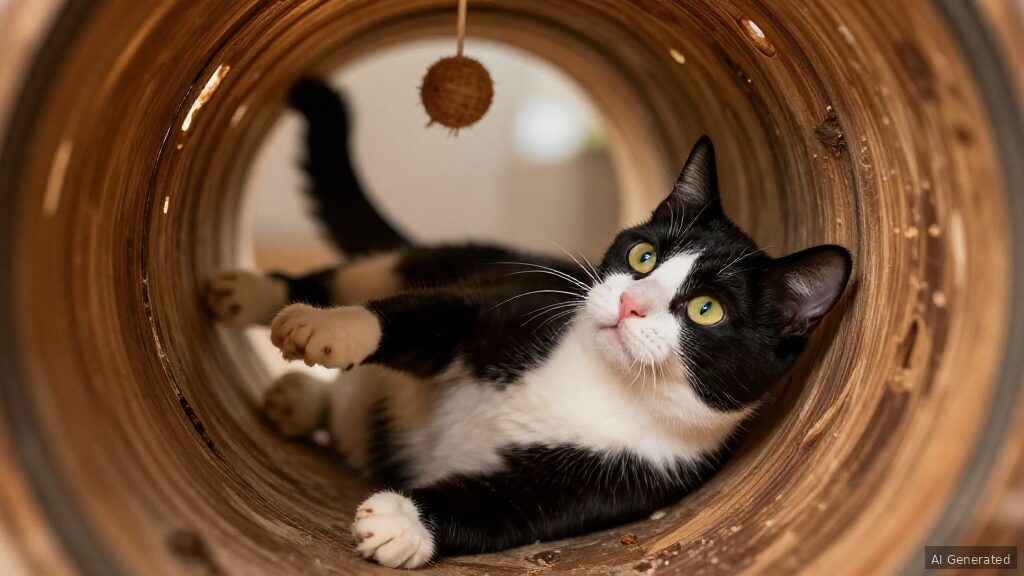
Precautions and Mistake Prevention Guide for Cat Behavioral Correction
Risks of Forced Behavioral Correction and Natural Induction Methods
The most important thing when correcting a cat’s behavior is to avoid ‘force.’ Cats do not learn through forced training or punishment; instead, they may receive stress, worsening behavioral problems. Utilizing PlayCat’s wooden furniture can create an environment where the cat can voluntarily correct its behavior. For example, when a cat climbs to a high level of wooden furniture, it naturally observes safely from a high place, which helps suppress aggressive behavior.
Additionally, a cat’s behavioral correction should be achieved through positive reinforcement. It is good to give treats or praise when the cat uses the wooden furniture correctly to induce a positive response. This induces the cat to naturally utilize the wooden furniture and enhances the effectiveness of behavioral correction. Furthermore, behavioral correction methods should be applied differently according to the cat’s temperament and age, and especially for senior cats or shy cats, behavior should be induced more slowly.
Points to Note When Improperly Using Wooden Furniture
If wooden furniture is misplaced or used incorrectly, it can actually worsen the cat’s behavioral problems. For example, if the height of the wooden furniture is too high or there are too many narrow passages, the cat may feel danger and stop using it, or accidents may occur. Therefore, the height of the wooden furniture should be adjusted appropriately so that the cat can easily climb up, and the width of the passage should be set wide enough for the cat’s body to pass through comfortably.
Additionally, the material and structure of the wooden furniture must ensure the cat’s safety. For example, each level of the wooden furniture should be sufficiently wide and flat so that the cat can stretch its body safely, and the entire furniture must be fixed to the floor so that it does not shake. Additionally, it is important to check that electrical wires or cables are not exposed near the wooden furniture, which is crucial for preventing accidents caused by the cat biting and tearing them.
Owner’s Attitude and Approach During Behavioral Correction
The owner’s attitude is very important during cat behavioral correction. The owner should approach with an attitude of understanding and empathy for the cat’s behavior and take care not to cause stress to the cat. For example, when the cat does not use the wooden furniture, it should not be forced or passively guided, but approached in a way that makes the cat feel the appeal of the wooden furniture.
Additionally, behavioral correction methods should be applied differently according to the cat’s temperament and age. Active cats prefer spacious areas and high wooden furniture, while shy cats prefer wooden furniture with many hiding spots. Therefore, it is important to analyze the home space, separate the areas needed by each cat, and appropriately place wooden furniture to create an optimized environment for the cat. Through this, the cat can move freely in each zone and live healthily without stress.
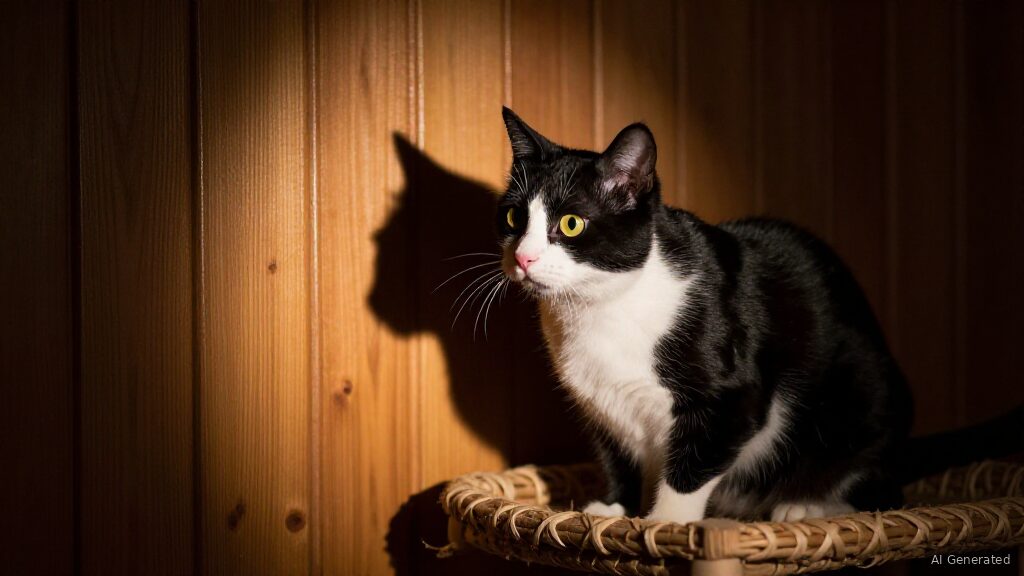
Advanced Information: Additional Tips and Mistake Solutions for Successful Cat Behavioral Correction
Cat behavioral correction is not just about installing wooden furniture; it is a process that requires continuous observation and adjustment. First, the cat’s behavior should be recorded daily to analyze which behaviors are related to the use of wooden furniture. For example, recording whether the cat frequently uses the wooden furniture at certain times or shows aggression in response to specific stimuli can help set the direction for behavioral correction.
Additionally, it is good to periodically change the placement and structure of the wooden furniture to provide new stimuli to the cat. Since cats lose interest when they become familiar with repetitive environments, the cat’s attention should be induced by moving the levels of the wooden furniture or adding new toys. Furthermore, it is important to provide different types and structures of wooden furniture according to the cat’s temperament and age. For example, senior cats or cats with weak joints prefer lower levels or softer wooden furniture, while active cats prefer higher levels or spacious wooden furniture.
A common mistake during behavioral correction is attempting to forcibly correct the cat’s behavior. This can actually increase the cat’s stress and worsen behavioral problems, so it should be avoided. Instead, it is good to naturally induce the cat to correct its behavior by providing positive stimuli. For example, when a cat climbs to a high level of wooden furniture, it naturally observes safely from a high place, which helps suppress aggressive behavior.
Additionally, the material and structure of the wooden furniture must ensure the cat’s safety. For example, each level of the wooden furniture should be sufficiently wide and flat so that the cat can stretch its body safely, and the entire furniture must be fixed to the floor so that it does not shake. Additionally, it is important to check that electrical wires or cables are not exposed near the wooden furniture, which is crucial for preventing accidents caused by the cat biting and tearing them. By carefully managing these details, the effectiveness of cat behavioral correction through wooden furniture can be maximized.
Practical Application Guide: Cat Behavioral Correction Checklist to Apply Starting Today
1. Wooden Furniture Placement and Safety Check: After analyzing the home space, appropriately place the wooden furniture and check the safety of all levels and passages. (Estimated time: 30 minutes, Required items: Tape measure, fixing tools, Expected effect: Ensuring cat movement safety)
2. Selecting Wooden Furniture According to Cat’s Temperament: Select appropriate wooden furniture considering the cat’s temperament (active/shy) and age. (Estimated time: 15 minutes, Required items: PlayCat wooden furniture product catalog, Expected effect: Improvement in cat’s psychological security)
3. Inducing Wooden Furniture Utilization: Induce the cat to naturally utilize the wooden furniture using treats or toys. (Estimated time: 10 minutes, Required items: Treats, toys, Expected effect: Increased frequency of wooden furniture use)
4. Cat Behavior Observation and Recording: Record the cat’s wooden furniture usage patterns and behavioral changes daily. (Estimated time: 5 minutes, Required items: Diary or mobile app, Expected effect: Setting behavioral correction direction)
5. Adjusting Wooden Furniture Structure and Placement: Adjust the levels or passages of the wooden furniture according to the cat’s reaction. (Estimated time: 20 minutes, Required items: Wooden furniture assembly tools, Expected effect: Maximizing cat behavioral correction effects)
6. Anxiety Relief and Zone Separation: Utilize wooden furniture to provide a safe hiding spot for the cat and separate zones. (Estimated time: 15 minutes, Required items: Wooden furniture, Expected effect: Reduction in separation anxiety and territorial disputes)
7. Regular Wooden Furniture Maintenance and Cleaning: Maintain the cleanliness of the wooden furniture and clean up the cat’s usage traces. (Estimated time: 10 minutes, Required items: Cloth, specialized cleaner, Expected effect: Maintaining hygiene and safety of wooden furniture)
FAQ (Frequently Asked Questions)
Q1. Why is it necessary to install wooden furniture?
Wooden furniture fulfills a cat’s instinctual needs (hunting, territory marking, rest), reducing stress and anxiety. Additionally, the structural stability of wooden furniture increases the cat’s psychological security, which is effective in preventing problematic behaviors such as aggression or destruction. Therefore, wooden furniture should be regarded not as simple decor, but as an essential item for a cat’s health.
Q2. How should I choose the type of wooden furniture?
The type of wooden furniture should be chosen according to the cat’s temperament and age. For example, active cats prefer wooden furniture with high levels or spacious areas, while shy cats prefer wooden furniture with many hiding spots. Additionally, senior cats or cats with weak joints prefer lower levels or softer wooden furniture, so it is good to consider these points and choose PlayCat’s wooden furniture.
Q3. What should I do if the cat does not use the wooden furniture even after installation?
If the cat does not use the wooden furniture, the placement or structure of the wooden furniture should be adjusted by analyzing the cat’s temperament and environmental factors. Additionally, the cat’s interest should be induced by using treats or toys to naturally utilize the wooden furniture, which is effective in inducing the cat’s interest. If the cat still does not use it, it is good to adjust the height of the wooden furniture or the width of the passages to increase the cat’s sense of security.
Q4. How do I maintain the cleanliness of the wooden furniture?
To maintain the cleanliness of the wooden furniture, it must be regularly wiped with a cloth to remove dust, and a specialized cleaner should be used to remove odors. Additionally, if wear marks caused by the cat’s claws appear, they should be wiped with a soft cloth, which helps extend the lifespan of the wooden furniture. Furthermore, it is important to periodically check each level and passage of the wooden furniture to maintain safety.
Q5. Can I reduce a cat’s aggression through wooden furniture?
Yes, wooden furniture fulfills a cat’s instinctual needs, reducing stress and anxiety. This is effective in reducing stimuli that trigger aggression and inducing positive behaviors instead. Additionally, utilizing the hiding spots of wooden furniture allows the cat to hide when stressed, reducing aggression and gaining a sense of security. Therefore, wooden furniture plays a major role in reducing a cat’s aggression.
Q6. Where is the best location to install wooden furniture?
The installation location of wooden furniture is good near a window where the cat can safely observe, or by placing them to divide each zone of the home space. Additionally, care must be taken so that the cat does not fall or bump when jumping, and it is important to check that electrical wires or cables are not exposed near the wooden furniture. By appropriately placing wooden furniture considering these points, the cat’s psychological security can be increased and safety guaranteed.
Conclusion
Cat behavioral enrichment and the utilization of wooden furniture are essential elements for a cat’s health and happiness. By learning methods to satisfy a cat’s instincts and reduce stress and anxiety through the structural stability, psychological stabilizing effects, and behavioral correction methods of the wooden furniture introduced in this article, try them out. Utilize PlayCat’s wooden furniture to enrich the cat’s life and strive for a healthy and happy life together for the cat and the owner.
Check more cat behavioral enrichment information at PlayCat (플레이캣)
This content was written using AI technology. Always consult a veterinarian for medical-related information.