


Are Cats Afraid of Certain Sounds? Signs of Stress and Solutions Owners Should Know
Many cat owners face a worrying problem: the inability to correctly identify stress or anxiety in their cat, which can end up harming the animal or affecting its health. In this article, we present how sounds that cats hate and environmental factors can trigger stress, as well as offer specific behavioral methods to prevent and manage this situation. Recently, in the field of feline welfare, there has been an emphasis on the importance of ‘environmental enrichment’ beyond simple care, focusing on the cat’s emotional stability. Through this article, we will help you understand the sounds your cat fears and relieve stress in the right way, allowing it to live a healthier and happier life.
Sounds that cats fear: which sounds are they sensitive to?
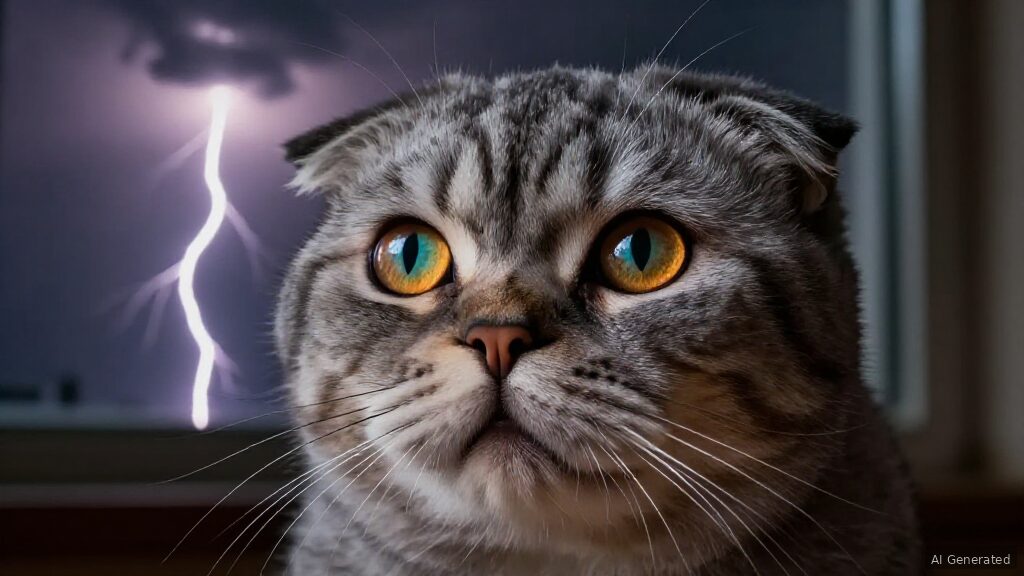
Cats are capable of hearing frequencies far beyond the human auditory spectrum. This is the result of an evolutionary instinct developed to avoid predators or capture smaller prey. However, this excellent hearing ability can actually cause great confusion for owners. This is because sounds we consider common in daily life can become extreme terror and threats for the cat. In particular, sudden loud noises, or continuous low-frequency sounds, can excessively activate the cat’s sympathetic nervous system, leading to long-term health problems such as cardiovascular diseases or reduced immunity.
1. Types of sounds cats hate and their causes
Sounds that cats fear can be divided into three main categories: sudden impact sounds, continuous mechanical sounds, and human voices or loud noises. First, sudden impact sounds are perceived by the cat as a sign of immediate threat. For example, a phone ringing suddenly, the strange sound of an elevator, or explosion-like noises can inhibit dopamine release in the cat and drastically raise cortisol levels (the stress hormone). According to studies, cats exposed to these sudden noises show a heart rate 30% to 40% higher than normal. Additionally, the human voice or conversations between owners can also be stress factors for shy cats. The cat may perceive this as an invasion of its territory, adopting a defensive posture or, in extreme cases, displaying aggression.
2. Understanding sound frequency and the cat’s auditory limits
A cat’s auditory spectrum is known to vary approximately from 48Hz to 85,000Hz, much wider than humans, who range from 20Hz to 20,000Hz. Therefore, high-frequency sounds almost inaudible to us or low-frequency vibrations we don’t perceive can be clearly identified by the cat. For example, the sound of an air conditioner or wind entering through window cracks, as well as the sound of car horns in the distance, are perceived by the cat with great sensitivity. If we do not consider these frequency differences when creating the home environment, the cat may suffer from chronic stress without even realizing it. In particular, low-frequency vibrations can be felt not just auditorily, but also through touch; the cat perceives even vibrations transmitted through the floor as stressful. Therefore, efforts to reduce household noise must go beyond simply lowering the volume, requiring a comprehensive approach that considers frequency characteristics.
3. Real cases: noises to avoid in apartment living
One of the biggest noise factors cats face in modern apartment life comes from elevator systems or plumbing in residential buildings. In particular, the ‘ding’ sound emitted when the elevator operates or the sound of elevator doors closing are known to be extremely unpleasant for many cats. Additionally, conversations from neighbors, TV sounds, and even structural vibrations of the building can be transmitted through the cat’s sensitive hearing, causing stress. These noises can limit the cat’s activity time or interfere with daily routines, such as feeding schedules and litter box use. For example, if the cat gets scared of the elevator sound and avoids going to the litter box, its defecation habits can be disrupted, causing enormous stress for the cat. Therefore, it is essential for apartment residents to check for structural deficiencies in their homes or use soundproofing materials to block these external and internal noises. Feline behavior specialists emphasize that if these external factors are not controlled, they can become the root cause of aggression or hygiene problems in the cat.
Feline stress signs: how to identify them?
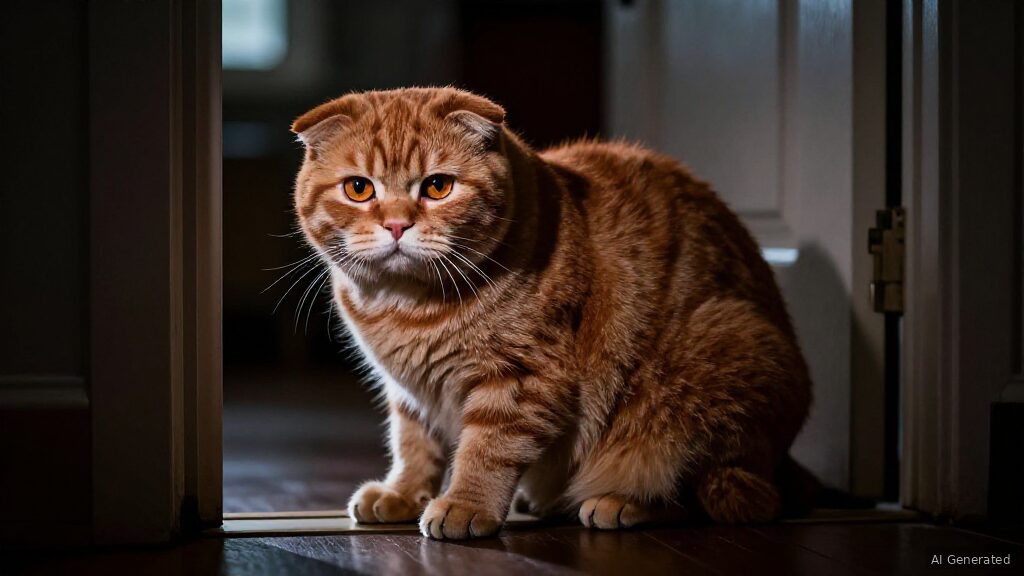
Often, cats do not express directly when they are stressed. Instead, they tend to manifest this indirectly through physical symptoms or behavioral changes. For owners, not missing these subtle signs and interpreting them correctly is the first step to protecting the cat’s health. Since stress can weaken the cat’s immune system and be the cause of various diseases, early diagnosis is very important. Additionally, stress signs can vary depending on the cat’s personality and growth process, so it is necessary to observe considering each individual’s characteristics.
1. The relationship between physical changes and abnormal behaviors
The first sign that appears when a cat is stressed is loss of appetite and weight loss. The stress hormone, cortisol, accelerates metabolism to break down body fat; therefore, prolonged stress can result in low weight instead of obesity. Additionally, changes in grooming behavior are also important signs. A stressed cat may groom excessively, causing hair loss on the skin, or, conversely, reduce grooming frequency, causing the fur to become matted and lose its shine. In particular, the phenomenon of ‘alopecia’ (hair loss), especially in the tail or hindquarters areas, is a classic sign of severe stress. Since these physical changes can be caused by psychological factors and not just diseases, it is necessary to check living habits along with a veterinary diagnosis. Additionally, symptoms such as breathing difficulties or vomiting can also occur due to stress, so they must be observed carefully.
2. Changes in hygiene habits
Cats are animals that value cleanliness very much. When stressed, it is very common for their bathroom habits to change. For example, avoidance of the litter box or occurrence of ‘defecation errors’ outside the box can happen. This occurs because the cat feels the bathroom environment is not safe or judges that access to the bathroom is difficult. Additionally, liquid intake may decrease, and the cat may prefer drinking only clean water instead of water mixed with food, which can increase the risk of kidney diseases. The reasons why a cat avoids the litter box are diverse, but one of them is environmental stress, such as noises or odors around the bathroom. For example, if there are disputes with other cats near the bathroom or if there are frequent noises nearby, the cat tends to avoid that location. Therefore, it is important to periodically check the location and environment of the litter box, improving it so the cat can use it comfortably. Additionally, odor removal after defecation can also be a stress factor, so it is necessary to maintain hygiene using appropriate odor removal agents.
3. Changes in aggression and social behavior
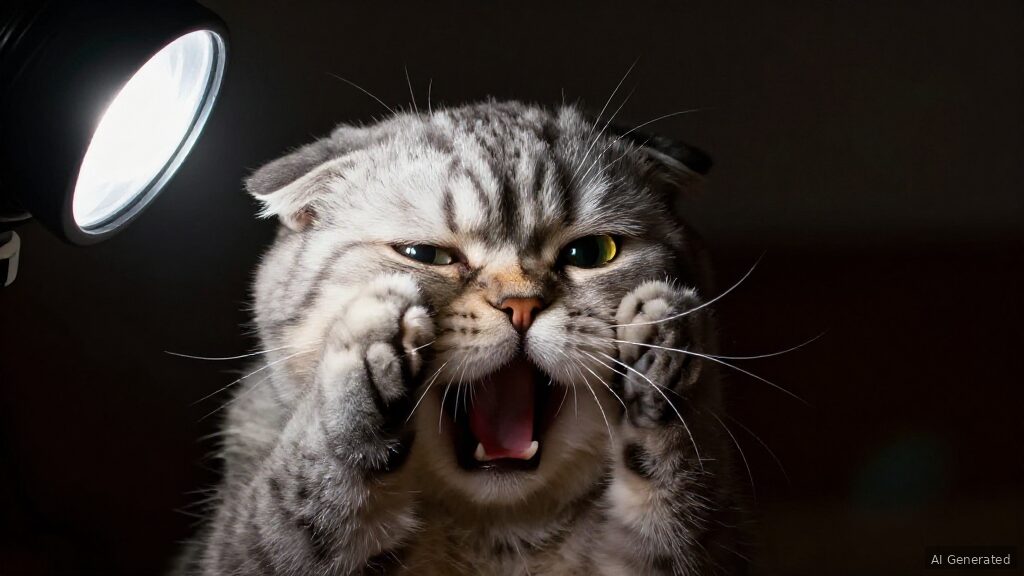
A stressed cat may exhibit more aggressive behaviors than usual. This manifests as a defense mechanism, potentially biting or scratching the owner or family. Additionally, the cat tends to avoid social interaction, not reacting to people it was friendly with, other cats, or even the smell of food. This occurs because the cat feels its safety is threatened and acts aggressively to intimidate the other or defend its territory. In particular, in conflict situations with other cats, stress can be aggravated, leading to fights or flight behaviors. In these cases, it is essential to provide sufficient rest and a safe space to restore the trust relationship between the cat and human. Additionally, when the cat exhibits aggressive behaviors, it is necessary to stop immediately and create an environment that makes the cat feel safe. For example, it is important to help the cat relieve stress by providing sufficient food, water, and a safe play space. Additionally, a cat’s aggressive behaviors can be caused by environmental factors or health problems, not just personality issues, so it is necessary to identify the correct cause and take appropriate measures.
How to relieve cat stress: use of behavioral enrichment
The most effective method to relieve cat stress is ‘environmental enrichment’. This means providing an environment that stimulates the cat’s natural instincts, helping it relieve stress on its own and feel mental satisfaction. Environmental enrichment goes beyond simply providing toys; it is a comprehensive approach that stimulates the cat’s various senses and increases its physical activity. Through this, the cat can reduce stress hormone levels and strengthen its immune system, living a healthier and happier life. Additionally, environmental enrichment plays an important role by allowing owners to participate directly, strengthening the bond with the cat.
1. Basic principles and effects of environmental enrichment
The core of environmental enrichment is providing opportunities for the cat to exercise its instincts. The cat naturally relieves stress through behaviors such as hunting, tracking, hiding, and chasing. Owners should create an environment that stimulates these instincts, helping the cat perform natural activities inside the home. For example, using toys that mimic prey to stimulate the cat’s hunting instinct, or providing spaces to hide or high places to satisfy the cat’s desire for exploration. This behavioral enrichment is very effective for reducing the cat’s stress levels and increasing its sense of happiness. Additionally, behavioral enrichment plays an important role by providing new experiences and stimuli to the cat, relieving boredom and maintaining its mental health. Owners should make efforts to improve the environment a little every day, providing a richer life for the cat.
2. Play and exercise: the core of stress relief
Regarding cat stress relief, play and exercise are among the most important elements. The cat can simultaneously achieve energy expenditure and stress relief through daily play. Owners should provide various toys for the cat, striving to stimulate its hunting instinct and increase its physical activity. For example, using fur toys, string toys, feather toys, etc., to play with the cat and provide it with sufficient exercise. Additionally, providing sufficient play time for the cat plays an important role in stress relief and increasing the sense of happiness. Owners should choose play suitable for the cat’s personality, providing a pleasant experience. For example, cats with active personalities prefer high-energy play, while shy cats prefer quiet play. Therefore, it is important for owners to consider the cat’s personality and choose appropriate play to relieve stress.
3. Creating safe spaces: providing a refuge for the cat
To prevent stress accumulation in the cat, creating safe spaces is essential. The cat can only truly rest when it feels safe in its territory. Owners should provide places for the cat to hide, high places, and spaces that provide security, creating a refuge for the cat. For example, providing cat furniture, wall scratching posts, or boxes where the cat can hide, creating a safe space for the cat. Additionally, it is important to choose locations where the cat feels comfortable and provide sufficient rest spaces. Owners should consider the cat’s personality and preferences, providing appropriate spaces to relieve stress. For example, shy cats prefer high places or hiding spots, while active cats prefer spacious areas. Therefore, it is important for owners to consider the cat’s personality and provide appropriate spaces to relieve stress.
Feline stress management: prevention and response strategies
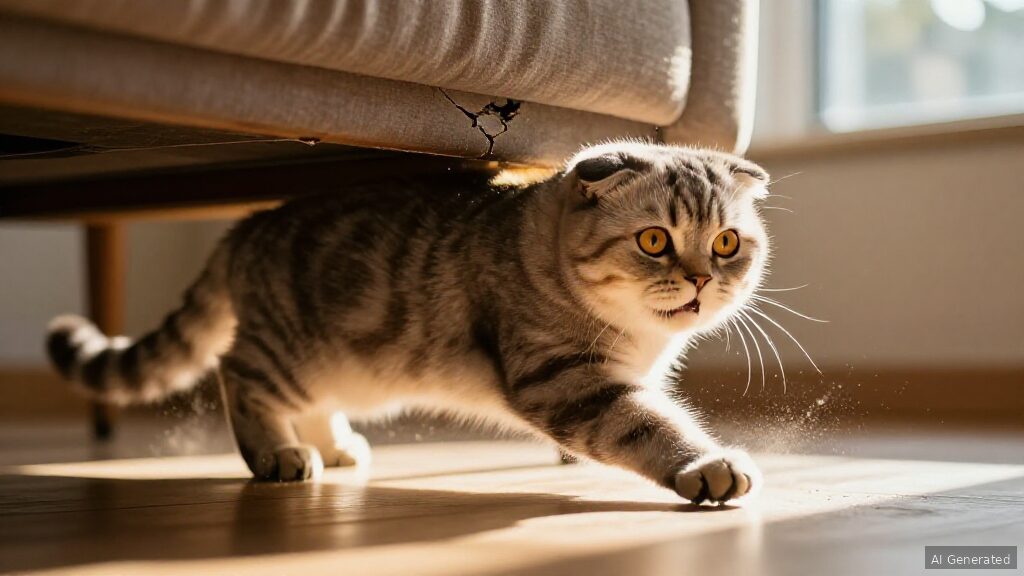
To effectively manage cat stress, prevention and response strategies are essential. Although the factors causing stress in cats are diverse, if owners are aware and prepared in advance, they can prevent many problems. Additionally, cats that are already stressed can recover quickly with appropriate treatment. In this section, we present specific methods to identify the causes of feline stress and manage it effectively. In particular, we point out points that owners often ignore or misunderstand, guiding them to correct stress management methods.
1. Changes in lifestyle patterns and their effects
Cats are animals that consider their daily routines very important. If owners’ lifestyle patterns change or the home environment changes suddenly, the cat may suffer great stress. For example, if owners’ work schedules change, if a new family member is born, or if the house structure changes, the cat may feel anxiety. Additionally, changes in the type of food or water the cat is used to, or changes in the litter box location, also become stress factors. These changes can break the cat’s daily routine, causing stress. Therefore, when there are changes in lifestyle patterns, it is important for owners to give the cat enough time to adapt and introduce changes gradually. For example, when introducing new food, it is better to change by gradually mixing it with existing food, increasing the proportion little by little. Additionally, when changing the litter box location or house structure, it is necessary to provide safe spaces for the cat and help it adapt by giving enough time.
2. Stress management in multi-cat environments
When there are several cats in the home, stress can occur due to conflicts between the cats. In particular, cats with different personalities or opposite sexes may feel discomfort with each other. Owners should ensure sufficient space and resources for each cat to prevent conflicts between them and reduce stress. For example, it is important to properly dispose of food bowls, water bowls, litter boxes, and play spaces to reduce competition between cats. Additionally, when conflicts occur between cats, it is necessary to separate them immediately and provide sufficient rest time for each. Owners should observe the relationships between cats and find appropriate management methods considering each cat’s personality and preferences. For example, it is better to provide safe spaces for shy cats and ensure sufficient exercise spaces for active cats. Additionally, in cases where conflicts between cats are severe, it is important to seek appropriate solutions with the help of specialists.
3. Changes in the external environment and responses
Changes in the environment outside the home can also become stress factors for the cat. For example, when the cat sees birds or other cats through the window, or when external noises or odors penetrate the house, the cat may feel anxiety. Owners should find methods to reduce the cat’s stress, preparing for these external environment changes. For example, it is better to close windows or pull curtains to block the external view, or use soundproofing materials to reduce external noise. Additionally, it is important to provide safe spaces for the cat and remove factors that may cause stress to the cat. Owners should carefully observe the cat’s reaction, identify stress factors, and take appropriate measures. For example, if the time the cat spends looking out the window increases or if the time it reacts to external noise increases, it is better to block the external environment to reduce stress.
Personalized management guide through feline behavioral analysis
To correctly interpret and manage cat behavior, behavioral analysis is essential. Cat behavior is often not just a matter of personality or illness, but results from environmental factors or stress. Owners should observe the cat’s behavior and apply behavioral principles to find personalized management methods. In particular, when interpreting the cat’s behavior, an individual approach considering its personality, age, and experiences is necessary. Additionally, to change the cat’s behavior, continuous interest and effort from owners are required.
1. Behavioral analysis and management strategies by cat personality
A cat’s personality is very diverse, and therefore, behavioral patterns also vary. For example, cats with active personalities prefer high-energy play, while shy cats prefer quiet environments. It is important for owners to understand the cat’s personality and provide appropriate play and environments to reduce stress. Additionally, response methods vary depending on the cat’s personality. For example, it is better to increase exercise amounts for active cats, while it is better to provide sufficient rest and safe spaces for shy cats. Owners should find appropriate management methods considering the cat’s personality. For example, it is better to provide sufficient exercise spaces for active cats and ensure safe spaces for shy cats. Additionally, it is important to select food and water types according to the cat’s personality, providing appropriate nutrients.
2. Behavioral changes and management methods by age
Cats change their behavioral patterns according to age. While kittens are curious and very active, adult cats value stability, and senior cats often need rest. Owners should understand behavioral changes according to the cat’s age and apply appropriate management methods. For example, it is better for kittens to relieve stress through play, while it is better to provide a stable environment to reduce stress in adult cats. Additionally, it is important to help senior cats feel comfortable by providing sufficient rest spaces. Owners should consider the cat’s age and provide appropriate environments and play to reduce stress. For example, it is better to provide active play for kittens, stable environments for adult cats, and comfortable rest spaces for senior cats.
3. Environmental improvement cases applying behavioral principles
There are many cases of environmental improvement applying behavioral principles. For example, there are cases where, by avoiding the litter box, the cat had its stress reduced by keeping the area around the litter box clean and moving to a quiet location. Additionally, there are cases where, by exhibiting aggressive behaviors, the cat had its stress relieved by providing safe spaces and sufficient rest time. It is important for owners to observe the cat’s behavior and improve the environment applying behavioral principles. For example, it is better to keep the area around the litter box clean and move to a quiet location to reduce stress when the cat avoids the litter box. Additionally, it is better to provide safe spaces and sufficient rest time to relieve stress when the cat exhibits aggressive behaviors. It is important for owners to observe the cat’s behavior and improve the environment applying behavioral principles.
Feline stress management: practical tips and precautions
To effectively manage cat stress, owners need practical tips that can be implemented in daily life. Additionally, it is necessary to know the points that must be cared for when managing cat stress. In this section, we explain in detail practical tips that owners can implement immediately and precautions. In particular, we point out points that owners often ignore or misunderstand, guiding them to correct stress management methods.
1. Stress relief tips that can be implemented in daily life
To reduce cat stress, owners can implement simple tips in daily life. For example, it is better to play with the cat for a set time every day and provide sufficient exercise to relieve stress. Additionally, it is important to create an environment where the cat feels comfortable to reduce stress. For example, it is better to provide spaces for the cat to hide or high places, creating a safe space. It is better for owners to consider the cat’s personality and preferences, providing appropriate environments and play to reduce stress. Additionally, it is important to give the cat sufficient rest time and provide a comfortable environment to reduce stress.
2. Points of attention: excessive interference and sudden changes
A point owners must care for when reducing cat stress is excessive interference and sudden changes. Since cats value stability, if owners touch the cat too much or play with it too frequently, this can actually cause stress. Additionally, if the home environment or lifestyle patterns change suddenly, the cat may suffer great stress. It is important for owners to carefully observe the cat’s reaction and provide appropriate interference and changes. For example, if the cat does not want to play, it is better not to force it to play and let it rest quietly. Additionally, when changing the home environment or lifestyle patterns, it is important to change gradually to help the cat adapt.
3. Specialist help: when to see a veterinarian or behavior specialist?
When a cat’s stress is severe or the cat presents serious health problems, specialist help is necessary. Owners should carefully observe the cat’s condition and seek help from a veterinarian or behavior specialist if necessary. For example, if the cat shows loss of appetite or weight loss, veterinary care is necessary. Additionally, if the cat exhibits aggressive behaviors, it is necessary to seek help from a behavior specialist to find appropriate response methods. Owners should carefully observe the cat’s condition and seek specialist help if necessary. For example, if the cat shows loss of appetite or weight loss, veterinary care is necessary. Additionally, if the cat exhibits aggressive behaviors, it is necessary to seek help from a behavior specialist to find appropriate response methods.
Practical application guide: starting to manage stress today
Now, we present a practical application guide for cat stress management. This checklist contains specific actions that owners can implement immediately starting from today. Each item includes estimated time, required items, and expected effects, allowing owners to follow easily. Through this, owners can provide a better environment for the cat and succeed in reducing stress.
- Environment check and improvement (Estimated time: 30 minutes, Required items: soundproofing materials, curtains, cat furniture)
Blocks noise and view inside the home, creating a safe space for the cat. Expected effect: Reduction of cat anxiety, formation of stable sleep patterns. - Ensuring daily play time (Estimated time: 15 minutes per session, Required items: fur toys, string toys)
Play with the cat for a set time every day to help with energy expenditure and stress relief. Expected effect: Strengthening the bond with the cat, reduction of stress hormones. - Food and water type check (Estimated time: 5 minutes, Required items: various foods, clean water bowls)
Provides food and water preferred by the cat to stimulate appetite and reduce stress. Expected effect: Improvement in nutrient intake, maintenance of digestive health. - Litter box environment improvement (Estimated time: 20 minutes, Required items: cat litter box, odor removal agent)
Keeps the litter box clean and moves to a quiet location so the cat can use it comfortably. Expected effect: Normalization of defecation habits, improvement in hygiene management. - Understanding cat personality and personalized management (Estimated time: 10 minutes, Required items: observation diary)
Understands the cat’s personality and preferences, providing and managing an appropriate environment. Expected effect: Improvement in cat behavior, reduction of stress. - Scheduling specialist consultation (Estimated time: 30 minutes, Required items: consultation costs)
If the cat’s condition is severe, seek help from a veterinarian or behavior specialist to find appropriate response methods. Expected effect: Precise diagnosis, effective treatment and management.
Frequently Asked Questions (FAQ)
Answers in detail to questions about feline stress that owners are curious about. Each answer is explained with at least 3-4 sentences, providing information that owners can actually use.
1. Why does the cat start avoiding the litter box suddenly?
The reasons why a cat starts avoiding the litter box suddenly are very diverse. The most common cause is environmental stress, such as noises or odors around the litter box, or disputes with other cats. Additionally, it may be that the cat has difficulty accessing the litter box or that there are problems with the litter box itself. It is important for owners to check the location and environment of the litter box, improving it so the cat can use it comfortably. Additionally, it is necessary to provide safe spaces for the cat and give sufficient rest time to relieve stress.
2. How should I deal with when the cat exhibits aggressive behaviors?
When the cat exhibits aggressive behaviors, it is necessary to stop immediately and create an environment that makes the cat feel safe. Often, this occurs because the cat feels its safety is threatened and acts aggressively to intimidate the other or defend its territory. It is important for owners to help the cat relieve stress by providing sufficient rest and safe spaces. Additionally, a cat’s aggressive behaviors can be caused by environmental factors or health problems, not just personality issues, so it is necessary to identify the correct cause and take appropriate measures.
3. What are the noises that can cause stress to the cat?
The noises that cats fear are very diverse. Sudden impact sounds, continuous mechanical sounds, and human voices or loud noises are representative. Since the cat is capable of hearing frequencies far beyond the human auditory spectrum, sounds common to us can become extreme terror for the cat. Owners’ efforts to reduce household noise must go beyond simply lowering the volume, requiring a comprehensive approach that considers frequency characteristics. Additionally, it is important to block external and internal noises to create a safe environment for the cat.
4. How should I do behavioral enrichment?
Behavioral enrichment means providing an environment that stimulates the cat’s instincts. Owners can relieve stress through a comprehensive approach that stimulates the cat’s various senses and increases its physical activity. For example, using toys that mimic prey to stimulate the cat’s hunting instinct, or providing spaces to hide or high places to satisfy the cat’s desire for exploration. It is important for owners to consider the cat’s personality and preferences, providing and managing an appropriate environment.
5. What effects does cat stress have on health?
Cat stress can weaken the immune system and be the cause of various diseases. In particular, prolonged stress can result in various symptoms, such as loss of appetite, weight loss, and changes in grooming behavior. Additionally, since stress can trigger cardiovascular or digestive diseases in the cat, early diagnosis and appropriate response are very important. Owners should carefully observe the cat’s condition and seek help from a veterinarian if necessary.
6. Do stress management methods change depending on the cat’s personality?
Yes, stress management methods should vary depending on the cat’s personality. For example, cats with active personalities prefer high-energy play, while shy cats prefer quiet environments. It is important for owners to understand the cat’s personality and provide appropriate play and environments to reduce stress. Additionally, since response methods vary depending on the cat’s personality, it is important for owners to consider the cat’s personality and find appropriate management methods.
Conclusion
Cat stress management is a process that requires continuous interest and effort from owners. It is important to help the cat live a healthier and happier life by understanding the sounds it fears and relieving stress in the right way. The core is to stimulate the cat’s instincts through behavioral enrichment and create a safe environment to reduce the cat’s stress. Small changes that owners can implement starting from today will lead to great happiness for the cat.
Check more information on feline behavioral enrichment at PlayCat (playcat.xyz)
This content was written using AI technology. Always consult a veterinarian for health-related information.