


Why Does Our Cat’s Day Become Boring? Lessons from a Maze in Nature
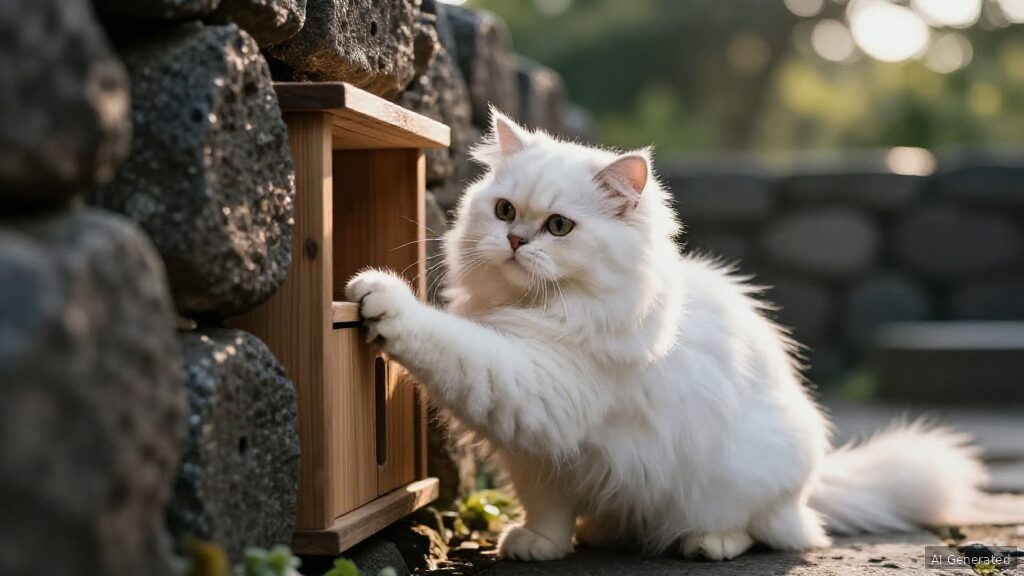
Many cat guardians experience the fact that no matter how spacious their home is, their cats easily fall into a state of boredom. Especially for indoor-only cats, the lack of external stimuli can suppress their instinctual hunting and exploration drives. Looking at the case of Gimnyeong Maze Park, which we referenced as a ‘famous cherry blossom spot in Jeju’ and a place where over 50 cats coexist with nature, we can see how crucial ‘complex and unpredictable paths’ are to an animal’s mental health, rather than just having a large space. The sight of cats exploring between stone walls and trees in the maze park is not just play; it is an expression of survival instincts. This article guides you with a professional and warm perspective on how to redesign your home into a ‘behavioral enrichment’ space optimized for cats by mimicking the natural maze structure of Gimnyeong Maze Park. Environmental improvement is not just about buying more toys; it is the process of meaningfully changing every space that touches your cat’s sight and senses.
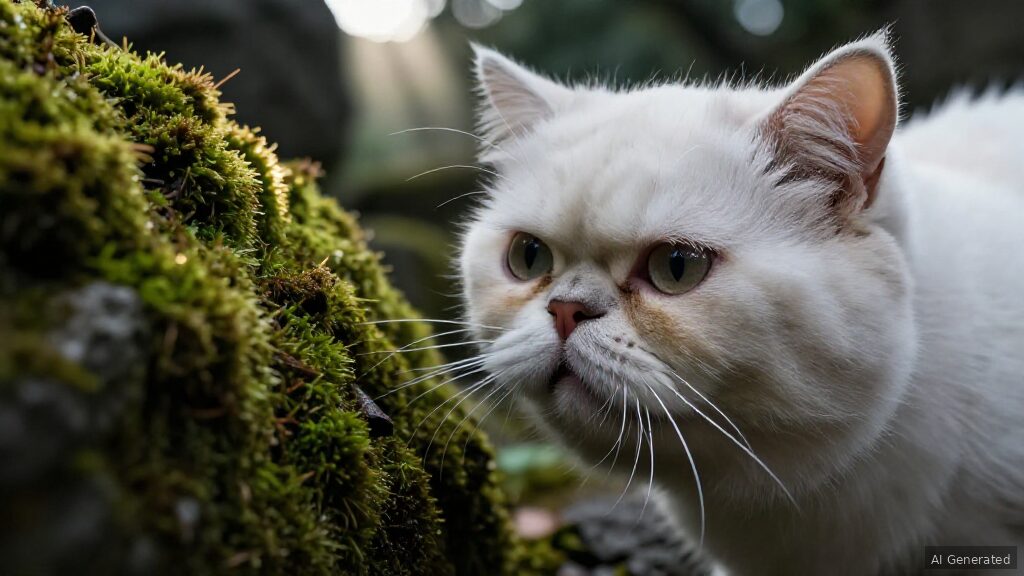
Bringing the Maze Structure Home: Strategies for Utilizing Vertical Space
If Gimnyeong Maze Park is a complex terrain made of stone walls and fences, then our home can use furniture and walls to play that role. Cats prefer vertical spaces much more than flat ones, and the act of looking down from a high place reduces stress and provides a sense of security.
How Can We Design Wall Surfaces as Maze Paths?
Wall surfaces are the most efficient vertical spaces. Cats that stay only on the floor may feel anxious due to limited visibility. By using PlayCat’s solid wood furniture to create pathways that climb up the walls, cats can move freely around the house as if exploring a maze. The solid wood material stimulates the sensation of the cat’s paw pads and helps with body temperature regulation due to its natural warmth. Especially during the kitten stage, it is important to install them with adjusted slopes to aid muscle development, while for senior cats, to reduce joint strain while moving. Instead of simple shelves, providing paths that branch out in multiple directions allows cats to choose their own way and feel the joy of exploration.
How Can We Utilize Gaps Between Furniture?
Create ‘hidden passages’ by connecting spaces that could become blind spots, such as between the sofa and the wall, or between the bookshelf and the window. For cats, narrow spaces serve as hiding spots and safe observation points. By utilizing the structural features of PlayCat solid wood furniture to narrow the distance between pieces of furniture or creating intermediate stopovers between them, a maze-like movement path is naturally completed. This encourages cats to explore every corner of the house without taking risks, building their confidence in the environment. Adult cats can naturally burn off energy through these paths, while senior cats can maintain their activity levels by moving without difficulty.
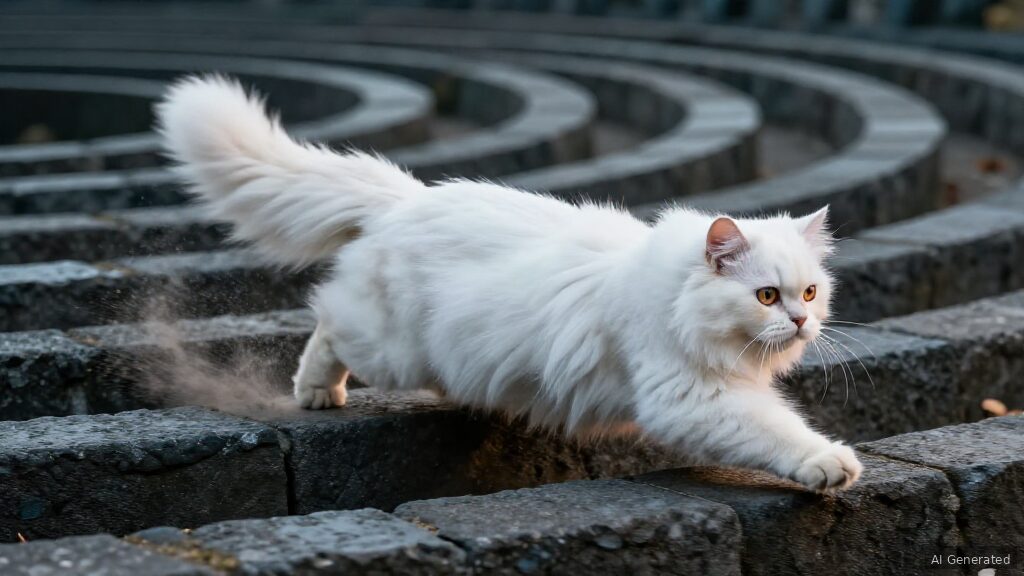
How to Maximize Sensory Stimulation with Various Tactile Experiences and Textures
The various surfaces of Gimnyeong Maze Park, such as stone walls, dirt paths, and grass, provide cats with rich tactile information. If the floor of your home is all made of the same material, cats cannot receive sufficient sensory stimulation. The core of behavioral enrichment is ‘diversity’.
How Should We Combine Solid Wood with Various Materials?
The smooth wood surface of PlayCat solid wood furniture gives cats a calm and stable feeling. By mixing and placing rough fiberboard, soft carpets, and cool stone materials alongside it, cats receive brain stimulation through changes in texture felt by their paw pads. For example, simply placing a straw mat next to a solid wood staircase or laying a yarn carpet on a solid wood shelf can stimulate a cat’s curiosity. Kittens explore these various textures to aid sensory development, while adult cats satisfy their hunting instincts (such as the feeling of stepping with claws) through texture changes. Since senior cats prefer soft materials, it is necessary to place cushioned materials along some of the movement paths to protect their joints.
How to Create Texture Zones for Grooming and Hunting?
Cats relieve stress through grooming behaviors that involve cleaning their fur. Rough wood grain or solid wood furniture with specific textures can serve as grooming aids. Additionally, consider non-slip properties and claw grip when chasing prey, so place materials with various friction levels on the flooring and furniture surfaces. The natural grain of solid wood furniture is also suitable for cats to sharpen their claws and mark their territory. By creating spaces with such diverse textures, cats will not just move around but will also choose environments they need to manage their bodies and express their instincts.
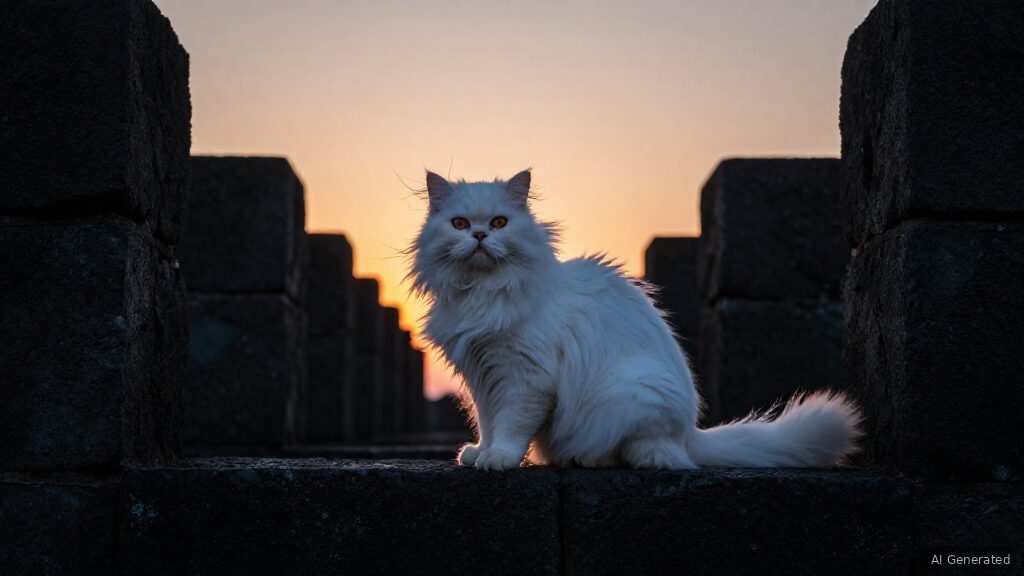
Ensuring Psychological Stability Through Hiding Spots and Observation Points
In every corner of the maze park, there are spaces where cats can hide. This provides cats with ‘choice’ and ‘safety’. Even at home, securing spaces where cats can hide and observe the outside at any time is an essential element of behavioral enrichment.
What Are the Criteria for Selecting the Size and Location of Hiding Spots?
A hiding spot should be slightly larger than or similar in size to the cat’s body. If it is too wide, it is difficult to feel safe; if it is too narrow, entry itself becomes difficult. Drawers or empty spaces in PlayCat solid wood furniture, or enclosed spaces created by connecting furniture, can make perfect hiding spots. It is especially good to place them slightly away from high-traffic areas where people often pass, such as near windows or next to doors. Kittens often use hiding spots when looking for their mother or avoiding scary things, so place them in low, accessible locations. Since senior cats may have difficulty moving, it is better to provide stable hiding spots close to the floor rather than in high places.
How Should Observation Points Be Designed to Prevent Stress?
Cats love looking down at their surroundings from high places. This is an instinct to spot prey or detect potential threats. Design windowsills, high shelves, or the topmost spaces of PlayCat solid wood furniture as ‘observation points’ so cats can view the external environment (birds, wind, passing people). The important thing here is that cats must be able to stay there only when they want to. Creating a ‘private zone’ where they can observe quietly without interference from other cats or family members greatly helps with psychological stability. In households with multiple cats, distributing observation points in various places can also help prevent hierarchy conflicts.
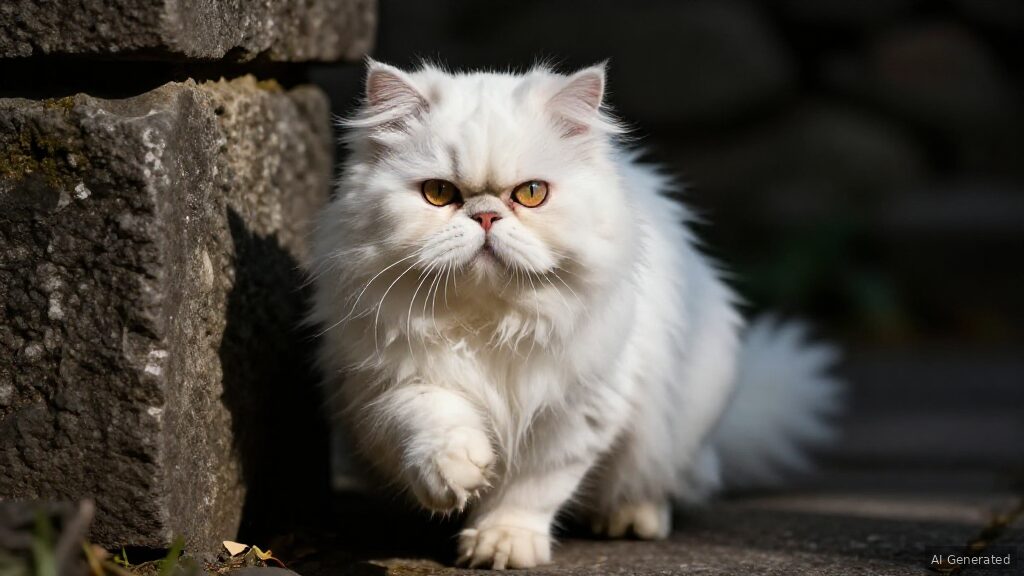
Principles of Space Configuration to Balance Play and Rest
Behavioral enrichment does not mean constant play. Spaces must be configured so that cycles of activity and rest occur naturally. Just as cats were seen napping in the sunlight at Gimnyeong Maze Park, activity spaces and rest spaces must be appropriately arranged within the home.
How Far Apart Should Activity Spaces and Rest Spaces Be?
Activity spaces (toys, hunting game zones) and rest spaces (beds, hiding spots) should be adjacent yet clearly distinguished. If they are too close, it is difficult to rest immediately after playing; if they are too far, cats may find moving between them bothersome. It is ideal to utilize the structure of PlayCat solid wood furniture to place toys on one side and create a rest space with soft cushions or blankets on the opposite side. For example, place hunting toys on the lower steps of a solid wood ladder and a comfortable bed on the upper steps. This allows cats to create a natural flow where they climb up to a high place to rest immediately after playing.
How to Change Space Utilization Based on Time of Day?
Cats are nocturnal animals that become active when the sun goes down. They show patterns of staying in sunny window areas or warm solid wood furniture during the day, and being active in dark corners or high places at night. To achieve this, use lighting to open curtains during the day to let sunlight in, and activate activity spaces at night with lights or toys. PlayCat solid wood furniture warms up by absorbing sunlight during the day and creates a calm atmosphere at night, naturally transitioning the mood of the space to match the cat’s circadian rhythm. Guardians can observe their cat’s activity patterns and adjust toy locations or lighting conditions according to the time of day to improve space utilization.
Tailored Environmental Improvements for Different Cat Ages
The required environment and types of stimulation vary depending on the cat’s age. Since one method cannot be applied to all cats, tailored strategies for kittens, adults, and seniors must be established.
| Age Group | Main Characteristics | Environmental Improvement Strategy | PlayCat Solid Wood Furniture Usage Tips |
|---|---|---|---|
| Kitten (Young Cat) | Highly curious, developing muscles, excess energy | Low-height mazes, various texture stimulation, safe hiding spots | Utilize solid wood stairs close to the floor, practice passing through small holes |
| Adult Cat | Strong instincts, territory marking, need to satisfy hunting drive | High vertical spaces, complex paths, hunting game zones | Wall-connected solid wood shelves, placement of rough surfaces for scratching |
| Senior (Elderly Cat) | Weak joints, reduced activity, emphasis on stability | Low movement paths, soft surfaces, warm resting places | Gentle sloped solid wood structures, isolated spaces with soft cushions |
As shown in the table above, the environment must be created considering characteristics by age group. For kittens, use the lower steps of solid wood furniture to practice jumping. For adult cats, provide movement paths to high places to expand their territory. For senior cats, PlayCat solid wood furniture should be designed to combine smooth surfaces and soft cushions, reducing joint strain while allowing natural movement. Environmental improvements that reflect these age differences are key elements in increasing a cat’s lifespan and quality of life.
Common Mistakes and Solutions: Traps of Environmental Improvement
When attempting behavioral enrichment, there are common mistakes that guardians often make. Let’s learn how to avoid these mistakes and improve the environment in the right direction.
- Mistake 1: Providing too many toys at once
If cats have too many choices, they can feel confused. It is better to provide toys sequentially and replace them. Hide toys in small holes or on shelves within PlayCat solid wood furniture, and regularly change their locations to make them feel like a new maze. - Mistake 2: Space arrangement ignoring the cat’s preferences
Spaces that guardians think are good are not necessarily good for cats. Observe which spaces the cat actually uses frequently and which they do not, and improve the environment centered on preferred paths. For example, if your cat likes high places, adjust the height of the solid wood furniture or install additional shelves. - Mistake 3: Neglecting cleanliness
Maze-like spaces are prone to accumulating dust and debris. Especially, the crevices of solid wood furniture require periodic cleaning. A clean environment is directly linked to a cat’s health and stress reduction. Since PlayCat solid wood furniture is designed for easy maintenance, maintain cleanliness with regular mopping or vacuuming.
Checklist for Behavioral Enrichment to Start Practicing Today
Now, let’s start taking concrete actions to turn your home into a cat-friendly space based on the lessons from Gimnyeong Maze Park. Try practicing these 6 items starting today.
- Check Wall Paths: Check if there is space for cats to move along the walls of your home, and use PlayCat solid wood furniture to create connected paths.
- Create Hiding Spots: Secure spaces to hide between furniture and place soft blankets or cushions to create safe hiding spots.
- Diversify Textures: Add materials with various textures, such as rough mats or soft carpets, to the floor or furniture to stimulate your cat’s sense of touch.
- Secure Observation Points: Prepare spaces where cats can look outside, such as near windows or in high places, and maintain a quiet environment so they are not disturbed.
- Introduce a Toy Rotation System: Do not put out all toys at once; replace them once or twice a week so they feel like a new maze.
- Adjust for Age Groups: Adjust the height of movement paths and the location of rest spaces according to the characteristics of kittens, adult cats, and senior cats.
Frequently Asked Questions (FAQ)
Q1. Will my cat’s claws be damaged when using solid wood furniture?
PlayCat solid wood furniture has a natural wood grain, which actually serves to sharpen your cat’s claws. With appropriate hardness and surface treatment, there is almost no risk of claws breaking or getting damaged. However, if there are too sharp edges, cats might bump into them, so it is recommended to choose products with rounded edges or use covers. Since solid wood is a natural material, it contains no harmful chemicals for cats and can be used safely.
Q2. Can I create a maze-like space even in a small apartment?
Yes, it is possible. The key is to utilize vertical space rather than floor area. By connecting shelves using walls, spaces above doors, and empty spaces between furniture to form a maze, you can provide a rich environment even in a small space. By utilizing the various sizes and designs of PlayCat solid wood furniture, you can create an efficient behavioral enrichment space even in a small apartment.
Q3. How long does it take for a cat to adapt to a new environment?
Cats may take time to accept a new environment. Usually, it takes about 1 to 2 weeks to get used to new paths and hiding spots. At first, your cat might be afraid of the new space, so help them approach naturally by luring them with toys or treats. Gradual changes reduce stress and help with quick adaptation.
Q4. How should environmental improvement be done when raising multiple cats?
When raising multiple cats, it is important to provide individual spaces and resources for each cat. Separating hiding spots, litter boxes, food bowls, and rest spaces can reduce hierarchy conflicts. It is good to utilize PlayCat solid wood furniture to expand vertical space and create wide shelves or passages that multiple cats can use simultaneously.
Q5. Do I have to buy expensive equipment for behavioral enrichment?
No. The core of behavioral enrichment is creative space configuration and stimulating the cat’s instincts. You can see great effects just by utilizing existing furniture at home and adding natural materials like PlayCat solid wood furniture. The structure of the space and changes in texture play a more important role than toys.
Q6. What is special about environmental improvements for senior cats?
Since senior cats have weak joints and reduced activity, movement paths should be short and gentle. Avoid moving to high places, and it is better to prepare rest spaces and hiding spots close to the floor. By utilizing the smooth surfaces and gentle sloped structures of PlayCat solid wood furniture, you can reduce joint strain for senior cats while inducing natural activity.
Conclusion: The Secret to Cat Happiness Learned from Nature
The sight of 50 cats playing freely in harmony with nature at Jeju Gimnyeong Maze Park gives us a great lesson. A cat’s happiness does not come from simply having a large space or expensive food, but from a rich environment that satisfies their instincts and relieves stress. By using PlayCat solid wood furniture to arrange your home like a maze and providing various textures and spatial changes, our cats can also feel the joy of exploring nature within their home. Starting today, let’s practice small changes one by one and create a happier and more meaningful daily life together with our cats. Behavioral enrichment is a journey of growth for both the guardian and the cat, and it starts right now, in your home.
This content was written using AI technology. Always consult a veterinarian for medical information.