


Is Fabric Softener Really Safe for Cats?
For cat owners, especially those in multi-cat households, choosing laundry products is often a major concern. Fabric softeners that emphasize “clean cotton” or “subtle scents” may provide comfort for humans, but they can often be a deadly poison for cats. Cats have a sense of smell more than 14 times more sensitive than humans, and their liver enzyme systems for breaking down certain chemicals are fundamentally different from those of humans or dogs. Therefore, fragrance ingredients that humans perceive as a “clean scent” can act as excessive irritants or toxins for cats. Through this article, we will examine the actual risks of fabric softeners and methods to improve the environment for cats from a professional perspective.
Many owners, blindly trusting online information that “certain brands of natural fabric softeners are safe,” often witness cases where cats suffer from respiratory issues or skin troubles. Especially in multi-cat households, if even one cat reacts sensitively, the air quality for the entire household can deteriorate, requiring an even more cautious approach. Fragrance ingredients, preservatives, and residual chemicals in fabric softeners can be absorbed through the skin via the fur or accumulate in the body through ingestion during grooming. Simply using fabric softener because “it smells good” is one of the most common mistakes that threaten cat health, and specific guidelines to prevent this are urgently needed.
This article comprehensively covers the specific effects of fabric softeners on cats, analyzes the risk levels of different fragrance ingredients, and explores chemical-free environmental improvement solutions using solid wood furniture like PlayCat. Beyond simply avoiding fabric softeners, we propose methods to maintain a hygienic and comfortable home without compromising your cat’s natural behaviors. We invite you to re-establish the true standard of ‘cleanliness’ that allows your feline friends to feel most comfortable.
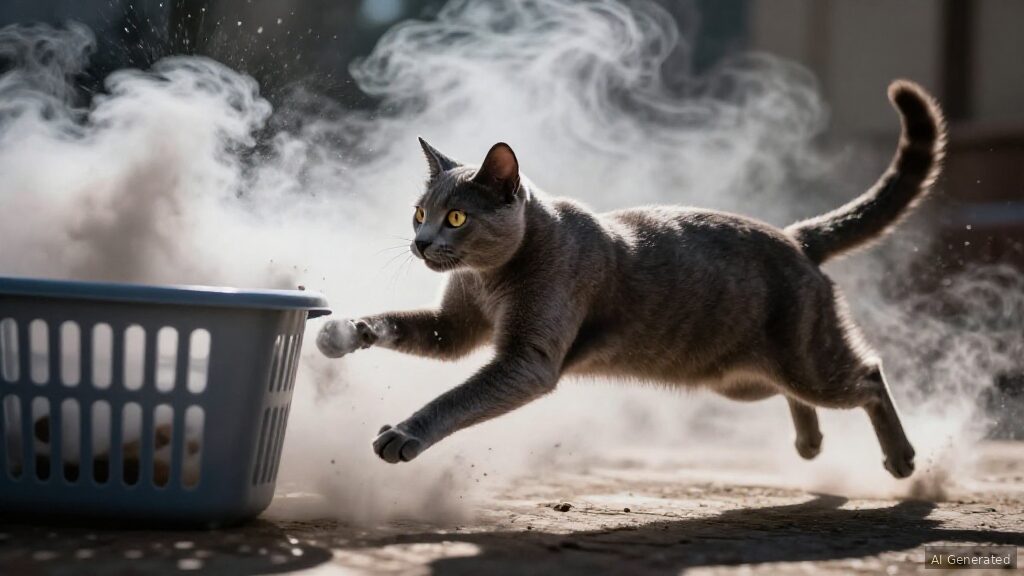
What is the Correlation Between Cat Liver Detoxification and Fragrance Ingredients?
The most fundamental reason cats are vulnerable to fabric softener ingredients lies in their liver function. Cats lack sufficient ‘glucuronidation’ enzymes to break down organic compounds like Phenol or Terpenes compared to humans or dogs. This enzyme converts toxic substances entering the body into water-soluble forms for excretion via urine or bile, but in cats, this process is extremely slow or does not occur at all. Fabric softeners often contain fragrance ingredients from lavender, eucalyptus, tea tree, and citrus families, all of which contain high amounts of phenolic or terpene compounds.
While humans can quickly process these substances through ingestion or inhalation, they place a fatal burden on a cat’s liver. Especially when fabric softener soaks into fabrics or blankets and remains for a long time, cats absorb it through their skin while lying on or rubbing against the fabric, or ingest it through grooming. This can lead to liver toxicity syndrome, and in severe cases, can result in vomiting, loss of appetite, drooling, ataxia, and even liver failure. In multi-cat households, if one cat shows symptoms, it is highly likely that other cats have also been exposed to similar amounts of toxins, so extra caution is required.
Additionally, a cat’s olfactory receptors are more than six times more developed than humans’, allowing them to detect minute chemical components that we cannot smell. The scent of fabric softener can irritate a cat’s nose, causing stress to the respiratory system. This goes beyond simply “disliking a smell”; it can cause inflammation of the nasal mucosa or exacerbate respiratory diseases like asthma. Especially for senior cats with underlying conditions or kittens with weak immune systems, such chemical stimulation can be life-threatening. Therefore, cat owners should not be misled solely by the word ‘natural’ when reading fabric softener ingredients but must check the specific ingredient list.
Analysis of Major Fragrance Ingredients Dangerous to Cats
Among ingredients commonly used in fabric softeners and air fresheners, the following are particularly dangerous to cats. Lavender oil is popular for its soothing effects but contains phenols, making it highly toxic to cats. Eucalyptus is known to help with bronchial dilation, but the eucalyptol component can damage a cat’s liver. Tea tree oil, while excellent for its antibacterial properties, has high terpene content and is fatal to cats. Citrus families (lemon, orange, grapefruit) contain citric acid and limonene, which cause strong irritation to cat skin and respiratory systems.
If you use fabric softeners containing these ingredients, cats cannot escape the scent emanating from their clothes or bedding. Cats instinctively groom frequently to keep their territory clean; simply licking fabric softener-laden fur can lead to the accumulation of toxins in their bodies. Especially in multi-cat households, where cats often groom each other (allogrooming) or share bedding, the risk of toxic exposure is doubled. Therefore, even if a product is marketed as “cat-friendly,” it is safest not to use it if the ingredient list contains these essential oils or synthetic fragrances.
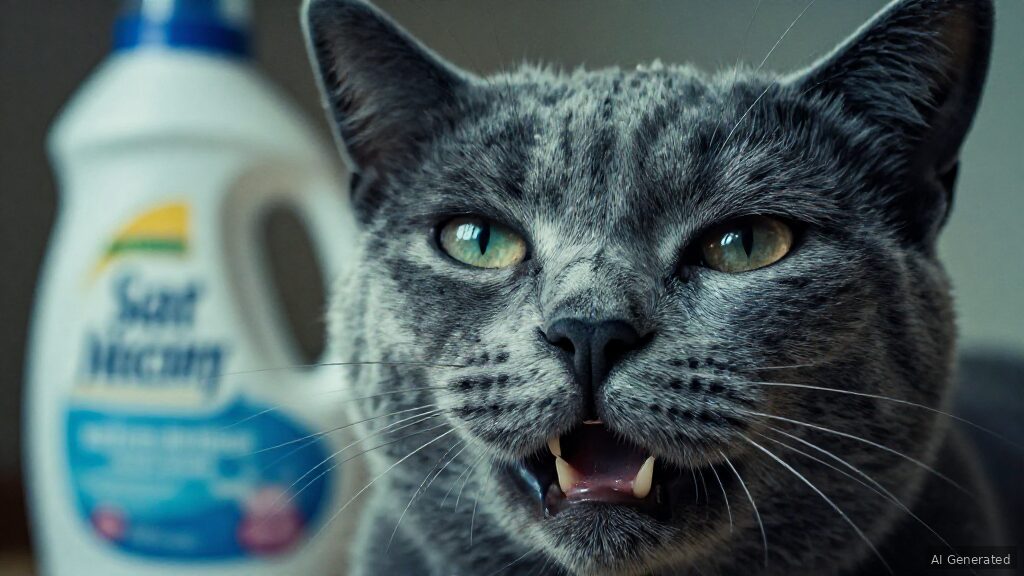
What Should You Be Careful About When Using Fabric Softener in Multi-Cat Households?
Multi-cat households face a much more complex and higher risk of chemical exposure compared to single-cat households. Since multiple cats live in the same space and share bedding, clothes, and toys, chemicals generated in one area can simultaneously affect all cats in the household. For example, if the scent of fabric softener spreads throughout the living room while drying laundry from the washing machine, all cats will breathe that air. Additionally, cats value vertical space highly; scents from clothes hanging in closets or blankets placed on high shelves can continuously affect cats on lower levels.
In multi-cat households, you must also consider hierarchy and individual sensitivity differences. One cat may show no reaction to a specific scent, while another may exhibit severe allergic reactions or stress symptoms. Especially between males and females, or cats of different ages, metabolic rates may differ, leading to variations in the ability to detoxify harmful substances. Older senior cats have declining liver function and can react much more sensitively than young kittens, and in pregnant female cats, it can even affect fetal development. Therefore, in multi-cat households, the judgment that “it’s safe if most cats are fine” is absolutely forbidden.
Furthermore, stress management is crucial in multi-cat households. The strong scent of fabric softener is perceived by cats as an unpredictable environmental change, causing stress. For cats, stress is a cause of various behavioral problems, including lowered immunity, onset of Feline Idiopathic Cystitis (FIC), and increased aggression. If cats that previously got along well suddenly start fighting, have accidents, or seek hiding spots more often, you should suspect the use of fabric softeners or air fresheners. Environmental pollution caused by chemicals can damage the social relationships of cats and make the entire household atmosphere unpleasant.
Environmental Management Strategies for Multi-Cat Households
While completely stopping the use of fabric softeners is ideal for multi-cat households, it is often difficult to completely eliminate the scent of detergents during laundry in reality. In such cases, it is recommended to use unscented (fragrance-free) detergents and increase the number of rinse cycles. Additionally, when drying laundry, ensure it is dried thoroughly outdoors or in a well-ventilated area to allow chemical components to evaporate. Scented products should never be used in spaces frequently used by cats, such as the living room, bedroom, or cat-only rooms; instead, it is important to purify the air through natural ventilation.
For bedding, cat-specific blankets or quilts should be washed separately, and the use of fabric softeners should be strictly prohibited. If family members must use fabric softener for their own clothes or bedding, they should be stored in a separate area inaccessible to cats, or managed thoroughly to ensure no scent remains even after sufficient drying. Utilizing natural solid wood furniture like PlayCat to create resting spaces for cats is also a good method. Wood regulates humidity and has air-purifying effects, allowing for a comfortable environment without chemicals.

What is the Difference Between Cat-Specific Detergent and Unscented Detergent?
There are laundry products on the market marketed as ‘cat-specific,’ but not all of them are safe for cats. You should never assume a product is safe just because it has a ‘cat-specific’ label; you must carefully check the ingredient list. Some products claim to use ‘natural extracts,’ but the actual ingredients may contain essential oils harmful to cats. On the other hand, ‘unscented detergents’ are products to which no fragrances have been added and generally have the least chemical irritation. However, being unscented does not mean all ingredients are safe, so you must check for artificial colors or strong surfactants.
Cat-specific detergents are often formulated to match the pH of cat skin or apply technology to minimize residue. However, the most important factors are ‘unscented’ and ‘color-free.’ Cats react much more sensitively to smell than color; therefore, detergents containing pigments can cause skin allergies, and those containing fragrances can cause respiratory irritation. Thus, when choosing, it is best to select products clearly labeled with ‘Hypoallergenic’, ‘Fragrance-free’, and ‘Dye-free’. Additionally, whether the product rinses well and leaves no residue is an important criterion.
There are also points to note during the washing process. The most common mistake when using fabric softener is not rinsing properly. Fabric softener forms a thin film on the fabric surface to provide softness; if this film remains on cat fur, the risk of ingestion during grooming is high. Therefore, it is best not to use fabric softener at all, but if you must, use only half the normal amount and repeat the rinse cycle more than twice to remove as much residue as possible. Especially in multi-cat households, efforts to minimize chemical residue by increasing the number of rinse cycles are essential.
Laundry Product Selection Checklist
Essential Oils, Synthetic Fragrances, Lavender/Eucalyptus, Artificial Colors, Preservatives, Strong Surfactants, Direct Application, Skipping Rinsing, Using Normal Amounts, Open Containers, Storing on the Floor or Low Shelves
| Category | Recommended | Avoid |
|---|---|---|
| Fragrance | Fragrance-free, No natural plant extracts | Essential oils, Synthetic fragrances |
| Ingredients | Hypoallergenic, Technology to minimize residue | Artificial colors, Strong surfactants |
| Usage | Rinse 2+ times, Do not overuse | Skipping rinsing, Using normal amounts |
| Storage | Airtight containers, Inaccessible to cats | Open containers, Floor or low shelves |
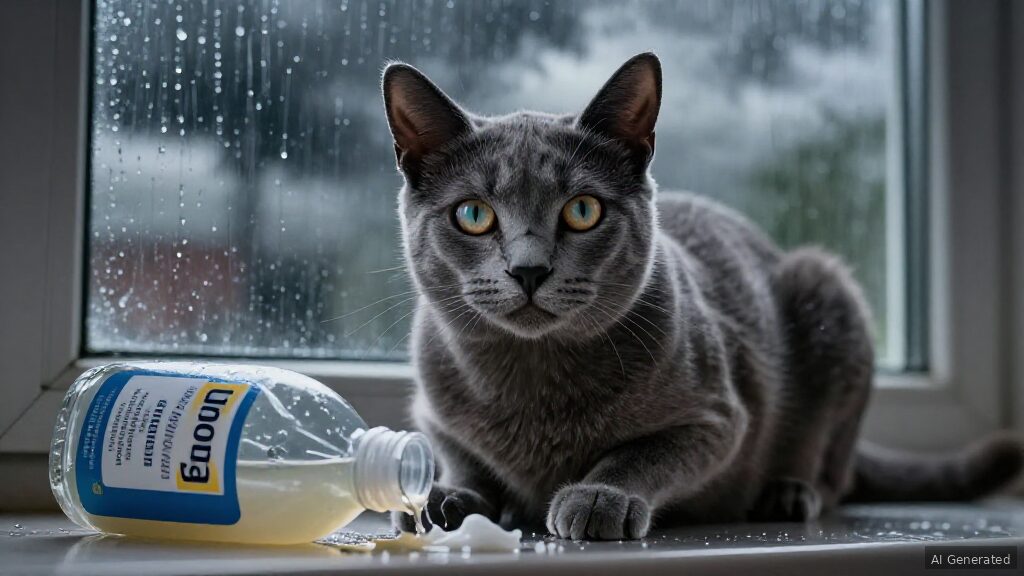
How to Make Fabrics Soft Without Fabric Softener?
Without fabric softener, fabrics can become stiff and generate static electricity, causing discomfort for many owners. However, if you must give up fabric softener for your cat’s health, it is recommended to use natural alternatives or change your washing method. The most representative natural alternative is vinegar. Vinegar removes residual fibers, softens the fabric, and prevents static electricity. Specifically, adding a small amount (about 1/4 cup) of white vinegar during the rinse cycle results in soft, clean laundry without any odor. The vinegar smell disappears completely during the drying process, so it is not harmful to cats.
Another method is using baking soda. Baking soda enhances the cleaning power of detergents and neutralizes the pH of fabrics to make them soft. Adding baking soda along with detergent during washing makes fabrics comfortable even without fabric softener. Additionally, when drying laundry, it is better to air dry rather than use a dryer. Dryers can cause fabric softener or detergent ingredients to penetrate deeper into the fabric due to high heat and can generate static electricity. When air drying, it is important to dry in a well-ventilated area to blow away chemical components as much as possible.
Utilizing natural solid wood furniture like PlayCat to improve the living space for cats is also a way to reduce dependence on fabric softeners. Wood has natural properties that regulate humidity and prevent static electricity, so placing solid wood furniture in spaces where cats stay can help reduce static in clothes and bedding. Furthermore, wood provides a warm and comfortable feeling without scent, creating an environment where cats feel comfortable even without artificial fragrances. Solid wood furniture surfaces are smooth and hygienic, making them safe for cat grooming behaviors.
Precautions When Using Natural Alternatives
There are also precautions when using vinegar or baking soda. Vinegar should never be mixed with chlorine-based bleach as it can generate harmful gases. Additionally, when using baking soda with detergent, do not add too much as it can reduce the cleaning power of the detergent, so adhere to the appropriate amount. Most importantly, even these natural alternatives are not guaranteed to be harmless to cats, so it is best to test with a small amount first. Especially for bedding or toys that cats directly contact, rinse thoroughly and dry before use to ensure no residue remains.
Environmental Improvement Solutions for Cat Behavioral Enrichment?
Behavioral Enrichment refers to creating an environment that allows cats to express their natural instincts. Creating an environment free of fabric softeners and chemicals is also an important part of behavioral enrichment. Since cats are sensitive to chemicals, living in a clean and safe environment reduces stress and allows them to exhibit healthy behaviors. Solid wood furniture like PlayCat is an ideal solution for cat behavioral enrichment. Wood is a natural material that cats enjoy for scratching, and its warm and cozy surface makes it suitable as a resting space.
By utilizing solid wood furniture, you can create an environment preferred by cats without artificial fragrances or chemicals. The natural scent of wood provides a sense of stability to cats and keeps the indoor air clean through its air-purifying effects. Additionally, solid wood furniture is designed with various heights and structures to stimulate a cat’s vertical movement and hunting instincts. For example, PlayCat’s solid wood shelves or play towers provide spaces for cats to jump and hide, alleviating boredom from indoor life and promoting physical activity. This is effective in enhancing the mental health of cats and preventing behavioral problems (e.g., accidents, aggression).
Environmental improvement is not just about changing furniture. You must comprehensively consider the air quality, lighting, sound, and chemical usage throughout the entire house. Washing with natural detergents without fabric softener reduces the toxic substances cats ingest when licking their fur. Additionally, placing solid wood furniture throughout the house and purifying the air through natural ventilation instead of artificial fragrances reduces olfactory stress for cats. Such environmental improvements lay the foundation for cats to live happily while maintaining their natural personalities.
Behavioral Enrichment Effects of PlayCat Solid Wood Furniture
PlayCat solid wood furniture satisfies the various behavioral needs of cats. Wood is a scratching material that cats love, providing opportunities to sharpen claws and stretch muscles. This has the dual effect of preventing furniture damage while protecting the cat’s health. Additionally, the natural temperature and texture of solid wood furniture make cats feel comfortable when resting. Especially in multi-cat households, placing wide solid wood shelves or towers that multiple cats can use simultaneously helps reduce conflicts between cats and allows each to have an independent space.
PlayCat furniture is made of natural solid wood with no added chemicals, making it safe even if cats touch or lick it directly. This fundamentally blocks the risk of exposure to harmful substances from fabric softeners or synthetic adhesives. Furthermore, the design of PlayCat furniture considers the cats’ field of view and movement paths, transforming the entire house into a cat-friendly space. Such environmental improvements greatly help in reducing cat stress and forming healthy living habits.
Common Mistakes and Solutions: The Truth About Fabric Softener Use
The most common mistake cat owners make regarding fabric softeners is placing faith solely in the words “natural” or “eco-friendly.” Many products use these terms, but they may actually contain ingredients harmful to cats. Additionally, using fabric softener with the thought that “it’s okay if I use a small amount” is also dangerous. A cat’s liver can be fatal if even small amounts of toxic substances accumulate, so the issue is not the quantity but the ingredients. Another mistake is using laundry immediately after washing without sufficient drying. Fabric softener ingredients need to evaporate during the drying process; if clothes or bedding are not dried sufficiently, chemical substances remain and harm cats.
To resolve these mistakes, you must first carefully check the product ingredient list. You must check for ingredients harmful to cats such as lavender, eucalyptus, and citrus. If possible, it is best not to use fabric softener at all; if you must, choose an unscented product and rinse thoroughly. Additionally, it is important to dry laundry outdoors or in a well-ventilated area to blow away chemical components. Utilizing solid wood furniture like PlayCat to create a chemical-free space to improve the home environment is also a good solution.
Finally, observing your cat’s reaction is important. If your cat coughs, rubs its eyes, or loses its appetite after using fabric softener, you must stop using it immediately. In multi-cat households, even symptoms in one cat require checking the entire household environment, and you should prioritize your cats’ health to improve the environment. These efforts lay the foundation for cats to live healthily and happily.
Action Checklist You Can Start Practicing Today
- Check Laundry Product Ingredients: Check the ingredient lists of your current laundry detergent and fabric softener to see if they contain harmful ingredients for cats such as lavender, eucalyptus, or citrus. If they do, stop using them immediately.
- Switch to Unscented Detergent: Switch to detergents labeled ‘Fragrance-free’, ‘Dye-free’, and ‘Hypoallergenic’. If possible, using a general unscented detergent rather than a cat-specific one may be safer.
- Utilize Vinegar: Add a small amount of white vinegar during the rinse cycle instead of fabric softener to make fabrics soft. The vinegar smell disappears during the drying process, so it is not harmful to cats.
- Increase Rinse Cycles: Repeat the rinse cycle more than twice during washing to minimize the residue of detergents and chemicals. Especially for cat-specific bedding, rinse even more thoroughly.
- Natural Drying: Air dry laundry instead of using a dryer, ensuring it is dried thoroughly outdoors or in a well-ventilated area to blow away chemical components. It is best to dry in the shade, avoiding direct sunlight.
- Introduce PlayCat Solid Wood Furniture: Place natural solid wood furniture like PlayCat in your cats’ resting and play areas to create a chemical-free environment. Wood also has anti-static and air-purifying effects.
- Observe Cat Reactions: Carefully observe changes in your cat’s behavior (coughing, loss of appetite, skin troubles, etc.) after changing laundry products. If abnormal symptoms appear, seek professional help immediately.
Frequently Asked Questions (FAQ)
1. Is it okay not to use fabric softener at all for cats?
Yes, fabric softener is not needed at all for cats and can actually be harmful to their health. While fabric softener functions to soften fabrics, it carries a high risk of leaving harmful chemical residues for cats. By using unscented detergents and vinegar, you can keep fabrics clean and soft without fabric softener. It is best to completely stop using fabric softener for your cat’s health.
2. Is “Natural Fabric Softener” safe for cats?
The label “natural” alone cannot guarantee safety. Many natural fabric softeners contain essential oils toxic to cats, such as lavender, eucalyptus, and tea tree oil. You must carefully check the ingredient list to ensure there are no harmful ingredients for cats. It is safest to avoid using products with unclear ingredients.
3. How should fabric softener be used in multi-cat households?
In multi-cat households, it is best to completely stop using fabric softener. Since multiple cats share the same air and bedding, toxic exposure in one cat can affect the entire household. If you must use it, choose an unscented product, rinse thoroughly, and dry laundry in a place inaccessible to cats.
4. Do cats dislike the smell of fabric softener?
Yes, cats strongly dislike the strong scent of fabric softener. A cat’s sense of smell is much more sensitive than humans’, allowing them to detect minute chemical components that we cannot smell. The scent can cause stress to cats and exacerbate respiratory diseases. Therefore, scented products should never be used in spaces where cats stay.
5. How does PlayCat solid wood furniture help cat health?
PlayCat solid wood furniture is made of natural wood with no chemicals and naturally satisfies cats’ scratching and resting behaviors. Wood has humidity control and air-purifying effects, keeping the indoor air clean and providing a sense of stability to cats. Additionally, since there are no artificial fragrances or chemical adhesives, it is safe even if cats touch or lick it directly.
6. How should fabrics be managed after washing to be safe for cats?
After washing, fabrics must be dried thoroughly to ensure chemical components completely evaporate. Natural drying is recommended over using a dryer, and it is best to dry outdoors or in a well-ventilated area. Additionally, bedding or toys that cats frequently contact should be washed separately with unscented detergent only, and rinsed thoroughly. It is also advisable to restrict cat access when storing clothes in closets.
Life with cats means that small changes in the environment lead to great happiness. Seemingly trivial choices, such as stopping the use of fabric softener, can determine a cat’s health and lifespan. Through this guide, please accurately recognize the risks of fabric softeners and develop hygienic laundry habits using unscented detergents and natural alternatives. Additionally, utilize natural solid wood furniture like PlayCat to create an environment where cats can freely express their natural behaviors. Your small efforts will be the greatest gift to your feline friends and the foundation for a happy and healthy life. Start checking and improving the environment for your cats’ health from today.
This content was written using AI technology. Always consult a veterinarian regarding medical information.