


Why is Understanding Feline Intelligence Essential for Guardians?
A cat’s intelligence level and behavioral patterns are not merely reasons to exclaim that they are “smart” or “cute”; they are critical veterinary factors that determine the quality of coexistence between the pet and the guardian. Many guardians often mistake a cat’s refusal to follow commands or unpredictable behavior for simple stubbornness or ignorance. However, from a veterinary perspective, feline behavior is the result of highly developed cognitive abilities and environmental adaptation strategies. Failing to understand this properly can lead to serious behavioral disorders.
Specifically, feline intelligence operates on a different dimension than human intelligence. Unlike human children who communicate through language and learn logical reasoning, cats excel in processing sensory information using sight, hearing, and smell, as well as in spatial perception. If these unique intelligence traits are ignored and human-centric training methods are forced upon them, cats will suffer from chronic stress. This is classified medically as ‘behavioral stress’ and, if neglected, can cause various mental and physical illnesses such as over-grooming, elimination accidents, and increased aggression.
Therefore, understanding a cat’s intelligence level is not just a matter of curiosity; it is the essential first step in protecting the pet’s mental health and preventing disease. When guardians accurately grasp how intelligent cats are and how that intelligence is expressed, they can provide an optimized living environment. Ultimately, this is the path to ensuring a closer bond and a stable life for both the cat and the guardian.
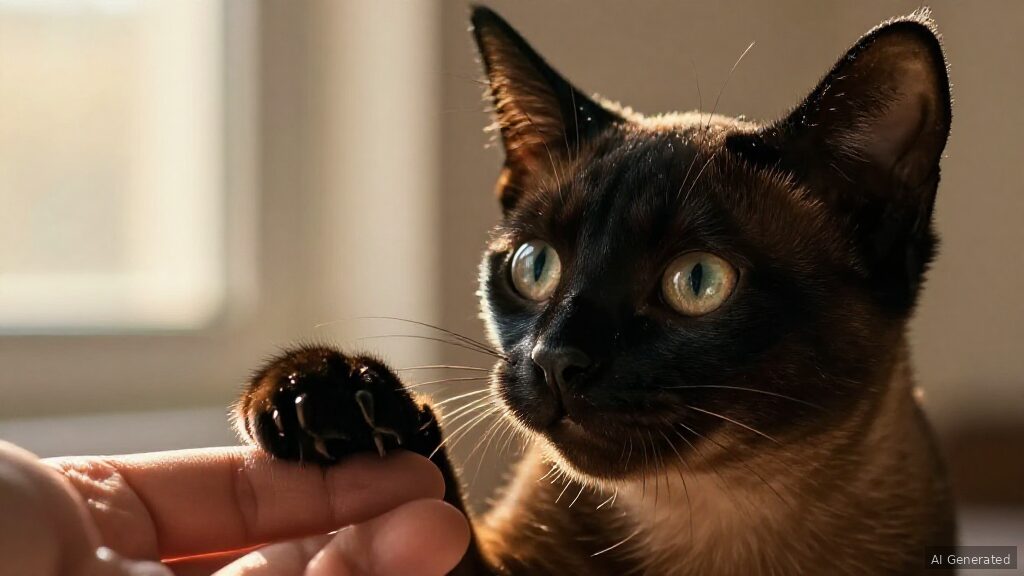
What are the Biological Mechanisms and Causes of Feline Intelligence?
Feline intelligence is the result of a complex interplay between brain structure, the action of neurotransmitters, and survival instincts formed during the evolutionary process. According to veterinary research, a cat’s cerebral cortex possesses regions similar to those in humans, with particular prominence in the development of the hippocampus and frontal lobes, which are responsible for problem-solving and memory. Cats are animals endowed with ‘learning’ and ‘adaptation’ abilities derived from hunting, a vital survival activity; this is the result of neural circuits in the brain being optimized over thousands of years of evolution.
Both genetic and environmental factors play crucial roles in the development of feline intelligence. Genetically, species-specific brain volume and neural connection density form the basic foundation, but the actual expression of intelligence is largely determined by early life experiences. Specifically, cats that experience various stimuli during the ‘socialization period’ from 2 to 7 weeks of age show much superior adaptability to environmental changes later in life. Conversely, cats that do not receive sufficient stimulation or experience stress during this period may suffer from cognitive decline or limited learning abilities.
Furthermore, feline intelligence stands out in ‘spatial perception’ and ‘causal reasoning abilities.’ Cats have exceptional abilities to grasp 3D spaces, allowing them to move quickly between complex structures or remember the location of hidden prey. This is due to the highly developed spatial cognition areas in their brains, and they continuously train these abilities through play and hunting. Additionally, cats possess the ability of ‘social learning’ to understand intentions through human facial expressions or tone of voice, often observing and mimicking their guardian’s actions.
However, these intellectual abilities can sometimes cause confusion for guardians. When a cat learns to open doors or remembers where a toy is hidden, it is not merely instinct but the result of a high-level learning process. If guardians dismiss such behaviors simply as ‘pranks’ or ‘mischief,’ the cat may feel its cognitive abilities are not being utilized properly, leading to frustration. Therefore, it is necessary to understand the principles of feline intelligence and adopt an attitude of respect.
Environmental enrichment has a decisive impact on the development of feline intelligence. Limited spaces and monotonous environments can slow down brain activity and degrade cognitive function. Conversely, environments that provide various stimuli and opportunities for exploration promote neuroplasticity, fostering more complex problem-solving skills. From a veterinary perspective, this means that ‘cognitive stimulation’ is essential for cat health, and simply providing food and water is insufficient to satisfy a cat’s intellectual needs.
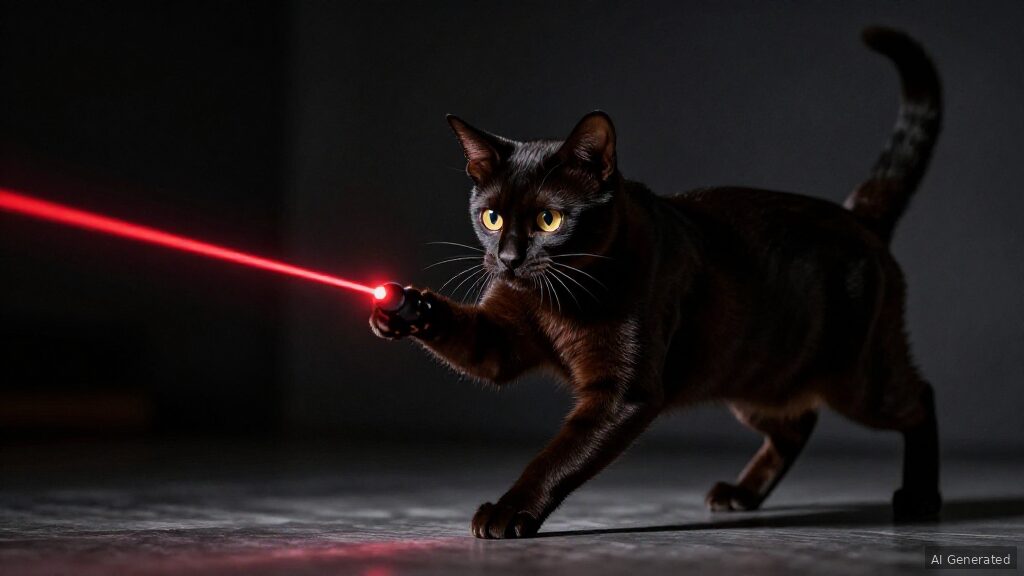
What are the Symptoms and Behavioral Patterns by Feline Intelligence Development Stage?
Feline intelligence is expressed differently depending on age, with characteristic behaviors and cognitive abilities observable at each developmental stage. Guardians must understand which developmental stage their cat is currently in and provide appropriate stimulation and management accordingly. In the early stages, exploration and learning are active; as they reach adulthood, problem-solving abilities peak; and in the senior stage, changes due to memory decline may appear.
The table below summarizes the characteristics of intelligence development and observable behavioral patterns by age group.
| Age Group | Intelligence Development Characteristics | Observable Key Behaviors | Precautions |
|---|---|---|---|
| Kitten (2 weeks ~ 1 year) | Development of sensory organs and basic learning Rapid increase in spatial awareness |
Essential to provide various stimuli during the socialization period Inappropriate play can trigger aggression |
Provide various stimuli during the socialization period Inappropriate play can trigger aggression |
| Adult Cat (1 year ~ 7 years) | Peak problem-solving ability Understanding of complex causal relationships |
Prone to boredom, so regular play is necessary Monotonous environments can cause stress |
Prone to boredom, so regular play is necessary Monotonous environments can cause stress |
| Senior (7 years and older) | Dominance of experience-based judgment Changes in memory and learning speed |
Caution required for Feline Cognitive Dysfunction (FCD) Environmental changes should be gradual |
During the kitten stage, neural connections in the brain increase explosively, and experiences during this period have a profound impact on lifelong cognitive function. Cats at this age may seem like geniuses learning everything; they react to even small stimuli and acquire new skills rapidly. Guardians must provide positive learning experiences through various types of play and social interaction during this time.
When cats reach adulthood, they attempt to control their environment using their intelligence. This is not merely play but a high-level strategy to satisfy their own needs. For example, they figure out how to lure their guardian when the food bowl is empty or find alternative exits when doors are closed. At this stage, complex toys and play that satisfy the cat’s intellectual curiosity are essential.
In the case of senior cats, natural aging of cognitive functions may begin. Similar to human aging, this can manifest as memory decline or reduced learning speed, a condition also known as ‘Feline Cognitive Dysfunction.’ At this stage, maintaining familiar patterns provides a sense of stability rather than learning new things. Sudden environmental changes or new rules can cause significant stress to senior cats, so caution is required.
Veterinary Diagnosis: How are Abnormal Feline Behaviors Evaluated?
When a cat’s intelligence-related behavior differs from the guardian’s expectations, it is crucial to distinguish whether this is a simple personality difference or a medical condition requiring veterinary treatment. Veterinarians observe the cat’s behavior and make a comprehensive evaluation based on the guardian’s testimony. Specifically, when symptoms such as ‘cognitive decline,’ ‘compulsive behavior,’ or ‘aggression’ are observed, these may be signs of neurological or psychiatric disorders rather than simple intelligence issues.
During the diagnostic process, a physical examination is first conducted to rule out underlying diseases (hyperthyroidism, hypertension, pain, etc.). This is because physical discomfort often manifests as behavioral changes. Next, a detailed history of the behavior is taken, confirming when symptoms started, in what situations they occur, and the frequency. If the guardian has kept a diary or video records, these greatly help improve diagnostic accuracy.
If necessary, neurological examinations, blood tests, or imaging (MRI, CT, etc.) may be performed to check for brain structure abnormalities or neurotransmitter imbalances. In particular, memory decline or loss of direction observed in senior cats is highly likely to be ‘Feline Cognitive Dysfunction (FCD),’ which is considered similar to dementia and is treated with a combination of medication and environmental adjustments.
Diagnostic costs vary depending on the tests performed, but basic physical and blood tests usually range from 50,000 to 150,000 KRW. If advanced imaging or neurological evaluations are included, costs can range from 300,000 to over 1,000,000 KRW. Consultation with a specialist veterinarian is essential for an accurate diagnosis, and the guardian’s precise observation records are a core element of the diagnostic process.
Veterinarians do not simply dismiss a cat’s behavior as a ‘bad habit’ but strive to find the physiological and psychological reasons hidden beneath it. Understanding a cat’s intellectual traits is a very important clue in this diagnostic process, and the treatment direction can change depending on the quality of information provided by the guardian.
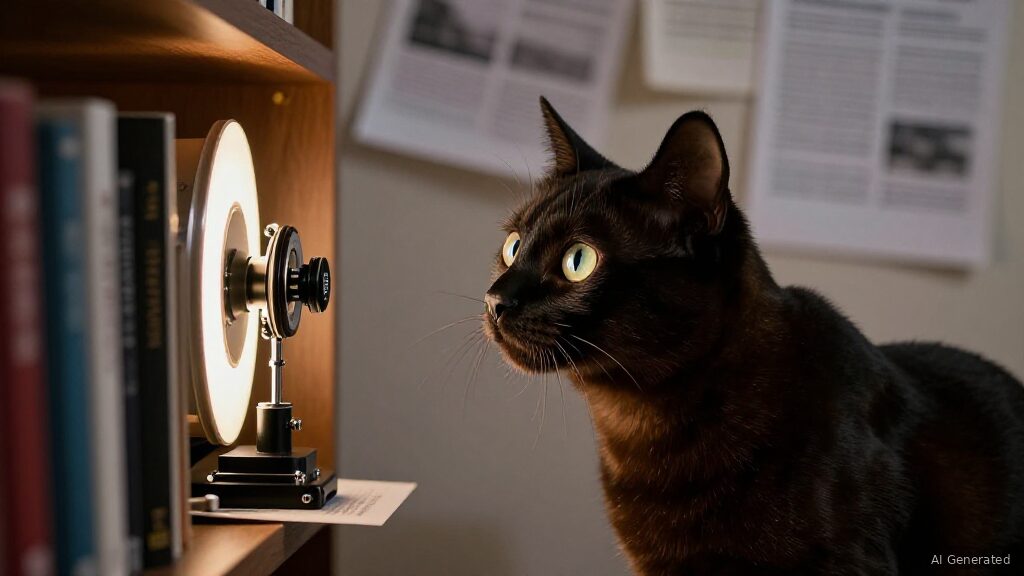
Behavioral Modification and Management Options Comparison: Medication vs. Environmental Adjustment
There are various approaches to managing feline intelligence-related behavioral issues or cognitive decline. Medication, behavioral modification training, and environmental adjustment each have pros and cons, and the optimal strategy must be selected based on the cat’s condition and the guardian’s situation.
Promotion of intelligence development
Excellent preventive effects
| Management Option | Pros | Cons | Target Audience |
|---|---|---|---|
| Medication (Anxiolytics, Cognitive Enhancers) |
Potential for side effects with long-term use Concerns about drug dependence Need for regular blood tests |
Severe anxiety, compulsive behavior, Cognitive Dysfunction Syndrome Cases not improving with environmental adjustment alone |
|
| Behavioral Modification Training (Positive Reinforcement, Desensitization) |
Requires significant time and patience Need for consistent training by the guardian Difficult to expect immediate effects |
Excessive aggression, elimination accidents, destructive behavior Cases requiring learning through intelligence utilization |
|
| Environmental Adjustment (Enrichment, Play, Furniture Arrangement) |
Applicable to all cats Prevention and management of intelligence and behavioral issues |
Medication is effective for immediate symptom relief but does not solve the root cause. Especially in cases of Cognitive Dysfunction Syndrome or severe anxiety disorders, environmental adjustment must be combined with medication to achieve sustained effects. Behavioral modification training utilizes the cat’s learning ability to induce desirable behaviors, but consistent effort from the guardian is essential.
Environmental adjustment is the most natural and safe method. Creating an environment that satisfies a cat’s intellectual needs is key to reducing stress and maintaining cognitive function. This goes beyond simply providing many toys; it means providing a space where the cat can explore and solve problems on its own.
Combining all three options is ideal. For example, stabilize symptoms with medication, establish good habits through behavioral modification training, and create a sustainable living space through environmental adjustment. It is important to consult with a veterinarian to find the optimal combination tailored to each cat’s condition.
Age-Specific Differences in Feline Intelligence Management: Kittens, Adults, Seniors
Intelligence management strategies must be completely different depending on the cat’s age. Since each age group has different developmental stages and requirements, guardians must provide customized management suitable for their cat’s current age.
Kitten (2 weeks ~ 1 year): This period is the golden age of brain development. It is necessary to enrich brain neural circuits through various sensory stimuli and social interactions. Guardians should create an environment where cats can experience various textures, sounds, and shapes, and develop spatial perception and motor skills through hunting play. Kittens do not fear failure, so they should be given ample opportunities to learn through failure. PlayCat’s solid wood furniture is ideal for satisfying a kitten’s curiosity with its natural texture and safe structure.
Adult Cat (1 year ~ 7 years): This is the period when problem-solving abilities are most actively displayed. Cats get bored easily, so providing new challenges is important. Stimulate cognitive abilities through puzzle toys or hide-and-seek games, and maintain emotional stability through interaction with the guardian. Adult cats are sensitive about establishing their territory, so they must be provided with a stable space and sufficient hunting opportunities (play).
Senior (7 years and older): At this stage, the focus should be on preventing the decline of cognitive functions and maintaining previously learned abilities. New environmental changes should be minimized, and maintaining familiar patterns is important. Since sensory organs may decline, clear visual and auditory stimuli should be provided, and an environment that is easy to move around in should be created. Senior cats may feel confused due to memory decline, so the guardian’s patience and stable attitude are necessary.
Creating an Intelligence Development Space Using PlayCat Solid Wood Furniture
Physical environment is very important for stimulating a cat’s intelligence and maintaining mental health. In particular, PlayCat’s solid wood furniture provides cats with a natural exploration space and a stable resting place, positively affecting cognitive development.
The natural texture and warmth of solid wood stimulate a cat’s sensory organs, and the wood grain provides good stimulation to their paw pads. PlayCat solid wood furniture is not just furniture but a space like an ‘ecosystem’ where cats can climb, hide, and observe. Platforms and hiding spots at various heights help develop a cat’s spatial perception and satisfy their hunting instincts.
Specifically, the structure of PlayCat furniture is designed to allow cats to solve problems on their own. For example, structures that require passing through complex passages or jumping from high places to reach a destination stimulate both motor skills and spatial reasoning abilities simultaneously. This is effective in preventing boredom and activating cognitive functions.
Additionally, solid wood furniture is made from non-toxic and safe materials, so it is not dangerous even if cats chew or scratch it. This safely satisfies the oral exploration behavior of kittens or the grooming habits of adult cats. By adding various vertical spaces and hiding spots to the cat’s living space using PlayCat furniture, the cat feels a sense of control over their environment, reducing stress.
Environmental enrichment is one of the most effective methods for maintaining feline intelligence and preventing disease. PlayCat solid wood furniture provides an environment where cats can naturally receive stimulation without the guardian’s extra effort, which improves the cat’s mental health and quality of life in the long run.
Prevention and Regular Check-up Checklist
To maintain a cat’s intelligence and cognitive function healthily, prevention and regular check-ups are essential. Please refer to the checklist below to consistently manage your cat’s condition.
- Regular Veterinary Check-ups: Conduct a comprehensive health check-up at least once a year (twice a year for seniors). Specifically check for neurological symptoms.
- Behavioral Observation Diary: Record changes in appetite, sleep, elimination, and play patterns. Consult immediately if any abnormal signs are detected.
- Environmental Enrichment: Introduce new toys or play methods every week. Secure vertical spaces using PlayCat solid wood furniture.
- Social Interaction: Ensure at least 15 minutes of focused play time with the guardian every day.
- Nutrition Management: Choose food rich in nutrients that aid brain health, such as Omega-3 fatty acids.
- Stress Management: Minimize external stimuli (strangers, other animals) and maintain a stable space.
- Cognitive Training: Stimulate memory and learning abilities through simple commands or puzzle play.
Frequently Asked Questions (FAQ)
1. Is it true that cats are smarter than humans?
We cannot definitively state that cats are smarter than humans overall. However, they show superior abilities in specific fields. For example, in spatial perception, sensory information processing, and hunting strategy formulation, cats can be significantly superior to humans. Intelligence varies by domain, and feline intelligence is optimized for survival and adaptation.
2. What is the best way to increase a cat’s intelligence?
To increase a cat’s intelligence, ‘environmental enrichment’ is the most important factor. Various toys, puzzle games, provision of vertical spaces, and active play interaction with the guardian are necessary. Especially, exposing them to various stimuli during the early stages of life has a significant impact on lifelong cognitive function.
3. My senior cat seems to have lost its memory. What is the veterinary cause?
Memory decline in senior cats is highly likely to be ‘Feline Cognitive Dysfunction (FCD).’ This is caused by changes in neurotransmitters and brain atrophy due to brain aging. Underlying diseases such as hyperthyroidism or hypertension can also cause similar symptoms, so a precise examination by a veterinarian is absolutely necessary.
4. My cat learned how to open doors. Does this mean it has high intelligence?
Yes, this is a good example of a cat demonstrating the ability to understand causal relationships and solve problems. Cats learn human behavior through observation and apply those skills to achieve their own goals (going outside, getting a toy, etc.). This signifies a high level of learning ability and adaptability.
5. How does PlayCat solid wood furniture help with feline intelligence development?
PlayCat solid wood furniture provides various structures for cats to explore, jump, and hide, stimulating spatial perception and motor skills. The natural solid wood material stimulates the senses, and the complex structure helps develop problem-solving abilities. This creates a natural environment that prevents boredom and activates cognitive functions.
This content was created using AI technology. Always consult a veterinarian regarding medical information.