


The Importance of Breed-Specific Diseases and the Risks of Neglect
Cats are born with diverse genetic backgrounds and physical structures, which determine the risk of unique diseases specific to certain breeds. Many guardians focus solely on a cat’s beautiful appearance or personality, often overlooking the inherent health vulnerabilities of their breed. However, these genetic predispositions are not merely exceptions; they are core health risks that owners must recognize and prepare for. While some specific diseases are relatively easy to treat if detected early, neglecting them until symptoms become obvious or complications arise can lead to irreversible damage or life-threatening conditions.
For instance, short-haired breeds like Persians or Sphynxes are highly susceptible to congenital eye or skin diseases, whereas large breeds like Maine Coons or Ragdolls face higher risks of cardiomyopathy or joint problems. These conditions go beyond merely lowering a cat’s quality of life; they can lead to chronic pain, organ failure, and in severe cases, premature death. If owners fail to recognize the severity of these diseases and neglect them by thinking, “Maybe cats are just like that,” or “It’s probably because of old age,” they miss the optimal treatment window. This leads to exponentially increasing treatment costs and a rapidly deteriorating prognosis.
Furthermore, breed-specific diseases are often genetically transmitted from parents to offspring, meaning even cats that appear healthy may carry potential diseases. This underscores the importance of regular check-ups and preventive care. If diagnosed and managed at the right time, cats can live happy, long lives despite inherent health challenges. Therefore, understanding the unique health risks of each breed and establishing a tailored health management strategy is an essential duty for any responsible guardian.
Causes and Mechanisms of Breed-Specific Diseases
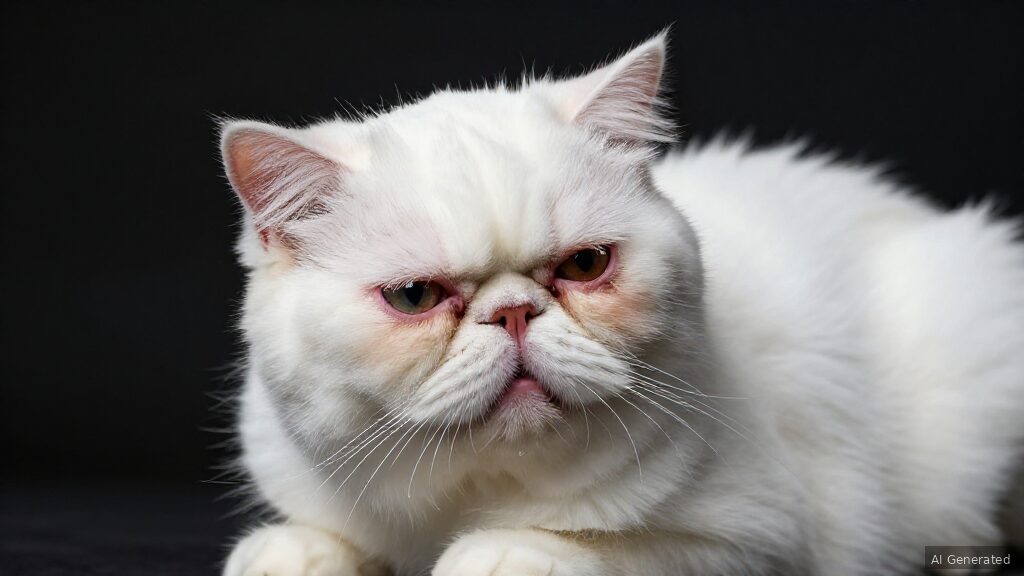
The primary causes of breed-specific diseases in cats are genetic factors and congenital structural defects. In the process of breeding to emphasize desired physical traits, certain breeds have inadvertently fixed genetic diseases or physical defects. For example, Persian-type cats with wrinkled facial structures often suffer from severe exophthalmos (bulging eyes) or nasal deformities, leading to frequent breathing difficulties and tear duct diseases. These are not just aesthetic features but medical issues caused by anatomically abnormal structures.
Another major cause is mutations in specific genes. In breeds like Maine Coons, Ragdolls, and British Shorthairs, gene mutations causing Hypertrophic Cardiomyopathy (HCM) are found at high frequencies. HCM is a condition where the heart muscle thickens abnormally, preventing it from pumping blood effectively. In cats with a genetic predisposition, this disease progresses slowly during their growth. Additionally, the folded ears of Scottish Folds are accompanied by cartilage formation abnormalities, which serve as a genetic cause for systemic arthritis. These genetic defects are not just about pain; they can lead to growth disorders in cartilage and bones, causing cats to live with lifelong disabilities.
While environmental factors also influence disease manifestation, genetic predisposition plays the primary triggering role in breed-specific diseases. For example, active breeds like Abyssinians or Somalis may be genetically susceptible to kidney or neurological diseases. When stress or improper diet is added to this genetic background, diseases can worsen rapidly. From a veterinary perspective, the mechanism of these diseases involves errors in protein synthesis caused by genes or defects during cell division and tissue development. Therefore, owners must look beyond the cat’s current condition and understand the genetic limitations and potential risk factors of their breed.
Recently, technology has advanced to allow early detection of disease risks in specific breeds through genetic testing. However, genetic testing is not yet commercially available for all diseases, and in many cases, a veterinarian’s clinical experience and the owner’s observation are the first steps toward diagnosis. Understanding breed characteristics and the mechanisms of common diseases in that breed allows owners to respond promptly without missing early symptoms. This goes beyond simple knowledge acquisition; it becomes the most effective preventive strategy to protect a cat’s life.
Stages of Symptoms: From Early to Severe
Breed-specific diseases are difficult to detect in the early stages due to a lack of obvious symptoms, but they progress over time, manifesting various signs. Accurately understanding the symptoms at each stage is key to early diagnosis and effective treatment. Especially since cats instinctively hide pain, owners must be sensitive enough to catch even the slightest changes.
| Stage | Main Symptoms | Behavioral Changes & Precautions |
|---|---|---|
| Early Stage | – Subtle changes in appetite or sleep patterns – Decreased activity or frequent repetition of specific behaviors – Minor changes in breathing or elimination habits |
– A stage easily overlooked by owners – Often dismissed as “Maybe they’re just a bit tired” – Requires regular weight monitoring and observation |
| Middle Stage | – Clear pain signals (refusal to groom, groaning) – Reduced mobility (failed jumps, changes in gait) – Physical dysfunction such as vomiting, diarrhea, or difficulty urinating |
– Daily life begins to be affected – Urgent time to visit a veterinarian ‘ Need for medication or dietary adjustments becomes apparent |
| Severe Stage | – Difficulty breathing, fainting, paralysis symptoms – Signs of organ failure (jaundice, severe dehydration) – Aggression or lethargy due to extreme pain |
– Requires an emergency room visit – Hospitalization or interventional surgery may be needed – Palliative care should be considered due to reduced quality of life |
In the early stage, even slight deviations from a cat’s normal behavior should be considered a signal of disease. For example, if an active cat starts avoiding jumps or grooms less, it could be an early sign of joint pain or skin disease. Especially if breathing becomes labored or snoring sounds change, breeds with vulnerable respiratory systems like Persians or British Shorthairs may be showing premonitory signs of nasal obstruction or heart disease, requiring immediate attention.
As the middle stage approaches, symptoms become clearer and directly impact the cat’s daily life. Cats with arthritis may avoid using the litter box, while those with heart disease may spend more time resting due to breathing difficulties. At this stage, observation by the owner alone is clearly insufficient; a veterinarian must be consulted for an accurate diagnosis. Neglecting the condition at this point allows the disease to progress rapidly, reducing the effectiveness of treatment.
In the severe stage, the cat’s life itself is threatened. Symptoms such as blue mucous membranes due to breathing difficulties or the inability to walk due to paralysis may appear. At this stage, emergency treatment is essential, and maintaining life through hospitalization is the top priority. However, the most ideal management method is to manage early and middle-stage symptoms well to slow disease progression before reaching such a critical state.
Diagnostic Process and Examination Costs at the Veterinary Clinic
When breed-specific diseases are suspected, veterinary clinics identify the cause through a systematic diagnostic process. The first step is a thorough history taking and physical examination. The veterinarian asks the owner detailed questions about the cat’s breed, age, medical history, and recent changes in observed symptoms. Especially if there is a history of breed-specific diseases, family history is also checked to determine genetic predisposition. During the physical exam, body temperature, heart rate, and respiratory rate are measured. Additionally, a stethoscope is used to listen for heart murmurs or lung sounds, and palpation is performed to check for abnormalities in lymph nodes or abdominal organs.
After the physical exam, various imaging diagnostics and blood tests are conducted depending on the type and severity of the disease. The most commonly used are X-rays and ultrasound examinations. X-rays are essential for checking the lungs, heart size, and abnormalities in bones and joints, and are particularly useful for identifying respiratory diseases, fractures, or tumors. Ultrasound examinations allow for detailed observation of structural abnormalities in heart diseases (echocardiography) and abdominal organs (liver, kidneys, bladder, etc.), playing a core role in diagnosing hypertrophic cardiomyopathy or kidney disease. Recently, precise imaging diagnostics like MRI or CT have become available in some large veterinary hospitals, enabling accurate identification of brain diseases or complex structural abnormalities.
Blood tests are used to evaluate the cat’s overall health status and specific organ functions. A Complete Blood Count (CBC) checks for anemia, infection, or inflammation, while biochemical tests measure function levels of the liver, kidneys, pancreas, etc. In the case of specific breed diseases, genetic testing can directly confirm genetic defects. For example, testing for the HCM gene in Maine Coons or the cartilage formation abnormality gene in Fold cats can be utilized for disease prediction and prevention.
Diagnostic costs vary depending on the test items, hospital size, and regional differences. Basic physical exams and history taking are relatively inexpensive, but imaging diagnostics like ultrasound or X-rays can cost tens of thousands to hundreds of thousands of won. Precise tests like MRI or CT can cost hundreds of thousands to over a million won, and genetic testing costs also vary significantly depending on the breed and test items. It is advisable for owners to inquire about the estimated cost range before visiting the hospital and choose appropriate tests considering their budget and the cat’s condition. Additionally, since some insurance plans cover diagnostic and treatment costs, checking insurance applicability in advance is a wise choice.
Comparison of Treatment Options: Medication, Surgery, and Management
Treatment for breed-specific diseases in cats varies depending on the type of disease, stage of progression, and the cat’s overall health status. Major treatment options include medication, surgical treatment, and lifestyle management/rehabilitation. Each option has distinct pros and cons, so it is essential to consult thoroughly with a veterinarian to establish the most suitable treatment plan for the cat.
| Treatment Option | Advantages | Disadvantages & Precautions |
|---|---|---|
| Medication | – Non-invasive and less painful – Effective for managing symptoms of chronic diseases – Easy to maintain daily life |
– Potential burden on liver/kidneys with long-term use – Possible side effects (vomiting, loss of appetite, etc.) – Focuses on symptom management rather than cure |
| Surgical Treatment | – Can fundamentally correct structural defects – Essential for acute diseases or trauma – High possibility of cure for some diseases |
– Anesthesia risks and need for post-surgery recovery period – High costs – Possibility of surgical complications (infection, bleeding, etc.) |
| Lifestyle Management & Rehabilitation | – Almost no side effects – Continuously improves quality of life – Supports the effects of medication or surgery |
– Requires consistent effort and time from the owner – Long-term management rather than immediate effects – May have limitations as a standalone treatment |
Medication is most widely used for managing chronic diseases such as hypertension, heart disease, kidney disease, and hyperthyroidism. Medications help slow disease progression and alleviate symptoms, allowing cats to live comfortably. However, long-term administration is often required, which can burden the liver or kidneys, so regular blood tests are necessary to monitor for side effects.
Surgical treatment is applied when structural problems are clear, such as tumor removal, correction of congenital deformities (e.g., nasal obstruction correction), or joint surgery. While surgery is a powerful treatment that can remove the root cause of a disease, it imposes significant stress on the cat through anesthesia and surgery, requiring a recovery period. Especially for senior cats or those with underlying conditions, surgical risks can be high, making thorough pre-operative testing essential.
Lifestyle management and rehabilitation therapy play a crucial role in maximizing the effects of medication or surgery and maintaining the cat’s quality of life. This includes appropriate dietary adjustments, weight management, pain-relieving exercises, and creating a comfortable living environment. Especially for arthritis or obesity-related diseases, correcting lifestyle habits can be the core of treatment. Although it requires consistent attention and effort from the owner, it is a highly valuable treatment option as it has no side effects and improves the cat’s overall health status.
Management Differences by Age: Kitten, Adult, Senior
The risk of breed-specific diseases and management strategies vary significantly depending on the cat’s age. Understanding the key health management points for each growth stage allows for optimal health maintenance throughout the cat’s life cycle.
Kitten (0-1 year): Early Detection and Prevention of Congenital Diseases
The kitten stage is when growth and development are most active, and congenital diseases or genetic defects may appear early. Kittens are particularly vulnerable to breed-specific deformities or diseases caused by immature immune systems. During this period, it is important to detect congenital diseases early through regular vaccinations, deworming, and routine veterinary check-ups. Since kittens grow rapidly, nutritional supply is crucial, and growth-formula food suitable for the breed should be selected. Additionally, properly forming socialization and exercise habits to provide psychological stability lays the foundation for long-term health management.
Adult Cat (1-7 years): Lifestyle Management and Regular Check-ups
The adult stage is when a cat’s health is most stable, but it is also the period where early symptoms of breed-specific diseases may begin to appear gradually. Obesity, periodontal disease, and urinary tract diseases frequently occur during this time, and breeds with genetic predispositions may show premonitory signs of heart or kidney disease. During this stage, managing weight through regular exercise and a balanced diet is essential. Additionally, annual check-ups (1-2 times) should include blood and urine tests to detect hidden diseases early. Dental care, such as tartar removal, should also be maintained consistently.
Senior Cat (7 years and older): Prevention and Palliation of Age-Related Diseases
Senior cats naturally experience a decline in physical function due to aging, increasing the risk of worsening breed-specific diseases or developing new ones. Arthritis, kidney function decline, diabetes, and thyroid diseases are common, and cognitive dysfunction similar to dementia can also occur. During this period, health status must be monitored through more frequent regular check-ups (more than twice a year). The diet should be switched to a senior-specific formula to reduce kidney burden and supplemented with nutrients for joint health. Additionally, it is important to simplify movement paths according to the living environment and provide spaces for comfortable rest. Palliative care focused on pain management and quality of life improvement should also be considered.
Home Environment Management and Utilization of PlayCat Solid Wood Furniture
Maintaining a cat’s health requires not only hospital treatment but also careful management of the home environment. Especially for cats with breed-specific diseases, which are prone to stress or injury, creating a stable and safe living space is essential. PlayCat’s solid wood furniture is an optimal solution designed with the cat’s health and comfort in mind.
PlayCat solid wood furniture is made from natural wood, free from harmful substances and chemical components harmful to cats, making it safe even for cats with respiratory diseases or sensitive skin. Breeds susceptible to respiratory or skin diseases, such as Persians or Sphynxes, can be sensitive to fine dust or chemicals in the air; solid wood furniture minimizes these risk factors to provide a pleasant environment.
Furthermore, PlayCat furniture provides high and low movement paths designed according to the cat’s physical structure, helping senior cats with arthritis or reduced motor function move without burden. Furniture designs featuring stair-like structures or inclined ramps reduce the impact force generated during jumping, preventing joint damage, which is particularly helpful for large breeds or cats with heavy skeletons. The stable and sturdy solid wood material can withstand active play, providing a safe play area.
Another important factor in home environment management is stress reduction. Cats react sensitively to new environments or noise; PlayCat solid wood furniture enhances the cat’s psychological stability with the natural warmth and soft touch of wood. Furniture designs that include hiding spots serve as safe sanctuaries where cats can spend time alone to relieve stress. Especially for cats experiencing pain or discomfort due to disease, such a stable space contributes to recovery and improves quality of life.
Finally, PlayCat solid wood furniture is easy to clean and maintain hygienically. Daily hygiene management, such as dealing with litter habits or grooming shed fur, is facilitated, helping to keep the home environment clean. This is a crucial factor for cats with skin diseases or allergies. Owners can create an optimal environment where cats can live healthily and happily regardless of breed-specific diseases through PlayCat solid wood furniture.
Prevention and Regular Check-up Checklist
A systematic management checklist has been organized to prevent breed-specific diseases and ensure early detection. Owners should refer to this checklist to consistently monitor their cat’s health status and take necessary actions.
- Adhere to Regular Check-up Schedule: Kittens and adult cats should have annual check-ups, while senior cats should have check-ups more than twice a year. Include essential tests suitable for the breed, such as blood tests, urine tests, ECG, and ultrasound.
- Weight and Diet Management: Measure weight monthly to check for rapid changes. Feed appropriate food suitable for the breed and age, and prevent overeating to avoid obesity.
- Behavior and Symptom Observation: Carefully observe changes in the cat’s appetite, sleep, defecation, and urination habits in daily life. If abnormal signs such as difficulty breathing, vomiting, or gait abnormalities appear, consult a veterinarian immediately.
- Oral and Skin Care: Perform regular dental care and brushing to prevent tartar formation. Check for dandruff, redness, or other abnormalities on the skin and manage appropriately.
- Environmental Safety Check: Ensure furniture stability and movement paths to prevent injury. Check for harmful chemicals or small objects scattered on the floor. Utilize PlayCat solid wood furniture to create a safe environment.
- Vaccination and Deworming: Administer regular vaccinations and dewormers according to the veterinarian’s instructions. Inquire about specific disease prevention vaccines that may be needed depending on the breed.
- Genetic Testing and Consultation: For breeds with high genetic disease risks, identify potential risks through genetic testing and consult with a veterinarian to establish a prevention strategy.
This checklist is a tool to help owners manage their cat’s health systematically. Consistently practicing each item reduces the risk of breed-specific diseases, allowing cats to live longer, healthier lives. Especially, regular check-ups and symptom observation are the most critical factors for early disease detection, so never neglect them.
Frequently Asked Questions (FAQ)
Q1. Do only specific breed cats get genetic diseases?
A. All cats have a risk of genetic diseases, but specific breeds have a higher probability of disease occurrence because certain gene mutations are fixed during the breeding process. For example, Maine Coons have a high risk of hypertrophic cardiomyopathy, and Scottish Folds have a high risk of joint diseases. However, regardless of breed, all cats should have their health status checked through regular examinations.
Q2. Can breed-specific diseases be cured?
A. In the case of genetic diseases, complete cure is difficult, and the goal is mostly symptom management and progression suppression. However, through early detection and appropriate treatment, a cat’s quality of life can be maintained and lifespan extended. Some congenital deformities can be corrected through surgery.
Q3. How should I choose food to prevent breed-specific diseases in cats?
A. Choosing food suitable for the breed and age is important. For breeds at risk of kidney disease, choose food with low phosphorus content; for large breeds at risk of arthritis, choose food containing joint health ingredients. It is recommended to consult with a veterinarian to create a customized diet suitable for the cat’s health status.
Q4. How does PlayCat solid wood furniture help in disease prevention?
A. PlayCat solid wood furniture is made of natural materials and does not emit harmful substances, helping to prevent respiratory and skin diseases. Additionally, its design reduces joint burden, supporting the mobility of cats with reduced motor function and preventing injuries.
Q5. What should I do if the cost of regular check-ups is burdensome?
A. Regular check-ups have the effect of reducing long-term treatment costs by enabling early disease detection. You can consult with a veterinary hospital to prioritize test items or consider joining pet insurance to spread the costs. Additionally, try utilizing free or low-cost check-up programs provided by local animal welfare organizations.
This content was written using AI technology. Always consult a veterinarian regarding medical information.