


Is a Cat Suddenly Running Away Really Scary?
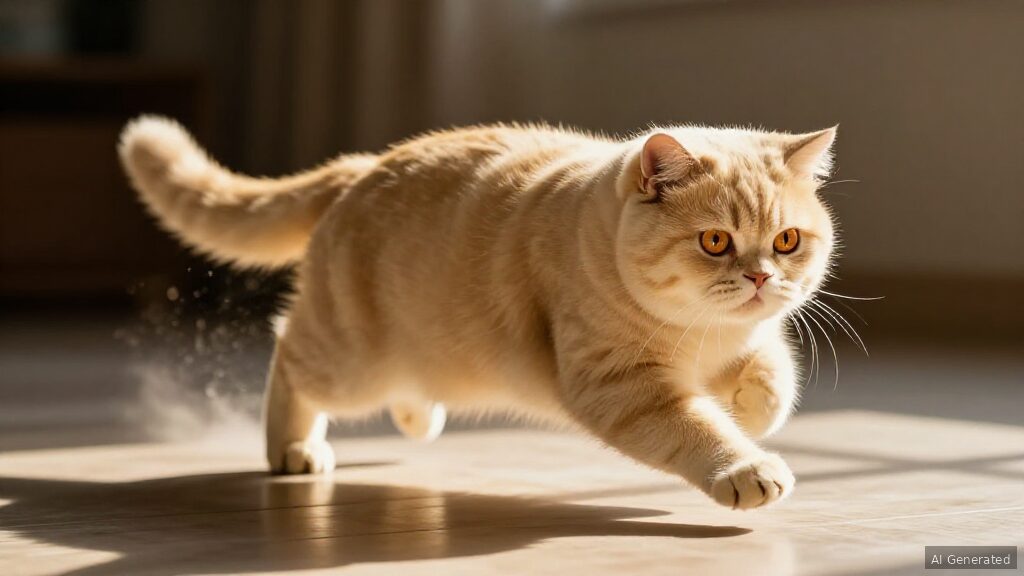
When many guardians witness a cat running away, the first thought that comes to mind is often, “Did I do something wrong?” or “Does my cat dislike me?” causing anxiety. However, from the perspective of feline ethology, this repetitive behavior of running away from the owner and then approaching again is not merely avoidance. It can be the result of complex psychological states and environmental factors. Especially when environmental enrichment is lacking, this behavior is highly likely to be a signal that the cat is feeling stressed in its current living environment or is unable to regulate excessive excitement.
Cats are naturally hunters and predators, animals that have maintained their survival through movement, hiding, and unpredictable actions. Therefore, it is crucial to distinguish whether the ‘running away’ we imagine is a response to an actual threat, a signal to initiate play, or a warning that environmental improvements are needed. Through this article, we will identify the 6 core reasons why cats run away and propose specific environmental improvement strategies and methods for environmental enrichment using PlayCat‘s solid wood furniture. Let’s start analyzing their behavior to form a deeper bond with our cats and create a stress-free life, going beyond simple curiosity.
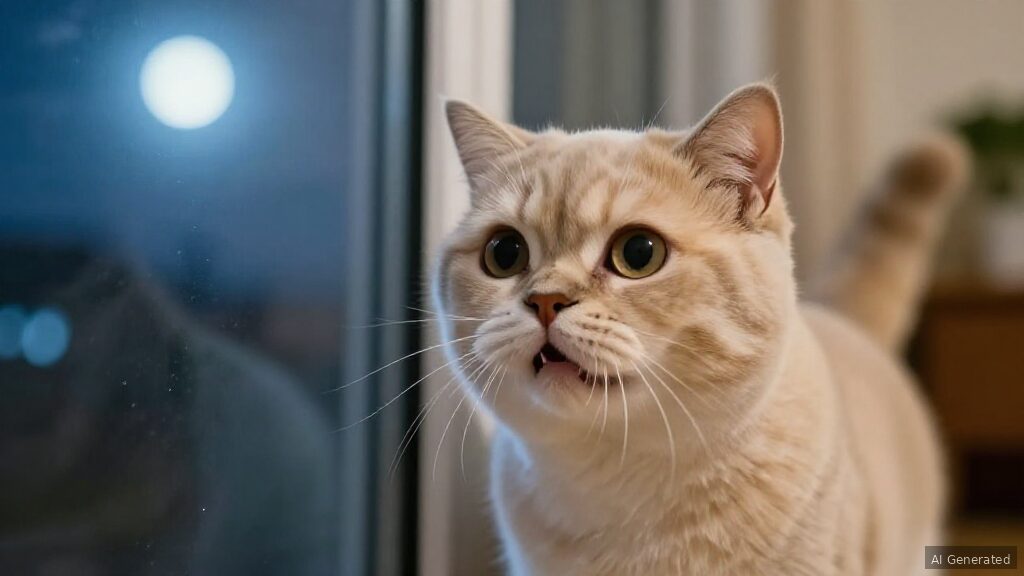
1. Why Does a Cat Suddenly Run Away While Trying to Play?
One of the most commonly witnessed situations is a cat chasing the guardian and then suddenly changing direction to run away. This happens because the cat’s instinctive hunting game cycle of ‘Pursuit – Capture – Hunt’ is working perfectly.
Transition Signal from the ‘Pursuit’ Stage to ‘Capture’ in Hunting Instinct
A cat’s hunting behavior is an important activity that goes beyond simply catching prey; it consumes energy and satisfies instincts. When the guardian moves with a wand toy or toy, the cat perceives it as ‘moving prey’. At this point, if the cat chases the guardian and then suddenly runs away, it may be because the prey (the guardian) got too close, triggering an instinctive sense of danger, or it could be a strategic move to ‘Hide – Wait – Set a Trap’.
Especially for kittens, who are in the process of learning hunting skills, they often repeat the game of chasing and running away from the guardian’s movements. This is part of social interaction and a clear signal saying, “Play with me.” On the other hand, if this behavior persists in an adult cat, it may mean that there is a lack of appropriate stimulation to hunt in the current environment. Senior cats may find short-distance running games difficult due to joint pain or fatigue, so running away at this age could be an expression of pain or discomfort and should be observed carefully.
‘Sensory Overload’ Due to Excessive Excitement
When a cat’s excitement reaches its peak, it may exhibit aggressive or evasive behaviors. This is called ‘sensory overload’. If play with the guardian lasts too long or the stimulation becomes too intense, the cat’s nervous system becomes overactive, sending a signal that it ‘must run away’. At this time, the cat may flatten its ears (flat ears) or shake its tail vigorously before suddenly running away. This means, “This play is too hard right now, I want to stop.”
To resolve this phenomenon, it is essential to adjust the intensity of play and provide a space where the cat can rest on its own. Providing structures where the cat can observe the surroundings from a high place or hide, like PlayCat‘s solid wood furniture, greatly helps secure a ‘safe place’ where the cat can regulate its excitement and calm down.
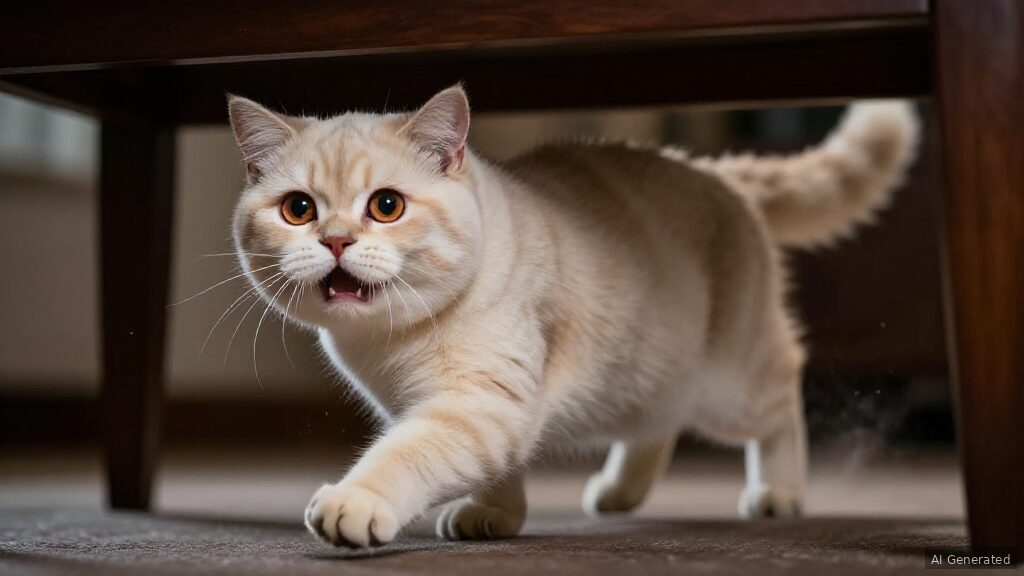
2. Is the Cat Running Away Because the Environment is Boring?
Cats are naturally curious animals that explore new things, but if they receive the same stimulation every day in the same environment, they quickly feel bored. Boredom acts as stress for cats, which can trigger anxious behaviors and ultimately lead to running away from the guardian.
Sensory Numbness in a Fixed Environment
A cat’s senses are much sharper than humans’. They perceive the environment through various sensory inputs such as smell, sound, texture, and visual information. However, if every corner of the house is exactly the same every day, toy positions don’t change, and no new smells enter, the cat falls into a state of ‘sensory numbness’. At this point, the cat may try to find external stimulation by running away from the guardian, or make unconscious attempts to expand its territory.
This phenomenon is particularly noticeable when environmental enrichment is lacking. What cats need is not just toys, but changes in the environment and experiences with various senses. For example, increasing the height the cat can climb or changing the location of hiding spots can provide the cat with new opportunities for exploration.
Anxiety Caused by Lack of Vertical Space
Cats naturally prefer high places and feel safe when looking down from above. An environment with a large floor area but insufficient vertical space leaves the cat with nowhere to hide when it feels threatened. When a cat runs away as the guardian approaches, it may be because there is no suitable place to escape on the floor.
PlayCat‘s solid wood furniture series is an optimized solution for solving this lack of vertical space. The natural texture of solid wood and stable structure make the cat unafraid of climbing high, and by providing platforms and passages at various heights, it helps the cat explore the environment and play on its own. Providing vertical space for a cat is not just about giving toys; it is the core of environmental improvement that satisfies their instinctive need for safety.
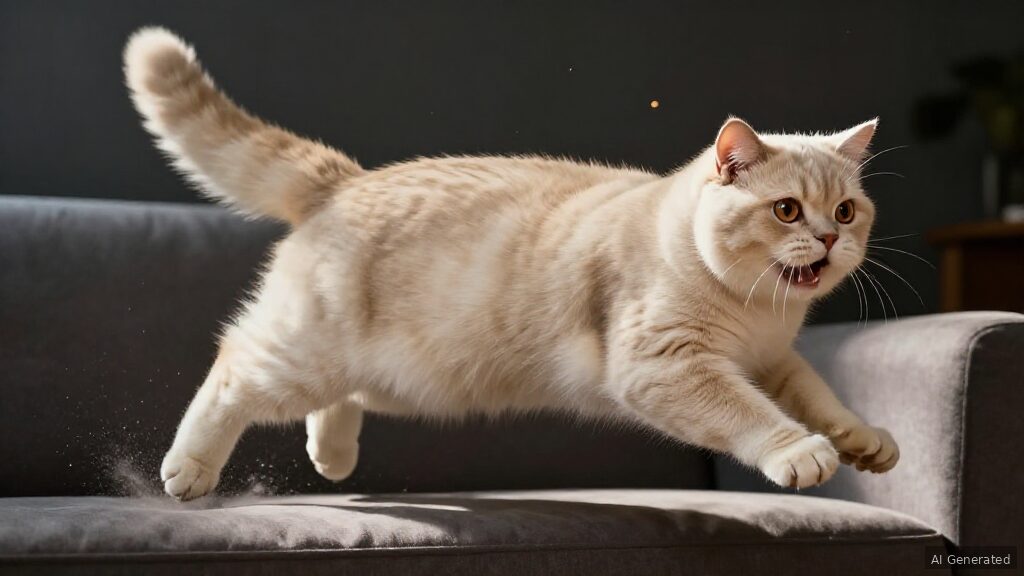
3. Can Stress Factors Make a Cat Run Away?
Cats are very sensitive to stress. Various factors such as the guardian’s sudden actions, the arrangement of new furniture, the presence of other pets, or external noise can trigger stress, which manifests as running away.
Reaction to Unpredictable Environmental Changes
Cats gain stability through consistent patterns and predictability. If the guardian suddenly speaks loudly, carelessly tries to grab the cat, or shakes a toy too vigorously, the cat perceives this as a threat and runs away. This reaction is particularly strong in cats that are especially shy around strangers.
To lower a cat’s stress index, it is important to maintain a consistent pattern of guardian behavior and approach the cat at its own pace. Additionally, it is necessary to provide enough ‘hiding spots’ where the cat can relieve stress on its own. The interior spaces of PlayCat‘s solid wood furniture serve as perfect hiding spots where cats can block out outside views and find mental peace.
Territory Disputes and Running Behavior in Multi-Cat Households
In households with multiple cats, territory disputes occur frequently. When one cat tries to invade another’s territory or monopolize resources (food, litter box, shelter), the weaker cat repeatedly exhibits running away behavior. This is a defense mechanism driven by the survival instinct.
In multi-cat households, each cat must be provided with separate territories and resources. There should be one more litter box than the number of cats, and shelters and food bowls should also be placed separately. From the perspective of environmental enrichment, it is important to expand vertical space so that each cat can have an independent territory without interfering with others. PlayCat‘s large solid wood furniture system contributes to reducing territory disputes by providing various paths and resting spaces that multiple cats can use simultaneously.
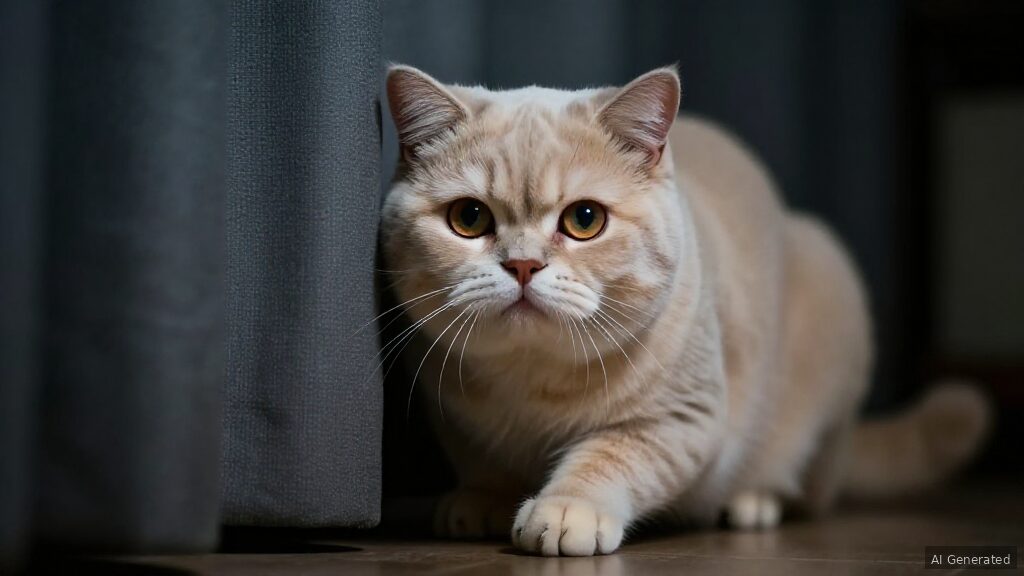
4. Can Pain or Illness Cause a Cat to Run Away?
Cats are famous for hiding pain well. However, if the pain becomes severe or they feel pain when moving a specific part, they may avoid the guardian’s approach or exhibit running away behavior. This can be an early sign of illness, so it should be observed carefully.
Hidden Signals of Arthritis and Physical Pain
This is a symptom particularly common in senior cats. If moving becomes painful due to arthritis, back pain, or toothache, the cat runs away when the guardian approaches to pet or play. In particular, if you see the cat avoiding climbing up and down or jumping around, you should suspect the possibility of pain.
If a cat refuses its usual favorite play and avoids the guardian’s touch, it is better to visit a veterinarian rather than forcing it. Additionally, for cats in pain, environmental improvement is essential, such as providing soft solid wood furniture or gentle ramps to make movement easier. PlayCat solid wood furniture reduces the burden on a cat’s joints through anti-slip treatment and soft surface processing.
Visual and Auditory Hypersensitivity and Disease
Cats with vision or hearing problems may be startled by the guardian’s sudden movements or noises and run away. Diseases such as cataracts, glaucoma, and otitis media can make a cat’s senses hypersensitive, increasing fear of environmental changes. In such cases, it is important to create a dark or quiet space where the cat can feel safe.
5. Does the Meaning of Running Away Behavior Differ by Cat Age?
The meaning of running away behavior differs depending on the cat’s age. It is important to understand the characteristics of each growth stage and prepare appropriate countermeasures.
Kitten (0-1 year): A Process of Play and Learning
Kittens are full of energy and have strong curiosity. Running away behavior at this stage is mostly for play and social interaction. Kittens enjoy games of chasing and running away from guardians to learn hunting skills. At this time, it is good to provide sufficient playtime and expend energy through various toys.
Adult Cat (1-7 years): Maintaining Territory and Independence
Adult cats have a strong independent tendency, and the instinct to protect their territory kicks in. Running away behavior at this stage is likely to mean stress, boredom, or excessive excitement. It is important to change the environment through environmental enrichment and establish a regular play routine.
Senior Cat (7 years and older): Pursuing Health and Comfort
Senior cats have reduced activity levels and are prone to health issues. Running away behavior may be due to pain, discomfort, or fear caused by sensory decline. At this stage, do not force them; instead, strive for environmental improvement so the cat can maintain a comfortable environment.
| Age Group | Main Causes of Running Away Behavior | Recommended Countermeasures |
|---|---|---|
| Kitten (0-1 year) | Learning hunting skills, excessive desire to play, excess energy | Provide active play, diversify toys, secure safe play spaces |
| Adult Cat (1-7 years) | Boredom, stress, territory disputes, sensory overload | Environmental changes (using PlayCat furniture), regular play routines, provide hiding spots |
| Senior Cat (7 years and older) | Joint pain, illness, sensory decline, fatigue | Veterinary consultation, joint-protective environment (gentle ramps), use of soft solid wood furniture |
6. Can the Guardian’s Incorrect Approach Make the Cat Run Away?
When a guardian fails to read the cat’s mood and tries to act according to their own intentions, the cat may exhibit running away behavior. This stems from a lack of communication between the guardian and the cat.
Coercive Behavior Ignoring the Cat’s Language
If you ignore signals that the cat is trying to avoid (flattening ears, shaking tail, turning body) and continue to approach or touch, the cat will run away as a defense mechanism. In particular, pulling the cat’s hind legs or suddenly trying to pick it up is perceived as a major threat by the cat.
It is important to have an attitude that reads and respects the cat’s signals. A ‘cat-led’ interaction is needed, where you play only when the cat wants to and approach only when the cat comes to you.
Inappropriate Play Methods and Stimulation
Using hands directly like toys can trigger a cat’s aggression. Also, play methods that involve shaking too hard or shouting can startle the cat and cause running away behavior. By utilizing PlayCat‘s solid wood furniture to create an environment where the cat can play with toys on its own, the cat can naturally expend energy and relieve stress without direct guardian intervention.
Common Mistakes and Solutions: Misinterpreting a Cat’s Running Behavior
Many guardians misunderstand a cat’s running away behavior and respond incorrectly. Here are the most common mistakes and their solutions.
Mistake 1: Thinking “The Cat Dislikes Me”
Just because a cat runs away doesn’t mean it dislikes you. Cats have a strong independent nature and need their own space. Do not take this behavior as a personal rejection; first, check for environmental factors or the cat’s mood.
Mistake 2: Chasing a Running Cat Unconditionally
If you unconditionally chase a running cat, the cat will get even more scared or stressed, worsening the running away behavior. It is better to wait for the cat to calm down and have patience until the cat approaches first.
Mistake 3: Thinking Buying Lots of Toys Will Solve It
Simply giving lots of toys is only a temporary solution. What is important is environmental improvement through environmental enrichment. Spaces where the cat can play with toys, rest, and explore paths must be prepared. PlayCat‘s solid wood furniture acts as a key element of this environmental improvement.
Enrichment Checklist to Start Practicing Today
To reduce a cat’s running away behavior and create a happier environment, here are 7 practical steps you can start today.
- Expand Vertical Space: Install shelves or platforms on walls or furniture where the cat can climb. It is good to use PlayCat solid wood furniture to create resting spots at various heights.
- Secure Hiding Spots: Prepare boxes or dedicated spaces where the cat can block out outside views and hide. The interior spaces of PlayCat furniture make perfect hiding spots.
- Create a Regular Play Routine: Play for 15-20 minutes at a set time every day. Conduct this in a cat-led manner.
- Change the Environment: Change the location of toys or add new scents (safe herbs, etc.) to stimulate the cat’s curiosity.
- Respect the Cat’s Signals: If the cat shows signs of wanting to avoid, stop the action immediately and wait.
- Separate Resources in Multi-Cat Households: Place litter boxes, food, and water bowls separately and give each cat an independent space.
- Check Health Status: If running away behavior persists or signs of pain appear, consult a veterinarian to check the health status.
Frequently Asked Questions (FAQ)
1. What does it mean when a cat chases the guardian and suddenly runs away?
This is mostly a play signal or the hunting instinct has been triggered. It is a case where the cat recognizes the guardian as prey and is enjoying the game, so it is likely to mean “Play with me.” However, if the cat is running away due to excessive excitement, it is good to pause the play for a moment and give the cat time to calm down.
2. How can I reduce a cat’s running away behavior?
You must improve the environment through environmental enrichment so the cat does not feel bored. It is important to expand vertical space, provide hiding spots, and play regularly. Additionally, it is effective to use solid wood furniture like PlayCat to create spaces where the cat can play and rest on its own.
3. I adopted a new cat, but it avoids me and runs away. What should I do?
New cats need time to adapt to a strange environment. Do not approach them forcefully; wait until the cat feels comfortable on its own. It is important to provide safe hiding spots and create an environment where the cat can approach when it wants to.
4. What should I do if a senior cat suddenly starts running away?
Running away behavior in senior cats can be a sign of pain or illness. You should consult a veterinarian to check for arthritis or other health issues. Additionally, please improve the environment by providing furniture with gentle slopes or soft solid wood furniture so the cat can move easily.
5. Why does a cat suddenly bite or scratch and run away while playing?
This is likely a ‘sensory overload’ phenomenon. If play lasts too long or the stimulation becomes too strong, the cat may fail to regulate its excitement and exhibit aggressive behavior. At this time, stop the play immediately and create a quiet environment so the cat can calm down.
6. How does PlayCat solid wood furniture help with cat running behavior?
PlayCat solid wood furniture satisfies the cat’s instinctive need for vertical movement and provides safe hiding spots to reduce stress. By providing platforms and passages at various heights, it allows the cat to freely explore and play in the environment, contributing to preventing running away behavior and realizing environmental enrichment.
Conclusion: The Start of Environmental Improvement for a Relationship with Your Cat
A cat running away from you is not just an avoidance phenomenon; it is the result of their instincts, environment, and health status working together. Through this article, we understood the 6 reasons why cats run away and explored solutions through environmental enrichment and environmental improvement.
A relationship with a cat starts not with unconditional love, but with understanding and respecting each other’s needs. Creating an environment where the cat can play, rest, and explore on its own using PlayCat‘s solid wood furniture is the greatest gift for the cat. Check your home environment right now and start making small changes to turn your cat’s running away behavior into a positive signal. We hope your efforts lead to a deeper and warmer bond with your cat.
This content was created using AI technology. Always consult a veterinarian for medical information.