


Indoor Cats: Why is Sensory Enrichment a Lifeline?
Just as humans live by experiencing the outside world, ‘senses’ are the most critical factor determining a cat’s quality of life. Especially for cats living exclusively indoors, contact with the external environment is cut off, naturally preventing them from receiving diverse stimuli. This goes beyond simple boredom; it suppresses a cat’s instinctual urge to explore, ultimately becoming a major cause of accumulated stress. Sensory Enrichment refers to intentionally creating an environment that provides appropriate stimuli tailored to a cat’s five senses—sight, smell, hearing, touch, and taste—to fill this void.
Cats are natural hunters. Hunting requires mobilizing all senses: listening to surrounding sounds, detecting movement, smelling scents, and feeling the texture of the ground with their paw pads. However, if life in a confined indoor space repeats the same patterns, these sensory nerves can atrophy or become abnormally hypersensitive. For instance, if a cat spends long periods lying down without stimulation, it may complain of lethargy, or conversely, react excessively to trivial sounds, feeling fear.
At this point, sensory enrichment becomes a therapeutic approach essential for protecting a cat’s mental health, going beyond the concept of simple play. Diverse stimuli increase neural plasticity in the cat’s brain, enabling new learning, and help reduce the secretion of stress hormones. As mentioned in the reference materials, psychological stress caused by sudden environmental changes or hierarchy conflicts in multi-cat households can disrupt the autonomic nervous system. This, in turn, hinders nutrient supply to hair follicles, potentially causing hair loss or skin trouble. Therefore, sensory enrichment is a comprehensive solution that manages a cat’s stress and protects its physical health.
Filling the deficiencies felt by cats in an indoor environment requires the owner’s careful observation. You need to identify what toys the cat likes best, which sounds make its ears perk up, and which textures it prefers for better grooming. PlayCat’s philosophy is also rooted in creating an environment that respects and stimulates these innate feline senses. The core value of sensory enrichment is not simply filling the space with objects, but creating a ‘living space’ where cats can explore, interact, and feel joy on their own.
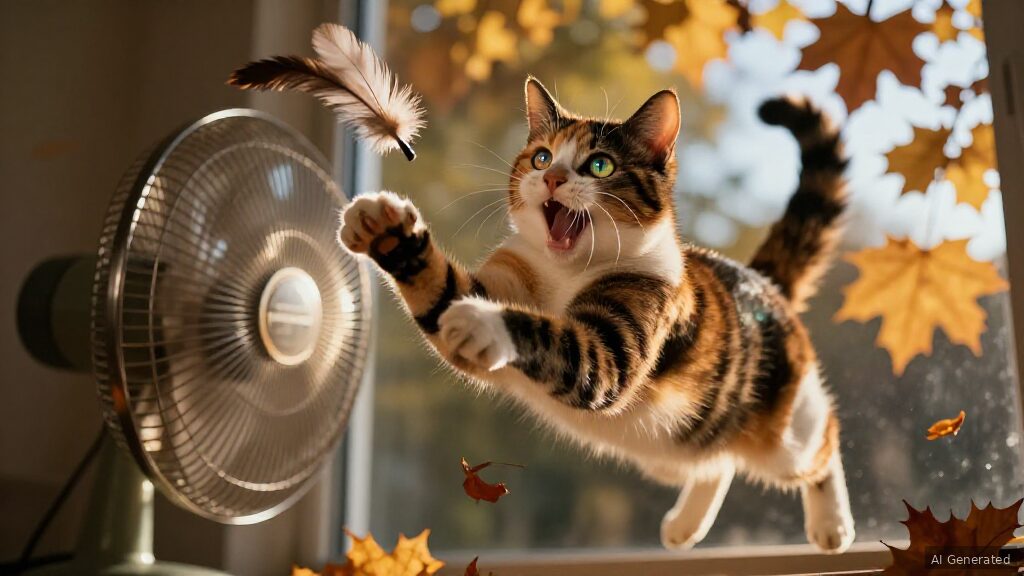
Everything About Visual Stimulation to Broaden a Cat’s Vision
A cat’s vision differs from humans. They are highly sensitive to moving objects and can distinguish objects well even in the dark. Therefore, when providing visual stimulation, dynamic elements are far more effective than static images. The most basic and effective method is showing the outside scenery through a window. Watching birds fly or leaves rustle provides a natural ‘hunting simulation’ for the cat.
Creating the Optimal Environment for Bird Watching
Create a space where your cat can sit comfortably by the window. Considering that cats love to climb high and look down at the outside, it is best to place a stable resting spot near the window. At this time, consideration is needed for cats that are afraid of their reflection in the glass, such as attaching anti-reflective film or opening curtains appropriately. Ensure the window is securely locked so the cat can safely observe birds or squirrels passing by. If there is a risk of the cat jumping out or escaping through the window, a safety net must be installed.
If the view outside is limited, adding artificial movement is another option. Creating a small landscape by the window or hanging movable decorations that sway in the wind can capture the cat’s attention. In particular, installing a bird bath (water feature) where birds gather allows the cat to see birds while hearing the sound of falling water, providing simultaneous visual and auditory stimulation, which doubles the effect.
Moving Toys and Interactive Play
Among cat-specific toys, there are various products that capture a cat’s gaze. Laser pointers provide powerful visual stimulation for cats, but caution is required during use. Since laser pointers provide a virtual prey that the cat cannot catch, failing to let them ‘catch’ anything eventually can cause frustration and stress. Therefore, after using a laser pointer, you must provide a real toy or treat so the cat can experience a ‘successful hunt.’
Additionally, automatic rotating toys or wheel-spinning toys stimulate a cat’s tracking instinct. At this time, the speed of the toy should be adjusted according to the cat’s mood. If it is too fast, the cat may lose interest; if too slow, it may get bored. It is important to allow the cat to operate the toy itself. In particular, wooden toys provided by brands like PlayCat offer natural texture and visual stability, causing cats to tend to focus for longer periods.
How to Utilize TV and Video Content
Recently, many TV programs or YouTube videos for cats have been produced. Videos featuring birds, fish, rodents, etc., capture a cat’s attention. However, rather than leaving the TV on aimlessly, it is better to play appropriate videos only when the cat shows interest and watch along, reacting to them. Observe whether the cat paws at the animals on the screen or perks up its ears to determine which content it responds to.
An important point during video viewing is the ‘completion of the hunt.’ The animal in the video must continue to appear without disappearing off-screen to maintain the cat’s curiosity. Also, content with clear contrast of moving objects tailored to a cat’s vision may be more effective than high-definition screens. Natural material decorations, such as PlayCat’s wooden furniture, contrast with the artificial light of the TV screen, providing a stable visual background for the cat and creating a richer visual environment by harmonizing the animals on screen with the actual surroundings.
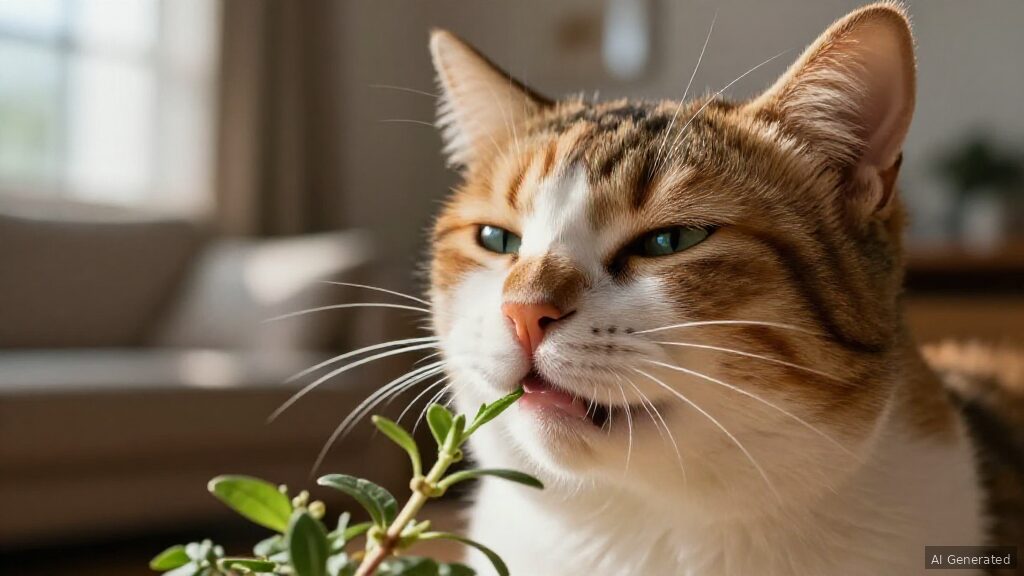
Olfactory Abundance to Stimulate a Cat’s Nose
Cats rely much more on their sense of smell than sight. Instead of eyes used by humans to see the world, cats perceive the world through scent. Therefore, olfactory stimulation has the most powerful impact on a cat’s emotional stability and environmental exploration. Experiencing various scents is an important activity for cats to acquire new information, relieve stress, and mark their territory.
Proper Use of Catnip and Silver Vine
The most representative feline olfactory stimulant is Catnip (Nepeta cataria). Nepetalactone, a component contained in catnip, acts on the cat’s brain to induce reactions such as happiness, excitement, and relaxation. However, not all cats react to catnip; whether they react is determined by genetic factors. Catnip can be provided in dried leaf form or as a spray. Sprinkling it on toys or scattering it on the floor allows the cat to enjoy sniffing it.
For cats that do not react to catnip or have a mild reaction, you can try Silver Vine. Silver Vine often shows a stronger effect than catnip and can elicit reactions even from cats insensitive to catnip. Using these two stimulants alternately or mixing them can maintain the cat’s interest continuously. However, excessive use can cause the cat to get bored or become dull quickly, so it is recommended to use them limitedly, about 2-3 times a week.
When using catnip or silver vine, it is important to place them where the cat can approach and sniff on its own. Forcing it against the nose or rubbing it can cause stress. Additionally, since the catnip scent might be too strong and disliked by the cat, it is necessary to start with a small amount and observe the cat’s reaction.
Herb Gardens and Natural Scent Experiences
Besides catnip, there are various herbs that cats like. Valerian root, Tatarian honeysuckle, rosemary, and thyme provide new scent experiences for cats. In particular, a herb garden grown at home gives cats the opportunity to sniff, chew, and touch leaves to explore. However, some plants (e.g., tulips, lilies, etc.) are toxic to cats, so you must confirm that the plant is safe for cats.
Wooden furniture provided by brands like PlayCat has a natural wood scent, which serves as a natural olfactory stimulant that gives cats a sense of stability. The scent of wood stimulates the cat’s territory-marking behavior, mixing with its own scent to instill a sense of ‘my place.’ Artificial perfume or air freshener scents can stimulate a cat’s sensitive nose, causing headaches or respiratory issues, so scent therapy using natural materials is essential.
Scent Exploration Games via Treat Hiding
The most fun way to stimulate a cat’s sense of smell is the ‘Treat Hiding’ game. Hide the cat’s favorite treats in various corners of the house and let the cat find them by sniffing. This is an excellent training that satisfies the hunting instinct while maximizing olfactory abilities.
For beginners, start by hiding treats by hand, and once the cat is familiar, move to the stage of hiding them in toys or boxes. Cats focus intensely while sniffing the treats and locating them, and they receive a great reward after finding them. This game is also useful for giving individual exploration time to each cat in a multi-cat household. By going through the process of finding treats in their own territory, each cat can alleviate competition and relieve stress.
The treat hiding game also helps increase a cat’s exercise amount. This is because the cat naturally exercises by running and crawling into corners to find the treats. Additionally, this game contributes to strengthening the bond between the cat and the guardian. In the process of enjoying the game together, the cat learns to trust the guardian, and the guardian better understands the cat’s exploration patterns.
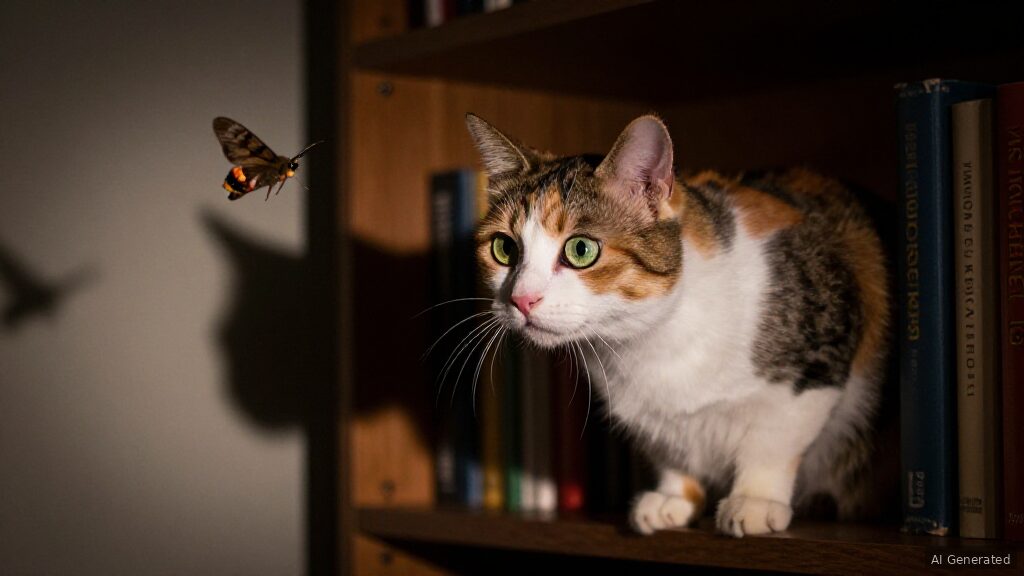
The Importance of Auditory Stimulation to Captivate a Cat’s Ears
A cat’s hearing is more than three times more sensitive than humans, and they can hear a very wide frequency range. This is an essential ability for detecting prey and avoiding danger. However, unexpected loud noises or continuous noise in indoor life can cause significant stress to cats. Therefore, appropriate auditory stimulation plays an important role in helping a cat’s psychological stability and relieving boredom.
Effects of Natural Sounds and Ambient Noise
Cats react particularly well to natural sounds. Sounds of wind, rain, birds, and flowing water stimulate a cat’s curiosity and provide comfort. In particular, the sound of rain is connected to the habit of cats liking to sit blankly by the window on rainy days, so playing rain sounds indoors often makes cats feel stable.
Birdsong is a powerful auditory signal that stimulates a cat’s hunting instinct. Upon hearing birds chirping, cats perk up their ears and may make body movements imagining the movement. These sounds activate the cat’s brain, reducing boredom and triggering behaviors to find prey. However, if the bird sound is too loud or played suddenly, it can startle the cat, so it must be played with appropriate volume and rhythm.
Water sounds are also an important element that catches a cat’s attention. Many cats show interest in flowing water and tend to prefer running water over still water. Playing fountain or stream sounds can make the cat approach to drink water or throw toys. This also helps increase the cat’s water intake and has the effect of stimulating both hearing and touch simultaneously.
Listening to Music for Cats
According to recent studies, playing music specifically for cats may be more effective than playing human classical music. Music for cats is produced to match the cat’s hearing range and preferred frequencies, mimicking sounds like cat meows or bird chirps, or including communication sounds between cats.
Music for cats is designed to make cats feel comfortable by appropriately mixing low and high frequencies. Playing such music stabilizes the cat’s heart rate and lowers stress levels. In particular, playing it when the guardian is away or when the cat is anxious can make the cat feel less lonely and more stable even when alone.
Natural materials like PlayCat’s wooden furniture regulate sound reflection to soften indoor acoustics. Hard concrete or glass walls can reflect sound harshly, stimulating a cat’s ears, but wood absorbs sound and diffuses it softly, creating an environment where cats can listen comfortably. This provides clearer and more comfortable sound, especially when listening to music for cats.
The Connection Between Birdsong and Hunting Instinct
Birdsong is not just background noise for cats; it is a signal announcing prey. When a cat hears birdsong, it immediately goes on alert, lowers its body, and prepares to move. This reaction is an important trigger that awakens the cat’s hunting instinct. Therefore, when playing birdsong at home, sufficient space and safety measures must be in place so the cat can respond to the sound and show movement.
Play using birdsong promotes interaction between the cat and the guardian. If the guardian plays birdsong while moving a toy, the cat will rush to the toy looking for the prey in the sound. This is a complex play that stimulates both sight and hearing, helping to improve the cat’s concentration and reaction speed. Additionally, this play increases the cat’s exercise amount, contributing to obesity prevention.
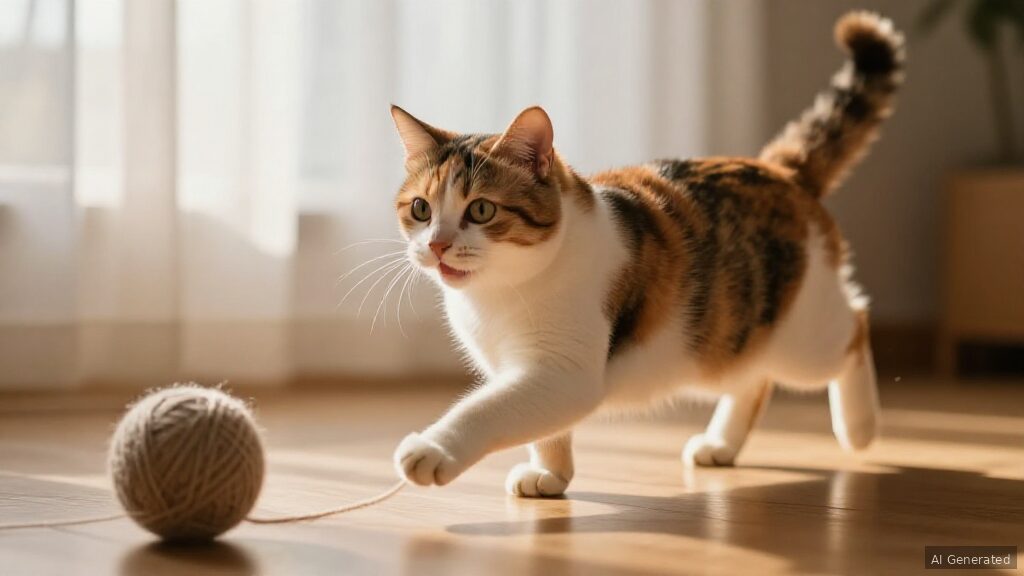
The Power of Tactile Experiences Touching Various Textures
Cats are very sensitive to the texture of their surroundings through their paw pads and whiskers. Experiencing touching and stepping on various materials is essential for a cat’s sensory development, leading to stress relief and mental stability. Especially in indoor life, if a cat steps on the same flooring only, its paw pad senses can atrophy, so an environment where various textures can be experienced must be created.
Comparison of Textures: Wood, Fabric, and Cardboard
One of the textures cats like most is ‘wood.’ Wood has a natural temperature and texture, giving a soft feeling when it touches a cat’s paw pads. Additionally, wood is a material where cats can leave their scent well through scratching or rubbing behaviors. PlayCat’s wooden furniture is manufactured considering these feline instincts, providing a space where cats can rest or play comfortably.
Fabric materials are also popular with cats. Soft fur or cloth provides comfort when cats rub against them or lie down. In particular, cat-specific sofas or bedding are made of fabric, allowing cats to freely entrust their bodies to them. However, fabric tends to accumulate dust and collect hair, so regular cleaning is necessary.
Cardboard is another material that cats like to scratch or rub. The rough texture of cardboard serves to sharpen a cat’s claws and satisfies its territory-marking behavior. Cardboard-made toys or houses are inexpensive yet durable, making them suitable as spaces that cats use frequently.
Tactile Benefits of PlayCat Wooden Furniture
PlayCat’s wooden furniture has meaning beyond just furniture. Unlike artificial plastic or plywood, natural wood provides a natural tactile sensation to cats. The fine grain of the wood makes the cat feel a unique texture when it touches their paw pads, providing continuous stimulation even while the cat is playing with toys or resting.
Additionally, wooden furniture has low thermal conductivity, feeling cool in summer and warm in winter. This allows cats to rest comfortably according to their preferred temperature by season. The wood surface is smooth but not slippery, allowing cats to move stably without slipping when playing.
PlayCat wooden furniture naturally induces scratching behavior in cats, helping to manage their claws while protecting the furniture. The wood surface is designed so that cat claws do not get caught and can rub smoothly, allowing territory marking without damaging the claws.
Home Space Configuration for Diverse Texture Experiences
Place various textures throughout the house to provide cats with rich tactile experiences. For example, place wooden tables or shelves in the living room, and lay soft fabric blankets in the bedroom. Installing cardboard scratchers in hallways or on stairs allows cats to experience various textures every time they move.
Another method is to identify the textures the cat likes and place more toys or furniture made of those materials. Some cats may like soft fur, while others may prefer rough wood. By respecting the cat’s preferences and providing various textures, the cat will lead a more satisfying life.
Tactile stimulation is also important for strengthening the bond with the cat. When a guardian plays with the cat by handing over toys of various textures, the cat feels stability through interaction with the guardian. This interaction has a positive effect on the cat’s emotional development.
Dietary Diversity to Satisfy a Cat’s Taste
Cats are carnivores and prefer foods rich in specific nutrients like protein and taurine. However, if they consume only monotonous food in indoor life, they may lose their appetite or suffer from nutritional imbalance. Taste stimulation is important to stimulate a cat’s appetite, experience various tastes and textures, and create a balanced nutrient intake.
Dietary Diversity and Treat Utilization
To stimulate a cat’s taste, you must diversify the types of food and treats. It is good to alternate between dry and wet food, or provide food with various flavors (chicken, beef, fish, etc.). Additionally, treats are provided as special rewards to cats, playing a role in increasing appetite.
Dried fish, chicken breast, and shrimp are popular as treats. These treats not only stimulate the cat’s taste but also help with nutritional supplementation. However, treats should be limited to within 10% of the daily intake to avoid interfering with food consumption.
Food Puzzles and Exploration Activities
The most effective way to stimulate a cat’s taste is to use ‘food puzzles.’ Food puzzles are toys that require cats to think and move to get food or treats, satisfying their hunting instinct while stimulating their appetite. In the process of getting food through puzzles, cats do not feel bored and experience mealtime as a fun play.
Food puzzles come in various difficulties, so they can be adjusted according to the cat’s ability. For beginners, use simple toys with holes, and for skilled cats, provide more complex puzzles. This helps develop the cat’s cognitive abilities and also relieves stress.
Diet Management Tips for Taste Stimulation
Temperature control of the diet is also important to stimulate a cat’s taste. Since cats tend to prefer warm food, warming wet food slightly in the microwave and serving it warm can increase appetite. Additionally, mixing in a little chicken or fish broth to add aroma to the food is a good method.
When a cat rejects new food, it should be allowed to adapt slowly. If you mix new food or treats with existing food and gradually increase the ratio, the cat can get used to the new taste. Sudden diet changes can cause indigestion, so caution is needed.
PlayCat’s wooden furniture helps create a stable dining space so cats can eat comfortably. Placing bowls on wooden tables or shelves allows cats to climb up and eat while observing the surrounding environment, giving them a sense of security.
Comparison of Sensory Enrichment Strategies by Age and Personality
Sensory enrichment strategies needed vary depending on a cat’s age or personality. Kittens, adult cats, and senior cats have different physical and mental characteristics, so it is important to provide customized stimuli suitable for each.
| Category | Kitten (0-12 months) | Adult Cat (1-7 years) | Senior (7+ years) |
|---|---|---|---|
| Key Characteristics | Active exploration, developing hunting instinct, high energy | Stable personality, perfected hunting skills, regular life | Decreased energy, possible joint pain, dulling senses |
| Visual Stimulation | Fast-moving toys, laser pointers (caution needed) | Bird watching outside window, TV videos, interactive toys | Videos with soft movements, window scenery (stable) |
| Olfactory Stimulation | Various herbs, catnip, treat hiding (low difficulty) | Catnip, silver vine, complex treat hiding games | Soft herb scents, reconfirming familiar scents |
| Auditory Stimulation | Various natural sounds, birdsong (active response) | Natural sounds, cat-specific music (stress relief) | Soft natural sounds, quiet music (stability) |
| Tactile Stimulation | Toys of various textures, wooden furniture (scratching) | Wooden furniture, fabric bedding, cardboard scratchers | Soft fabric, warm wood (joint protection) |
| Taste Stimulation | Treat exploration, various flavored food (nutrition supply) | Food puzzles, treat hiding, dietary diversity | Soft wet food, warm food, easy puzzles |
Kitten (0-12 months): Kittens are a period of high curiosity and overflowing energy. During this time, it is important to develop hunting instincts and cognitive abilities through various sensory stimuli. Exploration activities should be promoted through fast-moving toys, toys of various textures, and simple treat hiding. However, since kittens are not yet fully grown, too vigorous play or jumping from high places can cause injuries, so caution is needed.
Adult Cat (1-7 years): Adult cats have a stable life pattern and are at a stage where hunting skills are perfected. During this time, it is important to maintain a regular sensory enrichment schedule and prevent boredom through various stimuli. Bird watching outside the window, complex puzzle play, and olfactory stimulation using catnip or silver vine are effective. Additionally, since adult cats have a strong sense of certainty about their territory, scratchers or wooden furniture that allow territory marking should be provided.
Senior (7+ years): Senior cats experience decreased energy, and joint pain or dulling of senses may appear. During this time, an environment providing soft stimuli and stability is important. It is good to provide soft fabric bedding, warm wooden furniture, and food puzzles of easy difficulty. Also, since senior cats may have fear of new things, new stimuli should be added gradually while maintaining familiar scents and sounds.
Example Weekly Sensory Enrichment Schedule
To effectively carry out sensory enrichment for cats, it is good to maintain a consistent schedule. Below is an example of a weekly sensory enrichment schedule. It can be adjusted flexibly according to the guardian’s situation.
- Monday: Day of Visual Stimulation
– Morning: Bird watching time outside window (15 min)
– Afternoon: Watch TV videos (birds, fish, etc.) + Laser pointer play (10 min, provide treat upon successful hunt)
– Evening: Interactive play with moving toys - Tuesday: Day of Olfactory Stimulation
– Morning: Spray catnip on toys
– Afternoon: Treat hiding game (hide in various corners of the house)
– Evening: New scent experience using silver vine - Wednesday: Day of Auditory Stimulation
– Morning: Play natural sounds (rain, wind)
– Afternoon: Play birdsong + Toy play
– Evening: Listen to cat-specific music (with guardian) - Thursday: Day of Tactile Stimulation
– Morning: Introduce toys of various textures (wood, fabric, cardboard)
– Afternoon: Scratch and rub on PlayCat wooden furniture
– Evening: Grooming play on soft blankets - Friday: Day of Taste Stimulation
– Morning: Taste new flavored food or treats
– Afternoon: Mealtime via food puzzle
– Evening: Serve warm wet food and exploration game - Saturday: Day of Comprehensive Play
– Morning: Complex play utilizing visual, olfactory, and auditory stimuli
– Afternoon: Safe environment exploration outdoors (veranda, etc.)
– Evening: Long play session with guardian (15-20 min) - Sunday: Day of Rest and Observation
– Morning: Enjoy window scenery (stable)
– Afternoon: Observe cat’s condition and check for stress
– Evening: Rest with soft music
Frequently Asked Questions (FAQ)
1. How much does it cost to start sensory enrichment?
The cost of starting sensory enrichment can vary greatly. The most basic method is opening the window to show the outside scenery, which costs almost nothing. Olfactory stimulants like catnip or silver vine can be purchased at low prices, and toys or treats are available in various price ranges. Wooden furniture from brands like PlayCat may have an initial investment cost, but it is cost-effective in the long run due to high durability and providing a natural environment for cats. What is important is not buying expensive products, but providing stimuli that match the cat’s preferences.
2. Will my cat get addicted if I give too much catnip?
Catnip is a safe plant that does not cause addiction in cats. However, excessive use can cause the cat to lose interest or become less responsive. Therefore, it is recommended to use it limitedly, about 2-3 times a week, and it is important to alternate between catnip and silver vine or give breaks to maintain the cat’s interest. Additionally, while catnip is provided in safe amounts for cats, excessive consumption can cause indigestion, so it is necessary to adhere to the appropriate amount.
3. Is sensory enrichment necessary for senior cats too?
Yes, sensory enrichment is very important for senior cats too. As cats age, their senses may dull and activity levels may decrease, but appropriate stimuli help maintain cognitive abilities and prevent depression. However, too vigorous or excessive stimuli should be avoided considering the physical condition of senior cats. It is good to provide soft textures, low-difficulty puzzles, and sounds or scents that provide stability.
4. How should sensory enrichment be conducted in a multi-cat household?
In a multi-cat household, it is important to secure individual sensory enrichment time for each cat. Especially activities like treat hiding or puzzle play can cause competition between cats, so please provide space and time for each cat to play separately. Additionally, it is good to identify each cat’s personality and preferences to provide customized stimuli. For example, one cat may like catnip while another prefers silver vine, so resources should be distributed considering this.
5. Can sensory enrichment reduce a cat’s stress?
Yes, sensory enrichment is very effective in reducing cat stress. Various stimuli activate the cat’s brain and satisfy hunting instincts, relieving anxiety. In particular, observing the scenery outside the window, using catnip, and experiencing various textures greatly help the cat’s psychological stability. Additionally, strengthening the bond through play time with the guardian makes the cat feel even greater stability. If you consistently proceed with sensory enrichment, you can see improvements in the cat’s behavioral problems (e.g., scratching, litter box accidents, etc.).
This content was written using AI technology. Always consult a veterinarian regarding medical information.