


Introducing an Automatic Litter Box: Is It Really Right for Our Cat?
For a cat, the litter box is more than just a place to relieve themselves; it is a sanctuary where they spend a significant portion of their day and a critical area for verifying their safety. Recently, Nicasa open-type automatic litter boxes like the ‘Peteto M1 Pro’ have gained popularity, prompting many guardians to consider environmental improvements. However, introducing an automatic litter box goes beyond simply purchasing and installing a device; it requires a thorough ‘behavioral enrichment’ strategy that considers the cat’s behavioral patterns and psychological stability. Through this article, we will explore why an automatic litter box is necessary and how to introduce it based on your cat’s personality and age to achieve a successful environmental transition. Specifically, we will provide a realistic guide based on actual cases regarding installation complexity, fear of noise, and how quickly cats accept new spaces.
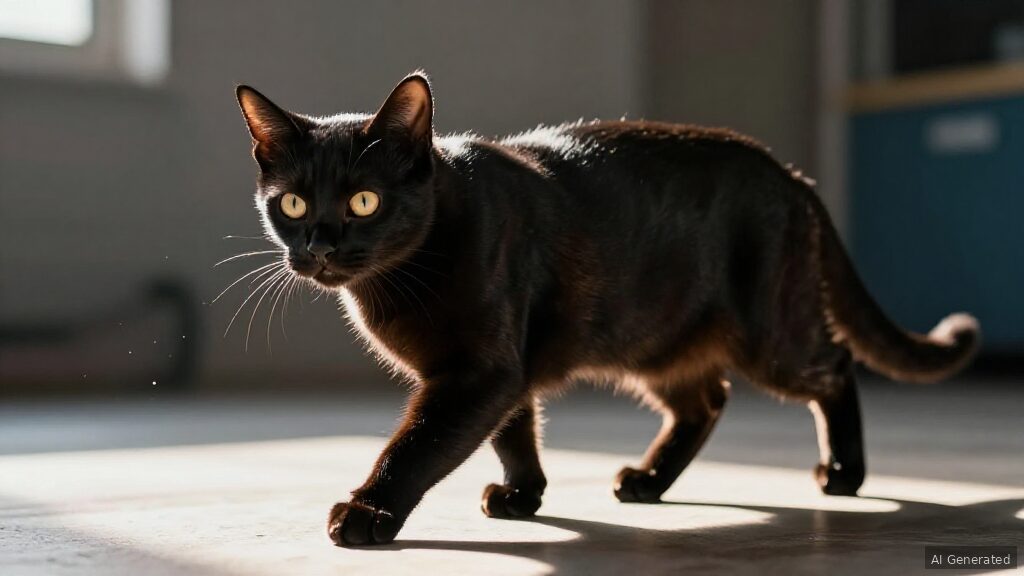
How Does the Design of the Nicasa Open-Type Automatic Litter Box Affect Cat Behavior?
When choosing an automatic litter box, the first factor to consider is design and structure. Many guardians focus solely on functionality, often overlooking the spatial arrangement that ensures the cat actually feels comfortable. The Nicasa open-type design, exemplified by the Peteto M1 Pro, is the key to solving this problem.
The Secret to the Psychological Stability Provided by the Nicasa Open Type
Cats are instinctively most vulnerable while eliminating. Therefore, they have a strong tendency to prefer an ‘open-type’ structure that allows them to see their surroundings, rather than a fully enclosed space. The Nicasa open-type automatic litter box provides sufficient openness on the front or top while maintaining a structure that prevents urine or feces from splashing out. This helps the cat perceive the area as “a safe place,” providing psychological stability. Especially for sensitive or timid cats, this open structure significantly accelerates the adaptation speed compared to fully enclosed models.
Natural Space Integration Harmonizing with Interior Design
In cat behavioral enrichment, what matters most is how naturally the device blends into the home environment. Devices with rough or awkward designs can create psychological burden not only for the cat but also for the guardian, potentially causing them to avoid the space where the device is installed. The Peteto M1 Pro features a modern yet warm design that complements home interior decor well. This instills in the cat the perception that “this is part of the home, a natural extension of the space I live in.” If the guardian feels comfortable with the device and uses it actively, the cat will also use the space more frequently, creating a positive cycle.
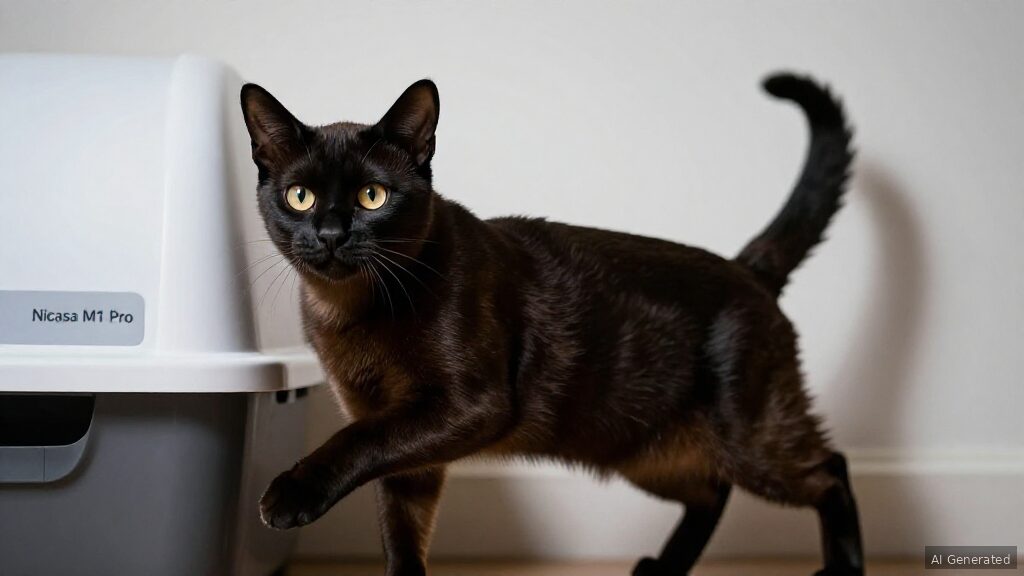
What Factors Determine the Process and Speed of Adapting to a New Litter Box?
Real user reviews stating, “My cats got used to this new litter box quickly,” offer hope to many guardians, but adaptation does not occur at the same speed for every cat. The individual cat’s personality, the differences from their previous litter box, and the guardian’s response method are the core variables that determine the speed of adaptation.
Adaptation Speed Analysis by Personality: Bold Cats vs. Sensitive Cats
A cat’s personality directly impacts the speed of adaptation. Cats with a ‘bold’ personality, who are curious and unafraid of new things, often show interest in the automatic litter box from the moment they see it, entering to sniff or explore. Such cats may abandon their old litter box and start using the automatic one within 1–2 days of installation. Conversely, cats that are ‘sensitive and wary’ are extremely cautious about new devices. Initially, they may only watch from a distance or completely refuse to approach. In such cases, forcing them in or shouting is strictly prohibited. It is necessary to take time to place the device nearby and arrange familiar scents or toys to help the cat feel comfortable.
Differences by Age: Kittens, Adults, and Seniors
The approach must also vary according to the cat’s life stage. Kittens have excellent learning abilities and adapt quickly, but since their elimination control may not be perfect yet, care must be taken not to startle them with the automatic litter box’s operating noise or movement. Adult cats have firmly established their territory and habits, making them strongly averse to change. It is best to keep the old litter box in its original location, place the automatic one next to it, and transition gradually. For senior cats, arthritis or physical discomfort may cause them to avoid models with high entry points or complex internal structures. At this stage, choosing a model with a low entry and a flat floor is the first step in behavioral enrichment.
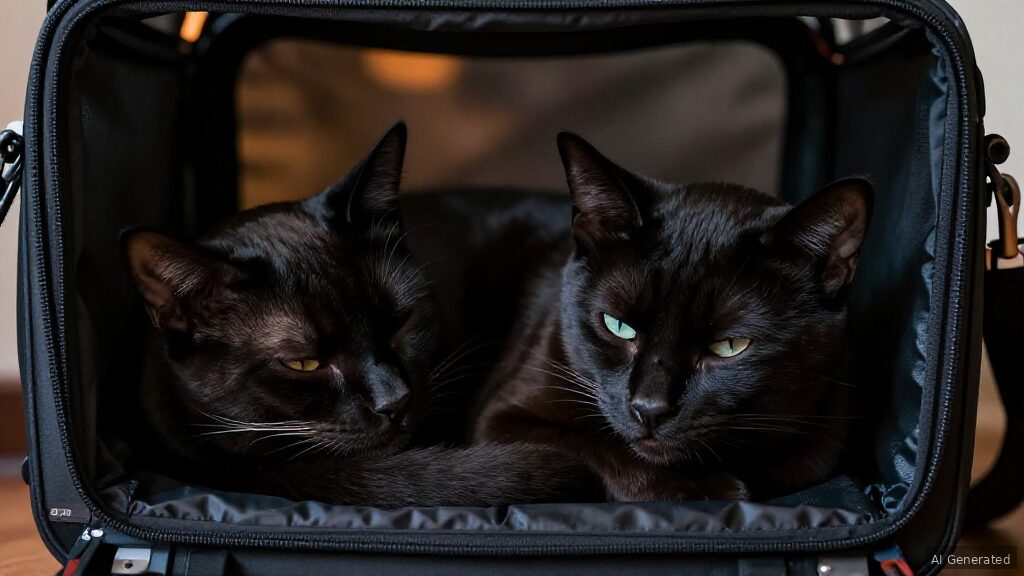
How Does the Complexity of Installation Affect the Success of Cat Behavioral Enrichment?
Many guardians hesitate to purchase an automatic litter box due to the worry, “Will the installation be too complicated?” In reality, products like the Peteto M1 Pro are designed to be assembled very simply by following the manual, earning reviews such as “Installation wasn’t difficult at all.” This is a crucial prerequisite for the success of cat behavioral enrichment.
Guardian Confidence and Cat Stability Provided by Simple Assembly
A complex installation process stresses the guardian, and that stress is transmitted to the cat. Cats are very sensitive to their guardian’s emotional state. If the guardian gets angry while assembling or makes sharp noises while handling the machine, the cat will perceive that space as a ‘dangerous place.’ Conversely, products that can be assembled very easily by following the manual instill confidence in the guardian. If the guardian installs and organizes the device with a relaxed and joyful mindset, that atmosphere is naturally conveyed to the cat, reducing resistance to the new litter box.
The Importance of Installation Location and Space Utilization Strategies
Once simple assembly is complete, the most important factor is ‘where to install it.’ Cats prefer quiet, private places where they are not disturbed while eliminating. It is best to avoid well-ventilated areas like hallways or near the entrance where people frequently pass by. Additionally, since automatic litter boxes require electricity, avoid locations where power cords dangle too long or where the cat could trip and get hurt. Utilizing PlayCat’s solid wood furniture to improve the environment around the litter box is also a good method. The warm tones and natural texture of solid wood furniture provide stability to the cat and can be used to screen or conceal the litter box, adding privacy.
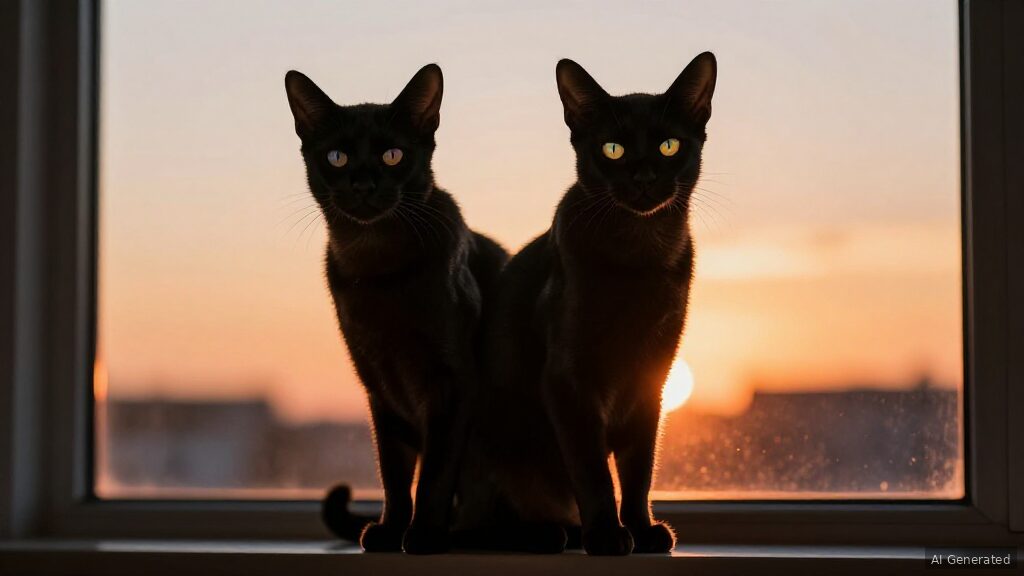
What Are the Potential Problems After Introducing an Automatic Litter Box and Their Solutions?
While automatic litter boxes increase convenience, unexpected problems can arise. Most of these issues can be resolved by understanding the principles of cat behavioral enrichment and responding appropriately.
Overcoming Fear of Noise and Vibration
Automatic litter boxes generate motor noise and vibration when performing the automatic cleaning function after elimination. Initially, cats are often startled by this sound and avoid the litter box. To resolve this, ‘noise desensitization’ training is required. Connect positive experiences by feeding or petting the cat when they approach the device while it is not operating. Afterwards, set the device to the lowest mode to operate with a very soft sound, then gradually increase the volume to help them adapt. If the cat is too sensitive to noise, you can also wait a while after the cat finishes eliminating before manually operating the device.
Changes in Elimination Habits and Hygiene Management
There is concern that due to the internal cleaning mechanism, cats may not eliminate properly, or urine may not be absorbed correctly, leading to odors. In reality, most cats adapt quickly, but initially, they may try to reduce the amount of waste or make their stool cleaner. In such cases, it is advisable to feed cat-specific food to ensure the stool is not too loose. Additionally, the guardian must regularly check the filter replacement schedule and internal cleaning of the automatic litter box; neglecting hygiene management is a primary reason why cats avoid the litter box.
What Is the Role of Solid Wood Furniture as an Environmental Improvement Solution for Behavioral Enrichment?
Cat behavioral enrichment is a process of improving the quality of the entire living space, going beyond simply changing one litter box. PlayCat’s solid wood furniture can be an excellent solution for this environmental improvement.
Psychological Stability and Sensory Stimulation Provided by Natural Materials
While devices made of plastic or synthetic materials feel cold and rigid, solid wood furniture provides the warmth of nature and a soft texture. Cats are very sensitive to the texture felt by their paw pads, and the warm temperature of wood has a stress-relieving effect. Placing a table or shelf made of solid wood around the automatic litter box naturally creates a space where the cat can rest before and after using the litter box. This is a crucial factor in making the cat perceive using the litter box not just as a physiological act, but as a comfortable and pleasant routine.
Space Utilization and Privacy Protection via Solid Wood Furniture Placement
Concealing or enclosing the space where the automatic litter box is installed using solid wood furniture is a smart way to protect the cat’s privacy without compromising home decor. For example, placing the automatic litter box inside a solid wood cabinet and leaving only the front open allows the cat to eliminate without feeling the gaze of the outside world. Additionally, utilizing the high structure of solid wood furniture to create a ‘safe zone’ where the cat can survey the surroundings from above the litter box is also beneficial. This satisfies the cat’s territorial instinct and greatly aids in behavioral enrichment.
Success Strategies Learned from Real User Experiences and Advice
Communities of actual cat guardians, such as Naver Cafes, share various experiences and advice regarding the introduction of automatic litter boxes. From worries like “I was worried my cats would adapt…” to joys like “They got used to it quickly,” we have summarized what we can learn from these real cases.
Patience to Wait During the Adaptation Period
Many guardians experience failure by trying to put their cat in the automatic litter box immediately after installation. Actual users advise, “After installation, leave the device alone for at least 3–5 days so the cat recognizes it as a familiar object.” During this period, it is important to allow the cat to explore the device on their own, sniff it, and even sleep inside it. Not forcing elimination actually leads to faster adaptation.
Strategy for Concurrent Use with the Existing Litter Box
It is a mistake to remove the existing litter box immediately for a perfect transition. Initially, the most effective method is to keep both the automatic and existing litter boxes side by side. This allows the cat to use the existing box if they feel anxious after trying the automatic one. As time passes, a strategy is needed to gradually reduce the quantity or move the location of the existing box to transition naturally to the automatic one. This is a core strategy that significantly reduces the cat’s psychological burden.
| Stage | Action | Purpose | Precautions |
|---|---|---|---|
| Stage 1: Introduction | Install the device and turn on power only (do not operate) | Allow the cat to get used to the device and sniff it | Do not force interaction |
| Stage 2: Exploration | Place treats or toys inside the device | Connect positive experiences and stimulate curiosity | Do not give too many treats |
| Stage 3: Demonstration | Guardian operates the device to demonstrate (keep cat at a distance) | Reduce fear of noise and movement | Start in a place with low noise |
| Stage 4: Concurrent Use | Use alongside the existing litter box | Provide choice and ensure psychological stability | Gradually remove the existing litter box |
| Stage 5: Transition | Use automatic litter box exclusively and monitor | Confirm complete adaptation and manage hygiene | Check stool condition and odor frequently |
Common Mistakes and Solutions: Core Tips to Prevent Behavioral Enrichment Failure
There are common mistakes guardians make during the process of introducing an automatic litter box. These mistakes can lead to behavioral changes or health issues in cats, so caution is required.
- Mistake 1: Transitioning Too Quickly
If you remove the existing litter box immediately and leave only the automatic one, the cat may lose their place to eliminate and make mistakes around the house. The solution is to use them concurrently for at least 1–2 weeks and transition slowly. - Mistake 2: Ignoring Noise
If you operate the device ignoring that the noise is loud, the cat may feel fear and exhibit avoidance behavior. The solution is to choose a product with noise control features or set it to operate when the cat is not present. - Mistake 3: Neglecting Hygiene Management
If the guardian neglects management assuming the automatic litter box cleans itself automatically, filters may clog or odors may become severe, causing the cat to avoid using it. The solution is to develop a habit of thoroughly replacing filters and cleaning the interior at least once a week. - Mistake 4: Incorrect Location Selection
If installed in a busy area or a place with poor ventilation, the cat will not feel privacy or comfort. The solution is to choose a quiet, well-ventilated, and easily accessible location.
Practical Checklist for Behavioral Enrichment You Can Start Today
Here is a concrete list of actions you can take immediately. Refer to the checklist below to create the optimal environment for your cat.
- Reconfigure Space: Check the litter box installation location and place PlayCat solid wood furniture or a resting space nearby to ensure privacy.
- Maintain Existing Litter Box: After installing the automatic litter box, keep the existing one nearby for a while so the cat has a choice.
- Connect Positive Experiences: Place the cat’s favorite treats or toys around the automatic litter box to stimulate curiosity.
- Noise Adaptation Training: When the cat approaches while the device is not operating, pet them and give treats to build familiarity.
- Set Hygiene Management Schedule: Record the filter replacement and internal cleaning schedule for the automatic litter box in your calendar and manage it regularly.
- Record Behavioral Observations: Monitor the adaptation process by recording the frequency, time, and condition of the cat’s use of the automatic litter box.
- Guardian Mindset: Approach with patience and a positive mindset, thinking, “My cats will get used to it quickly.”
Frequently Asked Questions (FAQ)
1. Is an automatic litter box safe for all cats?
It is safe for most cats, but caution is needed for very young kittens, senior cats, or cats with physical disabilities. You must check in advance if the device’s entry height or internal structure fits the cat’s physical condition. Additionally, it is important to regularly check that the safety sensors are functioning properly to prevent the cat from getting trapped.
2. Does using an automatic litter box make it easier to monitor cat health?
Yes, many automatic litter boxes have features that automatically record the frequency and amount of elimination, which aids in health management. It is effective in preventing issues like kidney disease or cystitis by allowing early detection of changes in stool condition or elimination patterns. However, if the guardian checks the stool and finds the condition is poor, they must visit a veterinarian immediately.
3. Does the noise of the automatic litter box cause stress to cats?
Initially, they may be startled by the sound, but most cats adapt over time. To reduce noise, it is recommended to set the device to the lowest mode or use the scheduling feature to operate it while the cat is sleeping. If the cat is too sensitive to noise, you could consider choosing a model with noise-canceling features or installing the device in another room.
4. Can I use the existing litter box and the automatic litter box together?
Yes, using both litter boxes together is best during the initial adaptation period. Allowing the cat to use the existing litter box when they feel anxious about the new environment is an important factor in providing psychological stability. The key to a successful transition is gradually increasing the use of the automatic litter box while slowly removing the existing one.
5. How often should I clean the automatic litter box?
While the automatic litter box removes waste automatically, the guardian must personally replace the filters and clean the deep interior parts. Generally, it is good for hygiene to replace filters every 1–2 weeks and clean the internal basket and floor at least once a month. You must manage according to the usage frequency to prevent odors and bacterial growth.
6. What are the benefits of using PlayCat solid wood furniture?
PlayCat solid wood furniture provides psychological stability to cats with the warm temperature and texture of natural materials. Additionally, it helps secure privacy by concealing the area around the litter box or creating a resting space. It creates a more comfortable and safe environment for cats compared to plastic or synthetic materials, maximizing the effect of behavioral enrichment.
Conclusion: Creating a Better Living Space Together with Your Cat
Introducing a cat automatic litter box is an important environmental improvement project that goes beyond mere convenience to enhance the cat’s behavioral enrichment and quality of life. Nicasa open-type automatic litter boxes like the Peteto M1 Pro feature both design and functionality, blending well with home decor, and are simple to install, placing little burden on both guardian and cat. However, for a successful introduction, a step-by-step approach considering the cat’s personality, age, and adaptation speed is essential. Key factors include reducing fear of noise, transitioning slowly through concurrent use with the existing litter box, and utilizing PlayCat solid wood furniture to create a warm environment.
The guardian’s patience and attention are the most important factors to help cats get used to the new litter box quickly. If you approach with a positive mindset of “My cat will be able to eliminate more comfortably and safely” rather than worrying “I wonder if my cats will adapt,” the automatic litter box will bring happy changes throughout the house. Starting today, please use the checklist to gift your cat the best behavioral enrichment environment. That small change will create a deeper and warmer bond for both the cat and the guardian.
This content was created using AI technology. Always consult a veterinarian regarding medical information.