


How to Prevent Habituation in Cats Using Zoo-Level Sensory Rotation Strategies?
The ‘Sensory Rotation’ and ‘Cognitive Enrichment’ strategies used in zoos to reduce stereotypic behaviors (repetitive actions caused by stress) in wild animals can be applied equally to domestic cats. The key is to periodically rotate new stimuli and create an environment that stimulates a cat’s natural hunting and exploratory instincts. By borrowing principles from multi-sensory enrichment programs used for gorillas and big cats at the Cincinnati Zoo and Antwerp Zoo, you should periodically change the environment to balance the stimulation of smell, sight, and touch. This is the most effective way to prevent lethargy and depression caused by familiarity with the same environment, while simultaneously promoting mental stability and physical health.
How Do Zoos Operate Enrichment Programs?
The core of professional zoo management lies not just in providing toys, but in implementing systematic programs that stimulate animals’ ecological niches and instincts. Cognitive enrichment is essential, especially for high-intelligence animals such as felids (Felidae) and primates.
1. Cross-Utilization of Multi-Sensory Stimuli
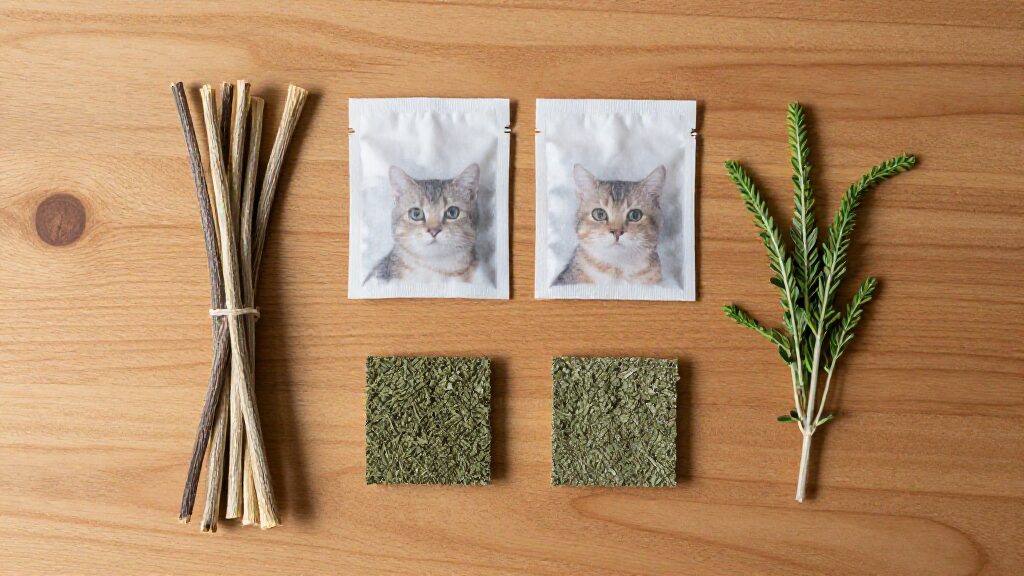
Zoos do not rely on just one sense; they utilize smell, hearing, sight, and touch. For example, the Cincinnati Zoo encourages olfactory exploration by providing western lowland gorillas with new spices, tree bark, or materials sprayed with specific scents. For felids, smell is one of the most important sensory organs. Research shows that silver vine, Tatarian honeysuckle, valerian, and common catnip (Nepeta cataria) trigger distinct neurological responses in cats. Zoos use these natural plant extracts and herbs in combination with other stimuli (e.g., new food placement locations, hidden food) on a rotating basis to prevent cats from getting bored.
2. Providing Cognitive Challenges and Opportunities to Acquire Resources
Instead of simply placing food in a bowl, the process is designed so that the animal must solve problems to acquire resources. This is known as ‘Cognitive Enrichment.’ Studies have shown that providing opportunities to acquire resources and perform natural behaviors has positive effects on health and behavior improvement, helping to reduce frustration-related behaviors exhibited by shelter cats upon arrival. This stimulates hunting instincts, reduces stress hormones, and contributes to strengthening the immune system.
3. Physical Changes and Rotation of the Environment
Zoos have small play structures and installations on-site, but they do not leave them in a fixed state. Similar to the wolf enclosure at Daejeon O-World, enclosures periodically move structures or add new tunnels, swings, and climbing facilities to prevent animals from staying in predictable environments. This encourages animals to re-explore and cognitively map their territory, enhancing their ability to adapt to new spatial settings.
How to Apply This to Cats: Practical Guide
To apply the zoo strategies mentioned above to household cats, a systematic ‘Rotation Plan’ and ‘Safe Provision of Stimuli’ are required. Refer to the table and step-by-step methods below to provide new experiences every day.
| Enrichment Type | Zoo Example | Application for Household Cats | Rotation Frequency |
|---|---|---|---|
| Olfactory Enrichment | Providing herbs/spices to gorillas | Attach catnip, silver vine, valerian, or dried herbs (rosemary, chamomile) to the floor or scratching post using scotch tape | Rotate every 1–2 weeks |
| Feeding Enrichment | Food finding to stimulate hunting instincts | Do not place food bowls on the floor; hide food, use puzzle feeders, or divide into small portions and place in multiple locations | Change with every meal or daily |
| Visual/Space Enrichment | Moving and installing new structures | Change the position of the cat tree, provide new boxes or paper bags, adjust the location of window seats | At least once a week |
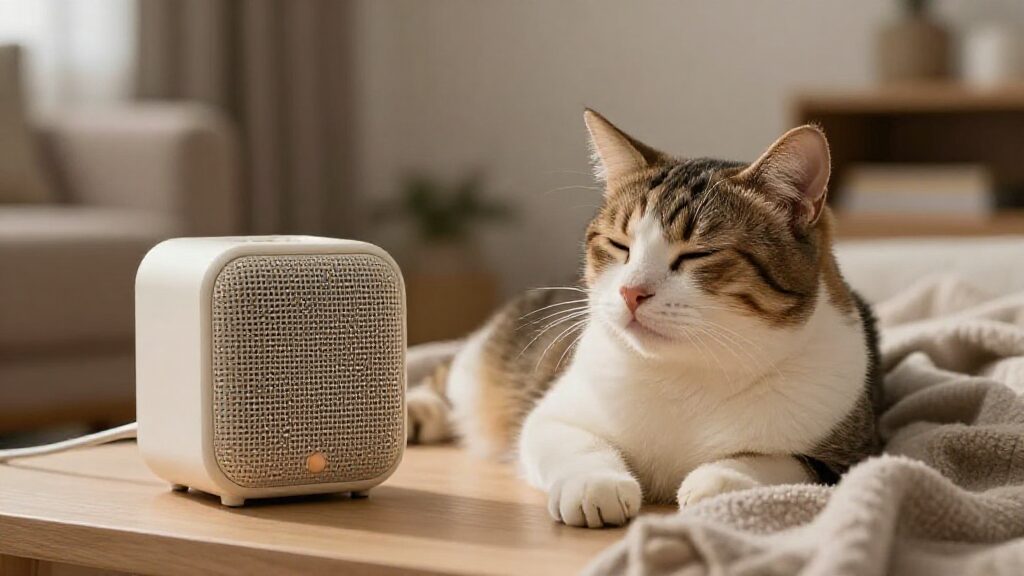
| Tactile/Auditory Enrichment | Various floor textures and sounds | Provide mats of different textures (mat, wood, fabric), playlists of bird or nature sounds, crinkle paper bags | Provide and rotate as needed |
Specific Application Steps
- Step 1: Introduce Olfactory Stimuli
Prepare natural scents unfamiliar to your cat (e.g., silver vine). Start by offering a small amount and observe the cat’s reaction. If the reaction is positive (rolling, rubbing, licking), include it in your regular rotation menu. Note that not all cats respond to catnip, so it is advisable to have silver vine or valerian as alternatives. - Step 2: Simulate Hunt-Catch-Kill-Eat
Do not put all the food in the bowl at once. Instead, distribute small amounts in various locations around the house (under the sofa, on top of the cat tree, in hidden spaces, etc.). This is called ‘scatter feeding’ and mimics the behavior of foraging for food in the wild. Use puzzle feeders to make the cat press or roll toys to get food, relieving cognitive stress. - Step 3: Physical Rotation of the Environment
Once a week, change the layout of major spaces your cat uses (resting areas, toy storage). For example, move the window seat or prepare new paper boxes in various sizes. Hiding previously used toys while introducing new ones helps maintain a sense of ‘freshness’ for longer.
Precautions: Considering Safety and Health
To ensure that the rich stimuli from zoo environments do not become a source of stress for your domestic cat, strictly adhere to the following guidelines.
- Verify Safety of Natural Materials: When using herbs or spices, ensure they do not contain plants toxic to cats (e.g., lilies, certain essential oils). While catnip and silver vine are generally safe, excessive consumption can cause vomiting, so adhere to appropriate amounts.
- Respect Individual Temperaments: Not all cats enjoy new stimuli. Shy cats require gradual exposure. Start by letting them smell from a distance and gradually encourage them to get closer. Forcing exposure to stimuli can trigger aggression.
- Manage Enclosed Spaces: It is advisable to test new smells or stimuli in a separate space first to ensure they do not stress other animals in the house (e.g., other cats, dogs). Additionally, always supervise the use of small parts or swallowable materials to prevent intestinal blockages.
- Consistency and Predictability: Even when implementing an enrichment program, do not disrupt your cat’s basic daily routine (feeding, sleeping times). New stimuli should be naturally integrated into the daily routine.
Frequently Asked Questions (FAQ)
Q1. Are there natural stimulants other than catnip that cats might like?
Yes, in addition to catnip (Nepeta cataria), there is silver vine (Actinidia polygama) and Tatarian honeysuckle. Research suggests that about 30–40% of cats that do not respond to catnip show a positive response to silver vine. Additionally, valerian (Valeriana officinalis) uses the root part and provides a different type of neural stimulation, making it effective for rotation strategies. Since each plant has different active ingredients, it is good to have several options ready depending on your cat’s preferences.
Q2. How many times a day and for how long should I conduct the enrichment program?
Enrichment is most effective when conducted in multiple short sessions throughout the day. Since cats have short attention spans, it is recommended to provide focused stimulation for 10–15 minutes during meal or play times, followed by rest. Too-long sessions can exhaust or stress the cat, so it is ideal to distribute daily activities (food finding, hiding, scent experiences) 2–3 times a day. The key is to naturally blend these into a consistent routine.
Q3. Could a rich environment actually stress my cat out?
Cats may be wary of new stimuli initially, but when applied correctly, it reduces stress. The important thing is to offer ‘choice’ rather than ‘force.’ If your cat avoids a new toy or scent, do not force them to use it. It is important to create an environment where the cat can choose and explore on their own. Also, avoid stimuli that are too noisy or visually complex.
Q4. What should I be careful about when applying enrichment programs in a multi-cat household?
In multi-cat households, conflicts may arise due to resource competition, so enrichment resources should be duplicated and placed in multiple locations. For example, prepare puzzle feeders, new boxes, and scent materials for the number of cats or more, so that no single cat monopolizes them. ‘Scatter feeding’ during meal times is particularly effective in reducing territorial disputes. Ensure that each cat has a safe space (e.g., a resting place in a high location) to enjoy individually.
Q5. What should I do if my cat shows no reaction to enrichment stimuli?
Individual differences are significant. Some cats react intensely to catnip, while others may be indifferent. In such cases, change your approach by targeting other sensory channels (sight, touch, hearing). For example, enhance visual/physical stimuli with moving toys or laser pointers, or make subtle changes like slightly warming the food to intensify the smell. Also, consider the cat’s age and health status. For senior cats or those with poor health, providing a comfortable resting space may be a better form of enrichment than excessive stimulation.
Sensory rotation and cognitive enrichment strategies, meticulously designed in zoos for the welfare of wild animals, can be powerful tools to innovatively improve the quality of life for our companion cats. By periodically rotating new stimuli and creating an environment that stimulates hunting instincts, you can prevent habituation and ensure a happy life for your cat. Learn more at PlayCat (playcat.xyz).
This content was created using AI technology. Please consult a veterinarian for medical-related information.