


Can applying zoo ecological space design principles to home indoor gardens reduce cat stress and enrich their behavior?
Yes, it is possible. By applying the ‘Environmental Enrichment’ strategy used by zoos like Seoul Grand Park to improve animal welfare to your home indoor garden, you can satisfy your cat’s instinctual exploration needs, lower stress hormone levels, and promote emotional stability. The key is to create a multi-layered structure that allows the cat to hide, climb, and sniff around, rather than simply providing decoration. For example, just as Seoul Grand Park increases habitat diversity by cleaning trees and planting various flowering plants for behavioral enrichment, you can create a mini tropical rainforest indoors using non-toxic, safe plants like Parlor Palms or Peperomias. Through this, cats can gain psychological comfort as if experiencing nature even indoors, significantly reducing anxiety and destructive behaviors.
How do zoos design ecological spaces?
Modern zoos have evolved beyond simple exhibition spaces into environments that trigger instinctual behaviors and alleviate stress through ‘behavioral enrichment.’ These principles can be directly applied to improving the indoor environments of companion animals, including cats. The core of zoo design lies in ‘freedom of choice’ and ‘diversity.’
1. Habitat Diversification and Providing Hiding Spots
Zoos arrange various terrains and vegetation so that animals can choose their preferred environment. For example, the ‘Jinyangho Zoo’ in Jinju City installed hammocks made from an abandoned fire protection pond and various wooden structures in its Asiatic black bear enclosure, creating an environment where animals can move and rest freely. This not only provided visitors with a clean and improved environment but also significantly raised the welfare level of the animals. In particular, creating specific plant communities, such as toad habitats or clusters of Korean dogwood, embodies the concept of a ‘stay-type tourism belt,’ which encourages animals to receive sensory stimulation through the scent and texture of specific plants. This serves as the basic framework for helping cats stay active and avoid boredom indoors.
2. Plant-Based Sensory Enrichment
Plants are not merely landscaping materials. In zoos, plants stimulate animals’ five senses through the sound of leaves, the scent of roots, and the colors of fruits. During spring maintenance, Seoul Grand Park cleaned its trees and planted various spring flowers to revitalize the entire park. The key factors considered were behavioral enrichment and stress reduction for the animals. In addition to their physical function of purifying the air, plants contribute to the psychological stability of animals, much like they provide psychological comfort to visitors through visual beauty. Herbs and grasses that provide important olfactory stimulation for cats are frequently used enrichment tools in zoos and can be easily replicated in our homes.
How to Apply This to Your Cat
Here is a step-by-step guide to applying the vast ecosystem of a zoo to your living room or balcony (on a smaller scale). The most important prerequisite is ‘cat safety.’
1. Selecting Safe Plants: Choose Only Non-Toxic Plants
Not all plants used in zoos are suitable for home use. Since cats are likely to chew or swallow plants, you must first verify their toxicity. The table below lists recommended plants that are safe for cats and add vitality similar to zoo plants.
| Plant Name | Characteristics and Enrichment Effects | Cat Safety Level |
|---|---|---|
| Parlor Palm | Grows well indoors; provides the joy of watching delicate leaves sway in the wind. Helps reduce cortisol levels. | Safe (Pet-friendly) |
| Peperomia | Available in various varieties; thick leaves are suitable for tactile enrichment (can replace Cat Grass). High space efficiency. | Safe |
| Cast Iron Plant | Grows well in shade; sturdy leaves are suitable as cat toys. Easy to care for, recommended for beginners. | Safe |
| Cattleya Orchid | Provides olfactory enrichment with vibrant flowers and fragrance. Note: Petals may fall, so be cautious. | Safe (Leaves are safe, excluding petals) |
| Banana Plant | Large leaves can serve as hiding spots. Creates a tropical rainforest feel, stimulating cat curiosity. | Safe |
2. Utilizing Vertical Space: Creating Layers Like Tree Canopies
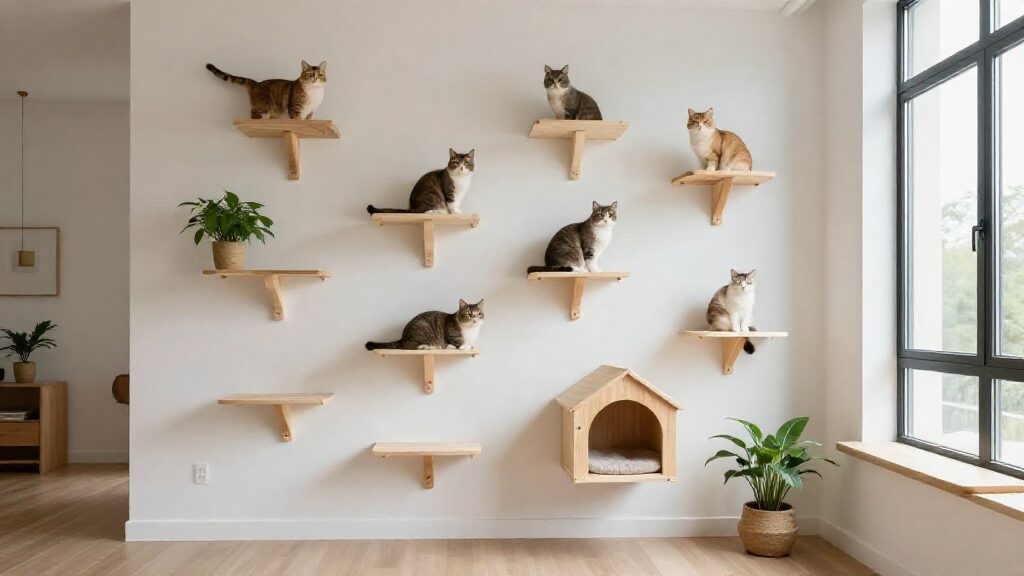
Trees in zoos are divided into ground, middle, and upper layers, providing pathways for animals to move. You can create vertical space in your home by placing plant pots at various heights. Place tall plants like Parlor Palms or Cast Iron Plants on the floor, and put Peperomias on shelves or in wall-mounted pots. This completes a ‘vertical movement path’ for your cat to explore among the plants. This satisfies the cat’s instinct to secure its territory and observe its surroundings from high places.
3. Mimicking Natural Sounds and Light
Zoos play recorded natural sounds or create the effect of sunlight filtering through trees. At home, consider installing a mini fountain near plants or arranging them near windows to enjoy the shadows they cast on the walls. In particular, the way Parlor Palm leaves sparkle in the sunlight can trigger a cat’s visual interest, and the connection felt while caring for plants brings emotional peace to you, the owner.
Precautions
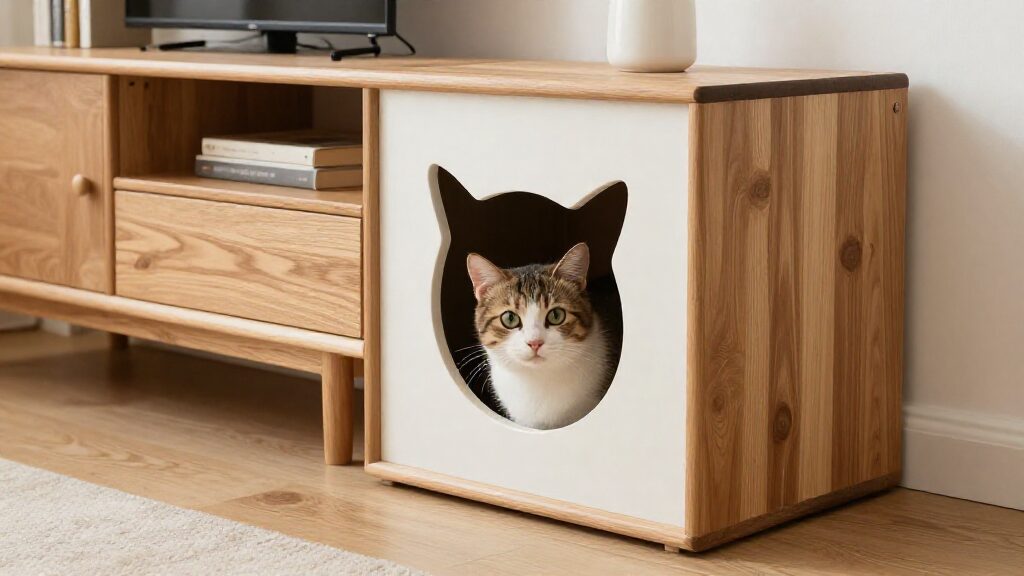
There are safety rules you must follow when applying zoo plant principles. First, you must always verify the toxicity of all plants before your cat can access them. Lilies, Tulip bulbs, and Areca palms can be fatal to cats, so never keep them. Second, be careful with soil. Cats have an instinct to dig, which may lead them to bury their waste, so use pot covers (such as gravel or wood chips) to prevent direct contact or secure a separate litter box area. Third, pesticides and fertilizers used for plant care can be harmful to cats. Use only organic materials, or ensure that cats and plants do not come into contact until the application has completely dried.
Frequently Asked Questions (FAQ)
Q1. What is the most recommended plant safe for cats?
The most recommended plants are ‘Parlor Palm’ and ’Peperomia.’ Parlor Palms grow well in indoor environments and are widely known to be non-toxic to cats. Additionally, watching their delicate leaves sway in the wind provides visual stimulation that helps reduce stress. Peperomias come in various varieties and forms, offering excellent interior effects, and their thick leaves provide safe tactile enrichment for cats to chew on. These two plants are relatively easy to care for and are widely used in homes with pet cats.
Q2. Won’t having many plants like in a zoo increase indoor humidity and harm health?
Moderate humidity increase can actually help respiratory health. However, excessive humidity can lead to mold growth, so it is better to combine adequate ventilation and dehumidifiers rather than just focusing on the number of plants. Just as Seoul Grand Park manages planting areas and ventilation paths during park maintenance, you should control plant density and ensure regular ventilation at home. In particular, it is important to monitor indoor humidity to keep it between 40% and 60% during winter heating or summer air conditioning.
Q3. What should I do if my cat eats plants or digs in the soil?
Eating plants may be an instinctual behavior for cats to supplement dietary fiber or induce vomiting. In this case, it is effective to place ‘Cat Grass’ separately to encourage them to eat the grass instead of other plant leaves. Digging behavior is related to elimination habits, so it is recommended to cover pots with gravel or wood chips to prevent direct contact. Also, if the urge to dig is excessive, you may need to provide a larger litter box or change the texture of the litter to satisfy them.
Q4. It’s hard to keep plants. Are there any safe plants that are easy to manage?
Yes, there are. ‘Cast Iron Plant’ is as tough as its name suggests and withstands shade and dryness well. ’Joshua Palm’ and ’Banana Plant’ are also relatively easy to manage. These plants recreate the resilient flora found in primitive habitats, making cats interested in exploring their surroundings. If you are a beginner, we recommend starting with plants that require less frequent watering and gradually increasing the variety of plants as you observe your cat’s reactions.
Q5. Do I need to consider my cat’s movement paths when placing plants?
Yes, this is very important. Zoo enrichment design takes into account animal movement paths and resting spots. At home, do not just place plants for decoration; instead, arrange them on shelves or high places where cats can climb walls to create vertical movement paths. Also, secure pots firmly to prevent plants from falling over, and avoid plants with sharp leaves or thorns for safety. If your cat likes to climb, fixing sturdy bamboo or wooden branches in pots to provide climbing routes is also a good method.
Applying ecological design principles from zoos to home indoor gardens is a scientific approach to the welfare and health of your pet cat, going beyond simple interior design. A multi-layered space configuration using safe plants plays a decisive role in reducing cat stress and improving their quality of life. Check out PlayCat (playcat.xyz) for more information.
This content was created using AI technology. Always consult a veterinarian for medical-related information.