Essential Reading for Cat Owners! A Complete Guide to Smells Cats Hate and Strategies for Purifying Your Space
What Smells Do Cats Hate? Why Do Cat Owners Need to Know This?
Cats have a much more sensitive sense of smell than humans. They react with extreme sensitivity to trace chemicals or specific scents that we may not even detect. This article analyzes the causes and types of smells cats instinctively avoid from a scientific perspective, and explains how these scents affect feline behavior. Specifically, it addresses odor issues that may arise in PlayCat(플레이캣) wooden furniture environments and proposes practical solutions to help cat owners create a safe space for their feline companions.
Many cat owners often dismiss smells cats dislike as simply “unpleasant” and ignore them. However, this is actually a critical signal that can lead to stress or trigger aggressive behavior in cats. For example, certain scents can affect hormone balance within a cat’s body, exacerbate anxiety, or suppress hunting instincts and other behavioral changes. Therefore, by understanding the root cause of feline behavior—smell—cat owners can help their pets maintain psychological stability and strengthen the bond of trust between human and cat.
The content in this article is written based on research in Animal Behavior and Applied Animal Behavior, fully considering the actual physiological reactions of cats and environmental factors. According to the latest research, the primary stressors for indoor cats are identified as a combination of external smells and indoor chemicals. Recognizing these facts and mastering proper odor management methods is the first step in improving a pet cat’s Quality of Life (QoL).
Subsequent chapters will gradually introduce specific types of smells cats hate most, the effects of each scent on cats, and environmental enrichment strategies to solve these problems. At the same time, combining the positive effects of the natural aroma and texture provided by PlayCat wooden furniture, this guide includes practical tips you can apply immediately to help you understand and care for your cats more deeply.
What Are the Types of Smells Cats Instinctively Hate Most and Why?
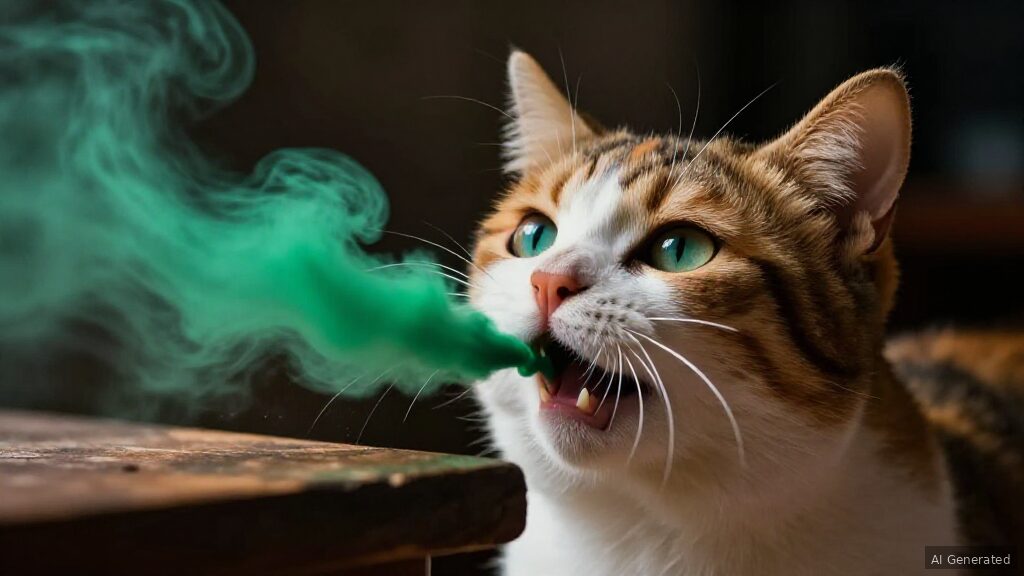
Smells that cats instinctively hate can be roughly divided into two categories: those evolved in nature to warn against predators or harmful substances, and those artificial chemical smells produced in modern living environments. When distinguishing between these two types of smells, cats differ from humans in the arrangement of their olfactory cells and how their brains process them. Therefore, smells that humans perceive as strong may be perceived as terrible stench by cats. This instinctive aversion is closely linked to their survival instincts; once they detect a related scent, they immediately exhibit avoidance behavior.
First, a typical aversive scent is citrus fragrance. The aroma of citrus fruits such as lemons, oranges, limes, and tangerines is very unpleasant to cats. This is because cats have never encountered these fruits in the wild, or their evolutionary memory suggests these plants might be toxic. Studies show that when using insect repellents or diffusers containing citrus oil, cats may avoid that area or exhibit scratching behavior. In fact, many cat behavior studies have observed that in spaces with citrus fragrance, a cat’s activity level drops sharply, and they may even show anxious expressions resembling difficulty breathing.
Second, an important aversive scent is spicy components. Particularly scents like peppermint, menthol, and eucalyptus stimulate a cat’s olfactory receptors, causing extreme discomfort. While these components are refreshing fragrances for humans, they are toxic substances for cats. For example, research points out that menthol can irritate a cat’s respiratory mucosa causing coughing, and eucalyptus oil may even affect the visual nerves. Therefore, scents from candles, diffusers, or even cosmetics used by cat owners may be disliked by cats, directly posing a threat to their health.
Third, a scent that requires special attention is tobacco and paint smells. Secondhand smoke is far more harmful to cats than to humans. When cats inhale tiny particles of tobacco smoke, their lung tissue may suffer severe damage. Additionally, Volatile Organic Compounds (VOCs) released from paints and adhesives are also highly harmful scents for cats. These chemicals can weaken a cat’s immune system, triggering asthma or allergic reactions. In particular, PlayCat wooden furniture has the ability to adsorb and neutralize such chemical odors. However, if cat owners place items that produce strong chemical smells nearby, it will cause immense stress for the cat.
Finally, one of the smells cats hate includes the scent of other cats’ secretions. This is related to instinctive responses concerning social distance and territorial claims between cats. When a cat’s territory is mixed with the scent of another cat, they view it as an intruder, exhibiting aggression or avoidance behavior. This is particularly true in multi-cat households, where sensitivity to such smells is higher, often being the main cause of conflict between cats. Therefore, it is crucial for cat owners to create an environment where cats can naturally accept each other’s scents.
Specific Effects of Citrus Fragrance on Cats
Citrus fragrance strongly stimulates a cat’s olfactory receptors, triggering an immediate aversive reaction. This is not just about being “disliked”; it may also promote the secretion of stress hormones like cortisol in the cat’s brain. Studies show that cats exposed to citrus-scented environments for a long time may experience symptoms such as elevated blood pressure, increased heart rate, and reduced appetite. Particularly if a cat’s favorite food or toys are tainted with citrus fragrance, they will refuse to eat or discard the toys.
Specifically, the impact of this scent on a cat owner’s living space is as follows. For example, if a cat owner lights a favorite orange-scented candle, the cat will seek a hiding spot or stare out the window showing signs of unease. This is a signal to the cat that “this place is dangerous.” Additionally, citrus fragrance may irritate a cat’s skin, triggering excessive licking or scratching behavior. Therefore, for the sake of a cat’s olfactory comfort, cat owners should absolutely avoid using citrus fragrances and instead use natural essential oils that are safe for cats.
In PlayCat wooden furniture environments, citrus fragrances must also be handled with caution. Although wooden furniture emits a natural wood scent, spraying citrus oil on it may actually cause cats to avoid the area. Understanding the material and aroma of cat furniture and maintaining a safe environment for cats is very important. If cat owners enjoy citrus fragrances, they should use them in spaces isolated from cats or place them where cats cannot reach.
Risks and Countermeasures for Spicy Components and Chemical Smells
Spicy components, particularly menthol and peppermint, are substances that pose a direct danger to a cat’s olfactory system. These components irritate a cat’s nasal mucosa, triggering symptoms such as coughing, sneezing, and difficulty breathing. Studies show that cats exposed to substances containing menthol experience nervous system overload, which may become a trigger for nervous system diseases in the long run. Therefore, if a cat owner’s diffuser or candle contains such components, it poses a huge risk to the cat.
Chemical smells, particularly VOCs emitted from paints and adhesives, are fatal to cat health. Cats can inhale chemical particles much smaller than humans, which may trigger diseases such as lung cancer or asthma. Additionally, these chemicals weaken a cat’s immune system, reducing resistance to viruses or bacteria. When renovating a new home or rearranging, cat owners should use materials safe for cats and ensure adequate ventilation. In particular, PlayCat wooden furniture is made of natural materials that do not release chemicals, so cat owners can use it with peace of mind.
To avoid such dangerous smells, specific countermeasures are as follows. First, cat owners should choose products safe for cats. For example, when using a diffuser, use only plant-based essential oils that are harmless to cats; when choosing candles, select unscented or natural wax products. Additionally, cat owners should store chemical items where cats cannot reach and always maintain ventilation. In particular, when using PlayCat wooden furniture, never spray chemical items directly onto the furniture.
Social Significance of Cat Interference and Territorial Scents
Cat interference is a phenomenon related to social distance between cats that occurs when another cat’s scent mixes with one’s own territory. This is closely linked to a cat’s survival instincts and is highly related to territorial defense. When a cat discovers another cat’s scent in their territory, they view it as an intruder, exhibiting aggression or avoidance behavior. This is not just about being “disliked”; it is the main cause of conflict between cats.
In multi-cat households, sensitivity to this scent is higher, often being the main cause of conflict between cats. Particularly male cats are more sensitive to territory protection, while female cats are more sensitive to scent changes related to the breeding period. Cat owners should understand these social behaviors of cats and use correct methods to prevent conflict between them. For example, to reduce conflict between cats, it is crucial to clearly define each cat’s territory and create an environment where they can naturally accept each other’s scents.
PlayCat wooden furniture was designed with consideration for social distance between cats. By providing space where each cat can clearly define their own territory and control access by other cats, conflicts between cats can be reduced. Cat owners using these furniture pieces should create an environment where cats can naturally accept each other’s scents. In particular, providing spaces where cats can smell each other (such as wall connections) helps promote social interaction between cats.
What Are the Common Smell-Related Mistakes Cat Owners Make and the Problems They Cause?
Although cat owners strive to create a safe environment for cats, they often have bad habits that stimulate a cat’s olfactory system. One of the most common mistakes is releasing harmful smells to cats even when using products believed to be safe. For example, a cat owner may use organic soap believed to be safe for cats, but the fragrance emitted by the soap may be extremely unpleasant to cats. This mistake stems from cat owners failing to fully consider a cat’s olfactory reaction, which causes stress for the cat.
The second common mistake is releasing scents that invade a cat’s territory. Cat owners often spray their favorite perfumes in their own space or decorate the space with strongly scented products. This makes cats feel their territory is being invaded, potentially triggering aggression or avoidance behavior. In particular, spraying perfume on PlayCat wooden furniture or placing products emitting strong scents near cats is a major taboo.
The third mistake to be wary of is forcibly removing a cat’s scent. Because cat owners dislike cat odors, they often frequently wash cat bedding or spray disinfectants near cats. This makes cats feel their territory is being invaded, causing stress. Additionally, this behavior may damage the trust relationship with the cat, leading the cat to try to escape the owner.
Finally, a common mistake cat owners make is confusing a cat’s scent with other scents. Cat owners often cannot distinguish between a cat’s natural scent and the scent of other cats or external intruders. This hinders social distance between cats, triggering conflict. Therefore, cat owners should respect a cat’s scent and create an environment where cats feel comfortable.
Smell Mistakes Cat Owners Should Note in Daily Life
One of the smell mistakes cat owners often overlook in daily life is using products believed to be safe for cats but releasing harmful scents. For example, a cat owner may use organic soap believed to be safe for cats, but the fragrance emitted by the soap may be extremely unpleasant to cats. This mistake stems from cat owners failing to fully consider a cat’s olfactory reaction, which causes stress. Additionally, detergents or cleaning agents used by cat owners may also contain components harmful to cats, directly threatening their health.
One of the daily smell mistakes cat owners should note is releasing scents that invade a cat’s territory. Cat owners often spray their favorite perfumes in their own space or decorate the space with strongly scented products. This makes cats feel their territory is being invaded, potentially triggering aggression or avoidance behavior. In particular, spraying perfume on PlayCat wooden furniture or placing products emitting strong scents near cats is a major taboo.
The third mistake to be wary of is forcibly removing a cat’s scent. Because cat owners dislike cat odors, they often frequently wash cat bedding or spray disinfectants near cats. This makes cats feel their territory is being invaded, causing stress. Additionally, this behavior may damage the trust relationship with the cat, leading the cat to try to escape the owner.
Finally, a common mistake cat owners make is confusing a cat’s scent with other scents. Cat owners often cannot distinguish between a cat’s natural scent and the scent of other cats or external intruders. This hinders social distance between cats, triggering conflict. Therefore, cat owners should respect a cat’s scent and create an environment where cats feel comfortable.
The Role of PlayCat Wooden Furniture in Creating a Safe Space for Cats and Managing Scents
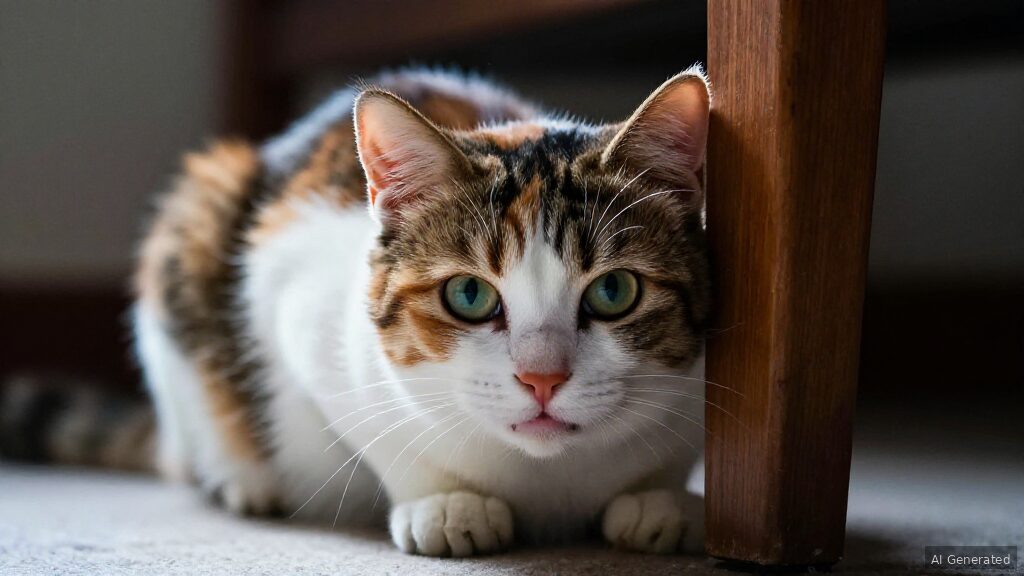
PlayCat wooden furniture plays an important role in creating a safe space for cats. Wooden furniture emits a natural wood scent, which is an environment where cats feel comfortable. In particular, PlayCat wooden furniture does not release chemicals and is made of materials safe for cats, so cat owners can use it with peace of mind. Additionally, the texture of wooden furniture allows cats to lick or rub against it, providing a sense of instinctual satisfaction.
PlayCat wooden furniture was designed with consideration for a cat’s olfactory comfort. By providing space where each cat can clearly define their own territory and control access by other cats, conflicts between cats can be reduced. Cat owners using these furniture pieces should create an environment where cats can naturally accept each other’s scents. In particular, providing spaces where cats can smell each other (such as wall connections) helps promote social interaction between cats.
Wooden furniture also acts as a natural odor neutralizer safe for cats. It adsorbs and neutralizes chemical smells produced in the cat owner’s living space or the scent of other cats, creating a comfortable environment for the cat. In particular, PlayCat wooden furniture provides a stress-free, comfortable living environment for cats through its natural wood scent. It is crucial for cat owners to use these furniture pieces to create a space where cats can move safely.
Finally, PlayCat wooden furniture embodies a cat owner’s attitude of respecting a cat’s scent. Cat owners do not forcibly remove a cat’s scent but accept their natural scent, thereby strengthening the trust relationship with the cat. In particular, using PlayCat wooden furniture to create an environment where cats can clearly define their own territory and control access by other cats is very important.
Positive Effects of Natural Wood Scent on Cats
The natural wood scent emitted by PlayCat wooden furniture has a very positive effect on cats. This scent does not release chemicals harmful to cats and is an environment where cats feel comfortable. In particular, the texture of wooden furniture allows cats to lick or rub against it, providing a sense of instinctual satisfaction. Studies show that in spaces with natural wood scent, cats feel more stable, and stress hormone levels also decrease.
The natural scent of wooden furniture does not stimulate a cat’s olfactory receptors but instead provides an instinctual sense of comfort. This allows cats to feel they are living in a safe environment, thereby strengthening the trust relationship with the cat. In particular, PlayCat wooden furniture does not release chemicals and is made of materials safe for cats, so cat owners can use it with peace of mind. It is crucial for cat owners to use these furniture pieces to create a space where cats can move comfortably.
Additionally, the natural scent of wooden furniture also helps alleviate cat stress. It adsorbs and neutralizes chemical smells produced in the cat owner’s living space or the scent of other cats, creating a comfortable environment for the cat. In particular, PlayCat wooden furniture provides a stress-free, comfortable living environment for cats through its natural wood scent. It is crucial for cat owners to use these furniture pieces to create a space where cats can move safely.
Specific Methods for Cat Owners to Utilize Wooden Furniture
There are various specific methods for cat owners to utilize PlayCat wooden furniture to create a safe environment for cats. First, cat owners should place wooden furniture in spaces where cats can move and create an environment where cats feel comfortable. In particular, let cats feel the texture of the wooden furniture, providing a sense of instinctual satisfaction. It is very important for cat owners to use these furniture pieces to create an environment where cats can naturally accept each other’s scents.
Second, cat owners should use wooden furniture to define a cat’s territory and create an environment where they can control access by other cats. In particular, providing spaces where cats can smell each other (such as wall connections) helps promote social interaction between cats. It is very important for cat owners to use these furniture pieces to create an environment where cats can clearly define their own territory and control access by other cats.
Third, cat owners should use wooden furniture to alleviate cat stress and create a space where cats can move comfortably. In particular, adsorb and neutralize chemical smells produced in the cat owner’s living space or the scent of other cats, creating a comfortable environment for the cat. It is crucial for cat owners to use these furniture pieces to create a space where cats can move safely.
Importance and Effects of Odor Management from the Perspective of Feline Behavioral Enrichment
Feline behavioral enrichment (Environmental Enrichment) refers to improving the environment to satisfy a cat’s instinctual behaviors, thereby improving their quality of life. In this process, odor management is a very critical element. Cats perceive the world through their sense of smell, and safe scents play a decisive role in enhancing a cat’s sense of security. Therefore, cat owners can effectively achieve behavioral enrichment for their cats by creating a scent environment safe for cats.
The core of behavioral enrichment is providing an environment where cats can exercise their instincts. Safe scents play an important role in creating such an environment. For example, natural wood scents or fragrances safe for cats can stimulate a cat’s olfactory system, providing an environment where cats can move comfortably. In particular, PlayCat wooden furniture plays an important role in creating such a safe scent environment.
Additionally, odor management is closely related to social distance between cats. Cats identify their territory and maintain social distance through each other’s scents. Cat owners should understand these instinctual behaviors of cats and, by creating a safe scent environment, reduce conflict between cats and promote social interaction. In particular, PlayCat wooden furniture was designed with consideration for social distance between cats, helping cat owners create a safe environment for their cats.
Specific Strategies for Creating a Scent Environment for Behavioral Enrichment
Specific strategies for creating a scent environment for feline behavioral enrichment are as follows. First, cat owners should create an environment where cats feel safe scents. For example, use wooden furniture to provide natural wood scents or use fragrances safe for cats. It is crucial for cat owners to use these furniture pieces to create a space where cats can move comfortably.
Second, cat owners should consider social distance between cats and create a safe scent environment. In particular, providing spaces where cats can smell each other (such as wall connections) helps promote social interaction between cats. It is very important for cat owners to use these furniture pieces to create an environment where cats can clearly define their own territory and control access by other cats.
Third, cat owners should alleviate cat stress and create a space where cats can move comfortably. In particular, adsorb and neutralize chemical smells produced in the cat owner’s living space or the scent of other cats, creating a comfortable environment for the cat. It is crucial for cat owners to use these furniture pieces to create a space where cats can move safely.
Countermeasures and Precautions for Cats with Different Scent Sensitivities (Age/Personality)
A cat’s scent sensitivity varies by age and personality. Kittens have a very sensitive sense of smell and react sensitively to scents on a cat owner’s hands or clothes. Adult cats clearly define their own territory and are more sensitive to the scents of other cats. Although older cats’ sense of smell weakens, they may still be sensitive to chemical smells. Cat owners should consider these age and personality differences to create a safe scent environment for their cats.
In terms of personality, active cats need more olfactory stimulation, while timid cats need a safer scent environment. Aggressive cats are more sensitive to the scents of other cats, so creating a safe territory for them is crucial. Cat owners should consider these differences to create a safe scent environment for their cats and strengthen the trust relationship with the cat.
In particular, PlayCat wooden furniture was designed with consideration for these age and personality differences of cats. By providing space where each cat can clearly define their own territory and control access by other cats, conflicts between cats can be reduced. It is very important for cat owners to use these furniture pieces to create an environment where cats can naturally accept each other’s scents.
Scent Management Strategies by Age: Kittens/Adults/Seniors
Kittens have a very sensitive sense of smell and react sensitively to scents on a cat owner’s hands or clothes. Therefore, cat owners should use products safe for kittens and avoid strong fragrances. Additionally, kittens take time to adapt to new scents, so cat owners should gradually create a new environment.
Adult cats clearly define their own territory and are more sensitive to the scents of other cats. Therefore, cat owners should provide a safe territory for adult cats and control the scents of other cats. Particularly in multi-cat households, the best choice to prevent conflict between adult cats is to clearly define each cat’s territory and create an environment where they can naturally accept each other’s scents.
Although older cats’ sense of smell weakens, they may still be sensitive to chemical smells. Therefore, cat owners should use products safe for older cats and avoid chemical smells. Additionally, older cats take time to adapt to new environments, so cat owners should gradually create a new environment.
Scent Response Strategies by Personality: Active/Timid/Aggressive
Active cats need more olfactory stimulation, so cat owners should create a safe scent environment for them. In particular, cat owners should provide a diverse scent environment, allowing active cats to explore new scents.
Timid cats need a safer scent environment even more. Cat owners should create a scent environment where timid cats feel comfortable and alleviate their unease. In particular, cat owners should avoid using strong fragrances on timid cats; providing natural wood scents is the best choice.
Aggressive cats are more sensitive to the scents of other cats, so cat owners should create a safe territory for them. In particular, cat owners should provide spaces where aggressive cats can control the scents of other cats to reduce conflict between cats.
Odor Management Checklist Cat Owners Can Implement Today
Cat owners should immediately begin implementing specific actions to improve the scent environment for their cats. This checklist includes practical methods cat owners can apply immediately to help create a scent environment safe for cats. In particular, using PlayCat wooden furniture to create a safe environment for cats is a recommended practice.
First, cat owners should remove citrus fragrances and spicy components. Check current diffusers or candles for these components and remove them immediately if present. Second, cat owners should avoid chemical smells. Store chemical items where cats cannot reach and always maintain ventilation.
Third, cat owners should respect a cat’s scent. Do not frequently wash cat bedding or spray disinfectants near cats. Fourth, cat owners should use wooden furniture to create a safe scent environment. Using PlayCat wooden furniture to create a space where cats can move comfortably is a recommended practice.
Fifth, cat owners should consider social distance between cats and create a safe scent environment. Providing spaces where cats can smell each other (such as wall connections) helps promote social interaction between cats. Sixth, cat owners should consider a cat’s age and personality to create a safe scent environment.
Seventh, cat owners should create a scent environment that aids feline behavioral enrichment. Creating an environment where cats feel safe scents and satisfying their instinctual behaviors is a recommended practice.
Practical Guide: Estimated Time, Required Items, and Effects
- Remove Chemicals and Ventilate (Time: 30 minutes, Items: Fan, Windows)
Cat owners should clear chemicals from their living space and ensure adequate ventilation. This is the most important first step in creating a safe environment for cats. The expected effect is to reduce cat stress and improve health. - Replace Scent Products (Time: 15 minutes, Items: Cat-safe diffuser, candles)
Cat owners should replace current scent products with those safe for cats. In particular, removing citrus and spicy components is crucial. The expected effect is to improve olfactory comfort for cats. - Place and Organize Wooden Furniture (Time: 1 hour, Items: PlayCat wooden furniture)
Cat owners should use PlayCat wooden furniture to create a safe scent environment for cats. In particular, creating a space where cats can move comfortably is a recommended practice. The expected effect is to increase cat activity and reduce stress. - Wash Cat Bedding and Household Items (Time: 30 minutes, Items: Cat-safe detergent)
Cat owners should wash cat bedding and household items using detergents safe for cats. In particular, avoid using strong fragrances. The expected effect is to improve olfactory comfort for cats. - Cat Interference and Territory Management (Time: 1 hour, Items: PlayCat wooden furniture)
Cat owners should consider social distance between cats and create a safe scent environment. In particular, providing spaces where cats can smell each other helps promote social interaction between cats. The expected effect is to reduce conflict between cats. - Feline Behavioral Enrichment Activities (Time: 15 minutes daily, Items: Cat-safe scents, toys)
Cat owners should create an environment where cats feel safe scents and satisfy their instinctual behaviors. The expected effect is to improve cat happiness and reduce stress. - Personalized Management Based on Cat Age and Personality (Time: 10 minutes daily, Items: Cat-safe products)
Cat owners should consider a cat’s age and personality to create a safe scent environment. In particular, considering the differences between kittens, adults, and seniors is crucial. The expected effect is to promote cat health and strengthen the trust relationship.
Frequently Asked Questions (FAQ) About Cat Scents
Q1. What safe diffusers can cat owners use?
Safe diffusers cat owners can use are products that use only plant-based essential oils harmless to cats. Absolutely avoid using products containing components cats dislike (such as citrus, menthol, peppermint). When used with PlayCat wooden furniture, never place the diffuser directly on the furniture; place it where cats cannot easily reach. Additionally, when using a diffuser, cat owners should carefully observe the cat’s reaction to confirm the cat feels comfortable.
Q2. How often should cat bedding be washed?
It is recommended to wash cat bedding at least once a week with a detergent safe for cats. At this time, avoid using detergents or fabric softeners that emit strong fragrances and allow them to air dry naturally. Additionally, when washing cat bedding, pay attention not to let the cat abandon the bedding. Cat owners should carefully observe the cat’s reaction to confirm the cat feels comfortable.
Q3. Can cat owners spray perfume?
Spraying perfume is very dangerous for cats. Chemicals in perfume can stimulate a cat’s olfactory receptors, causing stress. In particular, absolutely avoid spraying perfume in spaces or on bedding that cats like. Cat owners should respect a cat’s scent and create an environment where cats feel comfortable.
Q4. Can perfume be sprayed on PlayCat wooden furniture?
Absolutely do not spray perfume on PlayCat wooden furniture. Wooden furniture emits a natural wood scent, which makes cats feel comfortable. Spraying perfume masks this natural scent, causing cats to feel uncomfortable. Cat owners should maintain the natural scent of the wooden furniture and create a safe environment for cats.
Q5. How to reduce cat interference through scent management?
The scent management method to reduce cat interference is to consider social distance between cats. Cat owners should create an environment where cats can naturally accept each other’s scents and prevent conflict between cats. In particular, using PlayCat wooden furniture to provide spaces where cats can smell each other helps promote social interaction between cats.
Q6. How to manage scent changes in older cats?
Scent changes in older cats are a natural phenomenon. Cat owners should use products safe for older cats and avoid chemical smells. Additionally, cat owners should gradually create a new environment to allow older cats to adapt. In particular, considering the scent sensitivity of older cats and creating a comfortable scent environment for cats is crucial.
Conclusion
Creating a scent environment safe for cats is one of the elements for cat owners to improve their pet cat’s happiness. This article specifically explains the types and causes of smells cats hate, common mistakes cat owners make, and safe scent management strategies utilizing PlayCat wooden furniture. Cat owners can use this information to create an environment where cats can move comfortably and strengthen the trust relationship with their cats.
A cat’s sense of smell plays an extremely important role in their life. It is crucial for cat owners to respect a cat’s scent and create a safe environment. In particular, PlayCat wooden furniture plays an important role in creating such a safe scent environment, helping cat owners provide a comfortable space for their cats. Through this article, cat owners can understand the root cause of feline behavior—smell, master correct management methods, and improve their pet cat’s happiness.
Finally, in creating a scent environment safe for cats, the effort and attention of cat owners are most important. If cat owners use products safe for cats, avoid chemical smells, and use wooden furniture to create a safe space, cats will be able to live happier and healthier. Through PlayCat(플레이캣) wooden furniture, cat owners can create a safe environment for their cats and further consolidate the trust relationship with their cats.
Please visit PlayCat(playcat.xyz) for more information about feline behavioral enrichment.
This content was written using AI technology. Please consult a veterinarian for medical-related information.