


A Must-Read for Cat Owners! The Ultimate Guide to Smells Cats Hate and Strategies for Air Purification
What are the smells cats hate, and why should owners know?
Cats have a sense of smell far more sensitive than humans, reacting extremely to trace chemicals and specific odors that we cannot detect. This article scientifically analyzes the causes and types of smells cats instinctively avoid, and specifically explains the behavioral impacts these odors have on cats. In particular, we present practical methods to solve odor issues that may arise in the environment of PlayCat’s (PlayCat) solid wood furniture, supporting owners in building a safe space for their cats at home.
Many owners tend to dismiss smells cats hate as simply “unpleasant” and ignore them, but this can become a stress factor for the actual cat and a significant signal that triggers aggressive behavior. For example, certain smells can affect a cat’s hormonal balance, potentially amplifying anxiety or causing behavioral changes such as the suppression of hunting instincts. Therefore, by managing the odors that are the root of a cat’s behavior through this article, owners can help their pet cats achieve mental stability and strengthen the bond of trust between humans and cats.
This content is created based on research findings in Animal Behavior and Applied Animal Behavior, structured to consider the actual physiological reactions of cats and environmental factors. In particular, recent studies point out that for indoor cats, the combination of external odors and indoor chemicals is a major cause of increased stress levels. Recognizing such facts and acquiring the correct odor management method is the first step for owners to improve their pet cat’s Quality of Life (QoL).
In the following sections, we will progressively present the specific types of smells cats hate the most, the impact each smell has on cats, and Environmental Enrichment strategies to solve them. We include the positive effects the natural scent and texture of PlayCat’s solid wood furniture have on cats, along with practical tips owners can apply immediately, guiding you on how to better understand and love your cat.
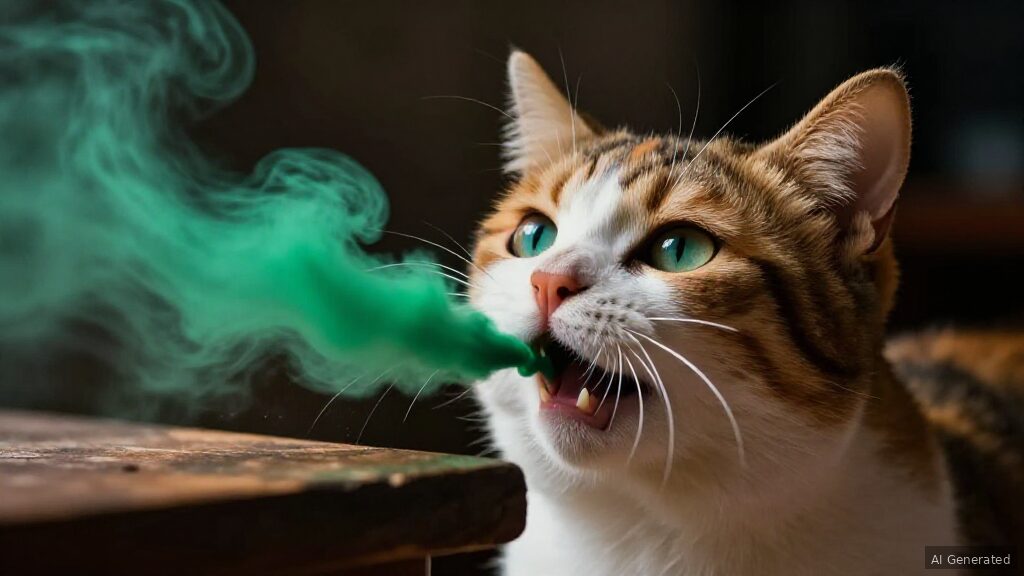
What are the types of smells cats instinctively hate the most, and why?
The smells cats instinctively hate the most can be broadly classified into two categories. One is an odor evolved to alert against predators and harmful substances in nature, and the other is the odor of artificial chemicals occurring in modern living environments. When distinguishing between these two odors, cats may perceive them as terrifying foul odors rather than strong smells to humans, because their arrangement of olfactory cells and brain processing methods differ from humans. Such instinctive aversion is deeply linked to a cat’s survival instinct, and when the corresponding odor is detected, they immediately show avoidance behavior.
First, the representative repulsive odor is citrus scents. The aromas of citrus fruits such as lemons, oranges, limes, and grapefruits act very unpleasantly on cats. This is because cats have no evolutionary memory of encountering these fruits in the wild, or conversely, because these plants may have toxicity. According to research, when using insecticides or diffusers containing citrus oil, cats may show behavior such as avoiding that space or scratching. In fact, in many cat behavior studies, it has been observed that in spaces where citrus scent lingers, cat activity levels drop sharply, or they show anxious expressions as if they are feeling short of breath.
Second, an important repulsive odor is spicy components. Particularly scents such as peppermint (Peppermint), menthol (Menthol), and eucalyptus (Eucalyptus) stimulate cat olfactory receptors to cause extreme discomfort. While these components are recognized as refreshing scents by humans, they are recognized as toxic substances by cats. For example, there are research results stating that menthol can stimulate respiratory mucosa in cats to cause coughing, and eucalyptus may affect the optic nerve. Therefore, candles, diffusers, and even the scents of cosmetics used by owners may be disliked by cats, which could pose a direct health risk to cats.
Third, odors to be careful about are tobacco and paint odors. Unlike secondhand smoke, cigarette smoke is far more fatal for cats. When cats inhale fine particles of cigarette smoke, they may cause serious damage to lung tissue. Also, Volatile Organic Compounds (VOCs) released from paints and adhesives act as very harmful odors for cats. These chemicals can weaken a cat’s immune system and potentially cause asthma or allergic reactions. In particular, while PlayCat’s solid wood furniture excels in the ability to adsorb and neutralize these chemical odors, placing items that generate strong chemical odors around it could cause significant stress for cats.
Finally, one of the smells cats hate is the odor of other cats’ secretions. This is an instinctive reaction related to social distance (Social Distance) and territory claiming among cats. When the scent of another cat mixes with their own territory, cats recognize this as an intruder and may show aggressive behavior or escape behavior. In particular, in multi-cat households, sensitivity to such odors increases further, often becoming a major cause of conflict between cats. Therefore, it is important for owners to build an environment where cats can naturally accept each other’s scents.
Specific impacts of citrus scents and citrus odors on cats
Citrus scents give strong stimulation to cat olfactory receptors, causing immediate aversion reactions. This goes beyond the level of simply “disliking” it and may promote the secretion of cortisol (Cortisol), a stress hormone, in the cat’s brain. According to research results, cats exposed to an environment with citrus scent for a long time may show symptoms such as elevated blood pressure, increased heart rate, and loss of appetite. In particular, if citrus scent adheres to treats or toys that cats like, the cat will reject it, showing behavior such as not eating or throwing away the toy.
The specific impacts of such odors on the owner’s living space are as follows. For example, if an owner lights a candle with their favorite orange scent, the cat may search for hiding places in that space or show anxious behavior while gazing out the window. This acts as a signal to the cat that “this is a dangerous place.” Also, citrus scents may irritate a cat’s skin, potentially inducing behavior such as excessive licking or scratching. Therefore, for the sake of olfactory comfort for cats, owners should absolutely avoid using citrus scents and instead use natural essential oils safe for cats.
In the environment of PlayCat’s solid wood furniture, citrus scents also need to be handled carefully. While solid wood furniture emits the natural scent of wood, spraying citrus oil on it may cause cats to avoid it instead. Owners must understand the material and scent of their cat furniture and maintain a safe environment for cats. If owners prefer citrus scents, they must take measures such as using them only in spaces separated from cats or placing them where cats cannot access them.
Dangers and countermeasures for spicy components and chemical odors
Spicy components, particularly menthol and peppermint, are dangerous substances that can cause direct damage to a cat’s olfactory system. These components can stimulate a cat’s nasal mucosa, potentially causing coughing, sneezing, and breathing difficulties. According to research, cats exposed to substances containing menthol may experience nervous system overload, which could become a cause of nervous system diseases in the long term. Therefore, if diffusers or candles used by owners contain these components, it becomes a great danger for cats.
Chemical odors, especially VOCs emitted from paints and adhesives, are fatal to cat health. Cats can inhale smaller particles of chemicals than humans, which may cause diseases such as lung cancer or asthma. Also, these chemicals can weaken a cat’s immune system and reduce resistance against viruses and bacteria. When owners build a new house or renovate, they must use materials safe for cats and ensure adequate ventilation. In particular, PlayCat’s solid wood furniture is made of natural materials that do not release these chemicals, so owners can use it with peace of mind.
Specific countermeasures to avoid such dangerous odors are as follows. First, owners must select only products safe for cats. For example, when using diffusers, use only plant-based oils harmless to cats, and when using candles, select unscented or natural wax products. Also, owners must store chemicals in places inaccessible to cats and always ventilate. In particular, when using PlayCat’s solid wood furniture, care must be taken not to spray chemicals directly onto the furniture.
Social meaning of cat interference and territorial odors
Cat interference (Interference) is a phenomenon related to social distance between cats, occurring when the scent of another cat mixes with their own territory. This is deeply linked to their survival instinct and is closely related to Territorial Defense. When cats detect the scent of another cat in their territory, they recognize it as an intruder and may show aggressive behavior or escape behavior. This goes beyond the level of simply “disliking” it and becomes a major cause of conflict between cats.
In multi-cat households, sensitivity to such odors increases further, often becoming a major cause of conflict between cats. In particular, male cats are more sensitive to territorial defense, and female cats react more sensitively to changes in scent related to the breeding period. Owners must understand such social behaviors of cats and use the correct methods to prevent conflict between cats. For example, to reduce conflict between cats, it is important to clearly define each cat’s territory and build an environment where they can naturally accept each other’s scents.
PlayCat’s solid wood furniture is designed considering such social distance between cats. By providing a space where each cat can clearly define their own territory and control access by other cats, conflict between cats can be reduced. Owners must utilize such furniture to build an environment where cats can naturally accept each other’s scents. In particular, it is desirable to provide spaces where cats can sniff each other’s scents (e.g., wall connection parts) to promote social interaction between cats.
What are the mistakes owners often make regarding smells and their problems?
While owners strive to build a safe environment for cats, they often have bad habits that stimulate a cat’s sense of smell. One of the most common mistakes is releasing harmful odors for cats even while using products considered safe for them. For example, owners may use organic soap considered safe for cats, but the scent released from this soap may act very unpleasantly for cats. Such mistakes occur because owners do not fully consider the cat’s olfactory reaction, potentially causing stress for the cat.
Second, a common mistake is releasing odors that invade a cat’s territory. Owners often spray their favorite perfume in their space or use strongly scented products to decorate the space. This gives cats a feeling that their territory is being invaded, potentially triggering aggressive behavior or escape behavior. In particular, spraying perfume on PlayCat’s solid wood furniture or placing strongly scented products near cats is a major mistake.
Third, a mistake to be careful about is forcibly removing a cat’s scent. Owners often dislike cat odors and frequently wash cat bedding or spray disinfectants near cats. This gives cats a feeling that their territory is being invaded, potentially inducing stress. Also, such actions can damage the trust relationship with cats, potentially causing cats to show behavior trying to distance themselves from owners.
Finally, a mistake owners often make is confusing a cat’s scent with other odors. Owners often cannot distinguish between a cat’s natural scent and the scent of other cats or odors coming from the outside. This can hinder social distance between cats and potentially cause conflict between them. Therefore, it is important for owners to respect a cat’s scent and build an environment where cats feel comfortable.
Daily smell mistakes owners should be careful about
One of the smell mistakes owners often overlook in daily life is using products considered safe for cats but releasing harmful odors for them. For example, owners may use organic soap considered safe for cats, but the scent released from this soap may act very unpleasantly for cats. Such mistakes occur because owners do not fully consider the cat’s olfactory reaction, potentially causing stress for the cat. Also, detergents and cleaning agents used by owners may contain components harmful to cats, which becomes a direct danger to cat health.
One of the daily smell mistakes owners should be careful about is releasing odors that invade a cat’s territory. Owners often spray their favorite perfume in their space or use strongly scented products to decorate the space. This gives cats a feeling that their territory is being invaded, potentially triggering aggressive behavior or escape behavior. In particular, spraying perfume on PlayCat’s solid wood furniture or placing strongly scented products near cats is a major mistake.
Third, a mistake to be careful about is forcibly removing a cat’s scent. Owners often dislike cat odors and frequently wash cat bedding or spray disinfectants near cats. This gives cats a feeling that their territory is being invaded, potentially inducing stress. Also, such actions can damage the trust relationship with cats, potentially causing cats to show behavior trying to distance themselves from owners.
Finally, a mistake owners often make is confusing a cat’s scent with other odors. Owners often cannot distinguish between a cat’s natural scent and the scent of other cats or odors coming from the outside. This can hinder social distance between cats and potentially cause conflict between them. Therefore, it is important for owners to respect a cat’s scent and build an environment where cats feel comfortable.
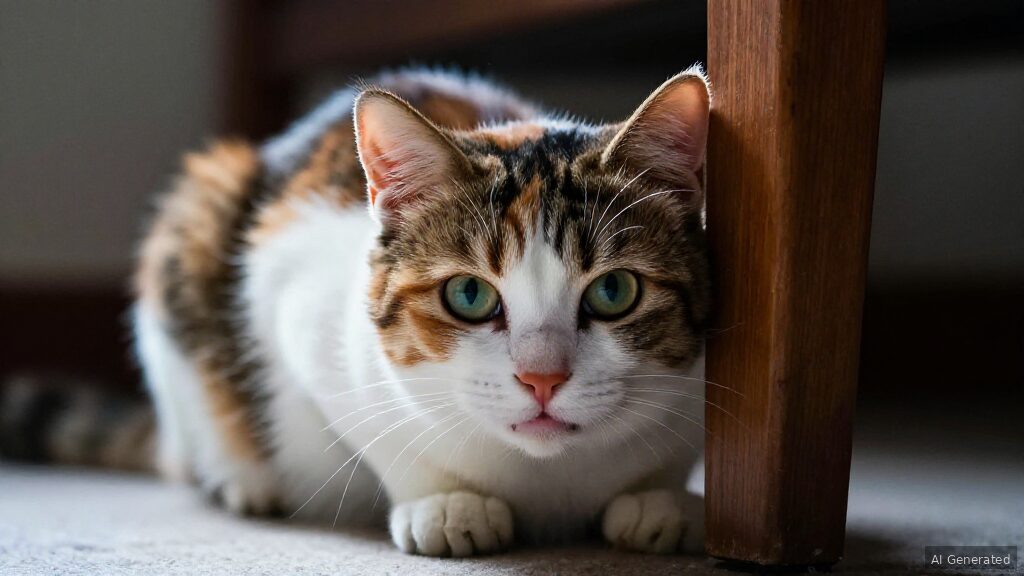
The Role of PlayCat Solid Wood Furniture for Safe Spaces and Odor Management for Cats
PlayCat’s solid wood furniture plays an important role in building a safe space for cats. Solid wood furniture emits the natural scent of wood, which is an environment where cats feel comfortable. In particular, PlayCat’s solid wood furniture is made of materials safe for cats and does not release chemicals, so owners can use it with peace of mind. Also, the texture of solid wood furniture allows cats to lick or feel friction, providing instinctive satisfaction for cats.
PlayCat’s solid wood furniture is designed considering cats’ olfactory comfort. By providing a space where each cat can clearly define their own territory and control access by other cats, conflict between cats can be reduced. Owners must utilize such furniture to build an environment where cats can naturally accept each other’s scents. In particular, it is desirable to provide spaces where cats can sniff each other’s scents (e.g., wall connection parts) to promote social interaction between cats.
Solid wood furniture also functions as a safe odor neutralizer for cats. It can adsorb and neutralize chemical odors occurring in the owner’s living space and the scents of other cats, building a comfortable environment for cats. In particular, PlayCat’s solid wood furniture provides an environment where cats can live comfortably without feeling stress through the natural scent of wood. Owners must utilize such furniture to build a space where cats can safely move around.
Finally, PlayCat’s solid wood furniture shows an attitude where owners respect a cat’s scent. Owners do not forcibly remove a cat’s scent, accept the cat’s natural scent, and can strengthen the trust relationship with the cat. In particular, it is important for owners to utilize PlayCat’s solid wood furniture to build an environment where cats can clearly define their own territory and control access by other cats.
Positive effects of the natural scent of solid wood furniture on cats
The natural scent of wood emitted by PlayCat’s solid wood furniture has a very positive effect on cats. This scent does not release unsafe chemicals for cats and is an environment where cats feel comfortable. In particular, the texture of solid wood furniture allows cats to lick or feel friction, providing instinctive satisfaction for cats. According to research, there are results showing that in spaces where the natural scent of wood lingers, cats feel more stability and stress hormone levels decrease.
The natural scent of solid wood furniture does not stimulate cat olfactory receptors but rather provides instinctive comfort for cats. This gives cats a feeling that they are living in a safe environment and strengthens the trust relationship with the cat. In particular, PlayCat’s solid wood furniture is made of materials safe for cats and does not release chemicals, so owners can use it with peace of mind. Owners must utilize such furniture to build a space where cats can comfortably move around.
Also, the natural scent of solid wood furniture helps relieve cat stress. It can adsorb and neutralize chemical odors occurring in the owner’s living space and the scents of other cats, building a comfortable environment for cats. In particular, PlayCat’s solid wood furniture provides an environment where cats can live comfortably without feeling stress through the natural scent of wood. Owners must utilize such furniture to build a space where cats can safely move around.
Specific ways owners can utilize solid wood furniture
There are many specific ways owners can utilize PlayCat’s solid wood furniture to build a safe environment for cats. First, owners must place solid wood furniture in spaces where cats can move around and build an environment where cats feel comfortable. In particular, it is desirable to let cats feel the texture of the solid wood furniture and provide instinctive satisfaction. Owners must utilize such furniture to build an environment where cats can naturally accept each other’s scents.
Second, owners must use solid wood furniture to clearly define a cat’s territory and build an environment where access by other cats can be controlled. In particular, it is desirable to provide spaces where cats can sniff each other’s scents (e.g., wall connection parts) to promote social interaction between cats. Owners must utilize such furniture to build an environment where cats can clearly define their own territory and control access by other cats.
Third, owners must use solid wood furniture to relieve cat stress and build a space where cats can comfortably move around. In particular, it can adsorb and neutralize chemical odors occurring in the owner’s living space and the scents of other cats, building a comfortable environment for cats. Owners must utilize such furniture to build a space where cats can safely move around.
Importance and Effects of Odor Management from the Perspective of Cat Behavioral Enrichment
Cat Behavioral Enrichment (Environmental Enrichment) means improving the environment to enhance a cat’s quality of life and satisfying their instinctive behaviors. In this process, odor management is a very important element. Cats recognize the world through their sense of smell, and safe odors play a decisive role in enhancing a cat’s sense of stability. Therefore, by building a safe odor environment for cats, owners can effectively achieve cat behavioral enrichment.
The core of behavioral enrichment is providing an environment where cats can express their instincts. Safe odors play an important role in building such an environment for cats. For example, the scent of natural wood or scents safe for cats stimulate a cat’s sense of smell and provide an environment where cats can comfortably move around. In particular, PlayCat’s solid wood furniture plays an important role in building such a safe odor environment.
Also, odor management is closely related to social distance between cats. Cats recognize territory and maintain social distance through each other’s scents. Owners must understand such instinctive behaviors of cats and, by building a safe odor environment, reduce conflict between cats and promote social interaction between them. In particular, PlayCat’s solid wood furniture is designed considering such social distance between cats and helps owners build a safe environment for cats.
Specific strategies for building odor environments for behavioral enrichment
Specific strategies for building odor environments for cat behavioral enrichment are as follows. First, owners must build an environment where cats can feel safe odors. For example, it is desirable to use solid wood furniture to provide the natural scent of wood or use scents safe for cats. Owners must utilize such furniture to build a space where cats can comfortably move around.
Second, owners must build a safe odor environment considering social distance between cats. In particular, it is desirable to provide spaces where cats can sniff each other’s scents (e.g., wall connection parts) to promote social interaction between cats. Owners must utilize such furniture to build an environment where cats can clearly define their own territory and control access by other cats.
Third, owners must relieve cat stress and build a space where cats can comfortably move around. In particular, it can adsorb and neutralize chemical odors occurring in the owner’s living space and the scents of other cats, building a comfortable environment for cats. Owners must utilize such furniture to build a space where cats can safely move around.
Countermeasures and precautions for odor sensitivity by age/personality of cats
A cat’s odor sensitivity differs by age and personality. Kittens have a very sensitive sense of smell and react sensitively to odors released from owners’ hands or clothes. Adult cats clearly define their own territory and react more sensitively to the scents of other cats. Senior cats’ sense of smell weakens, but they may still react sensitively to chemical odors. Owners must build a safe odor environment for cats considering such differences by age and personality.
By personality, active cats require more olfactory stimulation, and timid cats require a safer odor environment more. Cats with aggressive tendencies react more sensitively to the scents of other cats, and it is important to build a safe territory for them. Owners can build a safe odor environment for cats and strengthen the trust relationship with the cat by considering such differences.
In particular, PlayCat’s solid wood furniture is designed considering such differences in age and personality among cats. By providing a space where each cat can clearly define their own territory and control access by other cats, conflict between cats can be reduced. Owners must utilize such furniture to build an environment where cats can naturally accept each other’s scents.
Age-specific odor management strategies: Kittens/Adults/Seniors
Kittens have a very sensitive sense of smell and react sensitively to odors released from owners’ hands or clothes. Therefore, it is important for owners to use products safe for kittens and avoid strong scents. Also, since kittens take time to adapt to new odors, it is desirable for owners to slowly build a new environment.
Adult cats clearly define their own territory and react more sensitively to the scents of other cats. Therefore, it is important for owners to provide a safe territory for adult cats and control the scents of other cats. In particular, in multi-cat households, it is desirable to clearly define each cat’s territory and build an environment where they can naturally accept each other’s scents to prevent conflict between adult cats.
Senior cats’ sense of smell weakens, but they may still react sensitively to chemical odors. Therefore, it is important for owners to use products safe for senior cats and avoid chemical odors. Also, since senior cats take time to adapt to new environments, it is desirable for owners to slowly build a new environment.
Personality-specific odor response strategies: Active/Timid/Aggressive
Active cats require more olfactory stimulation, and it is important for owners to build a safe odor environment for such cats. In particular, it is desirable for owners to provide a diverse odor environment so that active cats can explore new scents.
Timid cats require a safer odor environment more. Owners must build an odor environment where timid cats feel comfortable and relieve their anxiety. In particular, it is desirable for owners to avoid strong scents for timid cats and provide the natural scent of wood.
Cats with aggressive tendencies react more sensitively to the scents of other cats, and it is important for owners to build a safe territory for such cats. In particular, it is desirable for owners to provide a space where aggressive cats can control the scents of other cats to reduce conflict between cats.
Odor Management Checklist Owners Can Practice Immediately Today
Owners must practice specific actions that can immediately improve a cat’s odor environment starting today. This checklist includes practical methods owners can apply immediately to help build a safe odor environment for cats. In particular, it is desirable to utilize PlayCat’s solid wood furniture to build a safe environment for cats.
First, owners must remove citrus scents and spicy components. Owners must check if their currently used diffusers or candles contain these components and remove them. Second, owners must avoid chemical odors. Owners must store chemicals in places inaccessible to cats and always ventilate.
Third, owners must respect a cat’s scent. Owners must not frequently wash cat bedding or spray disinfectants near cats. Fourth, owners must utilize solid wood furniture to build a safe odor environment. It is desirable for owners to use PlayCat’s solid wood furniture to build a space where cats can comfortably move around.
Fifth, owners must build a safe odor environment considering social distance between cats. It is desirable for owners to provide spaces where cats can sniff each other’s scents (e.g., wall connection parts) to promote social interaction between cats. Sixth, owners must build a safe odor environment considering the age and personality of cats.
Seventh, owners must build an odor environment for cat behavioral enrichment. It is desirable for owners to build an environment where cats can feel safe odors and satisfy their instinctive behaviors.
Practical Guide: Estimated Time, Required Items, and Effects
- Chemical Removal and Ventilation (Time: 30 mins, Required Items: Ventilation fan, window)
Owners must remove chemicals from their living space and ensure adequate ventilation. This is the most important first step in building a safe environment for cats. The expected effect is reduced cat stress and improved health. - Exchanging Scent Products (Time: 15 mins, Required Items: Cat-safe diffuser, candle)
Owners must replace currently used scent products with products safe for cats. In particular, it is important to remove citrus and spicy components. The expected effect is improved olfactory comfort for cats. - Placement and Organization of Solid Wood Furniture (Time: 1 hour, Required Items: PlayCat solid wood furniture)
Owners must use PlayCat’s solid wood furniture to build a safe odor environment for cats. In particular, it is desirable to build a space where cats can comfortably move around. The expected effect is increased cat activity and reduced stress. - Washing Cat Bedding and Household Items (Time: 30 mins, Required Items: Cat-safe detergent)
Owners must wash cat bedding and household items with a detergent safe for cats. In particular, it is important to avoid strong scents. The expected effect is improved olfactory comfort for cats. - Cat Interference and Territory Management (Time: 1 hour, Required Items: PlayCat solid wood furniture)
Owners must build a safe odor environment considering social distance between cats. In particular, it is desirable to provide spaces where cats can sniff each other’s scents to promote social interaction between cats. The expected effect is reduced conflict between cats. - Cat Behavioral Enrichment Activities (Time: 15 mins daily, Required Items: Cat-safe scent, toys)
Owners must build an environment where cats can feel safe odors and satisfy their instinctive behaviors. The expected effect is improved cat happiness and reduced stress. - Tailored Management by Cat Age and Personality (Time: 10 mins daily, Required Items: Cat-safe products)
Owners must build a safe odor environment considering the age and personality of cats. In particular, it is important to consider the differences between kittens, adult cats, and senior cats. The expected effect is improved cat health and strengthened trust relationships.
Frequently Asked Questions (FAQ) About Cat Odors
Q1. What are the safe diffusers owners can use?
Safe diffusers owners can use are products that use only plant-based oils harmless to cats. Products containing components cats hate, such as citrus, menthol, and peppermint, must be absolutely avoided. When using with PlayCat’s solid wood furniture, it is desirable not to place the diffuser directly on the furniture but in a place where cats cannot easily access it. Also, when using a diffuser, owners must carefully observe the cat’s reaction and confirm if the cat feels comfortable.
Q2. How often should cat bedding be washed?
It is desirable to wash cat bedding at least once a week with a detergent safe for cats. At this time, it is desirable not to use detergents or fabric softeners that release strong scents and to air dry naturally. Also, when washing cat bedding, care must be taken so that cats do not throw away the bedding. Owners must carefully observe the cat’s reaction and confirm if the cat feels comfortable.
Q3. Can owners spray perfume?
Owners spraying perfume is very dangerous for cats. Chemicals contained in perfume can stimulate cat olfactory receptors and potentially induce stress. In particular, spraying perfume on spaces or bedding that cats like must be absolutely avoided. Owners must respect a cat’s scent and build an environment where cats feel comfortable.
Q4. Can owners spray perfume on PlayCat’s solid wood furniture?
Owners must absolutely avoid spraying perfume on PlayCat’s solid wood furniture. Solid wood furniture emits the natural scent of wood, which provides comfort for cats. Spraying perfume covers this natural scent, potentially causing cats not to feel comfortable. Owners must maintain the natural scent of solid wood furniture and build a safe environment for cats.
Q5. What is the odor management method to reduce cat interference?
The odor management method to reduce cat interference is to consider social distance between cats. Owners must build an environment where cats can naturally accept each other’s scents and prevent conflict between them. In particular, it is desirable to utilize PlayCat’s solid wood furniture to provide spaces where cats can sniff each other’s scents to promote social interaction between cats.
Q6. How should owners manage changes in a senior cat’s sense of smell?
Changes in a senior cat’s sense of smell are a natural phenomenon. Owners must use products safe for senior cats and avoid chemical odors. Also, it is desirable for owners to slowly build a new environment so that senior cats can adapt to it. In particular, considering a senior cat’s odor sensitivity, it is important for owners to build a comfortable odor environment for cats.
Conclusion
Building a safe odor environment for cats is one of the most important elements for owners to enhance their pet cat’s happiness. In this article, we specifically explained the types and causes of smells cats hate, mistakes owners often make, and safe odor management strategies utilizing PlayCat’s solid wood furniture. Based on this information, owners can build an environment where cats can comfortably move around and strengthen the trust relationship with the cat.
A cat’s sense of smell plays a very important role in their lives, and it is important for owners to respect a cat’s scent and build a safe environment. In particular, PlayCat’s solid wood furniture plays an important role in building such a safe odor environment and helps owners provide a comfortable space for cats. Through this article, owners can understand the odors that are the root of a cat’s behavior and acquire the correct management method to enhance their pet cat’s happiness.
Finally, the effort and concern of owners are most important in building a safe odor environment for cats. If owners use products safe for cats, avoid chemical odors, and utilize solid wood furniture to build a safe space, cats will be able to live happier and healthier. Through PlayCat’s (PlayCat) solid wood furniture, owners can build a safe environment for cats and further strengthen the trust relationship with them.
Please check more cat behavioral enrichment information at PlayCat (playcat.xyz)
This content was created utilizing AI technology. Please consult a veterinarian regarding medical-related information.