


A Must-Read for Persian Cat Owners! Complete Analysis of Your Cat’s Inner Thoughts and Health Management Guide
The Persian cat is a breed that requires delicate health care and deep understanding, just as much as its noble appearance. To raise them correctly, it is essential to accurately understand their unique behavioral patterns and physical characteristics. This article provides detailed guidance on the health management methods, how to read their hidden inner thoughts, and how to create a proper play environment for Persian cat owners, backed by scientific evidence and concrete practical examples. Through this article, you can gain the wisdom to not only be a pet owner but to maximize the quality of life for your Persian cat and stay together with them as a healthy companion for a long time.
Why is health management and disease prevention for Persian cats really important?
Persian cats have characteristics where their respiratory system, kidney function, and skin condition react very sensitively compared to other breeds. Due to these physiological traits, regular health check-ups and daily observation are not merely a matter of politeness; they act as the most critical factors determining their survival rate and life satisfaction. Many guardians focus only on their appearance, but missing hidden disease signals often leads to delayed treatment, which can ultimately result in high costs and pain for the cat.
Especially, the Persian breed is prone to chronic nasal congestion and breathing difficulties due to their flat facial structure, known as ‘Brachycephaly’. According to animal behavior and veterinary research results, a normal cat’s breathing rate is about 20-30 times per minute, but Persian cats expend more energy maintaining their respiratory organs, so their stress hormone levels may remain higher than usual. This causes a weakening of the immune system, reducing resistance to infectious diseases, so it should be interpreted not just as a simple ‘snore’ but as a sign of actual disease risk.
Therefore, guardians must make the following specific check items a daily habit for Persian cat health management.
- Asymmetrical Nose Observation: Although a Persian cat’s nose is flat, the ideal shape is a ‘W’ shape where the tip bends to both sides. To check this, observe the nose early in the morning when you wake up. If the tip of the nose becomes sharper or the bent part is deformed compared to usual, this may be a sign of swelling caused by respiratory infection or tooth root inflammation, so it is safer to show it to a veterinarian immediately.
- Tears and Eye Discharge Check: Persian cats tend to have tears that do not flow well and accumulate. If the area around the eyes turns red, or if sticky secretions flow down under the eyelids and reach the nose, there is a very high possibility that this is an early symptom of conjunctivitis. Wipe around the eyes with a soft cloth at least twice a day and record the amount and color of the secretions.
- Litter Box Habit Monitoring: Persian cats are vulnerable to kidney disease. If the frequency of visiting the litter box decreases compared to usual, the time to urinate becomes longer, or the smell of urine becomes very strong, this is a sign of cystitis or kidney dysfunction. Especially, male Persian cats are at risk of urethral obstruction; if they cannot urinate at all, emergency surgery may be required, so if they do not use the litter box for more than 24 hours, you must move to a hospital immediately.
During health check-ups, it is important to not only check blood test values but also listen to the cat’s overall condition and breathing sounds. Veterinary experts recommend reducing the interval for regular check-ups for Persian cats to 6 months compared to other breeds. This is a measure considering their rapid aging rate and potential disease incidence rate, based on research results showing that early detection greatly reduces treatment costs and the cat’s pain. Please carefully examine your Persian cat’s nose, eyes, and litter box habits right now, and become a sensitive observer who detects their subtle changes.
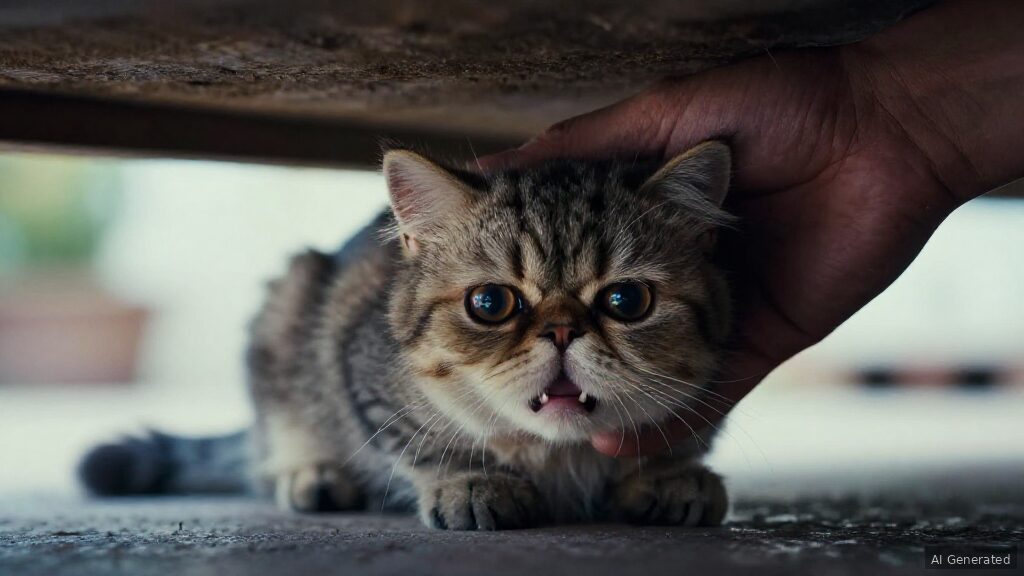
Does a cat showing its belly really mean love and trust?
When a cat lies down exposing its belly, it gives the biggest joy to guardians, but many misunderstand this as an unconditional sign of love and a request to be petted. Actually, according to cat behavior studies, showing the belly does not mean a ‘vulnerable state’, but rather the result of the judgment that ‘there is no threat in the current situation’. It is not necessarily an action that excludes aggression. On the contrary, it can be a sign that the cat trusts the guardian by exposing its weakest part, but this occurs conditionally, and if the situation changes suddenly, it can turn into a counterattack in an instant, making it a very dangerous behavior.
Persian cats are particularly gentle and shy in personality, but they are not necessarily accustomed to unconditional petting just because they show their belly. Many Persian cat owners experience situations where they touch the belly thinking ‘since the cat showed its belly, I can pet it safely’, only to have the cat suddenly bite or scratch. This is the cat’s instinctive defense mechanism at work, stemming from the psychology that ‘if you attack me, I cannot protect this weak part, so I must attack first to eliminate you’. Therefore, a cat showing its belly is just saying ‘I am safe now’, and it absolutely does not mean it has given permission to ‘pet me now’.
To interact correctly with a cat showing its belly, guardians must follow the following step-by-step approach.
- Step 1: Observation and Waiting: Do not reach out your hand immediately or lean on the cat after it shows its belly. Observe the size of the cat’s pupils and the position of its ears. If the ears are standing up like a wedge forward and the pupils are small, it is in a calm state. If the ears are flattened back, the pupils are enlarged, and the cat is panting or growling, it is a signal that an attack is imminent.
- Step 2: Safe Contact Method: If the cat is in a calm state, try gently placing your hand near the side or the back of the neck, not on the belly. Touching the belly directly can cause the most stress to the cat, so it is best to avoid it. If the cat wraps its hand around and licks you, lowers its legs, or slowly wags its tail showing relaxation, start gentle petting only at this time.
- Step 3: Immediate Stop Signal Recognition: While petting, if the tip of the cat’s tail shakes roughly, the skin becomes bumpy, or a hissing sound is heard, remove your hand immediately. Even if it bites hard at this time, do not be surprised. This is a clear boundary signal saying ‘do not touch anymore’, and if the guardian’s response is inappropriate, the same situation may repeat.
Especially, Persian cats have sensitive nerves and react very sensitively to stimulation on the belly part. Some Persian cats become extremely happy and fall asleep when their belly is touched, while others may show stress with rough breathing or aggression. Considering this individual difference, guardians must train to accurately read the cat’s own signals. The reason ‘why the cat showed its belly’ may be an expression of love, but it may also be an instinctive sense of caution, so instead of blindly petting, it is necessary to read the cat’s mind through observation and communication.
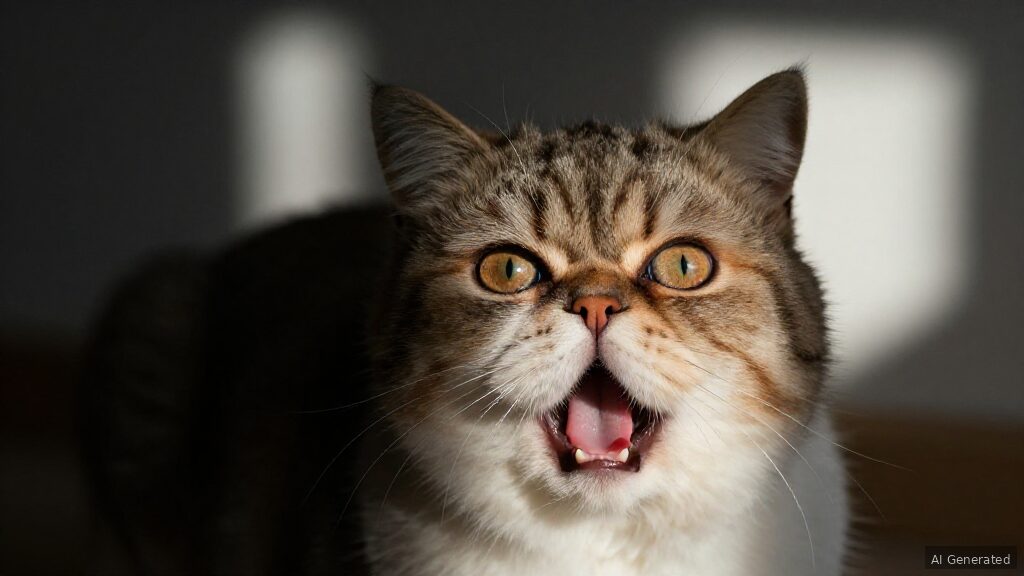
The Importance of ‘GritGrit’ and the Necessity of Solid Wood Furniture That Guardians Often Miss
When a cat scratches the guardian’s precious items such as furniture, walls, or curtains, it is not a simple act of destruction, but a way to fulfill the cat’s instinctive and essential biological needs. From an animal behavior perspective, scratching behavior performs four important functions: territory marking, muscle strengthening, stress relief, and maintaining sharp claws known as Iris. Especially, Persian cats are relatively quiet compared to their activity level, but they have very long and strong claws, so if an appropriate scratching place is not provided, they may cause serious damage to the guardian’s furniture or easily injure their claws.
A cat’s claws are structured to transform into sharp thorns, and they must be maintained and worn down periodically. If the tips of the claws become round, the cat may lose accuracy when hunting, get injured on the skin, or experience pain in the toes, making it difficult to walk. Also, scratching behavior is an important means for cats to relieve stress and change their mood. A stressed cat expresses its emotions using its claws, which is essential for maintaining their mental health. If the guardian does not provide a scratching place, the cat may have no alternative means to relieve stress, leading to increased aggression or feelings of anxiety.
To promote the health and behavioral enrichment of Persian cats, what guardians must prepare is the correct scratching furniture. Solid wood furniture is a much more favorable choice for cats than general plywood or artificial wood. Solid wood furniture is essential for cats for the following reasons.
- Durability and Natural Surface: Plywood can easily tear and crack, causing injury to the cat’s claws. On the other hand, solid wood provides appropriate resistance when claws scratch, helping to keep the claws sharp and giving a natural feeling to the cat. Especially, Persian cats have very sensitive claws, so they prefer soft wood surfaces.
- Health-Beneficial Ingredients: Some solid wood furniture is treated with oil or coating containing ingredients good for cat claws. This helps claw growth and forms a skin protective barrier to prevent dry and cracked claws. Plywood or artificial wood does not contain these ingredients at all, and the harmful glue smell can actually stimulate the cat’s respiratory system.
- Permanent Use and Cost Efficiency: Plywood furniture tears within a few months, causing frequent replacement costs, but solid wood furniture can be used for several years, making it economical in the long run. This also helps reduce stress by providing a consistent environment for the cat.
The solid wood furniture from PlayCat(플레이캣) that guardians should choose is equipped with optimal surface treatment and durability suitable for cat claws. If the guardian installs it directly and places it in the cat’s activity space, the cat will naturally use that furniture, protecting the guardian’s furniture and keeping the cat’s claws healthy. This goes beyond simply protecting furniture; it is an essential investment for the cat’s health and happiness.
Common Mistakes and Correct Approaches by Guardians
Many guardians rely on clipping the Persian cat’s claws to prevent them from scratching. Clipping claws can temporarily reduce their length, but it destroys the structure of the claws, preventing them from becoming sharp properly, and exposes the skin under the claws, causing wounds and inflammation. Claws are a very sensitive part for cats, and if they get injured, the cat finds it difficult to walk and becomes stressed. Therefore, providing the correct scratching place and managing claws is much more effective than clipping claws.
Also, some guardians use spray or paint to prevent cats from scratching. This confuses the cat’s scent and territory marking instinct, which may instead cause stress to the cat or make the cat react more aggressively. The most effective method for cats is to provide the scratching places they like, guiding them to naturally use the guardian’s furniture instead.
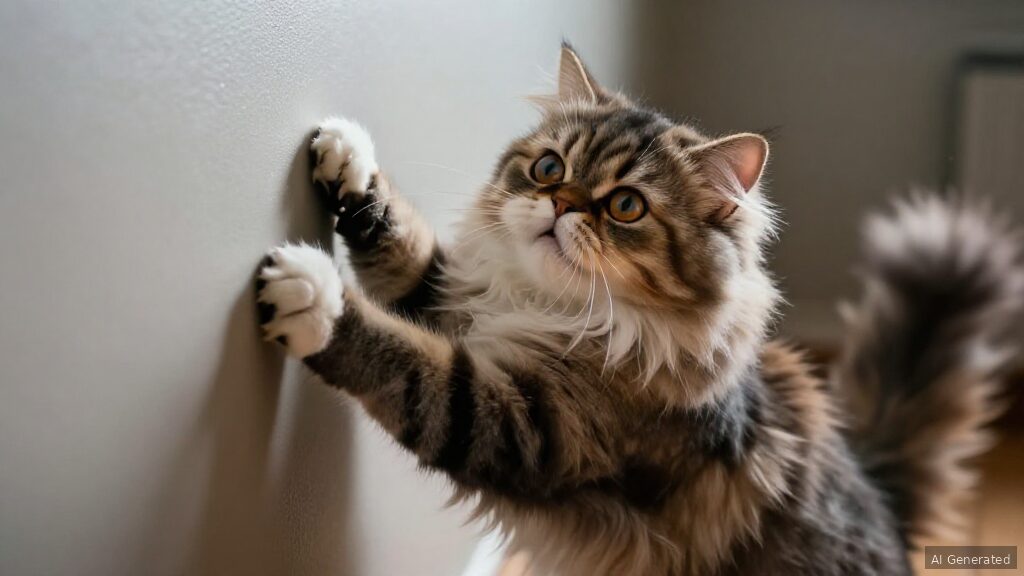
Comparison Analysis of Cat Claws Management and PlayCat Solid Wood Furniture
Claw management is one of the parts most often overlooked by guardians. Claws are an important part that directly affects the cat’s health and happiness. If claws are unhealthy, the cat’s hunting ability may decline, they may get injured on their skin, and they may become aggressive due to stress. Therefore, claw management is essential for cats, and guardians must know and practice the correct methods.
The most important method for claw management is to provide the correct scratching place. Plywood or artificial wood commonly used by guardians contains harmful ingredients for claws and is insufficient to keep claws sharp. On the other hand, solid wood furniture provides the natural resistance needed for claws and helps maintain claw health. Especially, PlayCat(플레이캣)’s solid wood furniture is equipped with surface treatment and durability optimized for claw management, providing the healthiest environment for cats.
Cost efficiency regarding claw management must also be considered. Plywood furniture tears frequently, resulting in high replacement costs, and if claw management fails, surgery or treatment costs for claws may occur. On the other hand, solid wood furniture can be used for several years after one purchase, and by maintaining claw health, long-term treatment costs can be saved. This shows that investing in claw management is the most economical and efficient method for cats.
Claw Management Checklist
- Claw Length Check: Periodically check the length of the claws to manage them so that they do not cover the toes. If claws are too long, it can be difficult to walk and cause injury.
- Provide Solid Wood Furniture: Place PlayCat’s solid wood furniture to protect the guardian’s furniture and claw health. Plywood or artificial wood is harmful to claws.
- Use Claw Management Products: Use oil or cream needed for claw management to protect claws from being dry and cracked. Claw health is the core of cat health.
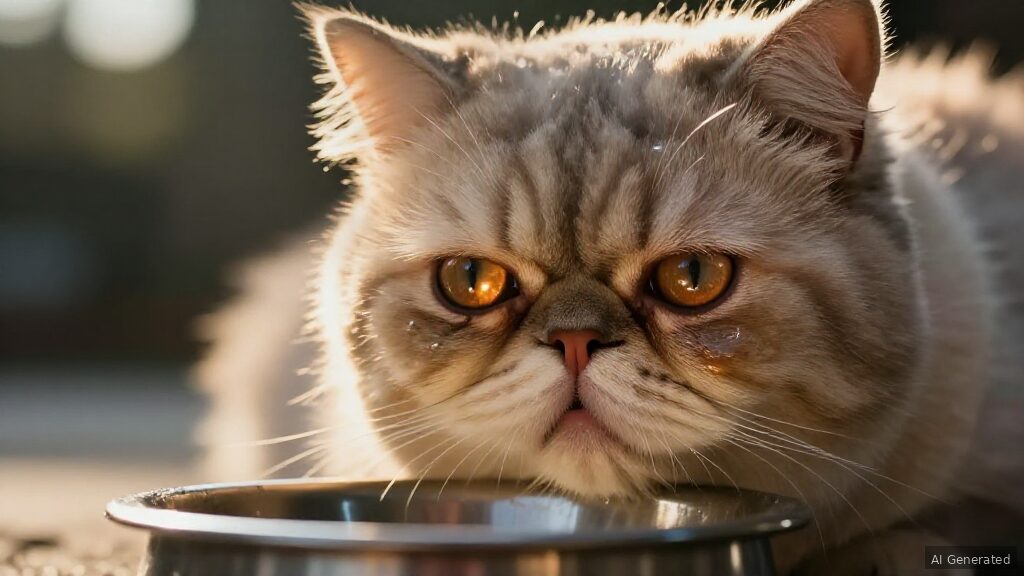
Analysis of Personality Differences and Behavioral Patterns of Persian Cats
Persian cats have very large individual differences even within the breed. Some have very gentle and loving personalities, while others show independent and stubborn personalities. These personality differences are important factors for guardians to understand and manage cats. Guardians must accurately grasp the cat’s personality and apply the appropriate breeding method.
Gentle Persian cats are active in communication with guardians and enjoy being petted. However, independent Persian cats value their own space and time and dislike guardian interference. Guardians must understand these personality differences and create a breeding environment suitable for the cat. Gentle cats require active communication and affection, while independent cats must respect their independent space and freedom.
Also, Persian cats are very sensitive to stress. Depending on the guardian’s emotional changes or environmental changes, cats may experience stress and show behavioral changes. Guardians must carefully observe the cat’s behavior to identify and remove the cause of stress. If a cat is stressed, problems may occur in claw management, and it may affect their health.
Advanced Information: Persian Cat Management Tips for Beginners and Experienced Owners
When raising Persian cats, beginners and experienced owners have different difficulties and concerns. Beginners may lack knowledge about the characteristics of Persian cats, especially respiratory problems and claw management. On the other hand, experienced owners may need a deep understanding of the aging process and disease prevention of Persian cats.
Beginners should focus on the respiratory health and claw management of Persian cats. Respiratory problems are the most common disease in Persian cats, and claw management is also the core of cat health. Guardians should periodically check the respiratory condition of Persian cats and manage claws correctly. For this, it is recommended to use PlayCat’s solid wood furniture to maintain claw health.
Experienced owners should pay more attention to the aging process and disease prevention of Persian cats. Persian cats age faster than other breeds and are vulnerable to kidney disease and periodontal disease. Guardians must understand the aging process of Persian cats in advance and make plans for disease prevention. For this, regular health check-ups, claw management, and creating a proper breeding environment are essential.
Also, both beginners and experienced owners must pay attention to stress management for Persian cats. Persian cats are very sensitive to stress, and depending on the guardian’s emotional changes or environmental changes, they may show behavioral changes. Guardians must carefully observe the cat’s behavior to identify and remove the cause of stress. For this, it is important to create a stable and predictable environment for the cat.
Practical Application Guide: Persian Cat Management Checklist to Start Practicing Today
Based on the content so far, we present specific action guidelines that guardians can start practicing today. Through this checklist, guardians can contribute to improving the health and happiness of Persian cats.
- Check Persian Cat Respiratory Status (Time Required: 2 minutes, Required Items: Mirror, Flashlight)
Observe the Persian cat’s nose and eyes in the morning and evening to check the respiratory status. If the shape of the nose tip is deformed or there is a lot of eye discharge, consult a veterinarian immediately. Respiratory problems are the most common disease in Persian cats, and early detection is important. - Claw Management and Solid Wood Furniture Placement (Time Required: 30 minutes, Required Items: PlayCat Solid Wood Furniture, Claw Management Oil)
Place PlayCat’s solid wood furniture to protect the guardian’s furniture and claw health. Use claw management oil to protect claws from being dry and cracked. Claw health is the core of cat health. - Communicate with a Cat Showing Its Belly (Time Required: 5 minutes, Required Items: None)
Do not reach out your hand immediately when a cat shows its belly. Observe the position of the cat’s pupils and ears to choose a safe contact method. Like claw management, communication with the cat must also be done safely and correctly. - Identify and Remove Stress Situations (Time Required: 10 minutes, Required Items: Cat-Specific Stress Relief Products)
Observe the cat’s behavior to identify and remove the cause of stress. Create a stable and predictable environment for the cat to reduce stress. Like claw management, stress management is also important for cat health. - Schedule Regular Health Check-ups (Time Required: 10 minutes, Required Items: None)
Schedule a regular health check-up with a veterinarian for Persian cats. Like claw management, regular health check-ups are also essential for cat health. Early detection reduces treatment costs and the cat’s pain.
FAQ: Questions and Answers Frequently Asked by Persian Cat Owners
Q1. What disease might it be if a Persian cat sneezes frequently?
If a Persian cat sneezes frequently, it is highly likely to be a disease such as respiratory infection, conjunctivitis, or tooth root inflammation. Especially, Persian cats are prone to nasal congestion due to the ‘Brachycephaly’ structure, which can cause chronic stress. Guardians should check the cat’s nose condition and eye discharge daily and consult a veterinarian immediately if abnormalities are found. Like claw management, respiratory health is also very important for Persian cats.
Q2. Is it good to clip a Persian cat’s claws?
Clipping claws can destroy the structure of the claws, preventing them from becoming sharp properly, and expose the skin under the claws, causing wounds and inflammation. Claws are a very sensitive part for cats, and if they get injured, the cat finds it difficult to walk and becomes stressed. Therefore, providing the correct scratching place and managing claws is much more effective than clipping claws. Claw management is the core of cat health, and guardians must know and practice the correct methods.
Q3. Can I pet a Persian cat if it shows its belly?
When a cat shows its belly, it gives the biggest joy to guardians, but many misunderstand this as an unconditional sign of love and a request to be petted. Actually, according to cat behavior studies, showing the belly does not mean a ‘vulnerable state’, but rather the result of the judgment that ‘there is no threat in the current situation’. It is not necessarily an action that excludes aggression. Guardians must accurately read the cat’s signals and communicate in a safe manner.
Q4. What should I do if a Persian cat is stressed?
Persian cats are very sensitive to stress. Depending on the guardian’s emotional changes or environmental changes, cats may experience stress and show behavioral changes. Guardians must carefully observe the cat’s behavior to identify and remove the cause of stress. Like claw management, stress management is also important for cat health. For this, it is recommended to create a stable and predictable environment for the cat.
Q5. What products should I use for Persian cat claw management?
Claw management requires oil or coating treated solid wood furniture containing ingredients good for claws. Claws are a very sensitive part for cats, and if they get injured, the cat finds it difficult to walk and becomes stressed. Claw management is the core of cat health, and guardians must know and practice the correct methods. To maintain claw health, it is recommended to use claw management oil and PlayCat’s solid wood furniture.
Q6. How should I set the interval for Persian cat health check-ups?
It is recommended to reduce the interval for Persian cat health check-ups to 6 months compared to other breeds. This is a measure considering their rapid aging rate and potential disease incidence rate, based on research results showing that early detection greatly reduces treatment costs and the cat’s pain. Like claw management, regular health check-ups are also essential for cat health. Guardians should consult a veterinarian to set an appropriate interval for Persian cat health check-ups.
Conclusion for Persian Cat Owners
The Persian cat is a breed that requires delicate health care and deep understanding, just as much as its noble appearance. Through the respiratory management, claw management, and correct communication methods introduced in this article, guardians can maximize the quality of life for Persian cats and stay together with them as a healthy companion for a long time. Claws are the core of cat health, and guardians can improve the cat’s happiness through correct claw management and solid wood furniture. Also, stress management and regular health check-ups for Persian cats are essential for cat health.
From now on, please work for the health and happiness of your Persian cat based on this article. Through claw management, respiratory health, and correct communication, guardians and Persian cats can form a deeper bond. Check for more cat behavioral enrichment information at PlayCat(플레이캣).
This content was created using AI technology. Always consult a veterinarian for medical-related information.