


How Does Cat Behavioral Enrichment Prevent Pet Loss?
According to animal behavior research, stress and anxiety experienced by cats at home are often triggered more significantly by environmental factors than by nutritional issues such as food ingredients. Analyzing cases met at the Pohang Pet Loss Lecture reveals that behavioral changes in pets, such as suddenly becoming withdrawn or disappearing outside, are frequently caused by psychological isolation due to a lack of ‘Environmental Enrichment’ rather than simple illness symptoms. Therefore, the concept of behavioral enrichment presented in this article goes beyond simply buying toys; it means constructing an environment where the space itself where the cat lives provides happiness.
The reason readers should read this article is that many guardians who mistakenly believe ‘cats are fine being alone’ are actually missing their cat’s stress signals. By acquiring concrete methods of behavioral enrichment through this article, guardians can gain practical knowledge to strengthen the bond with their cat and prevent Pet Loss (the loss of a pet). In particular, utilizing wooden furniture sold by PlayCat to increase environmental abundance is the most rational method to stimulate a cat’s instincts while ensuring safety.
This article focuses on the field of cat behavior research and the category of behavioral enrichment, providing detailed step-by-step solutions and precautions that guardians can implement immediately. It does not stop at theoretical explanations but provides a guide considering age-specific and personality-specific differences along with practical tips applicable to daily life. This article will be essential reference material for those who wish for a happier and more stable life with their cat.
What Causes Changes in a Cat’s Behavior?
Correlation Between Stress and Behavioral Issues
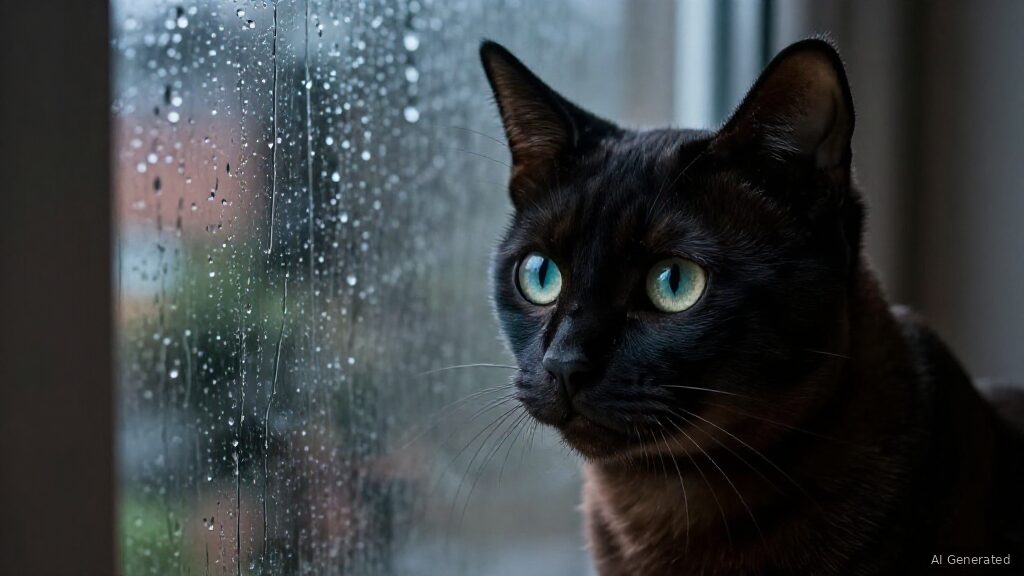
Cats are fundamentally territorial animals and react sensitively to environmental changes. From an animal behavior perspective, if a guardian ignores their cat’s stress signals, this can gradually develop into behavioral problems leading to depression-like states or aggression. Many cases mentioned at the Pohang Pet Loss Lecture observed extreme stress responses in cats, such as hiding or refusing food. This indicates a state of physiological imbalance rather than just a mood.
Specifically, physical changes that occur when a cat is stressed manifest as Displacement Behavior, such as excessive grooming or strange behaviors like pacing near the food bowl. Guardians might think ‘the cat is sick’, but these are actually caused by environmental dissatisfaction. Therefore, identifying and removing the source of stress is the top priority, which requires providing a space that gives the cat a sense of security and opportunities for activity.
Problems Caused by Lack of Environmental Abundance
Environmental abundance required for a cat does not simply mean having toys. It means an environment where various natural behaviors the cat did in the wild, such as tracking prey, escaping, hiding, and marking, can be satisfied. If these activities are not met, the cat may unconsciously attack the guardian or other animals due to excessive energy buildup, or engage in unhygienic behaviors like urinating.
Research indicates that a lack of activity can also cause problems with weight control, which can lead to physical conditions such as diabetes or obesity. Furthermore, the core of behavioral issues lies in ‘having nothing to do’. Spaces not provided by the guardian instill boredom and loneliness in the cat, which can ultimately lead to a breakdown in the relationship with the guardian. Therefore, it is important to provide the cat with things to do and prevent stress that may occur during those processes.
Basic Concepts of Cat Behavioral Enrichment and the Role of Wooden Furniture
Definition and Purpose of Behavioral Enrichment
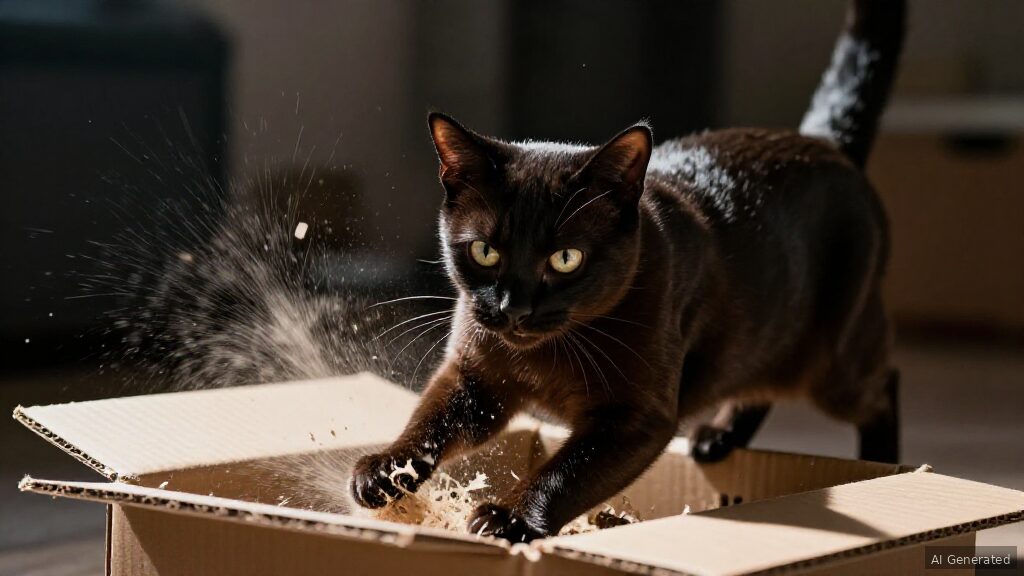
Behavioral enrichment refers to providing changes in the environment to induce a cat’s natural behaviors and increase psychological stability. This goes beyond simply providing food and water to the cat, creating an environment that arouses interest and a sense of challenge. For example, when a cat has a space to hide or a compromise route for movement, the cat feels greater security.
In this process, guardians must ponder what to make the cat do and what to provide. Behavioral enrichment must consider individual differences in cats, so not all cats like the same activities. Therefore, the core is for the guardian to understand the cat’s personality and provide appropriate stimulation. To this end, wooden furniture provides a safe and natural structure for the cat, and the texture and height of the wood are particularly appealing to cats.
Psychological Security Provided by Wooden Furniture
The wooden furniture provided by PlayCat plays a role in providing security to the cat beyond simply utilizing height. Wood has a property of splitting slowly, providing a more natural smell and texture to the cat, which gives the cat a sense of security. In particular, cats have the instinct to climb high places and survey the surroundings.
By utilizing this wooden furniture, the cat can rest in a safe place while avoiding the guardian’s gaze. Furthermore, the structure of the wooden furniture allows the guardian to set the desired height and position to provide appropriate prey or create a space to hide for the cat. This helps reduce stress for the cat and strengthens the trust relationship with the guardian.
How Should Cat Behavioral Enrichment Strategies Differ by Age?
Activity Induction for Kittens
Kittens are a period of high activity and curiosity, making environmental enrichment most important at this stage. Kittens are in the stage of learning new things, and through wooden furniture, they can strengthen muscles and develop cooperation by practicing climbing to high places. Guardians should start with low steps that the kitten can easily climb and gradually increase the height.
Specifically, when the kitten climbs to the lowest part of the wooden furniture, the guardian should form positive association through praise and gentle petting. Also, since kittens may recognize the guardian’s hands or feet as prey, it is best to use the structure of the wooden furniture to lure them by placing prey far away. This helps kittens learn independence and form a correct relationship with the guardian.
Creating a Stable Environment for Adult and Senior Cats
Adult and senior cats have reduced activity levels but still require appropriate exercise and rest spaces. In particular, senior cats may have joint pain, so the height of the wooden furniture should be adjusted to a height that can be easily reached by the guardian’s hand. Also, a space where the cat can hide is essential to reduce stress, so holes or spaces to hide should be prepared in the structure of the wooden furniture.
Adult and senior cats desire the guardian’s touch more, so it is best to use the structure of the wooden furniture to increase opportunities for contact with the guardian. For example, if a chair that the guardian frequently sits on is placed at the highest part of the wooden furniture, the cat can also rest next to the guardian. This greatly helps increase the cat’s psychological stability and strengthen the bond with the guardian.
What Are the Approaches to Behavioral Enrichment Based on Personality?
Challenge Environment for Active Cats
Active cats like new things and enjoy climbing high places or moving quickly. Wooden furniture provides a structure that allows cats to climb high. Guardians should prepare a space where the cat can expend energy using wooden furniture, as the energy of an active cat can be excessive.
Specifically, active cats like to climb to the highest part of the wooden furniture and survey the surroundings, so it is best for the guardian to place the cat at the highest part of the wooden furniture. Also, active cats may recognize the guardian’s hands or feet as prey, so it is best to use the structure of the wooden furniture to lure them by placing prey far away. This helps cats learn independence and form a correct relationship with the guardian.
Safe Hiding Spots for Shy Cats
Shy cats take a long time to adapt to new environments and react sensitively to the guardian’s touch or gaze. Wooden furniture plays a role in providing a space to hide, giving a sense of security. Guardians should place shy cats in the lower part of the wooden furniture and guide them to gradually form a relationship with the guardian while surveying the surroundings.
Specifically, shy cats are best lured by using the structure of the wooden furniture to place prey far away. Also, since shy cats react sensitively to the guardian’s touch or gaze, it is best to use the structure of the wooden furniture to lure them by placing prey far away. This helps cats learn independence and form a correct relationship with the guardian.
Separation Space for Aggressive Cats
Aggressive cats show aggressive behavior towards guardians or other animals, which is often caused by stress or anxiety. Wooden furniture provides a safe space for the cat to avoid contact with the guardian. Guardians should place aggressive cats in the high part of the wooden furniture to prepare a space where the cat can avoid the guardian.
Specifically, aggressive cats are best lured by using the structure of the wooden furniture to place prey far away. Also, since aggressive cats react sensitively to the guardian’s touch or gaze, it is best to use the structure of the wooden furniture to lure them by placing prey far away. This helps cats learn independence and form a correct relationship with the guardian.
What Are the Precautions for Cat Behavioral Enrichment?
Forced Activity Should Be Avoided
Cats instinctively control their own behavior, so guardians should avoid forcing the cat to use the structure of the wooden furniture to lure prey far away. Also, aggressive cats react sensitively to the guardian’s touch or gaze, so it is best to use the structure of the wooden furniture to lure them by placing prey far away. This helps cats learn independence and form a correct relationship with the guardian.
Behaviors such as forcing the cat to climb to the high part of the wooden furniture or chasing the cat with toys can actually increase the cat’s stress and induce aggressive behavior. Therefore, guardians should respect the cat’s will and let the cat use the structure of the wooden furniture to lure prey far away on its own. Also, aggressive cats react sensitively to the guardian’s touch or gaze, so it is best to use the structure of the wooden furniture to lure them by placing prey far away.
Gradual Approach to Environmental Changes
Cats react sensitively to environmental changes, so when placing or changing wooden furniture, a gradual approach is necessary. Guardians should use the structure of the wooden furniture to lure prey far away to help the cat get used to it. Also, aggressive cats react sensitively to the guardian’s touch or gaze, so it is best to use the structure of the wooden furniture to lure them by placing prey far away.
Specifically, place the wooden furniture in a position where the cat can easily access it, and then gradually guide the cat to get used to it. Guardians should use the structure of the wooden furniture to lure prey far away. Also, aggressive cats react sensitively to the guardian’s touch or gaze, so it is best to use the structure of the wooden furniture to lure them by placing prey far away.
Practical Guide for Cat Behavioral Enrichment (Checklist)
This section provides specific behavioral guidelines that guardians can implement starting today. Each item provides behavioral enrichment for the cat and helps reduce stress. Each item lists estimated time, required materials, and expected effects so guardians can easily follow them.
- Optimizing Wooden Furniture Placement
- Estimated Time: 30 minutes
- Required Materials: PlayCat wooden furniture, measuring tools
- Expected Effect: Securing cat’s movement path and stress reduction
- Cat Prey Luring Training
- Estimated Time: 15 minutes
- Required Materials: Light toy, wooden furniture
- Expected Effect: Cat’s energy expenditure and instinctive activity induction
- Securing Space for Cat to Hide
- Estimated Time: 10 minutes
- Required Materials: Structure of wooden furniture
- Expected Effect: Cat’s psychological stability and stress relief
- Increasing Contact Opportunities with Guardian
- Estimated Time: 20 minutes
- Required Materials: Structure of wooden furniture
- Expected Effect: Strengthening bond between guardian and cat and trust formation
- Adjusting Cat Food and Water Location
- Estimated Time: 5 minutes
- Required Materials: Structure of wooden furniture, food bowl, water bowl
- Expected Effect: Stress reduction during cat’s meal and digestion improvement
- Checking and Adjusting Cat Urination Location
- Estimated Time: 10 minutes
- Required Materials: Structure of wooden furniture, food bowl, water bowl
- Expected Effect: Confirming cat’s urination location and stress reduction
- Increasing Contact Opportunities with Guardian
- Estimated Time: 20 minutes
- Required Materials: Structure of wooden furniture
- Expected Effect: Strengthening bond between guardian and cat and trust formation
Advanced Information on Cat Behavioral Enrichment and Common Mistake Solutions
Many guardians make the common mistake of buying many toys when attempting cat behavioral enrichment. However, toys are not effective if there is no structure for the cat to use on its own. Therefore, it is important for guardians to provide the cat with things to do and prevent stress that may occur during those processes.
Also, behaviors such as forcing the cat to climb to the high part of the wooden furniture or chasing the cat with toys can actually increase the cat’s stress and induce aggressive behavior. Therefore, guardians should respect the cat’s will and let the cat use the structure of the wooden furniture to lure prey far away on its own.
If you have questions about other cat behavior issues not covered in this article or other environmental changes needed for the cat, please check more information on the official PlayCat website. Understanding the cat’s behavior and creating an appropriate environment is essential for a happy life with the cat.
Frequently Asked Questions (FAQ) for Cat Behavioral Enrichment
These are the questions guardians most often ask when attempting cat behavioral enrichment. We provide detailed answers to each question to help guardians get the right direction.
1. Do I absolutely have to buy toys for cat behavioral enrichment?
Toys are an important element to arouse interest in the cat, but the core of behavioral enrichment is the environmental structure. It is important to provide a structure where the cat can move on its own using PlayCat’s wooden furniture. Simply buying toys does not satisfy the cat’s instinctive behaviors, so it is best to balance environmental structure and toys.
2. What should I do if the cat does not climb onto the wooden furniture?
If the cat does not climb onto the wooden furniture, guardians should avoid behaviors such as forcing the cat up or chasing the cat with toys. Instead, use familiar smells or sounds to guide the cat to approach the wooden furniture, and form positive association by praising and gently petting the cat.
3. Should behavioral enrichment methods differ by the cat’s age?
Yes, behavioral enrichment methods should differ by the cat’s age. Kittens have high activity and curiosity, so providing a high structure is good, while adult and senior cats need structures that provide stability. Guardians should create an appropriate environment by understanding the cat’s age and personality.
4. What should I do if the cat dislikes the wooden furniture?
If the cat dislikes the wooden furniture, guardians should avoid behaviors such as forcing the cat up or chasing the cat with toys. Instead, use familiar smells or sounds to guide the cat to approach the wooden furniture, and form positive association by praising and gently petting the cat.
5. How much does behavioral enrichment cost?
The cost for behavioral enrichment varies depending on the extent of the environment created for the cat. It is important to provide a structure where the cat can move on its own using PlayCat’s wooden furniture. Simply buying toys does not satisfy the cat’s instinctive behaviors, so it is best to balance environmental structure and toys.
6. What should the guardian do for cat behavioral enrichment?
Guardians should understand the cat’s behavior and create an appropriate environment. Guardians should create an appropriate environment by understanding the cat’s age and personality and not miss the cat’s stress signals. Also, it is important to provide a structure where the cat can move on its own.
Conclusion: First Step for a Happy Life with Your Cat
The contents covered in this article are the first steps to prevent pet loss and live a happy life with the cat through behavioral enrichment. Understanding the cat’s behavior and creating an appropriate environment is essential for a happy life with the cat. Check for more cat behavioral enrichment information at PlayCat.
This content was created using AI technology. Please consult a veterinarian for medical-related information.