


Essential Checklist Before Adopting a Cat! Complete Guide to Disease Prevention and Breed-Specific Care
Knowing what health conditions and breed-specific precautions to check for before adopting a cat can help you prevent major veterinary costs and stress down the road. This article provides a practical guide to help you make the right decision by scientifically analyzing the meaning of the most critical ‘3 Major Diseases’ test results during adoption and the unique physical characteristics of each breed. Rather than just adopting based on cute appearances, we detail how to set up an enrichment-based (Environmental Enrichment) living environment for the cat’s long-term health and happiness.
What is the first health check you should perform when adopting a cat?
When considering adopting a cat, the most important and thorough thing to check first is the test result confirming that the cat is free from the ‘3 Major Diseases’ (FIV, FeLV, and Panleukopenia). Many adopters often overlook the fact that even a cat that looks healthy at the time of adoption may develop severe illnesses later due to genetic factors or environmental exposure. In particular, Feline Infectious Peritonitis (FeLV) and Feline Immunodeficiency Virus (FIV) are viral diseases that cannot be prevented by vaccines; once infected, treatment is extremely difficult, and they are major causes of shortened lifespans for cats. Therefore, the negative test kit certificate provided by the breeder must be kept with the adoption contract, as this is the most reliable way to provide scientific evidence that the cat is not infected with these viruses.
Importance and Interpretation of Negative Results for the 3 Major Disease Tests
Experts emphasize that when evaluating the health status of an adopted cat, you should prioritize the negative results of kit tests issued by reputable institutions over simple visual observation. These tests detect viral antibodies or antigens through blood or saliva samples, and a negative (Negative) result means the cat is not currently infected with the virus. However, you should not become complacent based solely on these results. Especially in the case of FeLV, cats with low immunity may have a long incubation period, so even if the test is negative, there is a possibility of it turning positive over time. Therefore, it is essential to receive regular health check-ups from a veterinarian after adoption and closely observe the cat’s condition. If the breeder does not provide kit test results or lacks documents to prove a negative result, the wisest way to protect the cat is to reconsider the adoption.
Understanding Disease Susceptibility Differences Between Adult Cats and Kittens
A cat’s resistance to disease varies significantly by age, which directly affects post-adoption management. In the case of adult cats (adult kittens), the immune system is relatively fully developed, so the risk of initial disease infection is relatively low; however, the risk of age-related diseases such as dementia or kidney function decline already exists. On the other hand, kittens have an immune system that is not yet fully developed, making them very susceptible to infectious diseases. In particular, growth deformities or immune deficiency symptoms can easily appear due to insufficient mother’s milk or nutritional imbalance. According to animal behavior studies, stress in growing cats can be far more fatal than in adult cats, increasing the likelihood of lifelong behavioral problems (e.g., food refusal, aggression). Therefore, when adopting a kitten, you must have a veterinarian verify not only the cute appearance but also the nutritional status and weight gain curve, and you must be aware that special care such as isolation and iron supplementation is necessary immediately after adoption.
| Age Group | Immune System Characteristics | Major Diseases to Watch For | Essential Checks at Adoption |
|---|---|---|---|
| Kitten (Baby Cat) | Immature Immune System (Susceptible to Infection) |
Infectious Diseases Growth Deformities |
Negative Kit Test Verify Nutritional Status |
| Adult Cat (Adult Kitten) | Completed Immune System (Moderate Resistance) |
FIV, FeLV Zoonotic Diseases |
Negative Kit Test Verify Socialization Level |
| Senior (Old Cat) | Declining Immune Function (Risk of Dementia) |
Kidney Disease Dementia Behavior |
Blood Test Check for Underlying Conditions |
First Steps in Post-Adoption Care: Isolation and Environmental Adaptation
Cats that meet a new family through adoption may experience psychological stress due to sudden environmental changes, which can lead to a weakened immune system. Therefore, immediately after adoption, it is better to prepare an isolation space, such as a small room or a carrier (category: veterinary term), rather than placing the cat directly in the whole new house, and isolate the cat for about 2 to 4 weeks. During this period, external pathogens and stress factors from other animals are blocked, allowing the cat to safely adapt to the new environment. From a behavioral economics perspective, appropriate investment in the initial stage (isolation costs and time) is a preventive measure that can save much more than the serious disease treatment costs and conflicts between the cat and the owner that may occur later. Additionally, during this period, it is a core strategy to help successful adaptation to gradually move the cat to the main living room while observing whether it refuses new food or water tastes and uses the litter box correctly.
What are the breed-specific constitutions and major diseases to watch out for?
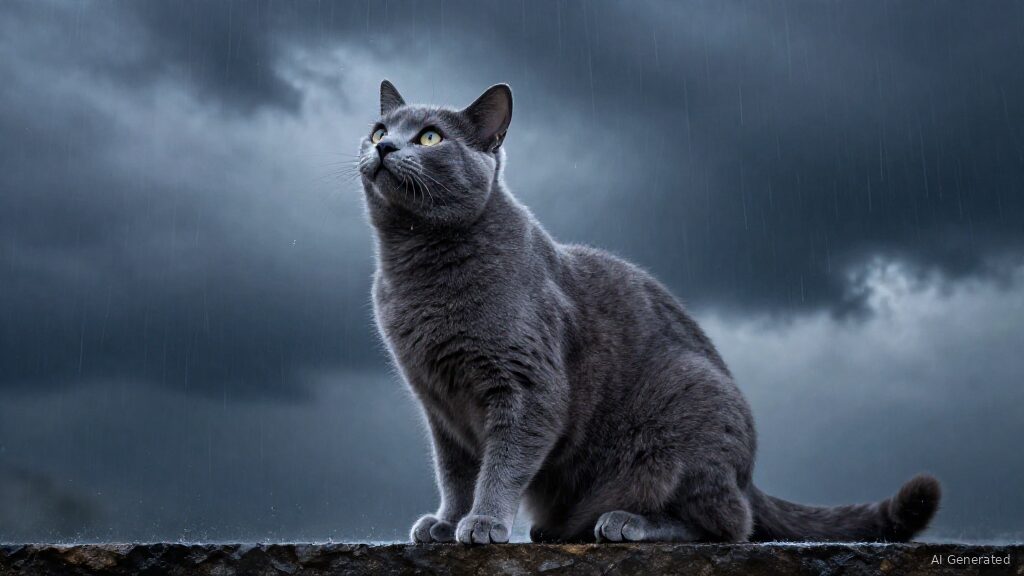
Cat breeds have been artificially bred over hundreds of years to emphasize specific traits, so each breed has unique strengths as well as genetic vulnerabilities to certain diseases. For example, Scottish Folds, which emphasize the trait of curling their tails round, have a high risk of fatal diseases resulting from skeletal abnormalities, and Persians, which have long hair and flat faces, statistically show high rates of respiratory problems and stomatitis. Understanding and managing these breed-specific characteristics (Breed Characteristics) is the most important first step in protecting the welfare (Animal Welfare) of cats of that breed, going beyond simple breeding. If the owner adopts a cat without knowing its breed or breeds it without recognizing the breed’s risk factors, serious health problems that cannot be prevented may occur, so you must be careful.
Scottish Fold: ‘Olive Branch’ Disease and Bone Health Management
Scottish Folds are loved for their unique appearance where the ears fold forward, but this trait is closely linked to a genetic defect called ‘Osteochondrodysplasia’. This disease causes abnormal growth of joints and bones, inducing severe pain, and can cause serious disabilities to the extent that it is called ‘Olive Branch’ disease in veterinary terms. According to animal behavior studies, chronic pain is a major cause of behavioral problems such as increased aggression, decreased activity, and even depression in cats, which can cause a major rift in the relationship between the owner and the cat. Therefore, when adopting a Scottish Fold, you must verify that the individual is classified as ‘Oryfold’ and has a normal bone structure by checking a veterinarian’s certificate, and it is essential to control the activity level to avoid putting strain on the joints during growth. If pain is suspected, you must immediately see a veterinarian, and remember that raising a Scottish Fold without accompanying pain management can be ethically problematic.
American Shorthair and Munchkin: Heart Disease and Respiratory Structure Management
Although American Shorthairs are generally known as healthy and sturdy breeds, certain lines have been shown to have a high probability of developing ‘Hypertrophic Cardiomyopathy (HCM)’, a hereditary heart disease. This is a fatal disease where the muscles in the cat’s heart thicken abnormally, preventing the heart from pumping properly, eventually leading to heart failure or pulmonary edema. Additionally, in the case of Munchkins (flat-faced cats), the facial structure is flat, which can cause ‘Brachycephalic Obstructive Airway Syndrome’ symptoms where the nasal and oral passages narrow. This is a dangerous condition where, beyond simple runny nose or snoring, the cat may experience respiratory distress and go into shock when feverish or stressed. Owners should understand these breed characteristics and immediately see a veterinarian if abnormal heart rate symptoms or irregular breathing occur, and for Munchkins, maintaining a warm environment and appropriate humidity control is essential for survival.
Persian, Siamese, Sphynx: Fur Care and Skin Disease Prevention
Persian and Siamese cats are prone to dementia and skin diseases due to their long hair, and especially Persians, food or foreign matter can accumulate in the wrinkles on their face, making stomatitis or skin infections easily occur. Additionally, as the hair gets longer, the risk of parasite (Parasite) infection increases, and daily meticulous combing and bathing care are essential. On the other hand, Sphynx cats have no hair, so their skin surface area is wide and sebum secretion is active, making them very sensitive to skin dryness or allergic reactions. From an animal welfare perspective, the Sphynx’s skin is at risk of direct exposure to sunlight (UV rays), so it must avoid sunlight, and since it does not regulate body temperature well and is prone to cold, a warm environment is essential. In the case of these breeds, checking the skin condition daily and using specialized shampoo or moisturizers as prescribed by a veterinarian when necessary plays a decisive role in maintaining long-term health, going beyond simple appearance management.
| Breed Name | Genetic Vulnerable Disease | Specific Actions the Owner Should Take |
|---|---|---|
| Scottish Fold | Osteochondrodysplasia (Pain Inducing) (Olive Branch Disease) |
Verify Bone Structure Certificate Limit Excessive Jumping Closely Observe Pain Signals |
| American Shorthair | Hypertrophic Cardiomyopathy (HCM) | Regular Echocardiogram Monitor Heart Symptoms Avoid Excessive Exercise |
| Persian/Siamese | Stomatitis, Skin Diseases, Parasites | Comb Fur Daily Maintain Cleanliness of Wrinkles Regular Parasite Treatment |
| Sphynx | Skin Dryness, Difficulty Regulating Body Temperature | Daily Skin Moisturizing Prevent Cold (Warm Environment) Limit Sun Exposure |
Behavioral Considerations and Environment Creation When Choosing a Breed
Just as important as managing breed-specific disease risks is creating an environment that matches the personality and behavioral traits of that breed. For example, a very active cat cannot get enough exercise with just a small space or low furniture, which can lead to destructive behavior. On the other hand, a very timid cat may feel extreme fear of people entering suddenly or loud noises, which can cause stress-related diseases. Therefore, before adoption, you should research the general behavioral tendencies of that breed and judge whether it is suitable by comparing it with your living environment (e.g., apartment floor, number of family members, presence of other animals). Applying the loss aversion principle of behavioral economics, imagining the “treatment costs and pain of diseases and behavioral problems occurring due to breed characteristics” in advance is a great help in making a rational choice. After all, choosing a breed is an ethical decision that takes responsibility for the cat’s entire life, so a careful choice considering both scientific information and emotion is necessary.
What are the Environmental Enrichment (Enrichment) Strategies to Prevent Behavioral Problems After Adopting a Cat?
Cats that come to a new home through adoption may be exposed to completely different spaces, sounds, people, and smells than their previous environment, which can cause psychological shock. It is essential to systematically apply ‘Environmental Enrichment’ to alleviate this stress and induce healthy behavior. Environmental enrichment means creating a physical environment where the cat can naturally express instinctive behaviors (hunting, hiding, playing, using vertical spaces, etc.), and this goes beyond simply buying toys, including changes in space design and daily interaction. Correct environmental enrichment lowers the cat’s stress hormone levels, increases physical activity to prevent obesity and related diseases, and is a key element in forming a positive bond between the owner and the cat. Therefore, creating an environment that considers the cat’s instincts immediately after adoption and gradually providing new stimuli is the way to ensure long-term happiness and health.
Utilizing Vertical Space and Expanding Territory
Cats instinctively prefer heights and use vertical spaces to secure safety and boundary behaviors. Therefore, it is important to provide vertical structures or high places that can reach the ceiling, even if the apartment or house space is not wide. For example, high shelves installed near the window or furniture with wooden structures (e.g., wooden cat furniture) are ideal places where the cat can survey the whole house and relieve stress. According to behavioral studies, cats in environments with sufficient vertical space have been shown to have lower stress levels and less fear of owners or visitors. Additionally, vertical spaces provide cats with a play area to observe prey and jump, satisfying their instinctive activity levels even while living indoors. Owners should install safe structures where the cat can comfortably climb and place the cat’s favorite food or toys there to naturally encourage use.
Toys and Play Therapy to Satisfy Hunting Instincts
Cats gain mental satisfaction through a series of instinctive behaviors called ‘hunt-capture-kill-eat’, which is a different concept from simply feeding food. Therefore, it is not enough to just give food; the cat must expend energy through play where it chases and catches prey. To this end, it is effective to stimulate the cat’s curiosity and hunting instinct using moving toys (e.g., laser pointers, moving mouse dolls). In particular, conducting focused play for about 15 to 20 minutes before or after lunch or dinner helps normalize the cat’s sleep pattern and greatly reduces excessive activity at night (nocturnal activity). From a behavioral economics perspective, this play time increases interaction time between the owner and the cat, strengthening trust, which is a preventive investment to prevent aggression or anxiety that may occur later. Additionally, it is important to change toys several times a day to maintain the cat’s interest.
Stress Relief Through Sensory Stimulation and Providing Hiding Spots
Cats have very sensitive hearing, smell, and vision, so they react sensitively to external changes. Therefore, reducing noise inside the house (TV sound, conversation, external noise) and providing a hiding place for the cat helps relieve stress. For example, providing boxes, tunnels, or furniture with enclosed spaces becomes a safe hiding place where the cat can protect itself when anxious. Additionally, ‘mixed feeding with various ingredients’ increases the cat’s olfactory stimulation, maintaining interest in food intake and contributing to stress relief. The core of behavioral enrichment is to continuously stimulate the cat’s five senses to prevent boredom and stress, allowing the cat to live a happier and healthier life. Owners should secure a hiding place for the cat, provide a variety of foods and toys that match the cat’s preferences, and create an environment that minimizes daily noise.
| Environmental Enrichment Element | Specific Implementation Methods | Expected Effects |
|---|---|---|
| Utilizing Vertical Space | Install window shelves, high mats Use wooden cat furniture |
Stress Reduction Secure Sense of Safety Observation Possible |
| Satisfying Hunting Instinct | Use moving toys 15-20 minutes of play before/after meals Combine feeding with play |
Energy Expenditure Reduced Nocturnal Activity Mental Satisfaction |
| Sensory Stimulation & Hiding Spots | Provide boxes/tunnels Mix various ingredients for feeding Minimize noise |
Olfactory/Tactile Stimulation Anxiety Relief Trust Formation |
Step-by-Step Plan for Post-Adoption Environmental Adaptation
Environmental adaptation after cat adoption is not achieved overnight but must be carried out systematically in steps. It is recommended to get used to the new environment in an isolated space for the first week, gradually move to a wider space from the second week, and start various plays and interactions from the third week. This step-by-step approach helps maintain the cat’s psychological stability while helping it adapt quickly to the new environment. Additionally, owners should closely observe the cat’s reactions and adjust the environment if stress signs (hiding, excessive drooling, aggression, etc.) appear. Behavioral experts emphasize that the adaptation speed of cats varies by individual, and while kittens can adapt faster than adult cats, careful and consistent observation by the owner is more important for kittens. After all, environmental enrichment is a continuous effort to respect the cat’s instincts and provide the most comfortable environment for it, and through this, the owner and the cat can become the best friends to each other.
In-depth Information and Common Mistake Solutions for Post-Adoption Cat Care
Post-adoption cat care requires meticulous management considering the cat’s health and behavior, going beyond just giving food and cleaning. A common mistake many owners make is handling the cat too much or forcing a human-centric lifestyle while ignoring the cat’s instincts. For example, cats are very sensitive to noise and feel fear of suddenly entering hands or loud sounds, so it is more important to wait for the cat to approach on its own than to just pet or play with it. Additionally, sudden changes in food can cause digestive disorders, so gradual changes are essential. Recognizing these mistakes in advance and dealing with them in the right way plays a decisive role in protecting the cat’s health.
Precautions and Gradual Feeding Methods When Changing Food
Providing new food when adopting a cat is very important; if you change the food abruptly, it can cause serious digestive diseases such as indigestion, diarrhea, and vomiting. Therefore, it is recommended to gradually mix and feed the old and new food over about 7 to 10 days. For example, in the first week, mix 90% old food with 10% new food, in the next week adjust the ratio to 70% : 30%, and in the last week switch to 100% new food. This method gradually changes the cat’s gut microbiota balance to protect the digestive system and helps the cat accept the taste or texture of the new food. Additionally, since each cat may prefer different types of food (dry, wet, raw), it is important to choose suitable food considering the cat’s eating habits and health status. From a behavioral economics perspective, choosing food that maintains the cat’s familiar taste and texture while meeting nutritional needs is a rational way to reduce the cat’s meal stress and maintain health.
Expert Advice for Solving Cat Behavioral Problems
If unexpected behavioral problems (e.g., lack of litter box use, destructive behavior, aggression) occur after adopting a cat, it is better to seek help from a veterinarian or a cat behavior expert rather than trying to solve it immediately. A cat’s behavior can often be a sign of a physical disease or an expression of stress, so the cause must be found and solved rather than simple training. For example, if the cat suddenly stops using the litter box, there is a high possibility of physical problems such as urinary tract infection or kidney disease, and neglecting this can lead to fatal results. Additionally, since a cat’s aggression often stems from fear or pain, the owner should be careful not to worsen the situation by approaching recklessly. Finding the exact cause through expert advice and solving the problem through appropriate interventions such as environmental enrichment or drug therapy is the way to protect both the cat’s happiness and the owner’s safety.
Points to Note and Correct Methods When Interacting with a Cat
When interacting with a cat, you must be good at reading its body language. If the tail is wagging vigorously or the ears are turned back, the cat may be unhappy or aggressive, and at this time, the owner should immediately back away. Additionally, cats do not like to be petted arbitrarily, and it is better to touch only when they approach and ask to be petted. Respecting the cat’s boundaries and its behavior is essential for forming a trust relationship. From a behavioral perspective, showing a positive response (e.g., tail wagging, blinking) only when the cat chooses to interact on its own is the beginning of forming a natural bond. Therefore, it is important for the owner to accurately grasp the cat’s signals and interact with the cat prioritizing its comfort.
Post-Adoption Health Monitoring Checklist and Prevention Methods
Regular health monitoring is important to detect diseases early after adopting a cat. Owners should observe the cat’s weight, appetite, defecation status, and activity level daily, and immediately see a veterinarian if abnormal signs appear. Especially since early symptoms of cat diseases are often unclear and detection is delayed, the owner’s careful observation is very important. Additionally, regular vaccination and parasite removal treatment are basic measures to protect cat health, and neglecting them can lead to severe diseases. From a behavioral perspective, subtle changes in the cat (e.g., decreased activity, weight loss) are important signals of health status, so the owner not missing these and dealing with them appropriately is key to guaranteeing the cat’s survival and happiness.
Behavior Change Checklist You Can Start Practicing Immediately After Adopting a Cat
Based on the content explained so far, we have summarized specific behavioral changes that can be practiced starting today. Check this checklist to make your life with your cat happier and healthier.
- Secure Isolation Space and Create Environment (Time Required: 30 minutes, Items Needed: Small box or room)
After first bringing the cat home, secure an isolation space for at least 2 weeks to get used to the new environment. During this period, block external noise and access by other animals and prepare a safe hiding place where the cat can rest comfortably. This is the first step to lowering the cat’s stress levels and helping healthy adaptation. - Verify 3 Major Disease Test Results and Keep Documents (Time Required: 10 minutes, Items Needed: Kit Test Results)
Be sure to check if the kit test results (FIV, FeLV, etc.) provided by the breeder are negative and keep them safely with the adoption contract. This is scientific evidence guaranteeing the cat’s health status and an essential measure to prepare for future health problems. - Install Vertical Space and Arrange Toys (Time Required: 1 hour, Items Needed: Cat Shelves, Toys)
Install vertical spaces where the cat can easily climb and arrange toys that can satisfy hunting instincts. In particular, install high structures near the window so the cat can survey the whole house and relieve stress. This is a core environmental enrichment strategy to improve the cat’s mental health. - Gradual Food Change and Observation (Time Required: 10 days, Items Needed: New Food, Old Food)
Gradually feed by mixing new food with old food and observe the cat’s digestive status daily. Sudden changes in food can cause digestive diseases, so it is important to slowly adapt to new food by adjusting the ratio over about 7 to 10 days. - Secure 15 Minutes of Focused Play Time Daily (Time Required: 15 minutes daily, Items Needed: Moving Toys)
Conduct focused play for about 15 to 20 minutes before and after lunch and dinner to expend the cat’s energy and reduce nocturnal activity. This is very effective in strengthening the bond between the cat and the owner and maintaining the cat’s health. - Learn to Observe Cat Behavior and Interpret Signals (Time Required: 5 minutes daily, Items Needed: Observation Tools)
Observe the cat’s body language (tail wagging, ear position, etc.) daily to understand its condition. It is essential to appropriately deal with the cat’s stress signs or pain signals without missing them to prevent health problems. - Regular Vet Visits and Health Checks (Time Required: Every 6 months, Items Needed: Health Record Book)
Be sure to have a health check-up with a veterinarian within 1 year of adoption, and then check the health status regularly every 6 months thereafter. This is the most reliable way to detect and prevent diseases early, and is a key element guaranteeing the cat’s long life.
Frequently Asked Questions (FAQ) About Cat Adoption and Care
Q1. Can a cat get sick even if the kit test result is negative after adoption?
Yes, it is possible. A negative kit test result means the cat is not infected with the virus at this point in time, but viruses can have an incubation period. In particular, in the case of FeLV (Feline Infectious Peritonitis), even if the test result is negative, a cat with weak immunity may turn positive over time. Therefore, it is essential to receive regular health check-ups from a veterinarian after adoption and closely observe the cat’s condition. Additionally, if the cat’s immunity drops due to stress while adapting to a new environment, latent infections may manifest, so isolation and appropriate nutrition are important.
Q2. Do Scottish Folds really have severe pain? How should they be managed?
Yes, Scottish Folds may develop ‘Osteochondrodysplasia’, which causes abnormal growth of joints and bones and induces severe pain due to genetic defects. This can cause serious disabilities to the extent that it is called ‘Olive Branch’ disease in veterinary terms, and chronic pain can cause increased aggression and behavioral problems in cats. Therefore, when adopting a Scottish Fold, you must verify that the individual is classified as ‘Oryfold’ and has a normal bone structure by checking a veterinarian’s certificate, and it is essential to control the activity level to avoid putting strain on the joints during growth.
Q3. How should I apply environmental enrichment after adoption?
Environmental enrichment means creating a physical environment where the cat can naturally express instinctive behaviors (hunting, hiding, playing, etc.). Specific methods include installing vertical spaces (shelves, high mats) so the cat can feel safe and observe, and using moving toys to satisfy hunting instincts. Additionally, it is important to provide a hiding place for the cat (boxes, tunnels) and increase olfactory stimulation by mixing various ingredients to relieve stress. This environmental enrichment greatly helps in lowering the cat’s stress hormone levels and increasing physical activity to prevent obesity and related diseases.
Q4. What should I be careful about when changing cat food?
If you change cat food abruptly, it can cause serious digestive diseases such as indigestion, diarrhea, and vomiting. Therefore, it is recommended to gradually mix and feed the old and new food over about 7 to 10 days. For example, in the first week, mix 90% old food with 10% new food, in the next week adjust the ratio to 70% : 30%, and in the last week switch to 100% new food. This method gradually changes the cat’s gut microbiota balance to protect the digestive system and helps the cat accept the taste or texture of the new food.
Q5. How should I monitor health after adoption?
Regular health monitoring is important to detect diseases early after adopting a cat. Owners should observe the cat’s weight, appetite, defecation status, and activity level daily, and immediately see a veterinarian if abnormal signs appear. Especially since early symptoms of cat diseases are often unclear and detection is delayed, the owner’s careful observation is very important. Additionally, regular vaccination and parasite removal treatment are basic measures to protect cat health, and neglecting them can lead to severe diseases.
Q6. What should I do if my cat shows aggression?
Since a cat’s aggression often stems from fear or pain, the owner should be careful not to worsen the situation by approaching recklessly. You must be good at reading the cat’s body language, and if the tail is wagging vigorously or the ears are turned back, the cat may be unhappy or aggressive. At this time, the owner should immediately back away and touch only when the cat approaches and asks to be petted. Additionally, if aggression persists, it is important to find the cause and solve it with the help of a veterinarian or behavior expert.
Conclusion: Start a Happy Life with Your Cat Today
Adopting a cat is not just about getting an animal, but an ethical decision to take responsibility for the cat’s entire life. The 3 major disease tests, breed-specific genetic vulnerability management, and environmental enrichment strategies emphasized in this article are the most reliable ways to protect the cat’s health and happiness. It is important for the owner to create an environment that meets the cat’s needs based on this information, observe the cat’s behavior in daily life, and form a positive relationship. Check out more cat enrichment information at PlayCat (playcat.xyz)
This content was written using AI technology. Always consult a veterinarian for medical-related information.