


Why do cats only sleep in certain corners and only like certain sounds? Many owners notice subtle behavioral changes in their cats, but often experience stress because they do not understand the underlying environmental factors and instinctual needs. In this article, we scientifically analyze cat behavior and discuss in depth how you can create an optimal environment to satisfy their natural instincts — specifically the importance of solid wood furniture. From the professional perspective of PlayCat (플레이캣), we connect theoretical findings of cat ethology with practical examples from owners and provide practical and concrete guidance, so your pet can live healthy and happy. If you read this article, you will understand their needs (Needs) as a “Cat Owner” beyond mere maintenance, and can build a deeper bond through behavioral enrichment (Environmental Enrichment).
In-depth analysis of daily cat behavior patterns: Why is their behavior like that?
If you observe your cat’s behavior, it is easy to call it “unfriendly” or “problematic,” but this is the result of a complex interplay between personality characteristics, past experiences, and the current environment. In particular, the relationship with the owner and the layout of the space have a significant influence on the cat’s psychology. For example, repeatedly screaming at certain times or chewing on certain objects may not just be play, but an expression of instinct to release energy or reduce anxiety. Therefore, owners must carefully interpret the hidden signals behind these behaviors and provide environmental factors that help overcome them. Natural materials such as solid wood furniture stimulate the cat’s paw touch receptors and maintain appropriate temperatures compared to parquet or flooring, thus providing optimal conditions for rest. Understanding cat behavior patterns first is the first step to solving all problems, which can significantly improve the quality of life together at home. Below, concrete types of behavior and their causes will be explained gradually and in depth.
1. Fundamental reasons for choosing a sleeping place and sleeping habits
Cats are animals that sleep about 14 to 16 hours a day, so they need much more sleep time than humans. This is not just rest, but an energy storage strategy for survival and an instinctual behavior to protect themselves from external threats. Cats mainly sleep in high and safe places, which is the result of instincts inherited genetically, where their wild ancestors hid in trees or cliffs from predators. In addition, cats also sense sounds and vibrations in their environment sharply when sleeping and prepare to react to sudden movements. Therefore, the psychological stability of the cat depends directly on the height and safety of the sleeping place provided by the owner. For example, high areas or narrow holes from solid wood furniture satisfy this instinct and play an important role in promoting deep sleep. If the owner only places a small toy next to the bed to provide a bed, the cat may feel afraid and have difficulty falling asleep or often wake up. Therefore, it is very important to improve the cat’s sleeping habits by providing “high places” and “safe hiding spots” that they like. This is not a matter of taste, but a scientific approach to maintaining optimal physiological conditions for cats.
2. Importance of scratching and environmental solutions
Many owners try to forbid their cats from scratching furniture, but this is a wrong approach that suppresses the cat’s natural instinct. Cats must stretch the muscles in their paws to keep their claws sharp, and this process also involves peeling off the skin attached to the claws. In addition, scratching is a behavior to mark territory, where cats leave pheromones on the wavy hair (wing fur) on their paws. If the owner tries to prevent the cat from scratching, the cat may feel frustrated and move their behavior to other places such as walls or curtains, or in the worst case become aggressive. Therefore, instead of preventing scratching, the owner must provide appropriate alternatives that the cat likes. In particular, natural textures such as tree bark keep cat claws healthy and satisfy the satisfaction that arises when scratching. Solid wood furniture provides this natural texture and provides optimal space for the cat to move and mark territory. Owners must pay attention to the time and frequency when the cat starts scratching, and place solid wood scratching tools at that time to proactively prevent behavioral problems. This is not just about buying items, but a process of understanding and respecting cat instincts.
3. Importance of play and activity control
Cats are animals with very keen hunting instincts, and they must spend about 1 to 2 hours a day on active hunting and activities. If the time the owner spends at home becomes longer, the cat can become tired and aggressive towards the owner. This is the result of accumulated stress because excess energy cannot be expended. Therefore, the owner must systematically manage the cat’s play time and create an environment where the cat can have fun. Solid wood furniture provides various structures and heights, and provides a multifunctional play area where the cat can jump, hide, and observe. This helps the cat, even when the owner does not have enough time to play directly with it. The owner must check the cat’s activity every day and ensure that the cat maintains its fitness by using solid wood furniture. For example, ideally provide a structure during the day where the cat can hide in a high place, and play hunting games with the owner at night to burn off remaining energy. This consistent activity contributes significantly to maintaining the cat’s health and strengthening the bond with the owner. Ultimately, controlling the cat’s activity is not just simple movement, but a key factor that provides the necessary mental stimulation for the cat.
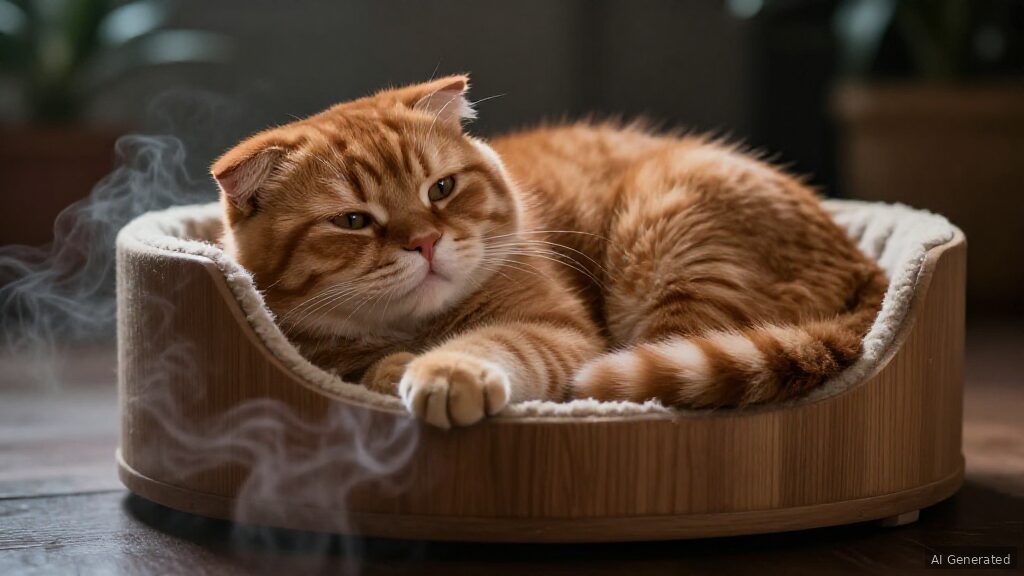
Criteria and effects of using solid wood cat furniture
One of the most important elements in creating a good environment for cats is the material and structure of the furniture. In modern society, cat furniture made of various materials such as plastic, plywood, and synthetic leather is published, but experts still recommend natural materials, specifically solid wood furniture. This is because the unique physical and chemical properties of solid wood best meet the physiological and psychological needs of cats. PlayCat (플레이캣) has scientifically analyzed the advantages of this solid wood furniture and developed products optimized for cats. If the owner chooses solid wood furniture, they must not only decide based on design, but concretely consider what benefits it provides to the cat. Wood provides stimulation to the cat’s paws through its texture, so their senses develop, and the temperature of the wood changes according to the season, helping the cat in temperature regulation. In addition, wood naturally releases pheromones that help the cat feel safe. Below, the concrete advantages of solid wood furniture and points to consider will be explained gradually.
1. Physiological advantages of natural materials
The biggest reason why solid wood furniture is better than plastic or plywood lies in its nature as a natural material. Cats have sensitive senses in their paws, and the texture that can be felt along the wood fibers provides a very pleasant sensation. This stimulates the cat’s senses, improves movement ability, and increases psychological safety. In particular, wood does not retain moisture and maintains appropriate temperatures, so it feels cool in summer and warm in winter. Conversely, plastic does not conduct or absorb heat well, so it is hot in summer and cold in winter, which can make the cat uncomfortable. In addition, wood has a natural aroma that helps the cat feel safe through smell. Owners can find the reason why cats like solid wood furniture in these natural properties. PlayCat (플레이캣) maximizes this strength of nature to make furniture that can satisfy cat instincts. If the owner chooses solid wood furniture, it is important to check the type of wood (e.g., pine, oak, etc.) and its processing method. Products that use a lot of synthetic glue can release chemicals that can damage the cat’s health, so it is very important to choose products from natural wood and non-toxic glue. This is not just a matter of taste, but a scientific approach that protects the cat’s health.
2. Structural stability and durability
Cats enjoy jumping from high places. Therefore, the furniture chosen by the owner must have structural stability that does not shake when jumping and landing in a high place. Although wood is lighter than metal or plastic, at the same time it is more stable and can withstand sudden cat movements. In particular, the height and angle of the furniture chosen by the owner must be designed considering the body size and character of the cat. For example, large cats or cats with active characters need wider platforms and more stable structures, while small cats or cats with shy characters are more suitable with narrow holes or lower platforms. PlayCat (플레이캣) develops optimal structures for each product considering these various cat properties. If the owner chooses solid wood furniture, it is recommended to test whether the product can withstand the load. For example, it must be checked whether the cat remains balanced when jumping on the platform. In addition, all parts of the solid wood furniture must be easy to assemble and designed so that the cat can easily access them. Owners must carefully check whether the cat can move freely, hide, and observe the furniture. This is not just a simple safety question, but an important factor in forming cat behavior patterns.
3. Space usage and placement strategy
In placing cat furniture, you must be strategic considering the space in the house and the cat’s lifestyle. Solid wood furniture can be made in various shapes and can be flexibly adjusted to the house structure. For example, installing a high platform near the window can help the cat get sunlight and observe the outside world, which contributes to stress reduction. In addition, holes and gaps from solid wood furniture provide safe space where the cat can hide. The owner must identify places where the cat often spends time on each floor and each room in the house, and place solid wood furniture there. In particular, placing solid wood furniture near places where the cat often scratches or sleeps can provide a better alternative for the cat. PlayCat (플레이캣) suggests optimal placement methods considering the house structure and cat habits. Owners must not only place solid wood furniture in the corners of the room, but consider the movement paths and activity areas of the cat. For example, low-mounted platforms can be placed near corridors often passed by the cat, or high platforms can be installed at the entrance of the bedroom so the cat can naturally enter the owner’s area. This increases the relationship between the cat and the owner and makes the whole house a more comfortable and fun space for the cat.
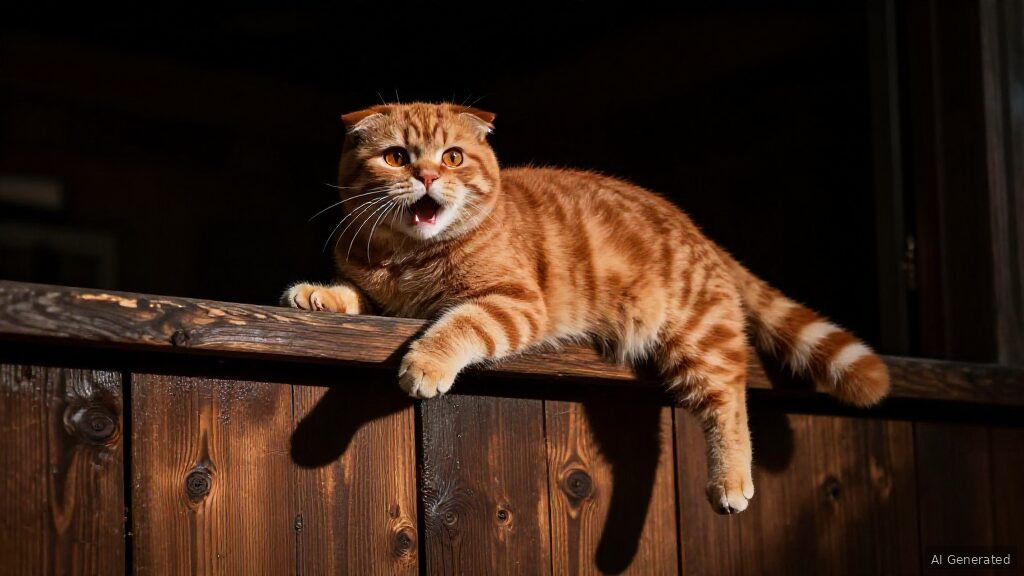
Types of cat behavior and balancing actions, step-by-step guide
Cat behavior is very diverse, and each behavior has different reasons. It is very important for owners to correctly interpret cat behavior and respond to it to improve the relationship between the cat and the owner. In particular, if the cat becomes aggressive, hides, or screams loudly, owners can easily get confused. However, these behaviors usually occur because the cat is experiencing stress or their instinctual needs are not met. Therefore, it is important for owners to not only consider cat behavior as a “problem,” but interpret the hidden signals behind it. PlayCat (플레이캣) experts offer concrete balancing actions for each type of behavior based on cat ethology. Below, typical types of cat behavior and their balancing actions will be explained gradually, and methods that owners can immediately apply will be presented.
1. Analysis of causes of aggression and defensive behavior
Cat aggression is roughly divided into hunting instinct, play, pain, and defensive aggression. If the owner feels the cat attacking them, they must first investigate the cause accurately. For example, behavior where the cat scratches the owner’s hand or face is often the result of excessive excitement during play. In addition, cats can also become aggressive due to pain, which can easily be overlooked if the owner does not check the cat’s health condition. Therefore, it is important for owners to pay attention and record the time of the cat’s aggression and what happened right before. For example, it must be checked what activity the owner was doing at the time when the cat showed aggression. In addition, if the cat becomes aggressive, do not force them to be touched or held, but immediately take them to a safe place and observe calmly. PlayCat (플레이캣) offers concrete methods to investigate and treat the causes of cat aggression. If the cat becomes aggressive, the owner must immediately stop the situation and create an environment where the cat can calm down. For example, it is recommended to provide a space where the cat can hide, and the owner sits calmly next to them and gives signals. This is a process where stress is not caused to the cat and trust is built gradually.
2. Hiding behavior and anxiety reduction methods
Cats often show hiding behavior in new environments or stressful situations. This is a behavior chosen instinctually by the cat to feel safe, and owners must not force them out. Instead, owners must provide a safe space where the cat can hide. Holes and gaps from solid wood furniture provide optimal space where the cat can hide. The owner must provide a space where the cat can hide, and it is recommended to leave scents recognized by the cat (e.g., cat litter scent, owner’s clothing scent) in that space. In addition, it is important for owners to observe the cat calmly while hiding and not make sudden noises or bring guests. Over time, the cat can win the owner’s trust and gradually reduce hiding behavior. PlayCat (플레이캣) offers concrete methods to reduce cat anxiety. To reduce the cat’s hiding behavior, the owner must identify places where the cat often hides on each floor and each room in the house, and place solid wood furniture there. In addition, the time when the cat hides must be observed, and the owner’s activities at that time must be checked to eliminate stress factors. This is an important factor that provides a sense of safety for the cat and builds trust with the owner.
3. Interpretation of screams and signals
Cat screams are very diverse, and each scream shows the cat’s condition and needs. Owners must pay attention to the situation where the cat screams and investigate the cause. For example, the cat’s scream when calling the owner is an expression of love or interest, and the cat’s scream when getting food shows hunger. In addition, cats can also scream due to pain, which can easily be overlooked if the owner does not check the cat’s health condition. Therefore, it is important for owners to record the cat’s screams and investigate the cause. PlayCat (플레이캣) offers concrete information about types of cat calls and their meanings. If the cat screams, the owner must immediately stop the situation and provide a sense of safety to the cat. For example, it is recommended for owners to immediately respond when the cat calls them, and prepare a space where the cat can get food if hungry. In addition, if the cat screams due to pain, the owner must immediately visit a veterinarian to check the health condition. This is an important factor that enables quick care for the cat and reduces pain.
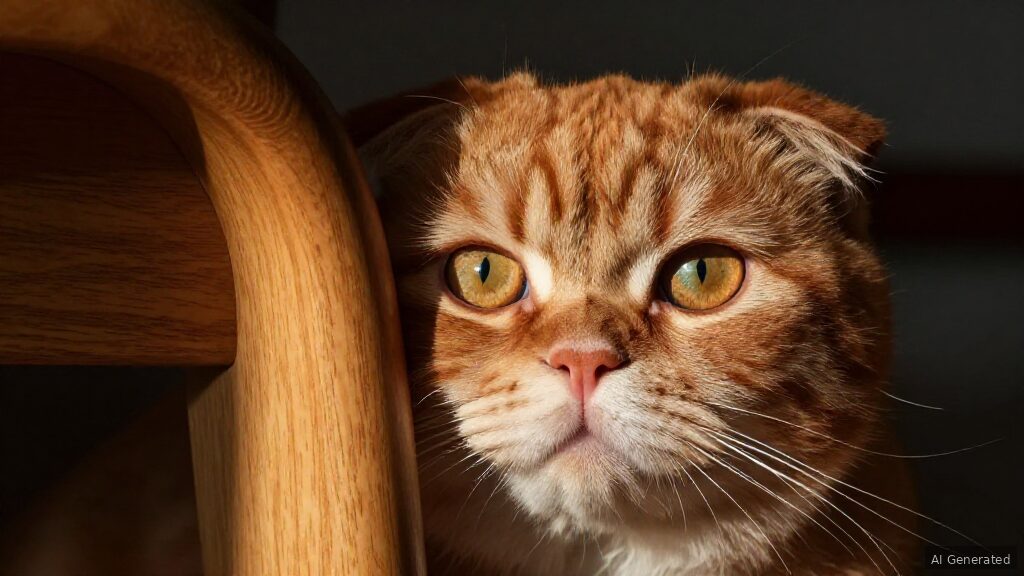
Increasing happiness through behavioral enrichment (Environmental Enrichment)
Cat happiness is not created only through simple food, but in an environment that satisfies their instincts. This is called behavioral enrichment (Environmental Enrichment) and means providing activities and environments that cats can naturally enjoy. PlayCat (플레이캣) emphasizes the importance of behavioral enrichment and creates an environment that satisfies cat instincts through solid wood furniture. Owners must design spaces where the cat can have fun on each floor and each room in the house to promote cat behavioral enrichment. For example, installing a platform where the cat can observe from a high place, or providing holes where the cat can hide, can increase the sense of safety. In addition, it is important to place toys that the cat can enjoy and play with the owner to burn energy. Below, concrete methods of behavioral enrichment will be explained gradually.
1. Space design and provision of safety
The first step of behavioral enrichment is designing a space where the cat can feel safe. High platforms and holes from solid wood furniture provide safe space where the cat can hide. The owner must identify places where the cat often spends time on each floor and each room in the house, and place solid wood furniture there. In particular, placing solid wood furniture near places where the cat often scratches or sleeps can provide a better alternative for the cat. PlayCat (플레이캣) suggests optimal placement methods considering the house structure and cat habits. Owners must not only place solid wood furniture in the corners of the room, but consider the movement paths and activity areas of the cat. For example, low-mounted platforms can be placed near corridors often passed by the cat, or high platforms can be installed at the entrance of the bedroom so the cat can naturally enter the owner’s area. This increases the relationship between the cat and the owner and makes the whole house a more comfortable and fun space for the cat.
2. Play strategy and energy release
The most important element to control cat behavior is play. Cats must spend about 1 to 2 hours a day on active hunting and activities. Owners must systematically manage the cat’s play time and create an environment where the cat can have fun. Solid wood furniture provides various structures and heights, and provides a multifunctional play area where the cat can jump, hide, and observe. This helps the cat, even when the owner does not have enough time to play directly with it. The owner must check the cat’s activity every day and ensure that the cat maintains its fitness by using solid wood furniture. For example, ideally provide a structure during the day where the cat can hide in a high place, and play hunting games with the owner at night to burn off remaining energy. This consistent activity contributes significantly to maintaining the cat’s health and strengthening the bond with the owner.
3. Satisfying instincts and psychological stability
It is very important to satisfy the cat’s instincts to ensure their psychological stability. Cats feel safe by observing from high places, hiding, and marking their territory. Solid wood furniture satisfies these instincts and helps the cat live a happy life. Owners must create an environment where the cat can satisfy their instincts, and it is recommended to observe the cat’s behavior during this process. For example, installing a platform where the cat can observe from a high place, or providing holes where the cat can hide, can increase the sense of safety. In addition, it is important to place toys that the cat can enjoy and play with the owner to burn energy. This satisfies the cat’s instincts and is an important factor in building trust with the owner.
Practical Guide: Actions you can start immediately
Until now, we have deeply explained cat behavior and the importance of solid wood furniture. Based on this information, owners can now make concrete action plans that can be immediately implemented. Below, you will find a 7-point checklist that owners can immediately do, where for each point, the expected duration, required materials, and expected effects are listed. With this checklist, owners can provide a better environment for the cat and improve their behavior.
- Monitoring and recording of cat activity patterns
- Expected Duration: 10-15 Minutes
- Required Materials: Diary or smartphone memo app
- Expected Effect: Determine the cat’s activity time and favorite space for optimal furniture placement.
- Placement of at least 2 solid wood scratching posts
- Expected Duration: 5-10 Minutes
- Required Materials: Solid wood scratching post (PlayCat products recommended)
- Expected Effect: Directing the cat’s scratching to appropriate places to prevent furniture damage.
- Installation of additional high platform areas
- Expected Duration: 15-20 Minutes
- Required Materials: Solid wood platform or PlayCat product
- Expected Effect: Satisfying the cat’s instinctual needs and providing psychological safety.
- Arrangement of at least one play session for the cat
- Expected Duration: 15-20 Minutes
- Required Materials: Solid wood play tools, toys
- Expected Effect: Cat energy release and strengthening the bond with the owner.
- Improvement of cat litter and water environment
- Expected Duration: 5-10 Minutes
- Required Materials: Cat litter, clean glass of water
- Expected Effect: Maintaining cat health and improving cleanliness.
- Provision of safe space for the cat
- Expected Duration: 5-10 Minutes
- Required Materials: Solid wood holes, hidden spaces
- Expected Effect: Reducing cat anxiety and psychological stability.
- Management of cat behavior diary
- Expected Duration: 5-10 Minutes
- Required Materials: Diary or smartphone memo app
- Expected Effect: Recording changes in cat behavior and securing data for problem solving.
Concrete Method: Record throughout the day where the cat spends time, when they play, and when they sleep. Pay particular attention to whether the cat climbs solid wood furniture in high places or stays on the floor, and count the frequency.
Concrete Method: Place solid wood scratching posts near places where the cat often scratches and near their sleeping place. Place them especially at times when the cat is most active in the morning and afternoon to maximize their effect.
Concrete Method: Install high platforms near windows or places where the owner often spends time. Let the cat observe the outside world from the platform and invite them to sleep there.
Concrete Method: Play hunting games with the owner at least once a day at times when the cat is most active. Use solid wood furniture to direct the cat to jump and hide, and end the game by giving the cat a treat.
Concrete Method: Change the cat litter every day and keep the glass of water clean. In addition, place water near the holes of the solid wood furniture so the cat can easily access it.
Concrete Method: Ensure that each floor and each room in the house has a space where the cat can hide. Use holes and gaps in solid wood furniture to provide a sense of safety to the cat.
Concrete Method: Record the cat’s behavior every day (screams, scratching, sleeping, etc.) and analyze the causes. Pay particular attention to changes after placing solid wood furniture to check their effect.
Frequently Asked Questions (FAQ) and Detailed Answers
We have selected the questions most frequently asked by owners and answered them in detail from the professional perspective of PlayCat (플레이캣). These questions are closely related to problems actually experienced by owners and provide correct information and solutions.
1. Why is solid wood furniture safer than plastic furniture?
Solid wood furniture is a material that is much more stable and safe than plastic or plywood. Wood is naturally strong and can withstand sudden cat movements and provide a structure that does not shake. In addition, wood almost does not release chemicals that can release toxic substances that damage the cat’s health. Conversely, plastic does not conduct or absorb heat well, so it is hot in summer and cold in winter, which can make the cat uncomfortable. In addition, wood naturally releases pheromones that help the cat feel safe. Therefore, it is recommended for owners to choose solid wood furniture to ensure the health and safety of the cat.
2. What should be done if the cat refuses solid wood furniture?
If the cat refuses solid wood furniture, the owner must first investigate the cause. Reasons why the cat refuses solid wood furniture can be because it is too high, the structure is too complex, or the smell is not liked. The owner must act considering the character and preferences of the cat, starting with low height and gradually increasing it. In addition, it is recommended to leave scents recognized by the cat (e.g., cat litter scent, owner’s clothing scent) on the solid wood furniture. If the cat refuses solid wood furniture, it is important for the owner to not force them to climb or bring guests. Over time, the cat can win the owner’s trust and gradually use the solid wood furniture.
3. How to maintain solid wood furniture?
Maintaining solid wood furniture is very simple and important to protect the cat’s health. The owner must clean the solid wood furniture regularly and protect it from direct sunlight. In particular, if cat hair or dirt sticks to the solid wood furniture, clean it with a soft cloth and finish with wood oil to maintain the health of the wood. In addition, all parts of the solid wood furniture must be easy to assemble and designed so that the cat can easily access them. The owner must not only place solid wood furniture in the corners of the room, but consider the movement paths and activity areas of the cat. For example, low-mounted platforms can be placed near corridors often passed by the cat, or high platforms can be installed at the entrance of the bedroom so the cat can naturally enter the owner’s area.
4. What should be done if solid wood furniture does not fit the room?
If solid wood furniture does not fit the room in the house, the owner must be strategic considering the house structure and the cat’s lifestyle. Solid wood furniture can be made in various shapes and can be flexibly adjusted to the house structure. For example, installing a high platform near the window can help the cat get sunlight and observe the outside world, which contributes to stress reduction. In addition, holes and gaps from solid wood furniture provide safe space where the cat can hide. The owner must identify places where the cat often spends time on each floor and each room in the house, and place solid wood furniture there. In particular, placing solid wood furniture near places where the cat often scratches or sleeps can provide a better alternative for the cat.
5. Is solid wood furniture safe for cats?
Solid wood furniture is a product that is very safe for cats. PlayCat (플레이캣) uses natural wood and non-toxic glue in the production of its products and almost does not release chemicals that can release toxic substances that damage the cat’s health. In addition, all parts of the solid wood furniture are easy to assemble and designed so that the cat can easily access them. If the owner chooses solid wood furniture, it is recommended to test whether the product can withstand the load. For example, it must be checked whether the cat remains balanced when jumping on the platform. In addition, all parts of the solid wood furniture must be easy to assemble and designed so that the cat can easily access them.
6. What should be considered when buying solid wood furniture?
When buying solid wood furniture, the owner must not only decide based on design, but concretely consider what benefits it provides to the cat. The owner must check whether the height and angle of the solid wood furniture are designed considering the body size and character of the cat. For example, large cats or cats with active characters need wider platforms and more stable structures, while small cats or cats with shy characters are more suitable with narrow holes or lower platforms. In addition, all parts of the solid wood furniture must be easy to assemble and designed so that the cat can easily access them. The owner must not only place solid wood furniture in the corners of the room, but consider the movement paths and activity areas of the cat.
Conclusion: A happier daily life with your cat
In this article, we have deeply analyzed cat behavior and talked about the essential happiness provided by solid wood furniture. Cats are not just pets, but must receive an environment that satisfies their instincts and needs. Owners must correctly interpret cat behavior and create an environment that satisfies their instincts through solid wood furniture. PlayCat (플레이캣) supports this effort of the owner and provides solid wood furniture that can provide a better environment for the cat. If the owner implements the content in this article starting today, they can build a deeper bond with the cat and spend a happier daily life together. More information about cat behavioral enrichment can be found at PlayCat (playcat.xyz).
This content is created with AI technology. Please consult a veterinarian for medical information.