


The Perfect Guide to Behavioral Enrichment for Happy Cats and the Selection of Solid Wood Furniture 2026
The biggest challenge cat owners face is not simply feeding or cleaning the litter area, but the mental well-being of their pets and methods for stress reduction. This article introduces proven strategies for behavioral enrichment (Environmental Enrichment) that have been developed and tested with the cat “Butterfly” for over 10 years. Special emphasis is placed on the scientific placement rules of solid wood furniture, which PlayCat specializes in. By reading this article, you will understand that by creating an environment that matches your cat’s instincts, you can achieve preventive medical effects instead of relying on expensive food or supplements. You will be able to identify the causes of behavioral changes in your cat and apply the right solutions.
Why is Behavioral Enrichment Necessary and What Scientific Foundations Should Owners Know?
Problems Arising When a Cat’s Daily Routines and Reproductive Drive Are Not Met
Since many owners keep their cats indoors, they often cannot properly fulfill their natural instincts to hunt prey (simulants) or defend their territory. Wild cats hunt hundreds of mice or birds per day, expending their energy by chasing them. In contrast, indoor cats spend the whole day touching their owners’ feet or sleeping, which affects their natural physiological rhythm and emotional stability. According to animal behavior studies, cats with suppressed hunting instincts exhibit “excessive behavior,” such as tearing clothes, furniture, or toys at night, or meowing loudly. This is not just play; it means that due to a lack of energy discharge, cortisol levels (stress hormone) abnormally increase. Therefore, it is essential for owners to design the physical environment so that the cat can expend enough energy before falling asleep.
The Importance of Environmental Control for Stress and Obesity Prevention
Cat stress does not just lead to sad facial expressions; it can cause various difficult-to-treat diseases. Stressed cats have a weakened immune system and are more susceptible to infectious diseases; stress can also be the cause of digestive or skin disorders. Furthermore, a lack of activity in cats naturally leads to increased appetite and thus easily to obesity. Obesity is one of the main causes of fatal diseases in cats such as diabetes, arthritis, or glomerulonephritis. From the perspective of behavioral economics, investing in prevention (time for environmental design and solid wood furniture) compared to potential surgical costs or long-term treatment costs for the cat is a far more rational choice. That is, owners should always keep in mind that reducing the probability of disease through an enriching environment is the most efficient investment. This is the first step of preventive medicine, going beyond simply giving toys, to protect the physical and mental health of the cat.
The First Step Owners Can Implement Immediately: Observation and Documentation
Before starting behavioral enrichment, it is important for owners to fully understand the current condition of their cat. You should observe the whole cat and ask: “What does this cat like most?”. Document which toy it sticks to the longest, which height it prefers most, and when it is most active. These records serve as a guideline to decide if the future purchase of solid wood furniture or toys matches the owner’s preferences. For example, if the cat loves to hide in the window area, a solid wood furniture piece with rich visual stimuli on a high position would be effective. Only when the owner understands the language and behavioral patterns of the cat can they create a proper enriching environment. It is not enough to simply think, “I must give her something”; a concrete behavioral analysis must precede it.
| Cat Behavior | Potential Causes | Recommended Direction of Behavioral Enrichment |
|---|---|---|
| Sleeping all day, screaming at night | Excessive energy storage, unfulfilled instincts | Stimulating daytime activity (rotating toys), securing high positions |
| Destruction of furniture, burrowing through furniture | Suppressed hunting instincts, stress | Hunting simulation toys, providing vertical movement spaces |
| Increased aggression (hair pulling, kicking) | Stress, fear | Providing safe retreats, gradually changing the environment |

How Do Behavioral Enrichment Strategies Differ by Cat Age and Personality?
Challenges and Learning for Kittens and Juveniles
Kittens (0-6 months) and juveniles (6 months to adulthood) are physically the most active and the best time to learn new things. In this phase, it is an important process to refine hunting techniques, adapt to the environment, and build a bond with the owner. The behavioral enrichment that owners should provide in this phase should focus on “Challenge” and “Learning”. Toys that are too easy to solve are less effective than those where the cat has to find hidden things or move slightly to respond. In the case of solid wood furniture, in this phase, various levels of different heights and ramps with non-slip surfaces are essential so the cat can practice jumping on the tree and maintaining its balance. If the owner does not enable proper movement in this phase, it will be difficult for the adult cat to learn new techniques, and already established habits can lead to problems. Therefore, one can say that the kitten phase is the most important time to lay the “foundation of learning”.
The Importance of Stability and Retreats for Adults and Senior Cats
Adult cats (1-7 years) and senior cats (over 7 years) tend to be less physically active and have higher sensitivity to stress. In this phase, the core of behavioral enrichment lies in providing “Stability” and “Retreats”. Adult cats want to establish their territory and maintain a stable life rhythm, while senior cats, due to low energy, often react strongly to small stimuli or, on the contrary, become apathetic. In the case of solid wood furniture, in this phase, high positions (towers or high ramps) where the cat can control its territory, as well as retreats with small holes where it can easily hide, are important. Especially for senior cats, due to weak joints, a solid wood furniture piece with a medium-height level is suitable, which the owner can easily reach, rather than high places with steep slopes. It is better for the mental health of adult cats to feel stability in a “predictable environment” rather than seeking “challenges”.
Tailored Approaches for Different Personalities (Active, Shy, Aggressive)
A cat’s personality varies from individual to individual and is an important factor that determines the direction of behavioral enrichment. Active cats prefer intense movement in short periods and need toys that move quickly or large movement spaces. In contrast, shy or defensive cats are prone to stress from new environments or objects. In this case, a sudden change of environment or adding loud toys can even have the opposite effect. For shy cats, it is better to introduce new toys slowly and provide “Safety Signs” by first placing the owner’s clothing into the holes of the solid wood furniture so the cat’s scent can penetrate. Since in cats with an aggressive tendency the hunting instinct can be very strong, a structure of furniture is required that allows aggressive energy to be discharged safely through safe toys. Owners should understand their cat’s personality precisely and select the most suitable solid wood furniture and toys for that cat.
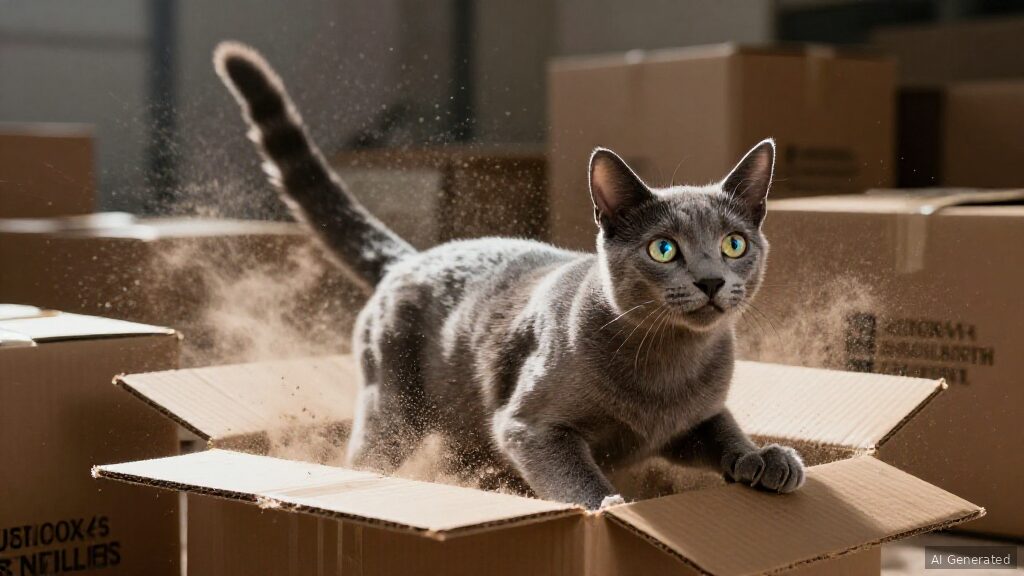
Important Factors in the Selection and Placement of Solid Wood Furniture
Checking Wood Texture and Safety
When selecting solid wood furniture from PlayCat, you should first check the wood type and surface treatment. Since cats feel the wood surface directly with their paws, a rough surface or a surface with saw marks can be dangerous for both the owner and the cat. Safe solid wood furniture should be treated with eco-friendly wood oils or natural varnishes or treated by smooth sanding to protect the areas where the cat’s paws and hands touch. It is also important to choose wood that does not release toxic chemicals. If the owner connects the word “Health” with “Wood Safety”, choosing a safe solid wood furniture piece is of great long-term benefit to the cat, even if it is expensive. This reflects the sincerity of the owner who wants to provide the best environment for the cat.
Safety and Structural Stability: Preventing Tipping and Securing
The structural stability of solid wood furniture is the most important factor for securing the cat’s safety. Cats have the ability to jump more than double their body weight and also maintain an amazing balance when jumping from high places. Therefore, solid wood furniture should be firmly secured to the floor, and in particular structures with thin legs or unbalanced construction should be avoided. Owners should definitely test if the furniture wobbles or tips over when the cat climbs on it. It is also advisable to check if the structure is damaged when the cat scratches with its claws. If the owner chooses to provide mounting fixtures for solid wood furniture on the wall, this is the best method to ensure the safety of the furniture while fulfilling the cat’s high movement needs. A structure whose stability is not guaranteed can not only endanger the cat’s safety but also cause psychological insecurity in the owner.
Space Utilization and Placement Strategy: The Importance of Vertical Spaces
Modern apartments or houses often have limited space, so it is difficult to provide cats with enough vertical space (Vertical Space). However, cats generally prefer high places and monitor their environment and defend their territory from there. When placing solid wood furniture from PlayCat, it is better not to simply place them in the middle of the room, but to install them against the wall or in the corner to ensure the cat’s field of view. This helps the cat recognize the entire house as its territory and act safely. Furthermore, the distance between the levels of the solid wood furniture should be such that the cat can naturally climb up. Too narrow level distances prevent the cat from climbing, and too large level distances can be dangerous for the owner. It is efficient to place solid wood furniture at a position that the owner can easily observe, taking into account the body shape and movement patterns of the cat.
Cost-Benefit Ratio: Investing in Prevention and Long-Term Perspective
Some owners hesitate to buy solid wood furniture because it is expensive. However, this is a viewpoint that limits itself to short-term cost comparison. Investing in suitable solid wood furniture for cats to reduce stress, prevent obesity, and stop destructive behavior is, in the long term, a method to save time and financial costs for the owner. For example, if the cat is sufficiently active through solid wood furniture, the owner may buy toys less often or reduce the number of veterinary visits that require treatment. From the perspective of behavioral economics, this means that prevention costs are a much more efficient choice than treatment costs. Furthermore, solid wood furniture are not toys that easily break or consumables, but investment goods that can be used over a long period with the growth of the cat. Therefore, owners should not view solid wood furniture as simple toys, but as indispensable equipment for securing cat health.
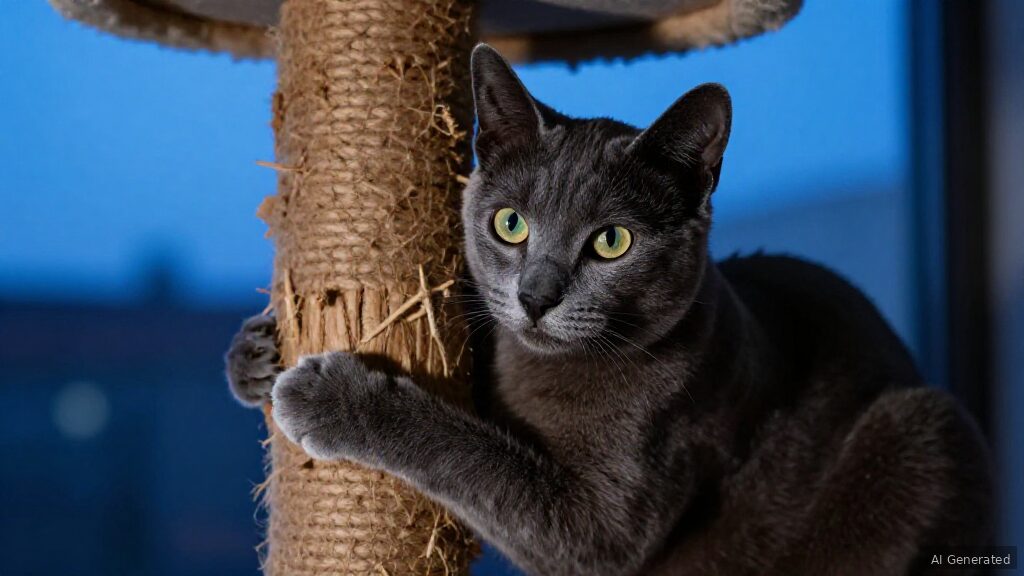
In-Depth Information on Behavioral Enrichment and Mistakes Owners Often Overlook
Misconceived Concepts: More Toys vs. Environmental Design
Many owners misunderstand behavioral enrichment as “buying a lot of toys”. But simply stacking a lot of toys can even have the opposite effect. The wider the cat’s selection, the harder it is for it to decide which toy to choose (“Paradox of Choice”), and it often plays nothing. Furthermore, the cat that is sensitive to even the smallest changes can feel stress if even a new toy is added. Therefore, behavioral enrichment should focus more on “Environmental Design”. That is, it is important to provide a structure where the cat can change and explore the environment itself (levels, holes, ramps of solid wood furniture, etc.). It is more effective if the owner creates an environment for the cat where it can choose itself “how to play”, rather than giving it toys.
Managing Cat Fatigue and Risks of Excessive Activity
If behavioral enrichment is overdone, the cat can even become tired. Unlike humans, cats have different activity patterns between day and night, and rest times are very important. If the owner throws all the toys at the cat or shakes the solid wood furniture, the cat can even feel stress and react defensively. Especially in older or adult cats, due to lack of energy, the reaction to toys may be absent, which can lead the owner to believe, “the cat doesn’t like it”. Therefore, it is important for the owner to continuously observe the cat’s condition and provide appropriate stimuli within the limits where the cat does not get tired. Furthermore, it should be checked if the cat is too attached to toys or solid wood furniture and feels stress. Healthy behavioral enrichment means that the cat feels “happy and comfortable”.
Owner Involvement: Strengthening the Bond with the Cat
The most important factor of behavioral enrichment is owner involvement. Installing solid wood furniture or toys is the owner’s role, and it is important to help the cat use this naturally. Interactions like playing with the cat up and down solid wood furniture or throwing toys give the cat great satisfaction. This goes beyond simply playing with the cat and is a process that strengthens the bond between owner and cat and increases mutual trust. Furthermore, it is the core of behavioral enrichment that the owner observes and understands the cat’s actions, what it likes and dislikes. If the owner does not actively participate, solid wood furniture and toys will simply become items lying in a corner of the house, and the effects of behavioral enrichment cannot be seen.
Checklist for Behavioral Enrichment You Can Implement Immediately
1. Analysis and Documentation of the Cat’s Current Environment
Expected Duration: 15 Minutes
Required Materials: Notebook, Camera
Expected Effect: Understanding the cat’s behavioral pattern and clarifying causes of problematic behavior
Observe and document for an hour where the cat stays all day, what it does, and which toys it uses. Identify the cat’s favorite positions and toys and find areas the owner has overlooked. These records are the most important benchmark for the future placement of solid wood furniture or the selection of toys. Furthermore, documenting changes in the cat’s behavior (e.g., night screaming, increased aggression) helps understand which environmental factors are the cause of stress.
2. Optimization of Solid Wood Furniture Placement and Safety Check
Expected Duration: 30 Minutes
Required Materials: Solid wood furniture, Mounting fixtures (optional)
Expected Effect: Securing a safe vertical space and improving cat mobility
Go through the corners of your house and check the solid wood furniture the cat currently uses, or other vertical spaces (bookshelves, window sills, etc.). Check if the furniture is stable and if the cat can easily climb on it, and secure it to the wall or adjust the level height if necessary. Also check if enough holes or retreats are provided where the cat can hide safely. Install protective devices between the levels of the solid wood furniture that the cat can scratch with its claws to extend the life of the furniture and increase the cat’s satisfaction.
3. Rotation of Toys and Securing Variety
Expected Duration: 20 Minutes
Required Materials: Existing toys, new toys
Expected Effect: Maintaining the cat’s interest and providing new stimuli
Gather all toys in your house in one place. Cats tend to lose interest in familiar toys. Therefore, owners should rotate all toys every week so the cat feels like discovering a new toy. Also prepare toys of various shapes that can be used with solid wood furniture (hunting simulation, string toys, etc.) to stimulate various instincts of the cat. In particular, select toys that the cat does not use well and take time to play with the cat.
4. Improving the Environment for Meals and Feeding Strategy
Expected Duration: 10 Minutes
Required Materials: Ramps of solid wood furniture, Food bowls
Expected Effect: Increased interest in meals and obesity prevention
Feed the cat from the ramp or a high position of the solid wood furniture during meals. This makes the cat feel that “eating” is a special event and stimulates the cat’s hunting instinct. Furthermore, distribute the food on several small bowls and place them on different levels of the solid wood furniture so the cat enjoys the process of finding food. This helps regulate the cat’s appetite and prevent obesity. It is important for the owner to set the cat’s meal time and create a feeding environment using solid wood furniture.
5. Stimulating Daytime Activity and Energy Expenditure
Expected Duration: 15 Minutes
Required Materials: Toys, Solid wood furniture
Expected Effect: Reduction of night screaming and destructive behavior
Let the cat play sufficiently through solid wood furniture before you go to work or during the day. Prepare toys where the cat has to jump up and down from the high levels of the solid wood furniture to expend its energy. In particular, the cat’s stress reduction can be significantly reduced if the owner has time to play with the cat. Even if the owner is not present during the day, place and hide toys so the cat can use solid wood furniture itself. This helps the cat act in a safe environment even when the owner is not present.
6. Observing Cat Behavior and Feedback
Expected Duration: 5 Minutes Daily
Required Materials: Notebook, Camera
Expected Effect: Monitoring behavioral changes and adjusting strategies
Observe the cat’s behavior daily and document how effective solid wood furniture and toys are. Check if the cat uses solid wood furniture frequently, responds to toys, and if night screaming or destructive behavior is reduced. If certain toys or furniture do not work, the owner should adjust the strategy immediately. It is important to continuously improve behavioral enrichment methods, taking into account the cat’s condition and preferences.
Frequently Asked Questions (FAQ)
My cat doesn’t like solid wood furniture. What should I do?
If your cat doesn’t like solid wood furniture, you should first re-check the cat’s personality and current environment. The cat might be afraid of high places or dislike certain smells. Try to lower the height of the solid wood furniture or place the owner’s clothing in the holes so the cat’s scent can penetrate. Furthermore, you should have time to play with the cat on solid wood furniture and provide positive experiences. It is important to wait until the cat naturally accepts solid wood furniture.
What Should I Prioritize Most When Purchasing Solid Wood Furniture?
What you should prioritize most when purchasing solid wood furniture is “Safety” and “Stability”. You should definitely check the safety of the wood (presence of toxins), the surface treatment, and the structural stability of the furniture (prevention of tipping). Furthermore, it is important to choose the height and level distance according to the cat’s personality and body shape. Owners should not view solid wood furniture only as purchase items, but as indispensable equipment for securing the health and safety of the cat.
Does Behavioral Enrichment Require Additional Costs?
The additional costs for behavioral enrichment are not very high. Just the purchase of solid wood furniture can already achieve sufficient effects, and toys can be easily made at home by the owner or made from recycled materials. Furthermore, behavioral enrichment has the effect of reducing stress in cats and preventing diseases, which lowers costs for the owner in the long term. Therefore, owners should not view behavioral enrichment as simple costs, but as an investment for securing cat health.
Should the Behavioral Enrichment Method Be Different for Older Cats (Over 7 Years)?
In older cats, due to reduced physical activity and weak joints, solid wood furniture that provides stability and comfort is more important than active toys. Since older cats have difficulty going up and down high places, solid wood furniture with many medium-height levels or structures that the owner can easily reach should be chosen. Furthermore, due to older cats’ sensitivity to stress, solid wood furniture with rich retreats or the gradual introduction of new toys should be preferred.
Can Behavioral Enrichment Cause Stress in Cats?
If behavioral enrichment is not performed correctly, the cat can feel stress. For example, if the cat suddenly receives many toys it is not familiar with, or if solid wood furniture is placed too high. Therefore, it is important for the owner to continuously observe the cat’s condition and create a comfortable and pleasant environment for the cat. The core is that the owner actively participates, understands the cat’s behavior, and provides appropriate stimuli.
Conclusion: The First Step to a Happy Daily Life with Your Cat
The behavioral enrichment strategies and the selection of solid wood furniture introduced in this article are essential elements to protect the cat’s healthy life and strengthen the bond between owner and cat. Fulfilling the cat’s instincts and creating a proper environment through solid wood furniture is not a simple luxury or preference, but a very rational choice from a preventive medical perspective. Owners should start today by observing the cat’s behavior, placing solid wood furniture, and using toys to create a happy life for the cat. The time you spend with your cat will become a special and meaningful daily life.
Solid wood furniture from PlayCat (Playcat) are optimally designed to respect the cat’s instincts and provide a safe environment. Visit playcat.xyz for more information on behavioral enrichment in cats.
This content was created using AI technology. Consult a veterinarian for medical information.