


If you want to keep your pet cat healthy for a long time, daily observation at home is just as important as regular hospital visits.
This article is not just about preparing for when ‘the cat gets sick,’ but provides a concrete action guide to prevent diseases before they occur. Written based on veterinary knowledge and feline behavioral characteristics, this content will provide practical help to prevent the massive surgery costs and stress that may arise later, ultimately improving the quality of life for both you and your cat.
Especially for guardians who are afraid of hospital visits, we must teach you how to accurately identify early warning signs at home. By reading this article to the end, you will be able to start managing your cat’s health systematically and save on future unnecessary costs and time.
Why Regular Health Checkups Solve the Paradox of Choice?
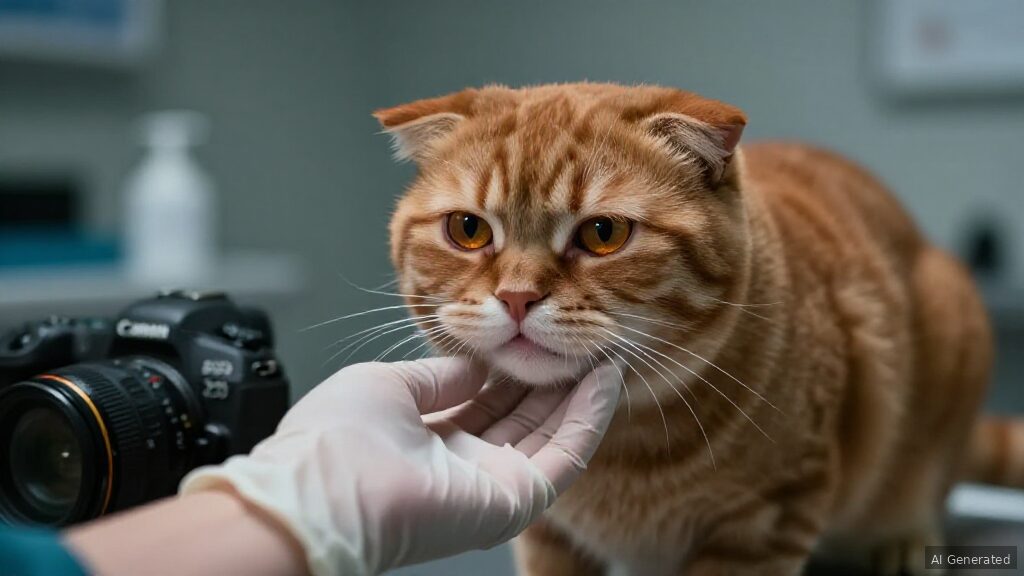
Many guardians think, “My cat is healthy. Going to the hospital is also stressful,” and delay checkups, but this is ultimately a case where the ‘loss aversion’ mindset kicks in, resulting in a huge loss. According to veterinary research, chronic diseases are often discovered late because early symptoms do not appear. For example, kidney disease may cause a cat to drink more water or urinate more frequently, but by the time weight loss begins, kidney failure of stage 1 or higher has often already progressed.
Considering these points, regular checkups are not simply an expense, but the most rational investment to save on emergency surgery and hospitalization costs that could reach tens of thousands of won in the future. In many cases, treatment costs when discovered early are only about 10% of the costs when the condition becomes chronic. Therefore, the thought of ‘there is no need to visit the hospital right now’ can cause you to miss subtle signs appearing in your cat, leading to irreversible results later.
The specific goals and contents of regular checkups are as follows.
- Kidney and Liver Function Check: These are the organs that deteriorate first with cat aging. By checking blood urea nitrogen and uric acid levels through blood tests, you can prevent organ damage even before symptoms appear.
- Early Detection of Periodontal Disease: Because feline gingivitis is painful but the cat does not express it, it is difficult for guardians to check directly. Oral examinations and tartar removal during regular checkups are key to boosting overall immunity.
- Obesity and Weight Management: Overweight is the culprit for arthritis, diabetes, and cardiovascular diseases. Maintaining weight at an appropriate level is the path to longevity.
Therefore, guardians must clearly set age-specific health management cycles for their cats. The table below summarizes the contents so guardians can adjust the frequency of checkups.
| Cat Age | Health Management Cycle | Key Checkpoints | Points to Note |
|---|---|---|---|
| Kitten (Under 6 months) | Every 3-4 months | Vaccination completion, parasite prevention, growth nutrition status | They don’t hide illness, so symptoms can be identified by guardian observation |
| Adult Cat (6 months to 7 years) | Once a year | Presence of underlying diseases, gum condition, obesity check, blood tests | Watch for behavioral changes due to stress during adulthood |
| Senior (7 years and older) | Twice a year | Kidney/liver function, diabetes, thyroid, atrial fibrillation, and other aging diseases | Since symptoms are well-hidden, frequent testing is essential |
What Are the Behavioral Signs When a Cat is Stressed?
Unlike dogs, cats have a strong tendency not to change their behavior due to illness or pain. This is called ‘Pain Masking.’ In other words, when a cat is sick or stressed, it tries to hide the fact and appear as usual, making it easy for guardians to miss the cat’s condition. Therefore, paying attention to subtle changes in the cat from a behavioral perspective is key to health management.
Specific behavioral signs that appear when a cat is stressed or its health deteriorates are as follows.
- Changes in Eating Habits: Eating more or less than usual, or a change in appetite, can be a sign of digestive diseases or toothache. Especially, loss of appetite is an early symptom of kidney failure or diabetes.
- Changes in Urination and Defecation Behavior: If the frequency of using the litter box increases, or if you see behaviors indicating pain when urinating (lifting hands or shaking legs), bladder stones or urinary tract infections should be suspected. Also, urinating outside the litter box is caused by stress or pain.
- Reduced Sociability and Activity: If an active cat reduces playtime or avoids approaching the guardian, there may be joint pain or internal organ problems.
To avoid missing these signs, guardians are advised to develop the habit of recording their cat’s daily life. Write a ‘Cat Behavior Diary’ and record meal times, litter box behavior, sleep patterns, and playtime every day. By setting a baseline for your cat based on this data, you can immediately detect even subtle changes.
Additionally, it is important to identify the causes of stress (stressors) in your cat. Adopting a new pet, moving, changing furniture layout, or changes in the guardian’s return time can be causes. It is necessary to minimize these environmental factors or provide environmental enrichment to improve the cat’s coping ability.
Specific stress management methods are as follows.
- Providing a Safe Hiding Spot: When a cat is stressed, providing a place for it to hide on its own is most important. Place boxes or tunnels in quiet, dark spaces so the cat can find comfort on its own.
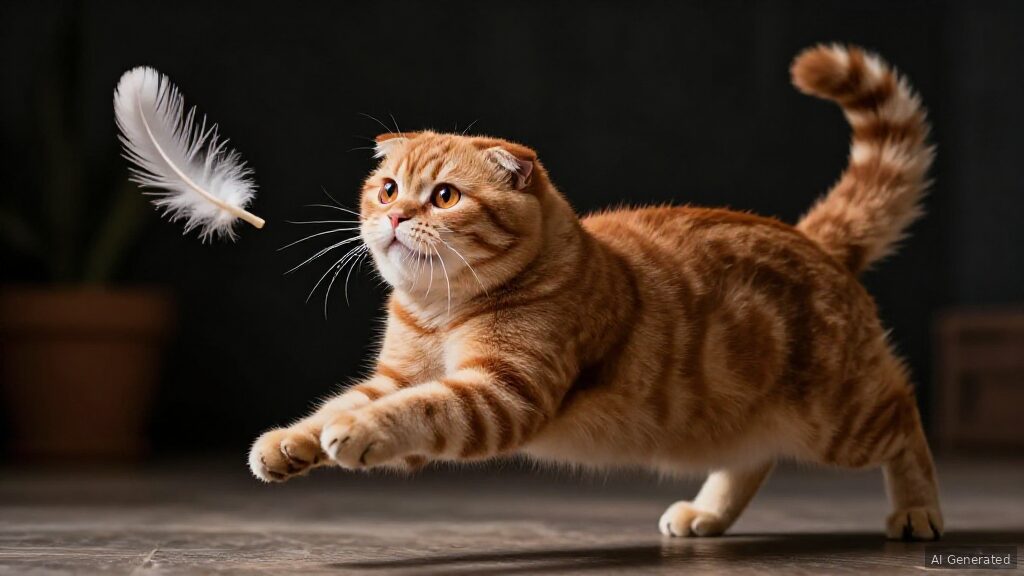
- Securing Continuous Playtime: Play is a means of stress relief and energy expenditure for cats. Spend time interacting with toys for at least 15 minutes a day.
- Using Pheromones: By spraying cat pheromone spray to release calming hormones in the space, you can reduce the cat’s anxiety without guardian intervention.
How is a Cat’s Pain Masked, and How Can We Detect It?
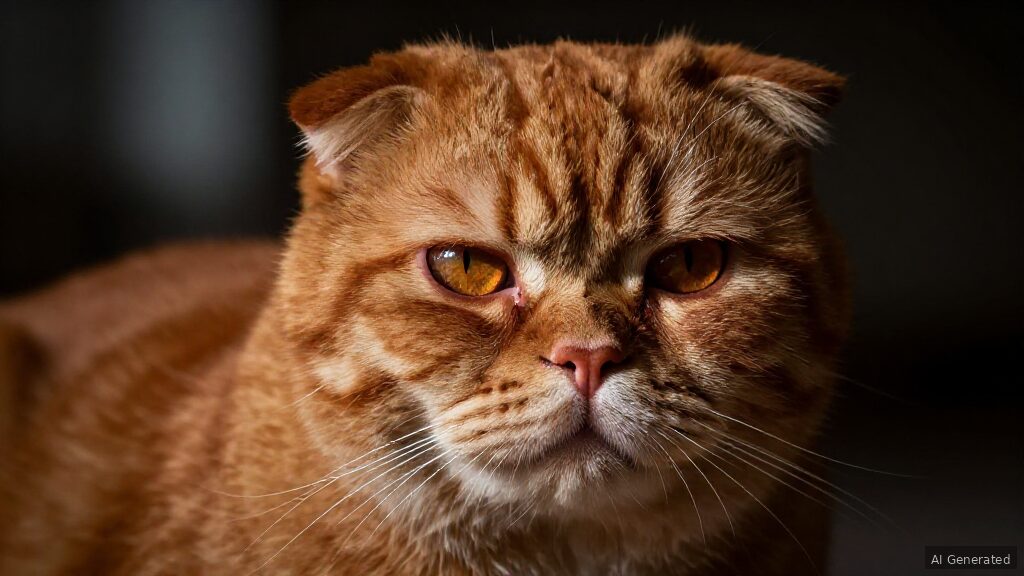
A cat’s pain masking ability stems from evolutionary survival instincts. In the past, if a cat got sick and couldn’t move, it would be eaten by predators, so even when in pain, it tried to move. Therefore, when a cat is sick, guardians often miss the signs thinking, “It’s not sick, so why is it crying?” Thus, understanding the presence of pain starts with observing the cat’s behavioral patterns in detail.
To identify signs of pain in a cat, guardians must carefully observe moments when the cat behaves differently from usual. In particular, the following behavioral changes are strong signals of pain.
- Abnormalities During Movement: If a cat tilts its head, twists its legs, or lifts its paws when walking or jumping, it may have joint or spinal problems. Especially in older cats, getting up from the floor is often painful, so they often do not move without the guardian’s help.
- Changes in Grooming Behavior: While usually licking themselves clean, if they only lick specific areas, do not lick at all, or suddenly stop licking, there may be pain or foreign objects in that area.
- Changes in Breathing and Body Temperature: Cats may breathe heavily or have an elevated body temperature when sick. Especially, short and frequent breathing is a more dangerous signal than the abdomen moving greatly when breathing.
To avoid missing pain signals, it is best to observe carefully when the cat wakes up from sleep, during meal times, and during playtime when activity is high. Observing the cat’s eye contact, ear position, and tail wagging at these times allows for more accurate judgment.
Additionally, you can use a ‘Behavioral Pain Scale’ to assess the degree of pain in your cat. This is a simplified version of the scale used by veterinarians for guardians to use at home.
- 1 Point: Activity similar to usual (normal, walking, eating)
- 3 Points: Restricted movement (cannot jump, maintaining specific posture), decreased appetite
- 5 Points: Severe pain (cannot move, refuses guardian contact, makes noise)
Use this scale to record your cat’s condition, and if the score is 3 or higher, you must visit a veterinarian. Pain tends to become chronic over time, making treatment more difficult and increasing suffering.
Correct Food Selection and Nutritional Supply for Cat Health Management
Cats are carnivores, and balanced nutrition is key to their health. In particular, if essential nutrients such as protein, vitamins, and minerals are lacking, immunity may drop, and they may be exposed to various diseases. Therefore, when selecting food, it is important to choose the correct food suitable for the cat’s age, activity level, and health status.
Cat nutritional requirements are as follows.
- High-Protein Food: Protein is not only an energy source for cats but also the basic material for constructing body tissues. The protein content in the food should be 40% or more of the cat’s weight, and animal protein should be the main ingredient.
- Hydration: Cats have a tendency not to drink water, putting a heavy burden on their kidneys. It is better to increase the water content in the food and create an environment where they can drink enough water.
- Essential Amino Acids: Essential amino acids such as taurine and arginine cannot be synthesized by cats themselves and must be consumed through food. A lack of these ingredients can lead to cardiovascular diseases or vision loss.
When guardians select food, they must check if the product they want matches the cat’s needs. In particular, the type of food often needs to be changed according to the cat’s health status.
- Obese Cats: Choose weight loss or low-fat food to control weight. In this case, if the cat refuses to eat, it is better to change the taste and texture of the food or divide the small amount into several servings.
- Cats with Kidney Disease: Choose food with low protein and low phosphorus content. In this case, change the food according to the veterinarian’s instructions and ensure the cat can drink enough water.
- Older Cats: Since digestive function declines due to aging, it is better to choose food that is easily digested or food containing nutritional supplements.
Additionally, the method of feeding is important. It is better to feed small amounts throughout the day rather than a large amount once a day. This helps maintain the cat’s appetite and reduces the burden on the kidneys. In particular, it is important for guardians to observe their cat while eating to check if the food quality is appropriate.
Impact of Cat Hygiene Management and Environmental Cleanliness on Health
Cat hygiene management and environmental cleanliness are directly linked to the cat’s health. In particular, litter box management and mosquito and flea removal are the basics of cat health. Since the litter box is a space the cat uses every day, a dirty litter box can cause stress to the cat and induce bladder stones or urinary tract infections.
Cat hygiene management methods are as follows.
- Litter Box Management: Cats want a clean litter box. Clean the litter box at least twice a day to remove feces and urine. Also, it is better to place the litter box in a quiet place where the cat can hide.
- Mosquito and Flea Removal: Mosquitoes and fleas transmit various diseases to cats. In particular, mosquitoes can transmit parasitic diseases such as ‘Babesiosis’ and ‘Leishmaniasis’ to cats. Therefore, it is important to regularly administer parasite prevention medication.
- Fur Management: While cats manage their fur by licking themselves, they may need guardian help. In particular, for long-haired breeds or older cats, comb the fur frequently to prevent matting. If fur mats, it can cause digestive diseases.
Additionally, the cat’s living environment must be kept clean. Guardians should be careful not to let detergents or disinfectants used by guardians come into direct contact with the cat’s skin. In particular, it is better not to use toxic substances in spaces the cat uses frequently.
Specific actions guardians can take for cat hygiene management are as follows.
- Caution When Changing Litter Box Location: Cats remember the litter box location well. When changing the litter box location or adding a new one, carefully observe the cat’s reaction and allow it to adapt slowly.
- Parasite Prevention: When guardians administer parasite prevention medication to their cat, they must choose a product suitable for the cat’s weight and age. Additionally, it is important to administer parasite prevention medication regularly.
- Fur Management: When combing a cat’s fur, do it in a way that allows the cat to feel comfortable. In particular, be careful not to comb in a way the cat dislikes, as it can cause stress.
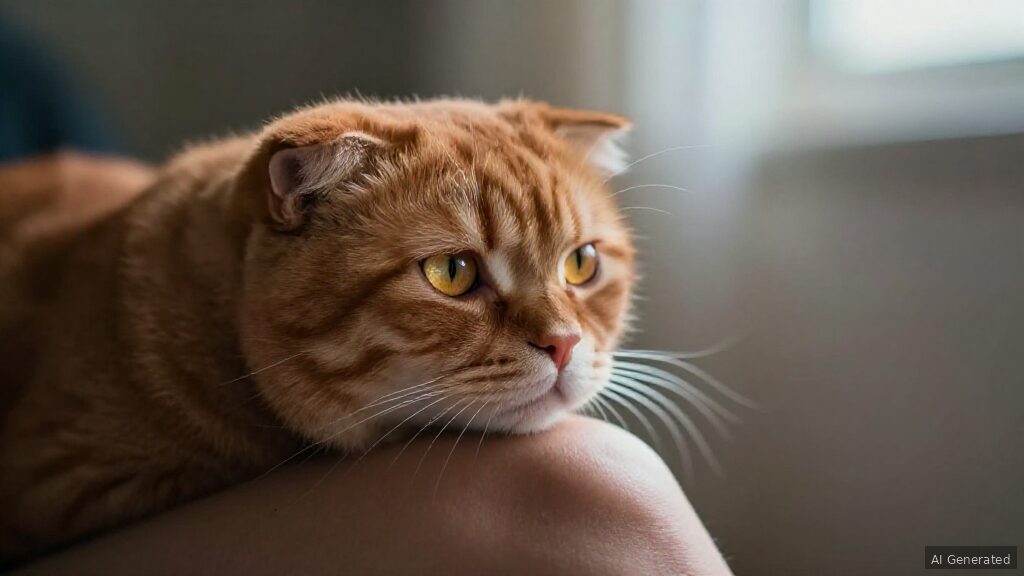
Health Promotion Through Cat Environmental Enrichment
Environmental enrichment is a method that induces natural cat behaviors, reduces stress, and promotes physical activity. This is very important for maintaining cat health and reducing preventable diseases. In particular, since indoor cats have low activity levels, which can lead to weight gain and stress, environmental enrichment is even more necessary.
Specific methods of environmental enrichment are as follows.
- Providing Play Tools: Provide toys that cats like so they can enjoy play on their own. In particular, play with the guardian is very important for cats.
- Providing High Places: Cats like high places. Provide furniture or high places where cats can climb so they can observe and rest.
- Providing Sensory Stimulation: You can reduce cat stress by stimulating their vision, hearing, and smell. For example, it is better to spray scents cats like or provide toys that make noise.
Additionally, environmental enrichment is very important for maintaining cat health and reducing preventable diseases. In particular, since indoor cats have low activity levels, which can lead to weight gain and stress, environmental enrichment is even more necessary.
Specific actions guardians can take for cat environmental enrichment are as follows.
- Securing Playtime: Secure time for the guardian to play with the cat so it can increase its activity level. In particular, play with the guardian is very important for cats.
- Providing High Places: Provide furniture or high places where cats can climb so they can observe and rest.
- Providing Sensory Stimulation: You can reduce cat stress by stimulating their vision, hearing, and smell. For example, it is better to spray scents cats like or provide toys that make noise.
Common Mistakes to Avoid and Solutions When Managing Cat Health
Common mistakes guardians make when managing cat health are interpreting cat behavior based on human standards or missing cat signals. These mistakes can harm the cat’s health, so they must be avoided.
- Human Standard Interpretation: If guardians interpret cat behavior based on human standards, they may miss cat signals. For example, if a cat cries, guardians might think, “The cat is happy,” but this could be a sign of pain or stress.
- Missing Signals: Cats have a strong tendency not to change their behavior when sick. Therefore, guardians must pay attention to subtle changes in the cat.
- Incorrect Food Selection: If guardians do not select food suitable for the cat’s needs, it can harm the cat’s health. Therefore, guardians must choose the correct food suitable for the cat’s age, activity level, and health status.
To solve these mistakes, it is important for guardians to understand cat behavioral signals and periodically check the cat’s health status. Additionally, it is good for guardians to observe the cat’s behavior to understand its health status.
Another point for guardians to note when managing cat health is to avoid letting their emotions interfere when observing the cat’s behavior. Guardians should observe the cat’s behavior objectively to understand its health status.
5 Cat Health Management Checklists You Can Start Practicing Today
Based on the content introduced so far, we summarize a concrete action plan that can be implemented immediately starting today. We hope that checking this checklist daily will help maintain your cat’s health and reduce preventable diseases.
- Litter Box Cleaning and Location Check (Time Required: 5 minutes)
- Required Items: Litter box cleaner, sponge
- Execution Method: Clean the litter box at least twice a day to remove feces and urine. Check if the litter box location is quiet and allows the cat to hide.
- Expected Effect: Reduced cat stress, prevention of urinary tract diseases
- Writing a Cat Behavior Diary (Time Required: 10 minutes)
- Required Items: Laptop or smartphone, paper
- Execution Method: Record meal times, litter box behavior, sleep patterns, and playtime every day. Set a baseline for your cat based on this data.
- Expected Effect: Detecting subtle changes, early detection of health problems
- Securing Playtime (Time Required: 15 minutes)
- Required Items: Toys (interactive, string, etc.)
- Execution Method: Spend time interacting with toys for at least 15 minutes a day. Create an environment where the cat can enjoy play.
- Expected Effect: Stress relief, energy expenditure, weight management
- Comb Cat Fur (Time Required: 10 minutes)
- Required Items: Comb (type suitable for cat fur)
- Execution Method: Comb the cat’s fur to prevent matting. In particular, for long-haired breeds or older cats, it is better to comb the fur frequently.
- Expected Effect: Fur management, skin health, strengthening the bond between cat and guardian
- Administering Parasite Prevention Medication (Time Required: 2 minutes)
- Required Items: Parasite prevention medication (veterinarian recommended product)
- Execution Method: Regularly administer parasite prevention medication suitable for the cat’s weight and age. It is important to administer parasite prevention medication regularly.
- Expected Effect: Prevention of parasite infection, enhanced immunity
Frequently Asked Questions (FAQ) About Cat Health Management
Q1. What should I do if my cat doesn’t want to go to the hospital?
Since cats consider hospital visits stressful, it is important for guardians to maintain a calm attitude first. If guardians are tense, the cat becomes more stressed. Additionally, before the hospital visit, provide comfort with toys or treats the cat likes, and encourage staying at the hospital for a short time only. If necessary, you can choose a veterinarian who treats cats kindly at the animal hospital or consider remote consultations to avoid hospital visits.
Q2. What should I do if my cat suddenly stops eating?
If a cat suddenly stops eating, there may be causes such as digestive diseases, toothache, or stress. Guardians should observe other cat behaviors (urination, defecation, activity level) to identify additional signals. Additionally, you can try stimulating the appetite by providing treats or food of a different flavor that the cat likes. However, if the cat does not eat for more than 24 hours, there is a risk of dehydration or hypoglycemia, so you must visit a veterinarian immediately.
Q3. How can I manage a cat’s weight loss?
To manage a cat’s weight loss, you must first identify the reason for the weight loss. Obesity can cause arthritis or diabetes, so maintaining weight at an appropriate level is important. Guardians should adjust the cat’s food amount and increase its activity level. Additionally, it is good to set meal times for the cat to induce regular eating. However, if weight loss is rapid, there may be causes such as kidney disease or diabetes, so you must visit a veterinarian.
Q4. How can I prevent periodontal disease in cats?
Since feline periodontal disease is painful but the cat does not express it, it is difficult for guardians to check directly. Therefore, regular oral examinations and tartar removal are important. Guardians should periodically check the cat’s mouth to identify signs of gingivitis (gingivitis, tartar, etc.). Additionally, it is good to use treats the cat likes to provide teeth-cleaning effects. However, since prevention is important for periodontal disease, regular veterinary checkups are essential.
Q5. What are the methods to reduce cat stress?
To reduce cat stress, it is better not to make changes to the cat’s environment. In particular, maintaining spaces and food the cat is familiar with is important. Additionally, provide a space where the cat can hide so it can find comfort on its own. Guardians should observe the cat’s behavior to identify the cause of stress and find ways to resolve it.
Q6. How should I manage the health of an aging cat?
Older cats are vulnerable to aging diseases such as kidney, liver, and heart diseases. Therefore, guardians should periodically check the cat’s health status and visit a veterinarian. Additionally, adjust the cat’s food and water appropriately to reduce the burden on the kidneys. Guardians should carefully observe changes in the cat’s behavior to identify signs of aging diseases.
Conclusion
Cat health management is not just about visiting the hospital, but must be achieved through careful observation in daily life and appropriate behavioral enrichment. We hope this article helps guardians systematically manage their cat’s health and improve the cat’s quality of life.
Regular health checkups, correct food selection, and behavioral enrichment are very important for maintaining cat health and reducing preventable diseases. We hope guardians put these contents into practice and spend healthy and happy times with their cats.
Check more cat environmental enrichment information at PlayCat (playcat.xyz)
This content was written using AI technology. Always consult a veterinarian for medical-related information.