


Does Your Cat Fear Certain Sounds? Stress Signals and Solutions Cat Owners Should Know
Many cat owners face a common concern: failing to properly identify their cat’s stress or anxiety, which can ultimately harm the cat or compromise its health. This article explores how sounds and environmental factors that cats dislike trigger stress, and offers specific behavioral strategies to prevent and manage them. In recent years, the field of cat welfare has emphasized the importance of ‘Environmental Enrichment’ to ensure emotional stability, going beyond basic care. Through this article, we aim to help you understand the sounds that frighten your cat and guide you in relieving stress correctly, enabling a healthier and happier life for your feline companion.
Sounds That Cats Fear: What Triggers Sensitivity?
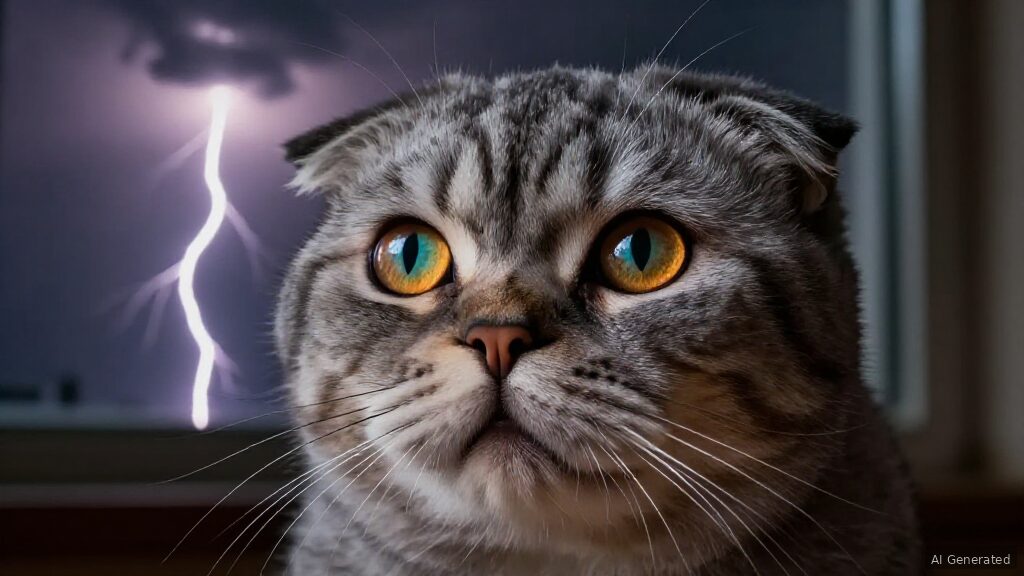
Cats can hear in a high-frequency range far beyond human capabilities. This evolved as a survival instinct to avoid predators or capture small prey. However, this superior hearing can often confuse cat owners. Sounds we consider ordinary in daily life can become sources of extreme fear and threat to cats. Sudden loud noises or continuous low-frequency sounds can overactivate the cat’s sympathetic nervous system, potentially leading to long-term health issues such as cardiovascular disease or weakened immunity.
1. Types of Sounds Cats Dislike and Their Causes
Sounds that frighten cats can be broadly categorized into sudden impact noises, continuous mechanical sounds, and human conversation or chaotic noises. First, sudden impact noises are perceived by cats as immediate threats. For instance, a phone ringing suddenly, an elevator operating strangely, or sounds resembling a loud explosion can inhibit dopamine production and rapidly spike cortisol (the stress hormone) levels in cats. Studies show that cats exposed to such sudden noises may experience a heart rate increase of 30–40% above normal. Additionally, human voices or conversations among other cat owners can also be stressors for shy cats. Cats may perceive these as intrusions into their territory, leading to defensive attitudes or, in extreme cases, aggression.
2. Understanding Sound Frequencies and Cats’ Hearing Limits
A cat’s hearing range is estimated to be between 48Hz and 85,000Hz, significantly wider than the human range of 20Hz to 20,000Hz. Consequently, high-frequency noises or low-frequency vibrations that are nearly inaudible to us are perceived clearly by cats. For example, sounds from air conditioners, wind whistling through window gaps, or distant car horns can trigger sensitive reactions in cats. If you create a home environment without considering these frequency differences, your cat may suffer from chronic stress without even realizing it. Especially low-frequency vibrations can be felt through touch as well as hearing; cats perceive vibrations transmitted through the floor as stressful. Therefore, efforts to reduce household noise must go beyond simply lowering volume; a comprehensive approach considering frequency characteristics is necessary.
3. Real-World Examples: Noises to Watch Out for in Apartment Living
In modern apartment living, one of the biggest noise factors cats face comes from elevators or plumbing systems in multi-unit buildings. Specifically, the ‘ding’ sound when an elevator operates or the noise of elevator doors closing is known to be extremely disliked by many cats. Additionally, neighbors’ conversations, TV sounds, and even structural vibrations of the building can be transmitted through cats’ sensitive hearing, causing stress. These noises can restrict a cat’s activity time or disrupt daily routines such as feeding and litter box usage. For example, if a cat becomes startled by elevator noises and avoids moving to the litter box, their elimination habits may be disrupted, causing significant stress. Therefore, apartment residents must inspect structural flaws in their homes and utilize soundproofing materials to block external and internal noises. Cat behavior experts emphasize that failing to control these external factors can be the root cause of aggression or hygiene issues in cats.
Signs of Cat Stress: How to Identify Them?
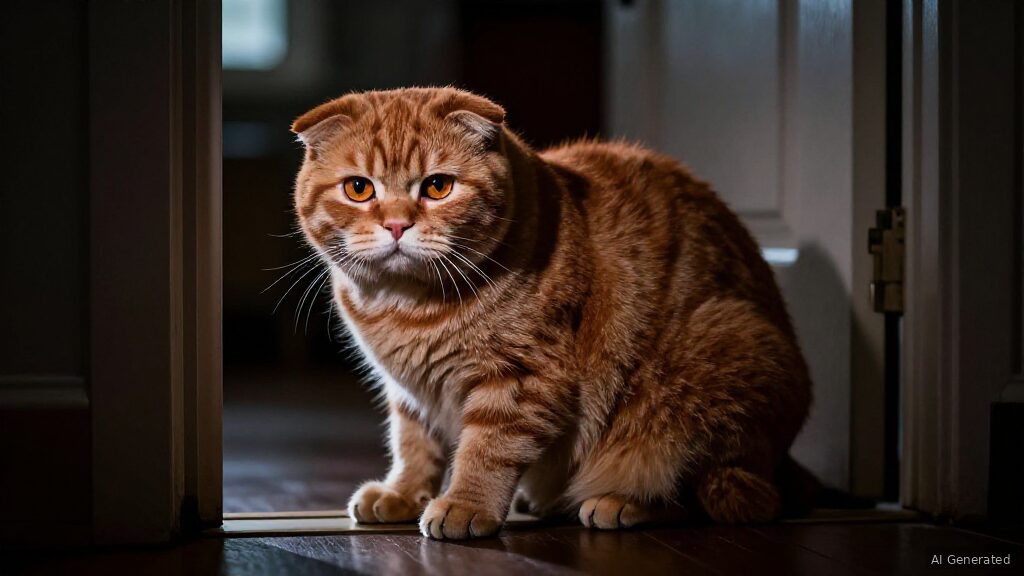
Cats often do not express stress directly. Instead, they manifest it indirectly through physical symptoms or behavioral changes. For cat owners, recognizing and correctly interpreting these subtle signals is the first step in safeguarding their cat’s health. Stress weakens a cat’s immune system and can be the cause of various diseases, making early detection crucial. Furthermore, stress signals may vary depending on the cat’s personality and developmental stage, so observation tailored to each individual cat is necessary.
1. Connection Between Physical Changes and Abnormal Behaviors
The first symptom of stress in cats is often loss of appetite and weight loss. The stress hormone cortisol promotes metabolism and breaks down body fat; therefore, prolonged stress can lead to underweight conditions rather than obesity. Changes in grooming behavior are also important indicators. Stressed cats may groom excessively, causing hair loss on their skin, or conversely, groom less frequently, leading to matted fur and a loss of shine. Particularly, ‘alopecia’—significant hair loss on the tail or hindquarters—is a hallmark sign of severe stress. These physical changes may stem from psychological factors rather than just disease, so veterinary diagnosis combined with a review of lifestyle habits is essential. Additionally, symptoms like difficulty breathing or vomiting can also occur due to stress and should be observed carefully.
2. Changes in Hygiene Habits
Cats are animals that highly value cleanliness. When stressed, their litter box usage habits often change frequently. For example, they may avoid the litter box or exhibit ‘litter box accidents’ by defecating outside the box. This happens because the cat feels the litter box environment is unsafe or inaccessible. Additionally, water intake may decrease, leading to a preference for drinking only clean water instead of water mixed with food, which can increase the risk of kidney disease. While there are many reasons why a cat avoids the litter box, one major factor is environmental stress such as noise or odors near the box. For instance, if conflicts with other cats occur nearby or if noise frequently happens near the litter box, the cat will avoid that area. Therefore, it is important to regularly check the location and environment of the litter box and improve it to ensure the cat can use it comfortably. Additionally, improper odor removal after defecation can also be a stressor, so maintaining hygiene with appropriate odor eliminators is necessary.
3. Changes in Aggression and Social Behavior
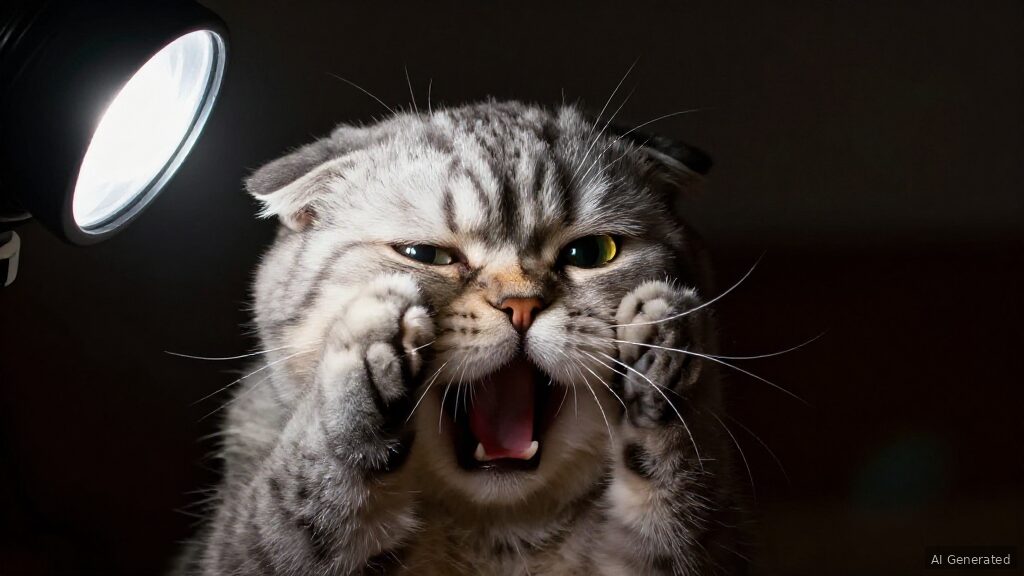
Stressed cats may display more aggressive behavior than usual. This manifests as a defense mechanism, where they might bite or scratch their owners or family members. Additionally, they may show a tendency to avoid social interactions, such as ignoring people they usually greet warmly, other cats, or even the smell of food. This occurs because the cat feels its safety is threatened and attacks to intimidate others or defend its territory. In conflicts with other cats, stress can intensify, leading to fights or escape behaviors. In such cases, providing sufficient rest and a safe space is essential to restore trust between the cat and humans. Furthermore, when aggressive behavior occurs, it is necessary to stop it immediately and create an environment where the cat feels safe. For example, providing sufficient food, water, and a safe play area helps relieve stress. Additionally, aggressive behavior may stem from environmental factors or health issues rather than just personality, so identifying the exact cause and taking appropriate action is crucial.
Relieving Cat Stress: Utilizing Behavioral Enrichment
The most effective method for relieving cat stress is ‘Environmental Enrichment’. This means providing an environment that stimulates natural instincts, helping the cat relieve stress on its own and feel mental satisfaction. Behavioral enrichment goes beyond simply giving toys; it is a comprehensive approach that stimulates a cat’s various senses and increases physical activity. Through this, cats can lower stress hormone levels, strengthen their immune system, and live healthier and happier lives. Additionally, behavioral enrichment plays a significant role in strengthening the bond between cat owners and their cats through direct participation.
1. Basic Principles and Effects of Environmental Enrichment
The core of environmental enrichment is providing opportunities for cats to exercise their instincts. Cats relieve natural stress through behaviors like hunting, stalking, hiding, and chasing. Cat owners should create environments that stimulate these instincts, helping cats engage in natural activities within the home. For example, using toys that mimic prey can stimulate hunting instincts, while providing hiding spaces or high perches can satisfy their desire to explore. Such behavioral enrichment is highly effective in lowering stress levels and increasing happiness in cats. Furthermore, behavioral enrichment provides new experiences and stimuli to cats, alleviating boredom and maintaining mental health. Cat owners should strive to improve their environment daily to provide a richer life for their cats.
2. Play and Exercise: The Core of Stress Relief
Play and exercise are among the most important factors in relieving cat stress. Cats can simultaneously achieve energy expenditure and stress relief through daily play. Cat owners should provide various toys to stimulate hunting instincts and increase physical activity. For instance, using fur toys, string toys, or feather toys to engage cats in play and ensuring they get sufficient exercise is crucial. Additionally, providing ample playtime plays a significant role in relieving stress and boosting happiness. Cat owners should choose play activities that match their cat’s personality to provide enjoyable experiences. For example, active cats prefer high-energy play, while shy cats prefer quieter activities. Therefore, it is important for owners to consider their cat’s personality and choose appropriate play to relieve stress.
3. Creating Safe Spaces: Providing a Sanctuary for Cats
Creating a safe space is essential to prevent stress accumulation in cats. Cats can only truly rest when they feel their territory is secure. Cat owners should provide places where cats can hide, high perches, and calming spaces to create a sanctuary for them. For example, providing cat furniture, cat trees, or boxes where cats can hide helps create a safe space. Additionally, choosing locations where cats feel comfortable and providing sufficient rest areas is important. Cat owners should consider their cat’s personality and preferences to provide appropriate spaces for stress relief. For instance, shy cats often prefer high places or hiding spots, while active cats prefer open spaces. Therefore, it is important for owners to consider their cat’s personality and provide appropriate spaces to relieve stress.
Cat Stress Management: Prevention and Coping Strategies
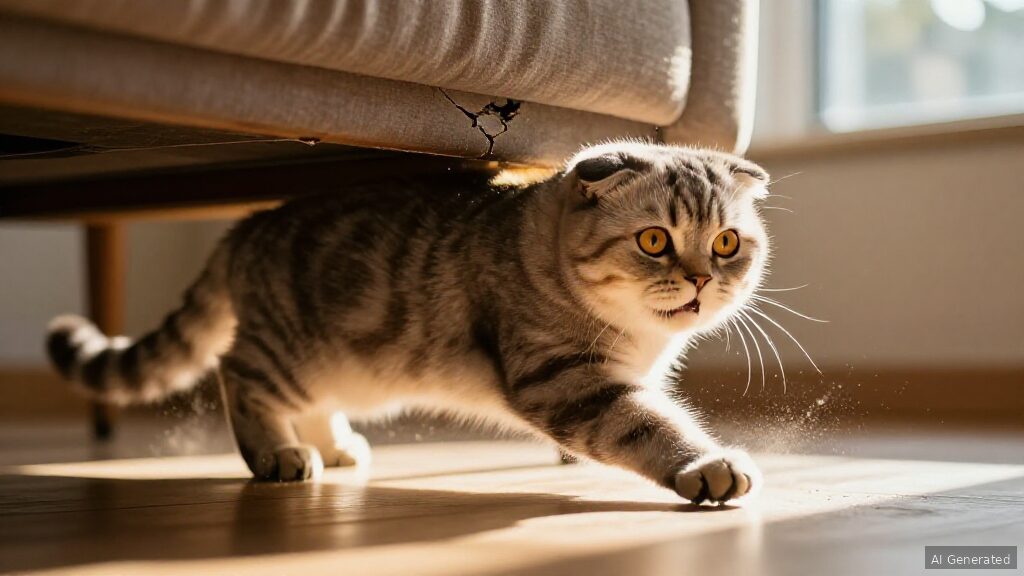
Effectively managing cat stress requires both prevention and coping strategies. While factors causing stress in cats are diverse, owners can prevent many problems by recognizing and preparing for them in advance. Additionally, cats already under stress can recover quickly with appropriate intervention. This section outlines specific methods to identify the causes of cat stress and manage them effectively. In particular, we point out areas often overlooked or misunderstood by owners and guide them on proper stress management techniques.
1. Changes in Daily Routines and Their Impact
Cats are animals that highly value consistent daily routines. If owners’ schedules change or the home environment shifts suddenly, cats can experience significant stress. For example, changes in owners’ work hours, the arrival of new family members, or alterations to the home structure can cause anxiety. Additionally, changes in the type of food or water, or moving the litter box location, can also become stressors. These disruptions break the cat’s daily routine, triggering stress. Therefore, when changes occur, it is important for owners to give cats sufficient adjustment time and introduce changes gradually. For instance, when introducing new food, it is best to mix it gradually with the old food and slowly increase the ratio. Similarly, when changing the litter box location or home structure, providing a safe space and allowing sufficient time for adaptation is necessary.
2. Stress Management in Multi-Cat Households
When multiple cats live in the same home, stress can arise from conflicts between them. Especially cats with different personalities or opposite genders may feel discomfort toward each other. To prevent conflicts and reduce stress, owners must ensure each cat has sufficient space and resources. For example, it is crucial to place enough food bowls, water bowls, litter boxes, and play areas to minimize competition. Additionally, if conflicts arise between cats, they should be separated immediately to provide each with sufficient rest time. Owners should observe the relationships between cats and find appropriate management methods considering each cat’s personality and preferences. For instance, providing safe spaces for shy cats and ensuring ample exercise areas for active cats is recommended. In cases of severe conflict, seeking professional help to find an appropriate solution is important.
3. Responding to External Environmental Changes
Changes in the environment outside the home can also be stressors for cats. For example, seeing birds or other cats outside the window, or external noises and odors entering the home, can cause anxiety. Owners should find ways to reduce stress in response to these external environmental changes. For instance, closing windows or drawing curtains to block external views, or using soundproofing materials to reduce external noise is recommended. Additionally, providing a safe space for cats and removing elements that cause stress is important. Owners should carefully observe their cat’s reactions to identify stressors and take appropriate action. For example, if a cat spends a long time staring outside or reacts to external noises for extended periods, blocking the external environment to reduce stress is advisable.
Tailored Management Guide Through Behavioral Analysis
Correctly interpreting and managing cat behavior requires behavioral analysis. A cat’s behavior is often caused by environmental factors or stress, not just personality issues or illness. Cat owners should observe their cat’s behavior and apply behavioral principles to find tailored management methods. In particular, interpreting a cat’s behavior requires individualized approaches considering the cat’s personality, age, and experience. Additionally, changing a cat’s behavior requires the owner’s sustained attention and effort.
1. Behavioral Analysis and Management Strategies by Cat Personality
Cat personalities vary widely, resulting in different behavioral patterns. For example, active cats prefer high-energy play, while shy cats prefer quiet environments. It is important for owners to understand their cat’s personality and provide appropriate play and environments to reduce stress. Additionally, coping methods vary by personality. For instance, active cats benefit from increased exercise, while shy cats benefit from sufficient rest and safe spaces. Owners should consider their cat’s personality to find appropriate management methods. For example, providing ample exercise space for active cats and ensuring safe spaces for shy cats is recommended. Furthermore, selecting appropriate food and water types based on personality is important to provide suitable nutrition.
2. Age-Related Behavioral Changes and Management
Cats’ behavioral patterns change with age. Kittens are curious and highly active, adult cats prioritize stability, and senior cats often require more rest. Owners should understand behavioral changes based on age and apply appropriate management methods. For example, kittens can relieve stress through play, while adult cats benefit from a stable environment to reduce stress. Additionally, providing sufficient rest spaces is crucial for senior cats to feel comfortable. Owners should consider their cat’s age to provide appropriate environments and play to reduce stress. For instance, providing active play for kittens, stable environments for adults, and comfortable rest spaces for seniors is recommended.
3. Environmental Improvement Cases Applying Behavioral Principles
There are many cases where applying behavioral principles has improved environments. For example, when a cat avoids the litter box, cleaning the area around it and moving it to a quieter location has reduced stress. Additionally, when a cat displays aggressive behavior, providing a safe space and sufficient rest time has helped relieve stress. It is important for owners to observe their cat’s behavior and apply behavioral principles to improve the environment. For instance, keeping the litter box area clean and moving it to a quiet location is recommended to reduce avoidance. Similarly, when aggression occurs, providing a safe space and sufficient rest time helps relieve stress. Owners should observe their cat’s behavior and apply behavioral principles to improve the environment.
Cat Stress Management: Practical Tips and Precautions
Effectively managing cat stress requires specific tips that owners can implement in their daily lives. Additionally, owners must be aware of precautions when managing cat stress. This section details practical tips and precautions that owners can immediately implement. In particular, we point out areas often overlooked or misunderstood by owners and guide them on proper stress management techniques.
1. Practical Stress Relief Tips for Daily Life
To reduce cat stress, owners can implement simple tips in their daily lives. For example, playing with the cat for a set time each day and providing sufficient exercise helps relieve stress. Additionally, creating an environment where the cat feels comfortable is important for reducing stress. For instance, providing hiding spaces or high perches helps create a safe environment. Owners should consider their cat’s personality and preferences to provide appropriate environments and play to reduce stress. Furthermore, giving cats sufficient rest time and providing a comfortable environment is crucial for stress relief.
2. Precautions: Excessive Interference and Sudden Changes
When reducing cat stress, owners must avoid excessive interference and sudden changes. Cats value stability; therefore, touching them too much or playing with them too frequently can actually cause stress. Additionally, sudden changes in the home environment or daily routines can cause significant stress. Owners should carefully observe their cat’s reactions and provide appropriate levels of interaction and change. For example, if a cat does not want to play, forcing play is not recommended; instead, allowing them to rest quietly is better. Additionally, when changing the home environment or daily routines, making gradual changes to help the cat adapt is important.
3. Seeking Professional Help: When to Consult a Veterinarian or Behavior Expert?
When a cat’s stress is severe or serious health issues arise, professional help is necessary. Owners should carefully observe their cat’s condition and seek help from a veterinarian or behavior expert when needed. For example, if a cat shows loss of appetite or weight loss, a veterinary examination is required. Additionally, if a cat displays aggressive behavior, consulting a behavior expert to find appropriate coping methods is necessary. Owners should carefully observe their cat’s condition and seek professional help when needed. For instance, if a cat shows loss of appetite or weight loss, a veterinary examination is required. Additionally, if a cat displays aggressive behavior, consulting a behavior expert to find appropriate coping methods is necessary.
Practical Application Guide: Starting Stress Management Today
We now present a practical application guide for cat stress management. This checklist includes specific actions that owners can start implementing today. Each item lists the estimated time required, necessary items, and expected effects, making it easy for owners to follow. Through this, owners can provide a better environment for their cats and successfully reduce stress.
- Environment Check and Improvement (Estimated Time: 30 mins, Required Items: Soundproofing materials, curtains, cat furniture)
Block household noise and visual distractions to create a safe space for the cat. Expected Effect: Reduced anxiety, formation of stable sleep patterns. - Daily Playtime Allocation (Estimated Time: 15 mins/session, Required Items: Fur toys, string toys)
Spend a set time each day playing with the cat to aid energy expenditure and stress relief. Expected Effect: Strengthened bond with the cat, reduced stress hormones. - Food and Water Type Check (Estimated Time: 5 mins, Required Items: Various foods, clean water bowl)
Provide food and water preferred by the cat to stimulate appetite and reduce stress. Expected Effect: Improved nutrition intake, maintained digestive health. - Litter Box Environment Improvement (Estimated Time: 20 mins, Required Items: Cat litter box, odor eliminator)
Keep the litter box clean and move it to a quiet location to ensure the cat can use it comfortably. Expected Effect: Normalized elimination habits, improved hygiene management. - Understanding Cat Personality and Tailored Management (Estimated Time: 10 mins, Required Items: Observation log)
Understand the cat’s personality and preferences to provide appropriate environments and management. Expected Effect: Improved cat behavior, reduced stress. - Scheduling Professional Consultation (Estimated Time: 30 mins, Required Items: Consultation fees)
If the cat’s condition is severe, seek help from a veterinarian or behavior expert to find appropriate coping methods. Expected Effect: Accurate diagnosis, effective treatment and management.
Frequently Asked Questions (FAQ)
We provide detailed answers to questions cat owners frequently ask about cat stress. Each answer is explained in 3-4 sentences or more, providing information that owners can actually utilize.
1. Why might a cat suddenly avoid the litter box?
There are many reasons why a cat might suddenly avoid the litter box. The most common cause is environmental stress such as noise or odors around the litter box, or conflicts with other cats. Additionally, the cat may find it difficult to access the litter box, or there may be an issue with the box itself. It is important for owners to check the location and environment of the litter box and improve it so the cat can use it comfortably. Additionally, providing a safe space and sufficient rest time to relieve stress is necessary.
2. How should I cope if my cat displays aggressive behavior?
When a cat displays aggressive behavior, it is necessary to stop it immediately and create an environment where the cat feels safe. Cats often feel their safety is threatened and attack to intimidate others or defend their territory. It is important for owners to provide sufficient rest and a safe space to help the cat relieve stress. Additionally, aggressive behavior may stem from environmental factors or health issues rather than just personality, so identifying the exact cause and taking appropriate action is crucial.
3. What sounds can stress a cat?
The sounds that frighten cats are very diverse. Sudden impact noises, continuous mechanical sounds, and human conversation or chaotic noises are typical examples. Since cats can hear in a high-frequency range far beyond human capabilities, sounds that seem ordinary to us can become sources of extreme fear for them. Efforts to reduce household noise must go beyond simply lowering volume; a comprehensive approach considering frequency characteristics is necessary. Additionally, blocking external and internal noises to create a safe environment for the cat is important.
4. How should I implement behavioral enrichment?
Behavioral enrichment means providing an environment that stimulates a cat’s instincts. Owners can relieve stress through a comprehensive approach that stimulates a cat’s various senses and increases physical activity. For example, using toys that mimic prey can stimulate hunting instincts, while providing hiding spaces or high perches can satisfy their desire to explore. Owners should consider their cat’s personality and preferences to provide and manage appropriate environments.
5. How does cat stress affect health?
Cat stress can weaken the immune system and be the cause of various diseases. Particularly, prolonged stress can lead to various symptoms such as loss of appetite, weight loss, and changes in grooming behavior. Additionally, stress can trigger cardiovascular or digestive diseases in cats, making early detection and appropriate intervention very important. Owners should carefully observe their cat’s condition and seek veterinary help when necessary.
6. Does stress management vary based on a cat’s personality?
Yes, stress management methods should vary based on a cat’s personality. For example, active cats prefer high-energy play, while shy cats prefer quiet environments. It is important for owners to understand their cat’s personality and provide appropriate play and environments to reduce stress. Additionally, since coping methods vary by personality, owners should consider their cat’s personality and find appropriate management methods.
Conclusion
Managing cat stress is a process that requires the consistent attention and effort of cat owners. It is important to understand the sounds that frighten your cat and relieve stress correctly to help them live a healthier and happier life. The core lies in stimulating the cat’s instincts through behavioral enrichment and creating a safe environment to reduce stress. Small changes that owners can implement today will lead to great happiness for their cats.
Check out more cat behavioral enrichment information at PlayCat (playcat.xyz)
This content was created using AI technology. Always consult a veterinarian for medical-related information.