


Why do cats prefer sleeping in specific corners and responding to certain sounds? Many cat owners notice small behavioral changes in their cats, but often feel stressed because they don’t understand the environmental factors and instincts hidden behind them. Today, this article will scientifically analyze cat behavioral psychology and present methods to create the most suitable environment to respond to their natural instincts, especially the importance of PlayCat (플레이캣) wooden furniture from an expert perspective. PlayCat (플레이캣) will connect feline behavioral theory with real case studies of cat owners to offer practical and actionable guidelines to ensure your cat lives a healthy and happy life. By reading this article, you will understand your role as a cat’s ‘owner’ beyond just feeding them. You can accurately identify their needs and deepen the bond through environmental enrichment.
Deep Analysis: Why Cats Have Specific Daily Behavioral Patterns
When observing cat behavior, many people quickly conclude that cats are ‘unloving’ or ‘have problems.’ However, in reality, these behaviors result from a complex interplay of personality, past experiences, and the current environment, particularly the relationship with the owner and the layout of the home space. For example, a cat meowing repeatedly at the same time or chewing on specific toys is not just play; it is a way to release energy or reduce stress according to instinct. Therefore, owners must be able to correctly interpret the hidden signals behind these behaviors and prepare environmental factors to solve the problems. Wooden furniture, being a natural material, helps stimulate the cat’s paw sensitivity and maintains a more appropriate temperature than wooden floorboards or other surfaces, making it the ideal environment for rest. Understanding a cat’s behavioral patterns is the first step in solving all these issues, which will greatly enhance the quality of cohabitation in the home. In the next section, we will explain the causes and types of various behaviors in detail step by step.
1. Basic Reasons for Choosing Sleeping Spots and Sleeping Behavior
Cats spend approximately 14-16 hours a day sleeping, which is much more than humans. Sleeping for cats is not just rest; it is a survival strategy to conserve energy and an instinctual defense against external threats. Cats prefer sleeping in high and safe places, reflecting the instinct of their wild ancestors who chose to climb trees or cliffs to protect themselves from predators, a trait passed down genetically to the present day. Additionally, cats remain sensitive to sounds and vibrations around them while sleeping and prepare their bodies to respond to sudden movements. Therefore, the height and stability of the sleeping area provided by the owner directly affect the cat’s mental comfort. For example, high areas or narrow spaces in wooden furniture respond to these instincts and help stimulate deep sleep. If the owner only provides small toys near the bed, the cat may feel unsafe and have difficulty sleeping or wake up frequently. Therefore, to improve a cat’s sleeping behavior, it is crucial to provide the ‘high places’ and ‘safe hiding spots’ they prefer, which is not just a matter of personal preference but a scientific approach to maintaining the optimal physiological state for cats.
2. The Meaning of Scratching Behavior and Environmental Solutions
Many owners try to prevent cats from scratching furniture, but this is the wrong approach as it suppresses the cat’s natural instinct. Cats must stretch the muscles in their paws to maintain sharp claws, and the process of scraping off the skin attached to the claws is part of the scratching behavior. Additionally, scratching is a territorial marking behavior, releasing pheromones from the scent glands (Vibrisae) on the cat’s paws. If the owner tries to interfere with this behavior, the cat may feel frustrated and might start scratching walls or curtains, or in severe cases, show aggression. Therefore, instead of trying to stop the cat, the owner should provide appropriate alternatives that the cat likes, especially natural surfaces like wood bark, which help keep the cat’s claws healthy and provide satisfaction in the scratching process. Wooden furniture provides a natural surface suitable for exercise and territorial marking. Owners should observe the time and frequency when the cat starts scratching and place the wooden scratching post during that time to prevent behavioral problems from the start. This is not just about buying something, but a process of understanding and respecting the cat’s instincts.
3. The Importance of Controlling Play and Activity
Cats have strong hunting instincts and need to spend about 1-2 hours a day in active hunting play and various activities. If the owner spends too much time at home, the cat may run out of energy and show aggression towards the owner, resulting from stress due to unspent excess energy. Therefore, owners must manage the cat’s playtime systematically and create an environment where the cat can enjoy themselves. Wooden furniture provides diverse structures and heights, creating multi-functional play areas where cats can jump, hide, and observe their surroundings, which helps even if the owner doesn’t have time to play. Cats can play by themselves. Owners should check the cat’s activity level daily and pay attention to using wooden furniture to maintain the cat’s fitness. For example, during the day, arrange the structure so the cat can sleep on high places, and in the evening, play hunting games with the owner to release excess energy. Consistent activities like this will help maintain the cat’s health and strengthen the bond between the cat and the owner. Ultimately, controlling the cat’s activity level is not just about exercise, but a key factor in providing the necessary mental stimulation for cats.
Criteria for Selecting and Efficiency of Wooden Furniture for Cats
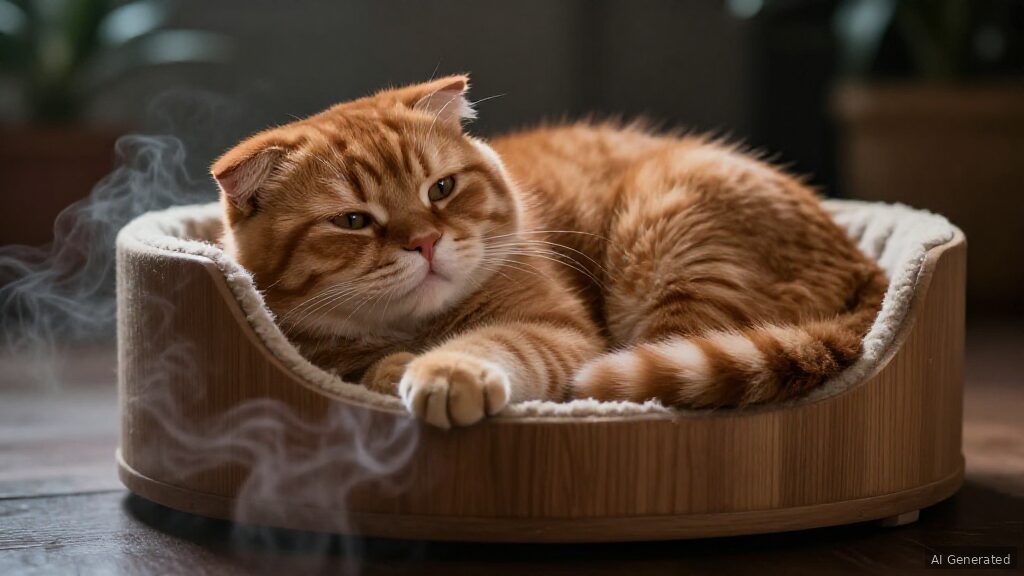
One of the most important factors in creating a good environment for cats is the material and structure of the furniture. In modern society, there are various types of cat furniture made of plastic, MDF wood, and artificial leather, but experts still recommend natural materials, especially wooden furniture, the most, because the specific physical and chemical properties of wood can perfectly meet the physiological and psychological needs of cats. PlayCat (플레이캣) has scientifically analyzed the advantages of wooden furniture and developed the most suitable products for cats. When owners choose wooden furniture, they should carefully consider what benefits it brings to the cat, not just the design. Wood has a natural texture that stimulates the cat’s paw sensitivity, and the temperature of wood changes with the seasons, helping to regulate the cat’s body temperature. Additionally, wood releases natural pheromones that help cats feel safe. In the next section, we will explain the specific advantages of wooden furniture and what to consider when choosing, step by step.
1. Physiological Benefits of Natural Materials
The biggest reason why wooden furniture is better than plastic or MDF is its property as a natural material. Cats have very sensitive sensory organs in their paws, so they feel comfortable with surfaces following the wood grain, which helps stimulate sensory organs, increase mobility, and enhance mental comfort. Especially wood maintains appropriate moisture and temperature, feeling cool in summer and warm in winter, while plastic does not conduct or absorb heat well, becoming hot in summer and cold in winter, which may make cats uncomfortable. Additionally, wood has a natural fragrance that helps cats feel safe. Owners can find reasons why cats like wooden furniture from these natural properties. PlayCat (플레이캣) fully utilizes the power of nature to produce furniture that responds to the cat’s instincts. When owners choose wooden furniture, they should check the type of wood (e.g., pine, oak) and the processing method. Products using too much synthetic glue may release chemicals harmful to the cat’s health. Therefore, choosing products made from natural wood and non-toxic glue is essential, which is not just a matter of personal preference but a scientific approach to protecting the cat’s health.
2. Structural Stability and Durability
Cats like to jump from high places, so the furniture chosen by the owner should have structural stability, not shaking when the cat jumps down from a high place. Wood is lighter than metal or plastic but has high strength and can withstand sudden movements of cats. Especially the height and angles of the furniture chosen by the owner should be designed considering the size and personality of the cat. For example, large cats or cats with active personalities require wider areas and stronger structures, while small cats or shy cats are suitable for narrow spaces or low platforms. PlayCat (플레이캣) considers the diverse characteristics of these cats and designs the most suitable structure for each product. When owners choose wooden furniture, they should test if it can bear weight. For example, check if the cat can jump and play on the platform without shaking or losing balance. Additionally, parts of the wooden furniture should be easy to assemble and designed for easy cat access. Owners should carefully check if the cat can walk around, hide, and observe their surroundings freely, which is not just a matter of safety but a key factor in forming the cat’s behavioral patterns.
3. Space Utilization and Placement Strategy
When placing cat furniture, it should be placed strategically considering the home layout and the cat’s lifestyle. Wooden furniture is produced in various shapes, allowing flexible placement according to the home structure. For example, installing a high platform near a window allows the cat to receive sunlight and observe the outside, helping to reduce stress. Additionally, the channels or gaps in wooden furniture provide safe areas where the cat can hide. Owners should identify the points where the cat likes to spend time in each floor and room of the house and place wooden furniture there. Especially, placing wooden furniture near points where the cat likes to scratch or sleep offers better alternatives. PlayCat (플레이캣) recommends the most suitable placement methods considering the home structure and the cat’s habits. Owners should not just place wooden furniture in one corner of the room but should place it considering the cat’s walking paths and activities. For example, installing a low platform near the path the cat walks frequently or installing a high platform at the bedroom door allows the cat to access the owner’s area naturally, which helps improve the relationship between the cat and the owner and makes the whole house a more convenient and fun area for the cat.
Types of Cat Behaviors and Management Methods: Step-by-Step Guide
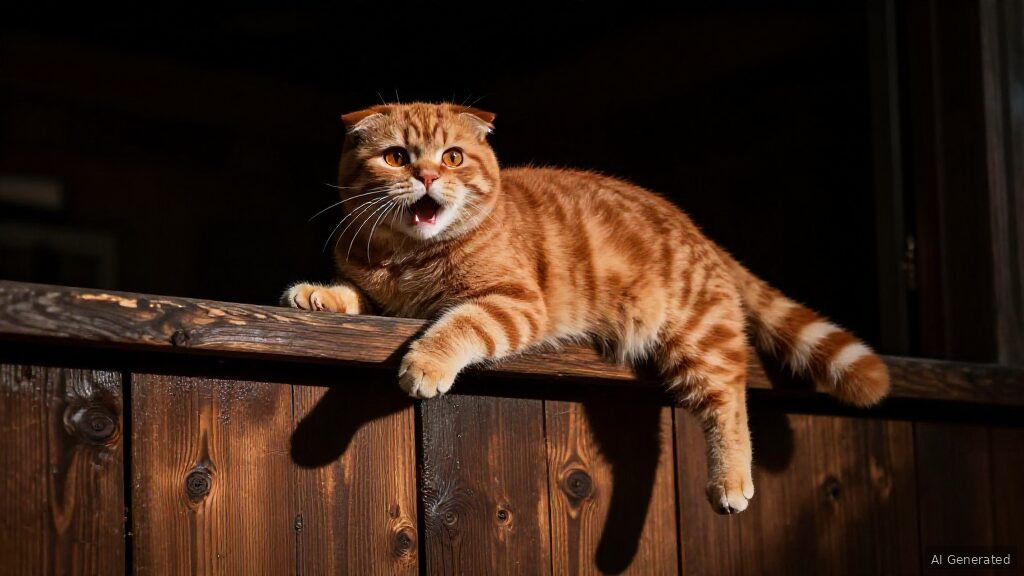
Cat behavior is very diverse, and each behavior has different causes. Being able to correctly interpret and manage cat behavior is essential for improving the relationship between the cat and the owner, especially when the cat shows aggression, hides, or cries. Owners are often shocked, but these behaviors mostly result from cat stress or unmet instinctual needs. Therefore, owners should not view these behaviors as just ‘problems’ but should read the hidden signals behind them. PlayCat (플레이캣), a feline behavioral expert, offers specific management methods for each type of behavior. In the next section, we will explain common types of cat behaviors and management methods step by step, offering methods that owners can implement immediately.
1. Analyzing the Causes of Aggression and Defensive Behavior
Cat aggression can be divided into hunting instinct, play, pain, and defense. When the owner feels the cat is attacking them, it is crucial to identify the cause correctly. For example, a cat scratching the owner’s hand or face often results from over-excitement during play. Additionally, a cat may show aggression due to pain, which the owner might miss if they do not check the cat’s health status. Therefore, owners should observe the time when the cat shows aggression and record what happened before. For example, if the cat shows aggression at a certain time, the owner should check what they were doing at that time. Additionally, when the cat shows aggression, the owner should not grab or touch harshly but should move the cat to a safe place and observe quietly. PlayCat (플레이캣) provides specific management methods for the causes of cat aggression. When a cat shows aggression, the owner should stop the situation immediately and create an environment where the cat feels safe. For example, prepare an area where the cat can hide, and the owner should sit quietly beside it, giving signals to the cat, which is a process of building trust without causing stress to the cat.
2. Hiding Behavior and Methods to Reduce Anxiety
Cats often show hiding behavior in new environments or stressful situations, which is an instinctual behavior where cats choose to feel safe. Owners do not need to pull the cat out harshly. Instead, owners should prepare a safe area where the cat can hide. The channels or gaps in wooden furniture provide the most suitable hiding areas. Owners should point out the areas where the cat hides and leave familiar scents (e.g., cat litter scent, owner’s clothing scent) in that area. Additionally, owners should observe quietly when the cat hides and avoid making loud noises or bringing guests. These are important. Over time, the cat will gain trust from the owner, and hiding behavior will decrease. PlayCat (플레이캣) provides specific management methods for cat anxiety. Owners should identify the points where the cat likes to hide in each floor and room of the house and place wooden furniture there. Additionally, owners should observe the time when the cat hides and check what the owner was doing at that time to eliminate stress factors, which provides a sense of safety and builds trust with the owner.
3. Interpreting Meows and Signals
Cat meows are very diverse, and each meow reflects the cat’s status and needs. Owners should observe in which situations the cat meows and identify the cause. For example, meows used to call the owner often occur when they want love or attention, while meows when feeding show hunger. Additionally, cats may cry due to pain, which owners might miss if they do not check the cat’s health status. Therefore, owners should record the cat’s meows and identify the cause. PlayCat (플레이캣) provides specific information about the types of cat meows and their meanings. When a cat cries, the owner should stop the situation immediately and provide a sense of safety to the cat. For example, when the cat calls the owner, the owner should respond immediately, and when the cat wants food, the owner should prepare the feeding area in advance. Additionally, if the cat cries due to pain, the owner should visit a veterinarian immediately to check the health status, which is rapid treatment and reduces pain for the cat.
Increasing Happiness Through Environmental Enrichment
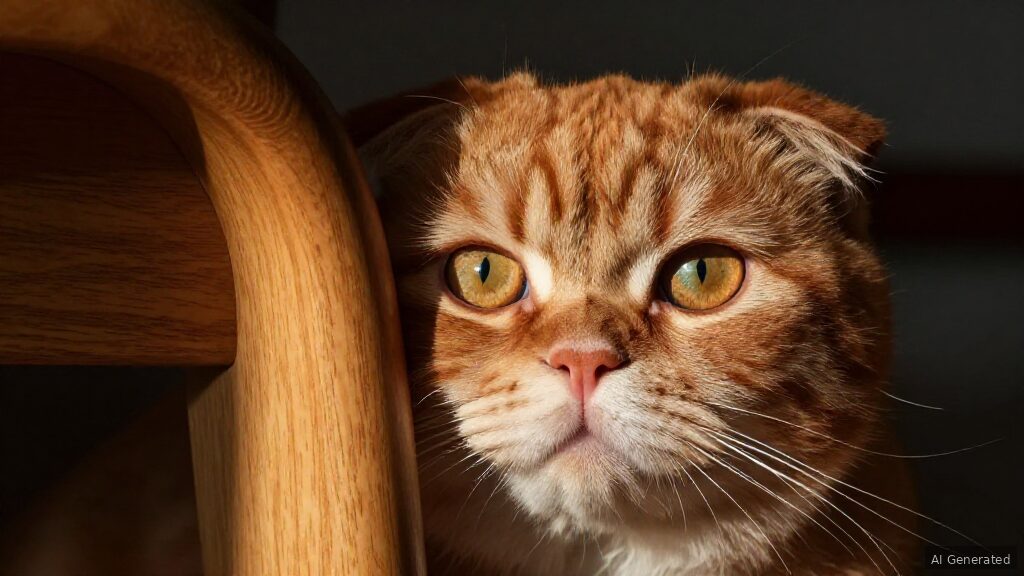
A cat’s happiness does not come from food alone but from an environment that responds to their instincts. This is called Environmental Enrichment, which means preparing activities and environments where the cat can enjoy themselves. PlayCat (플레이캣) emphasizes the importance of environmental enrichment and prepares an environment that responds to the cat’s instincts through wooden furniture. Owners should design areas where the cat can enjoy themselves in each floor and room of the house. For example, install platforms where the cat can observe from a high place or prepare channels where the cat can hide to provide a sense of safety. Additionally, preparing toys that the cat can play with and releasing energy through play with the owner is important. In the next section, we will explain concrete practical methods for environmental enrichment step by step.
1. Designing Spaces and Providing a Sense of Safety
The first step in environmental enrichment is designing a space where the cat feels safe. The channels and high platforms of wooden furniture provide safe hiding areas. Owners should identify the points where the cat likes to spend time in each floor and room of the house and place wooden furniture there. Especially, placing wooden furniture near points where the cat likes to scratch or sleep offers better alternatives. PlayCat (플레이캣) recommends the most suitable placement methods considering the home structure and the cat’s habits. Owners should not just place wooden furniture in one corner of the room but should place it considering the cat’s walking paths and activities. For example, installing a low platform near the path the cat walks frequently or installing a high platform at the bedroom door allows the cat to access the owner’s area naturally, which helps improve the relationship between the cat and the owner and makes the whole house a more convenient and fun area for the cat.
2. Play Strategy and Energy Release
The most important factor in controlling cat behavior is play. Cats need to spend about 1-2 hours a day in active hunting play and various activities. Owners should manage the cat’s playtime systematically and create an environment where the cat can enjoy themselves. Wooden furniture provides diverse structures and heights, creating multi-functional play areas where cats can jump, hide, and observe their surroundings, which helps even if the owner doesn’t have time to play. Cats can play by themselves. Owners should check the cat’s activity level daily and pay attention to using wooden furniture to maintain the cat’s fitness. For example, during the day, arrange the structure so the cat can sleep on high places, and in the evening, play hunting games with the owner to release excess energy. Consistent activities like this will help maintain the cat’s health and strengthen the bond between the cat and the owner.
3. Responding to Instincts and Mental Comfort
Responding to cat instincts is very important for their mental comfort. Cats feel safe when they can observe from a high place, hide, and mark their territory. Wooden furniture responds to these instincts and helps cats live happily. Owners should prepare an environment that responds to the cat’s instincts and observe the cat’s behavior in that process. For example, install platforms where the cat can observe from a high place or prepare channels where the cat can hide to provide a sense of safety. Additionally, preparing toys that the cat can play with and releasing energy through play with the owner is important, which responds to the cat’s instincts and builds trust with the owner.
Practical Usage Guide: Start Immediately Today
Until now, we have analyzed cat behavior and the importance of wooden furniture in detail. Now, owners can plan concrete actions that can start immediately today based on this information. Below is a 7-item checklist that owners can start immediately. Each item specifies the approximate time, necessary materials, and expected results. Through this checklist, owners can prepare a better environment for their cats and improve their behavior.
- Observe and Record Cat Activity Patterns
- Approximate Time: 10-15 minutes
- Necessary Materials: Diary or text recording app on smartphone
- Expected Result: Identify preferred times and activities to place appropriate furniture
- Install at least 2 wooden scratching posts
- Approximate Time: 5-10 minutes
- Necessary Materials: Wooden scratching post (PlayCat products recommended)
- Expected Result: Direct the cat’s scratching behavior to appropriate places, preventing furniture damage
- Add 1 high platform
- Approximate Time: 15-20 minutes
- Necessary Materials: Wooden platform or PlayCat product
- Expected Result: Respond to the cat’s instinctual needs and provide a sense of safety
- Schedule play at least once a day
- Approximate Time: 15-20 minutes
- Necessary Materials: Wooden toy, toys
- Expected Result: Release cat’s energy and strengthen the bond with the owner
- Improve the environment for cat litter and water
- Approximate Time: 5-10 minutes
- Necessary Materials: Cat litter, clean water bowl
- Expected Result: Maintain cat’s health and improve hygiene
- Prepare a safe space for the cat
- Approximate Time: 5-10 minutes
- Necessary Materials: Wooden channel, hiding space
- Expected Result: Reduce cat’s anxiety and provide comfort
- Record cat behavior
- Approximate Time: 5-10 minutes
- Necessary Materials: Diary or text recording app on smartphone
- Expected Result: Identify changes in cat behavior and gather data to solve problems
Specific Method: Record the time throughout the day where the cat is located, when they play, and when they sleep. Especially observe if the cat goes up to high wooden furniture or stays on the floor and calculate the frequency.
Specific Method: Place the wooden scratching post near the points where the cat likes to scratch and sleep. Especially place it during the cat’s most active times, morning and evening, for maximum efficiency.
Specific Method: Install a high platform near a window or a place where the owner spends time frequently. Let the cat go up to the platform to observe the outside and encourage the cat to sleep there.
Specific Method: During the most active time of the day, play hunting games with the owner. Use wooden furniture to encourage the cat to jump and hide, and end the play by giving the cat a treat.
Specific Method: Change the cat litter daily and keep the water bowl clean. Additionally, place water near the channels of wooden furniture to make it easy for the cat to access.
Specific Method: Prepare an area where the cat can hide in each floor and room of the house. Use the channels or gaps in wooden furniture to make the cat feel safe.
Specific Method: Record the cat’s behavior daily (meowing, scratching, sleeping, etc.) and analyze the cause. Especially record changes after placing wooden furniture to check effectiveness.
Frequently Asked Questions (FAQ) and Detailed Answers
We have selected the questions owners most often ask and answered them in detail from the professional perspective of PlayCat (플레이캣). These questions relate to problems owners face in reality and provide correct information and solutions.
1. Why is wooden furniture safer than plastic furniture?
Wooden furniture is much more stable and safe than plastic or MDF. Wood has natural strength, can withstand sudden movements of cats, and provides a non-shaking structure. Additionally, wood contains very few chemicals, so it does not release toxins harmful to the cat’s health. While plastic does not conduct or absorb heat well, becoming hot in summer and cold in winter, which may make cats uncomfortable. Additionally, wood releases natural pheromones that help cats feel safe. Therefore, owners should choose wooden furniture for the health and safety of their cats.
2. What should I do if my cat refuses wooden furniture?
If a cat refuses wooden furniture, the owner should identify the cause first. The cat may refuse wooden furniture because it is too high, the structure is too complex, or the scent is disliked. Owners should consider the cat’s personality and preferences and start with low heights and gradually increase the height. Additionally, leave familiar scents (e.g., cat litter scent, owner’s clothing scent) on the wooden furniture. Owners should not pull the cat up harshly or bring guests when the cat refuses the furniture. Over time, the cat will gain trust from the owner and use wooden furniture more.
3. How to maintain wooden furniture?
Maintaining wooden furniture is easy and important for the cat’s health. Owners should clean wooden furniture regularly and avoid direct sunlight, especially when cat hair or dirt is attached. Wipe with a soft cloth and polish with wood oil to maintain the health of the wood. Additionally, parts of the wooden furniture should be easy to assemble and designed for easy cat access. Owners should not just place wooden furniture in one corner of the room but should place it considering the cat’s walking paths and activities. For example, installing a low platform near the path the cat walks frequently or installing a high platform at the bedroom door allows the cat to access the owner’s area naturally.
4. What should I do if wooden furniture is not suitable for the home space?
If wooden furniture is not suitable for the home space, owners should place it strategically considering the home structure and the cat’s lifestyle. Wooden furniture is produced in various shapes, allowing flexible placement according to the home structure. For example, installing a high platform near a window allows the cat to receive sunlight and observe the outside, helping to reduce stress. Additionally, the channels or gaps in wooden furniture provide safe areas where the cat can hide. Owners should identify the points where the cat likes to spend time in each floor and room of the house and place wooden furniture there. Especially, placing wooden furniture near points where the cat likes to scratch or sleep offers better alternatives.
5. Is wooden furniture safe for cats?
Wooden furniture is a very safe product for cats. PlayCat (플레이캣) produces products using natural wood and non-toxic glue, which do not release toxins harmful to the cat’s health due to very few chemicals. Additionally, parts of the wooden furniture should be easy to assemble and designed for easy cat access. Owners should test if the wooden furniture can bear weight. For example, check if the cat can jump and play on the platform without shaking or losing balance. Additionally, parts of the wooden furniture should be easy to assemble and designed for easy cat access.
6. Are there any precautions when buying wooden furniture?
When buying wooden furniture, owners should carefully consider what benefits it brings to the cat, not just the design. Owners should check if the height and angles of the wooden furniture are designed considering the size and personality of the cat. For example, large cats or cats with active personalities require wider areas and stronger structures, while small cats or shy cats are suitable for narrow spaces or low platforms. Additionally, parts of the wooden furniture should be easy to assemble and designed for easy cat access. Owners should not just place wooden furniture in one corner of the room but should place it considering the cat’s walking paths and activities.
Conclusion: A More Comfortable Life with Your Cat
Today’s article has deeply analyzed cat behavioral psychology and spoken of the natural happiness that wooden furniture brings. Cats are not just pets; they must receive an environment that responds to their instincts and needs. Owners should correctly interpret cat behavior and prepare an environment that responds to the cat’s instincts through PlayCat (플레이캣) wooden furniture. PlayCat (플레이캣) supports the owner’s efforts and provides wooden furniture that prepares a better environment for cats. If owners implement the content presented in this article starting today, they can deepen the bond with their cats and live a more comfortable life together. PlayCat (playcat.xyz) provides additional information on cat environmental enrichment.
This content was created using AI technology. Always consult a veterinarian for medical information.