


Why does a cat only sleep in certain corners and prefer certain sounds? Many guardians notice their cat’s subtle behavioral changes, but often experience stress because they fail to properly understand the underlying environmental factors and instinctual drives. In this article, we scientifically analyze feline behavioral psychology and deeply explore how to create an optimal environment that satisfies their natural instincts—specifically, the importance of solid wood furniture. From the expert perspective of PlayCat (플레이캣), we connect feline ethology theory with real-world cases from guardians to provide practical and concrete guidance so your feline companion can lead a healthy and happy life. By reading this, you will move beyond simple pet ownership to accurately identify your cat’s ‘needs’ as their ‘owner’ and form a deeper bond through behavioral enrichment (Environmental Enrichment).
In-depth Analysis of Feline Daily Behavior Patterns: Why They Act That Way
When observing a cat’s behavior, it is easy to simply label them as ‘unfriendly’ or ‘problematic,’ but this is often the result of a complex interplay of individual personality, past experiences, and current environment. The relationship with the guardian and the spatial arrangement significantly impact the cat’s psychology. For example, a cat repeatedly meowing at specific times or chewing on specific objects is not just play; it may be an instinctual expression of energy release or anxiety relief. Therefore, guardians must accurately read the signals hidden behind these behaviors and provide environmental elements to solve them. Natural materials like solid wood furniture stimulate a cat’s paw pads and maintain a temperature more appropriate than flooring or the ground, providing optimal conditions for rest. For the guardian, understanding the cat’s behavior patterns is the first step in solving all problems, which can drastically improve the quality of coexistence within the home. Below, we explain specific behavior types and their causes in detail step-by-step.
1. The Essential Reasons for Sleeping Spot Selection and Sleep Habits
Cats are animals that spend about 14 to 16 hours a day sleeping, requiring much more sleep than humans. This is not just simple rest; it is an energy-saving strategy for survival and an instinctual behavior to protect themselves from external threats. Cats primarily hide and sleep in high, safe places, which is a genetic inheritance of their wild ancestors’ instinct to choose trees or cliffs to protect themselves from predators. Furthermore, cats keenly detect surrounding sounds and vibrations even during sleep, preparing their bodies to react to sudden movements. Therefore, the height and stability of the sleeping area provided by the guardian are directly linked to the cat’s psychological well-being. For example, high places or narrow holes in solid wood furniture satisfy these instincts and play a decisive role in inducing deep sleep. If the guardian simply provides a small toy next to the bed as a sleeping spot, the cat may feel anxious and have difficulty falling asleep or wake up frequently. Therefore, to improve a cat’s sleep habits, it is essential to provide the ‘high places’ and ‘safe hiding spots’ they prefer. This is not merely a matter of preference but a scientific approach to maintaining the optimal physiological state for the cat.
2. The Meaning of Scratching Behavior and Environmental Solutions
Many guardians try to forbid their cats from scratching furniture, but this is a misguided approach that suppresses the cat’s natural instincts. Cats must stretch the muscles in their paw pads to keep their claws sharp, and this process includes shedding the skin attached to the claws, which is part of the scratching behavior. Additionally, scratching is a behavior for marking territory; it is also the process of leaving pheromones in the wave-shaped (vibrisse) scent glands on the cat’s paw pads. If the guardian tries to stop the cat from scratching, the cat may feel frustrated and move the behavior to other places like walls or curtains, or in severe cases, show aggression. Therefore, instead of trying to stop the scratching behavior, the guardian should provide appropriate alternatives that the cat prefers. In particular, natural textures like tree bark help maintain the cat’s claws in good health and satisfy the satisfaction felt during the scratching process. Solid wood furniture provides this natural texture, offering the cat optimal exercise and territory marking space. The guardian can observe the time of day and frequency when the cat starts scratching and place solid wood scratching posts during those times to prevent behavioral problems in advance. This is not just about purchasing items but a process of understanding and respecting the cat’s instincts.
3. The Importance of Play and Activity Control
Cats are animals with strong hunting instincts and need to dedicate about 1 to 2 hours a day to active hunting play and activity. If the guardian stays home for long periods, the cat may become exhausted and show aggression toward the guardian. This is the result of stress building up due to excessive energy not being released. Therefore, the guardian must systematically manage the cat’s playtime and create an environment where the cat can enjoy it. Solid wood furniture provides various structures and heights, offering a multi-functional play space where the cat can jump, hide, and observe. This helps the cat enjoy play on its own even if the guardian lacks time to play directly. The guardian should check the cat’s activity level daily and pay attention to maintaining the cat’s stamina using solid wood furniture. For example, it is ideal to provide a structure where the cat can climb high and hide during the day, and release remaining energy through hunting play with the guardian in the evening. Such consistent activity helps maintain the cat’s health and strengthens the bond with the guardian. Ultimately, controlling a cat’s activity level is not just exercise but a core element of providing the mental stimulation the cat needs.
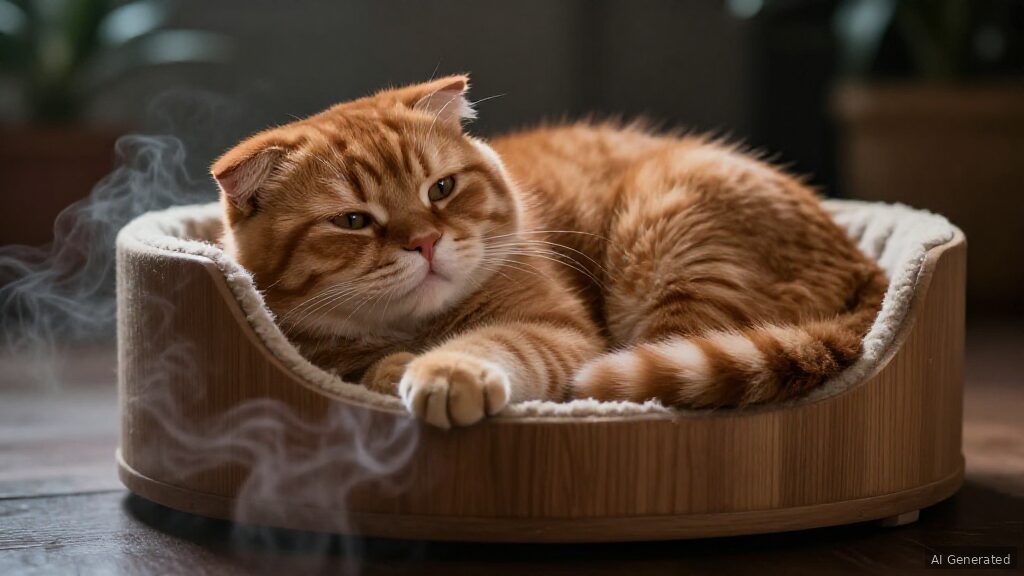
Selection Criteria and Usage Effects of Cat Solid Wood Furniture
One of the most important elements in creating a good environment for a cat is the material and structure of the furniture. While various cat furniture made of plastic, plywood, artificial leather, and other materials are released in modern society, experts still recommend natural materials, especially solid wood furniture. This is because the unique physical and chemical properties of solid wood best satisfy the cat’s physiological and psychological needs. PlayCat (플레이캣) has developed products optimized for cats by scientifically analyzing the advantages of solid wood furniture. When a guardian chooses solid wood furniture, they should consider specifically what benefits it provides to the cat rather than deciding solely based on design. Wood’s grain texture stimulates the cat’s paw pads, developing their senses, and the wood’s temperature changes appropriately with the seasons, aiding the cat’s temperature regulation. Additionally, wood naturally releases pheromones, helping the cat feel a sense of security. Below, we explain the specific advantages of solid wood furniture and considerations for selection step-by-step.
1. Physiological Benefits of Natural Materials
The biggest reason solid wood furniture is superior to plastic or plywood is its characteristic as a natural material. Cats have sensitive sensory organs on their paw pads, so the texture felt along the wood grain feels very comfortable. This stimulates the cat’s sensory organs, improving their motor skills and enhancing psychological stability. In particular, wood retains moisture and maintains temperature appropriately, feeling cool in summer and warm in winter. In contrast, plastic conducts or absorbs heat poorly, becoming hot in summer and cold in winter, which can cause discomfort to the cat. Additionally, wood has a natural scent that helps the cat feel a sense of security through smell. Guardians can find the reason why cats prefer solid wood furniture in these natural characteristics. PlayCat (플레이캣) utilizes the power of nature to the fullest to create furniture that satisfies the cat’s instincts. When a guardian chooses solid wood furniture, it is important to check the type of wood (e.g., cedar, oak) and the processing method. Products using a lot of synthetic adhesives may release chemical substances harmful to the cat’s health, so it is essential to choose products made with natural wood and non-toxic adhesives. This is not just a matter of preference but a scientific approach to protecting the cat’s health.
2. Structural Stability and Durability
Cats enjoy jumping from high places. Therefore, the furniture the guardian chooses must have structural stability that does not shake during jumping and landing from high places. Solid wood is lighter than metal or plastic but has high strength, allowing it to withstand the cat’s sudden movements. In particular, the height and angle of the furniture the guardian chooses should be designed considering the cat’s body size and personality. For example, large cats or active cats need wider platforms and sturdier structures, while small cats or shy cats are more suitable for narrow holes or low platforms. PlayCat (플레이캣) designs the optimal structure for each product, considering the various characteristics of cats. When a guardian chooses solid wood furniture, it is good to test whether the product can withstand the load. For example, you should check if the cat maintains balance without shaking when jumping and playing on the platform. Additionally, each part of the solid wood furniture should be designed for easy assembly and easy access for the cat. The guardian must carefully check if the cat can freely move around the furniture, hide, and observe. This is not just a safety issue but an important element in forming the cat’s behavioral patterns.
3. Space Utilization and Placement Strategy
When placing cat furniture, it must be placed strategically considering the home’s space and the cat’s lifestyle patterns. Solid wood furniture is produced in various forms, allowing flexible placement according to the home’s structure. For example, installing a high platform near a window allows the cat to receive sunlight and observe the outside, helping to reduce stress. Additionally, the holes and gaps in solid wood furniture provide a safe space for the cat to hide. The guardian should identify where the cat frequently stays in each floor and room of the home and place solid wood furniture there. In particular, placing solid wood furniture near where the cat frequently scratches or sleeps can offer the cat a better alternative. PlayCat (플레이캣) suggests optimal placement methods considering the home’s structure and the cat’s habits. The guardian should not place solid wood furniture simply in a corner of a room but should place it considering the cat’s movement routes and activity areas. For example, you can place a low platform near the path the cat frequently walks or install a high platform at the entrance of the bedroom so the cat can naturally access the guardian’s territory. This improves the relationship between the cat and the guardian and makes the entire home a more convenient and enjoyable space for the cat.
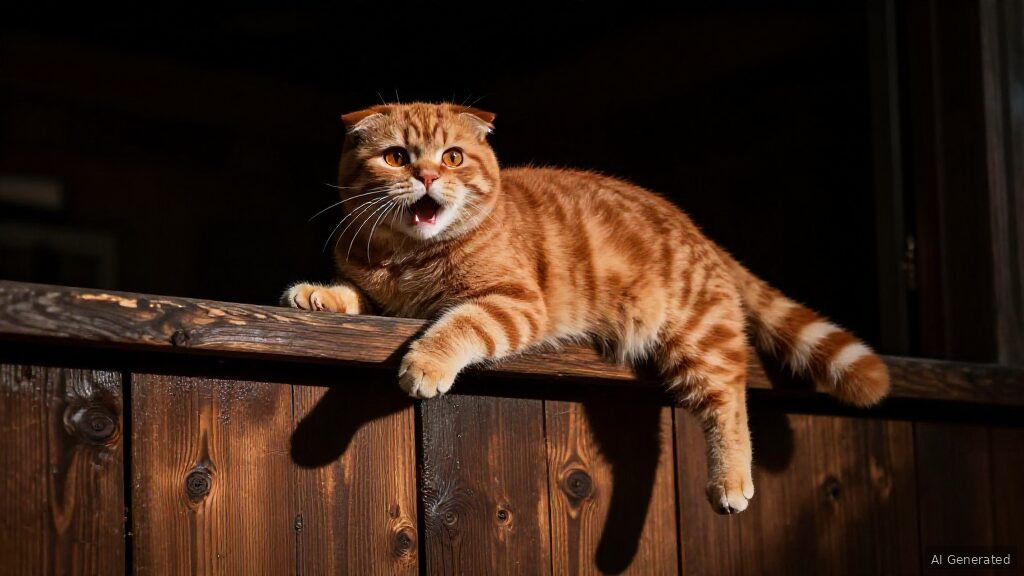
Types of Cat Behavior and Coping Methods: Step-by-Step Guide
Feline behavior is very diverse, and each behavior has a different reason behind it. Correctly interpreting and coping with the cat’s behavior is essential for improving the relationship between the cat and the guardian. In particular, when a cat shows aggression, hides, or meows loudly, the guardian may easily panic. However, these behaviors mostly occur because the cat is stressed or their instinctual needs are not met. Therefore, it is important for the guardian not to simply view the cat’s behavior as a ‘problem’ but to read the signals hidden behind it. PlayCat (플레이캣)’s experts provide specific coping methods for each behavior type based on feline ethology. Below, we explain representative feline behavior types and their coping methods step-by-step, providing methods that guardians can immediately implement.
1. Analysis of Causes of Aggression and Defensive Behavior
A cat’s aggression is broadly divided into hunting instinct, play, pain, and defensive aggression. When a guardian feels the cat is attacking them, they must first accurately identify the cause. For example, a cat scratching the guardian’s hand or face often occurs due to over-excitement during play. Additionally, a cat may show aggression due to pain, which is easy to miss if the guardian does not check the cat’s health status. Therefore, it is important for the guardian to observe the timing of the cat’s aggression and record what happened immediately before. For example, if the cat shows aggression at a specific time of day, the guardian should check what activity they were doing at that time. Additionally, when a cat shows aggression, the guardian should not force them to touch or hold them but immediately move them to a safe place and observe quietly. PlayCat (플레이캣) provides specific methods for identifying and coping with the causes of a cat’s aggression. When a cat shows aggression, the guardian should immediately stop the situation and create an environment where the cat can calm down. For example, it is good to provide a space where the cat can hide and sit quietly next to the cat to give them a signal. This is a process of gradually building trust without causing stress to the cat.
2. Hiding Behavior and Anxiety Relief Methods
Cats frequently show hiding behavior in new environments or stressful situations. This is an instinctual behavior the cat chooses to feel safe, and the guardian does not need to forcibly pull them out. Instead, the guardian should provide a safe space for the cat to hide. The holes and gaps in solid wood furniture provide the optimal space for the cat to hide. The guardian should find the space where the cat hides and leave scents familiar to the cat (e.g., cat litter scent, guardian’s clothes scent) in that space. Additionally, it is important for the guardian to observe quietly while the cat is hiding and not make sudden noises or bring guests over. Over time, the cat can gain the guardian’s trust and gradually reduce hiding behavior. PlayCat (플레이캣) provides specific methods for relieving a cat’s anxiety. To reduce hiding behavior, the guardian should identify where the cat frequently hides in each floor and room of the home and place solid wood furniture there. Additionally, the guardian should observe the time the cat hides and check what activity the guardian was doing at that time to remove stress factors. This is an important element in giving the cat a sense of security and building trust with the guardian.
3. Meowing Sounds and Signal Interpretation
Cat meowing sounds are very diverse, and each meow indicates the cat’s state and needs. The guardian should observe when the cat meows in various situations and identify the cause. For example, a cat’s meow when calling the guardian occurs when they want love or attention, and a cat’s meow when being fed indicates hunger. Additionally, a cat may meow due to pain, which is easy to miss if the guardian does not check the cat’s health status. Therefore, it is important for the guardian to record the cat’s meowing sounds and identify the cause. PlayCat (플레이캣) provides specific information about the types of cat meowing sounds and their meanings. When a cat meows, the guardian should immediately stop the situation and provide the cat with a sense of security. For example, when a cat calls the guardian, the guardian should respond immediately, and when a cat wants food, it is good to prepare a space where food can be given in advance. Additionally, if a cat meows due to pain, the guardian should immediately visit a veterinarian to check the health status. This is an important element in receiving prompt treatment for the cat and reducing their pain.
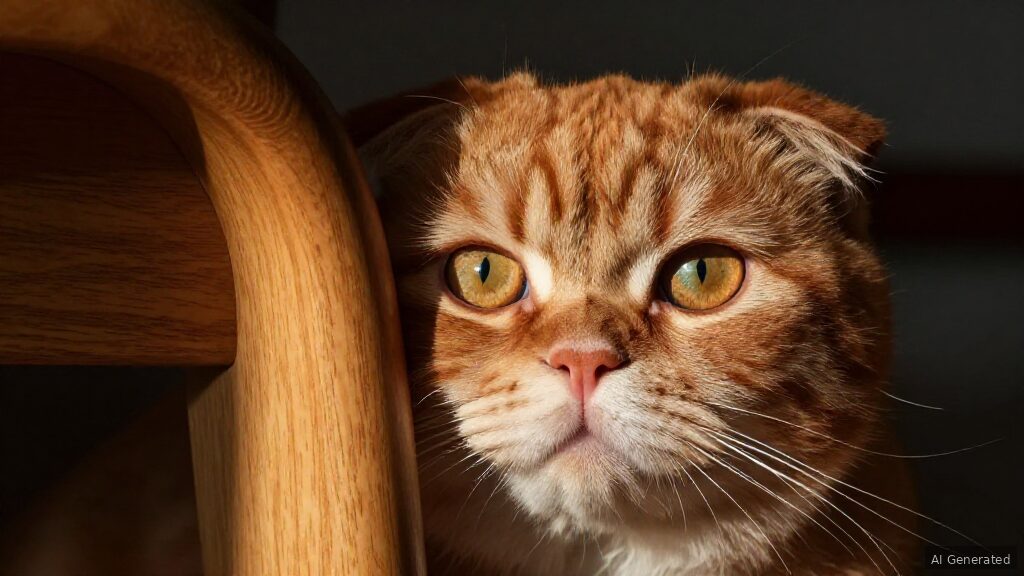
Enhancing Happiness Through Behavioral Enrichment (Environmental Enrichment)
A cat’s happiness comes not from simple food but from an environment that satisfies their instincts. This is called Behavioral Enrichment (Environmental Enrichment), which means providing activities and environments that the cat can naturally enjoy. PlayCat (플레이캣) emphasizes the importance of behavioral enrichment and creates an environment that satisfies the cat’s instincts through solid wood furniture. To achieve behavioral enrichment, the guardian should design spaces where the cat can enjoy themselves in each floor and room of the home. For example, installing a platform where the cat can observe from a high place or providing a hole where the cat can hide provides a sense of security. Additionally, it is important to place toys where the cat can play and release energy through play with the guardian. Below, we explain specific practical methods for behavioral enrichment step-by-step.
1. Space Design and Providing Security
The first step in behavioral enrichment is designing a space where the cat can feel a sense of security. The high platforms and holes of solid wood furniture provide a safe space for the cat to hide. The guardian should identify where the cat frequently stays in each floor and room of the home and place solid wood furniture there. In particular, placing solid wood furniture near where the cat frequently scratches or sleeps can offer the cat a better alternative. PlayCat (플레이캣) suggests optimal placement methods considering the home’s structure and the cat’s habits. The guardian should not place solid wood furniture simply in a corner of a room but should place it considering the cat’s movement routes and activity areas. For example, you can place a low platform near the path the cat frequently walks or install a high platform at the entrance of the bedroom so the cat can naturally access the guardian’s territory. This improves the relationship between the cat and the guardian and makes the entire home a more convenient and enjoyable space for the cat.
2. Play and Energy Release Strategies
The most important element in controlling a cat’s behavior is play. Cats need to dedicate about 1 to 2 hours a day to active hunting play and activity. The guardian must systematically manage the cat’s playtime and create an environment where the cat can enjoy it. Solid wood furniture provides various structures and heights, offering a multi-functional play space where the cat can jump, hide, and observe. This helps the cat enjoy play on its own even if the guardian lacks time to play directly. The guardian should check the cat’s activity level daily and pay attention to maintaining the cat’s stamina using solid wood furniture. For example, it is ideal to provide a structure where the cat can climb high and hide during the day, and release remaining energy through hunting play with the guardian in the evening. Such consistent activity helps maintain the cat’s health and strengthens the bond with the guardian.
3. Instinct Satisfaction and Psychological Stability
Satisfying a cat’s instincts is very important for their psychological stability. Cats feel a sense of security by observing from a high place, hiding, and marking their territory. Solid wood furniture satisfies these instincts, helping the cat live happily. The guardian should create an environment where the cat can satisfy their instincts and observe the cat’s behavior during the process. For example, installing a platform where the cat can observe from a high place or providing a hole where the cat can hide provides a sense of security. Additionally, it is important to place toys where the cat can play and release energy through play with the guardian. This satisfies the cat’s instincts and is an important element in building trust with the guardian.
Practical Application Guide: Actions You Can Start Today
We have deeply explained the importance of cat behavior and solid wood furniture. Now, based on this information, the guardian can create a concrete action plan that can be implemented immediately starting today. Below is a checklist of 7 items that the guardian can start immediately, with estimated time required, required items, and expected effects recorded for each item. Through this checklist, the guardian can provide a better environment for the cat and improve the cat’s behavior.
- Observation and Recording of Cat’s Activity Patterns
- Estimated Time Required: 10-15 minutes
- Required Items: Diary or smartphone memo app
- Expected Effect: Understanding the cat’s activity time and preferred spaces for optimal furniture placement.
- Placement of 2 or More Solid Wood Scratching Posts
- Estimated Time Required: 5-10 minutes
- Required Items: Solid wood scratching post (PlayCat products recommended)
- Expected Effect: Guiding the cat’s scratching behavior to appropriate places to prevent furniture damage.
- Installation of 1 High Platform
- Estimated Time Required: 15-20 minutes
- Required Items: Solid wood platform or PlayCat product
- Expected Effect: Satisfaction of the cat’s instinctual needs and provision of psychological security.
- Scheduling at Least 1 Cat Play Session
- Estimated Time Required: 15-20 minutes
- Required Items: Solid wood play equipment, toys
- Expected Effect: Release of the cat’s energy and strengthening of the bond with the guardian.
- Improvement of Cat Litter and Water Intake Environment
- Estimated Time Required: 5-10 minutes
- Required Items: Cat litter, clean water bowl
- Expected Effect: Maintenance of cat health and improvement of hygiene management.
- Providing a Safe Space for the Cat
- Estimated Time Required: 5-10 minutes
- Required Items: Solid wood hole, hiding space
- Expected Effect: Relief of the cat’s anxiety and psychological stability.
- Writing a Cat Behavior Diary
- Estimated Time Required: 5-10 minutes
- Required Items: Diary or smartphone memo app
- Expected Effect: Understanding changes in the cat’s behavior and securing data for problem solving.
Specific Method: Record the time throughout the day where the cat stays, when they play, and when they sleep. In particular, observe whether the cat climbs up to a high place like solid wood furniture or stays on the floor and calculate the frequency.
Specific Method: Place solid wood scratching posts near where the cat frequently scratches and where they sleep. In particular, place them during the most active times of the cat, morning and evening, to maximize effectiveness.
Specific Method: Install a high platform near the window of the home or where the guardian frequently stays. Allow the cat to climb onto the platform to observe the outside and encourage them to sleep there.
Specific Method: Once a day, conduct hunting play with the guardian during the cat’s most active time. Use solid wood furniture to encourage the cat to jump and hide, and conclude the play by giving the cat a treat.
Specific Method: Replace the cat’s litter daily and keep the water bowl clean. Additionally, place water near the holes of the solid wood furniture so the cat can easily access it.
Specific Method: Secure a space where the cat can hide in each floor and room of the home. Utilize the holes and gaps of the solid wood furniture to make the cat feel a sense of security.
Specific Method: Record the cat’s behavior (meowing, scratching, sleeping, etc.) daily and analyze the causes. In particular, record changes after placing solid wood furniture to verify the effects.
Frequently Asked Questions (FAQ) and Detailed Answers
We have selected the questions guardians are most curious about and provide detailed answers from the professional perspective of PlayCat (플레이캣). These questions are closely related to the problems guardians actually face and provide correct information and solutions.
1. Why is solid wood furniture safer than plastic furniture?
Solid wood furniture is much more stable and safe than plastic or plywood. Solid wood has high strength naturally and can withstand the cat’s sudden movements, providing a structure that does not shake. Additionally, solid wood has almost no chemical substances, so it does not release toxic substances harmful to the cat’s health. In contrast, plastic conducts or absorbs heat poorly, becoming hot in summer and cold in winter, which can cause discomfort to the cat. Additionally, wood naturally releases pheromones, helping the cat feel a sense of security. Therefore, the guardian is recommended to choose solid wood furniture for the cat’s health and safety.
2. What should I do if my cat refuses the solid wood furniture?
If a cat refuses solid wood furniture, the guardian must first identify the cause. Reasons why a cat refuses solid wood furniture may be that the height is too high, the structure is too complex, or the smell is unpleasant. The guardian is recommended to approach by starting with a low height and gradually increasing the height, considering the cat’s personality and preferences. Additionally, it is good to leave scents familiar to the cat (e.g., cat litter scent, guardian’s clothes scent) on the solid wood furniture. It is important for the guardian not to forcibly pull the cat up or bring guests over when the cat refuses the solid wood furniture. Over time, the cat can gain the guardian’s trust and gradually use the solid wood furniture.
3. What is the maintenance method for solid wood furniture?
Maintenance of solid wood furniture is very simple and is important for protecting the cat’s health. The guardian should regularly clean the solid wood furniture and avoid direct sunlight. In particular, if the cat’s fur or dirt gets on the solid wood furniture, wipe it with a soft cloth and finish with wood oil to maintain the health of the wood. Additionally, each part of the solid wood furniture should be designed for easy assembly and easy access for the cat. The guardian should not place solid wood furniture simply in a corner of a room but should place it considering the cat’s movement routes and activity areas. For example, you can place a low platform near the path the cat frequently walks or install a high platform at the entrance of the bedroom so the cat can naturally access the guardian’s territory.
4. What should I do if the solid wood furniture does not fit the space of my home?
If the solid wood furniture does not fit the space of the home, the guardian should place it strategically considering the home’s structure and the cat’s lifestyle patterns. Solid wood furniture is produced in various forms, allowing flexible placement according to the home’s structure. For example, installing a high platform near a window allows the cat to receive sunlight and observe the outside, helping to reduce stress. Additionally, the holes and gaps in solid wood furniture provide a safe space for the cat to hide. The guardian should identify where the cat frequently stays in each floor and room of the home and place solid wood furniture there. In particular, placing solid wood furniture near where the cat frequently scratches or sleeps can offer the cat a better alternative.
5. Is solid wood furniture safe for cats?
Solid wood furniture is a very safe product for cats. PlayCat (플레이캣) manufactures products using natural wood and non-toxic adhesives, so it does not release toxic substances harmful to the cat’s health due to almost no chemical substances. Additionally, each part of the solid wood furniture is designed for easy assembly and easy access for the cat. The guardian is recommended to test whether the product can withstand the load when choosing solid wood furniture. For example, you should check if the cat maintains balance without shaking when jumping and playing on the platform. Additionally, each part of the solid wood furniture should be designed for easy assembly and easy access for the cat.
6. What should I be careful of when purchasing solid wood furniture?
When purchasing solid wood furniture, the guardian should consider specifically what benefits it provides to the cat rather than deciding solely based on design. The guardian should check if the height and angle of the solid wood furniture are designed considering the cat’s body size and personality. For example, large cats or active cats need wider platforms and sturdier structures, while small cats or shy cats are more suitable for narrow holes or low platforms. Additionally, each part of the solid wood furniture should be designed for easy assembly and easy access for the cat. The guardian should not place solid wood furniture simply in a corner of a room but should place it considering the cat’s movement routes and activity areas.
Conclusion: A Happier Daily Life with Your Cat
Today’s article deeply analyzed feline behavioral psychology and addressed the essential happiness provided by solid wood furniture. Cats are not just simple pets; they must be provided with an environment that satisfies their instincts and needs. The guardian should correctly interpret the cat’s behavior and create an environment that satisfies their instincts through solid wood furniture. PlayCat (플레이캣) supports this guardian’s effort and provides solid wood furniture that can provide a better environment for the cat. If the guardian implements the content presented in this article starting today, they can form a deeper bond with the cat and spend a happier daily life together. Check for more feline behavioral enrichment information at PlayCat (playcat.xyz).
This content was created using AI technology. Always consult a veterinarian for medical-related information.