


5 Safe Indoor Plants to Grow with Your Cat: How to Prevent Toxicity Risks
While growing houseplants can greatly help calm the atmosphere and reduce stress for households with pets, choosing the wrong plant species can lead to fatal poisoning incidents. This article introduces 5 plants safe for cats and details essential plant toxicity prevention methods and environmental enrichment strategies that pet owners must know. Through this article, you will learn to recognize the dangers of toxic plants and acquire specific methods to observe and play with plants in a safe environment, even if your cat shows interest.
Why is caution needed when choosing plants for a home with a cat?
Analysis of Cat Poisoning Symptoms and Causes
Cats instinctively chew or tear at plants, which is one of their natural behavioral patterns. However, if a pet cat ingests a plant, it can lead to severe toxic reactions such as vomiting, diarrhea, oral inflammation, and even liver damage or respiratory distress. Some plants contain toxic alkaloids or saponins that irritate the gastrointestinal mucosa or disrupt the nervous system in cats. According to veterinary consultation records, emergency room visits due to plant ingestion at home are steadily increasing each year. This statistical trend suggests that plants must be carefully selected in environments where pets and plants coexist.
Psychological Interpretation of Cat Smell and Chewing Behavior
Cats have a much more sensitive sense of smell than humans, so they detect and start sniffing a new plant the moment it enters the house. Additionally, cats project the behaviors of ‘chasing’ and ’grabbing’ used when hunting birds or insects onto tearing at plants. This goes beyond simple curiosity; psychological factors are at play where the cat attempts to use plants as a means to expand their territory or relieve stress. Especially adult cats or kittens lacking outlets to release energy feel a sense of satisfaction as if they are hunting and dominating something by chewing on plants. Therefore, it is essential for pet owners to understand these instinctive behaviors of their cats and arrange safe plants that do not induce them.
Importance of Early Response and Prevention When Exposed to Toxic Plants
Immediately after a cat ingests a plant, mild symptoms such as vomiting or increased salivation may appear, but over time, symptoms may worsen or hidden long-term damage (e.g., kidney function decline) may occur. Therefore, it is most important to immediately identify the species of the plant when a cat chews on it, determine if it is toxic, and contact a veterinary clinic. As a preventive measure, it is recommended to arrange only plants safe for cats, place them in locations the cat cannot reach, or use plant guards. This is the most reasonable measure to protect the cat’s life and aligns with the principles of preventive medicine that prevent potential future veterinary treatment costs and pain.
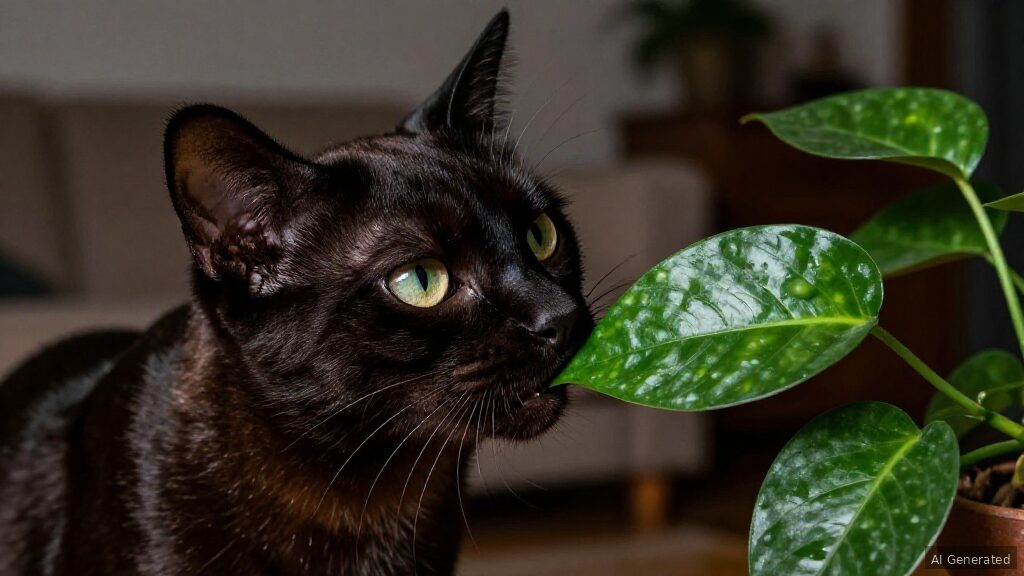
5 Plants Safe for Cats: Specific Features and Placement Methods
1. Areca Palm: Providing Air Purification and Visual Abundance
The Areca Palm is a representative tropical plant harmless to cats, and its broad leaves immediately make the indoor space feel wider, providing psychological stability. This plant not only improves air quality by absorbing carbon dioxide and releasing oxygen but is also an excellent environmental enrichment tool designed for cats to receive visual stimulation by observing the movement of the leaves. Additionally, because the Areca Palm grows well even near windows with low light, it is suitable for placement in areas where pet owners have high space utilization. However, if the leaves are too large and tall, they should be installed where the cat cannot reach, or a guard net should be installed on the floor to block access.
2. Spathiphyllum: A Plant Expecting High Effects with Low Maintenance
Spathiphyllum is commonly called ‘White Flower’ and is very beautiful when its white flower buds bloom, but it is harmless to cats, so you can grow it with peace of mind. This plant likes humidity, so it often does not grow well if pet owners do not water it frequently; in fact, regular watering is essential for its growth. Cats have a tendency to lick or bathe their leaves, and Spathiphyllum has a soft texture that does not cause cats to feel repulsed when touched. However, it is important to prevent cats from directly ingesting fertilizers or sterilizers in the soil by placing heavy objects on the bottom of the pot to keep it from tipping over.
3. Pachyphytum oviferum (Moon Cactus): A Rare Safe Choice Among Succulents
While most succulents are toxic or harmful to cats, Pachyphytum oviferum is exceptionally a succulent safe for cats. Its round leaves and unique shape stimulate a cat’s curiosity, but the plant’s surface is smooth and hard, so it does not cause significant damage when chewed. Pachyphytum oviferum must be placed in a bright place to grow well, and can be arranged on a pet owner’s table or windowsill to match the cat’s eye level. This allows the cat to feel harmlessness even when approaching the plant, and one can expect an environmental enrichment effect where the cat frequently walks around and explores the area.
4. Ivy (Hedera helix, Korean Name: Humulus) – Warning: Must Verify Toxicity
The ivy introduced below is a plant commonly called ‘Irish Ivy’, which is often misunderstood as safe for cats but is actually toxic and should absolutely not be grown. Including this plant, other ivy species can cause serious damage to a cat’s gastrointestinal tract and liver, and can induce vomiting, diarrhea, and even respiratory distress. Therefore, pet owners must accurately check the scientific name before purchasing plants and verify if they are on the ‘Cat Safe Plants’ list. If you are already growing them, remove them immediately or place them in a high location where the cat absolutely cannot reach, and it is recommended to use a cat-specific plant protection device for this.
5. Ficus benjamina: Pine-like Shape and Cat Safety
Ficus benjamina is an evergreen tree often grown indoors and is known to be safe for cats. This plant has branches that stretch long, which can induce cats to climb up or lift their legs, satisfying the cat’s instinct to utilize vertical space. Additionally, the leaves are densely clustered, serving as a hiding place for cats to hide, which stabilizes shy-natured cats. However, because Ficus benjamina grows quickly, regular pruning is required, and the scissors or blades used during this time can be sharp and dangerous to cats, so care must be taken during management.
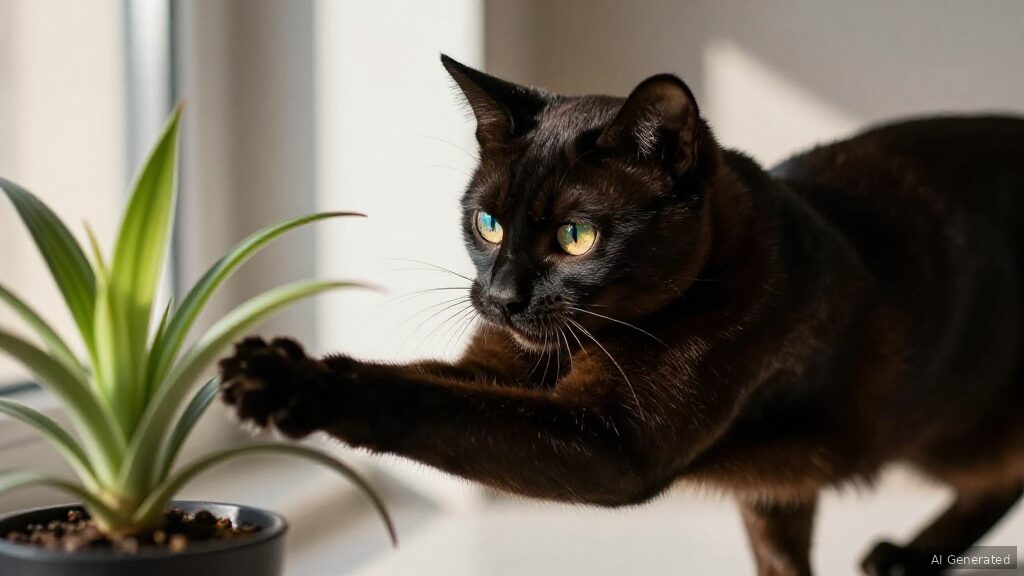
How to Identify Toxic Plants and Pre-Purchase Checklist
Importance of Scientific Name Search and ‘Cat Safe Plants’ Criteria
When purchasing plants, you must check both the species name (Common Name) and the scientific name (Scientific Name). Even with the same name, toxicity may vary depending on the species, and the scientific name is the most accurate identification method. For example, ‘Monstera deliciosa (Monstera)’ is toxic to cats, but ‘Pothos’ can also be toxic, so caution is needed. Before purchasing, make a habit of checking if the plant is included in the ‘Cat Safe Plants’ list by referring to internet searches or reliable animal behaviorology materials. This is the most basic and essential procedure to protect a cat’s life.
Comparison and Precautions for Toxic vs. Safe Plants
Pet owners must clearly distinguish between toxic and safe plants. Toxic plants can damage a cat’s liver and kidneys, and symptoms may not appear immediately after ingestion. On the other hand, safe plants are harmless even if chewed by cats and actually provide positive effects by reducing cat stress. The table below summarizes the toxicity status of major plants. Through this, pet owners can judge which plants to arrange in their space.
| Plant Name | Scientific Name | Cat Toxicity Status | Notes & Management Tips |
|---|---|---|---|
| Areca Palm | Dypsis lutescens | Harmless (Safe) | Broad leaves widen the view; prefers humid environments |
| Spathiphyllum | Spathiphyllum spp. | Harmless (Safe) | Stabilize by placing weight on the pot bottom to prevent tipping |
| Pachyphytum oviferum | Pachyphytum oviferum | Harmless (Safe) | Rarely safe among succulents; requires light |
| Irish Ivy | Hedera helix | Toxic | Never grow; risk of liver damage if cat ingests |
| Ficus benjamina | Ficus benjamina | Harmless (Safe) | Provides vertical space; requires regular pruning |
Final Verification Procedures and Precautions Before Purchase
Before purchasing plants, make a habit of searching for the scientific name and verifying if it is on the ‘Cat Safe Plants’ list. Additionally, fertilizers, sterilizers, and chemical substances in the soil included in plants sold by online shopping malls or plant specialists can also be harmful to cats, so these accessories should be removed before placing them where the cat cannot reach. Especially in homes with many young kittens or adult cats, it is recommended to place plants not at the cat’s eye level but on high shelves or where guard nets are installed. This is the most effective way to prevent cats from tearing at plants.
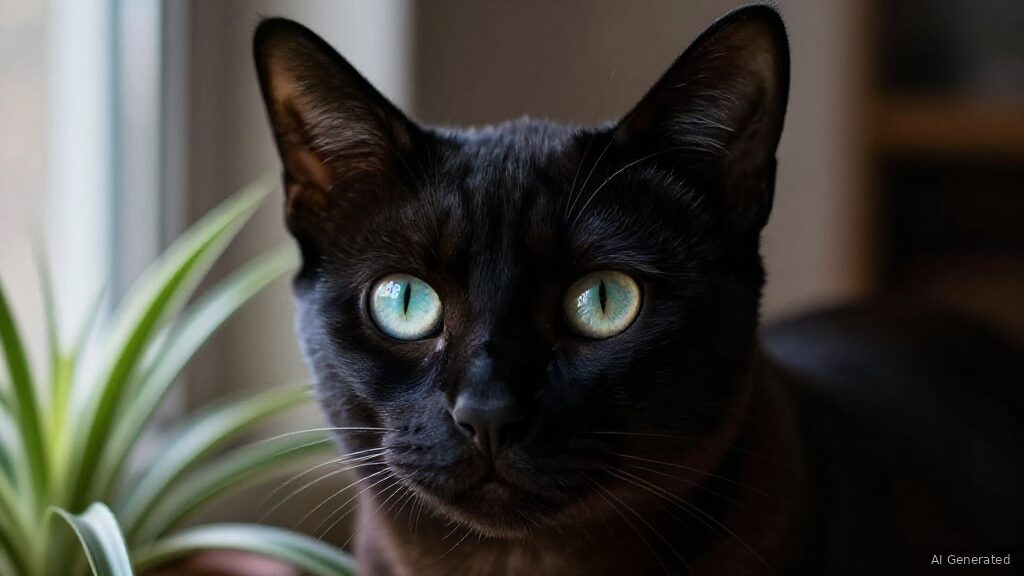
Plant Utilization Strategies and Practical Tips for Cat Environmental Enrichment
Reducing Cat Stress and Improving Behavior Through Plants
Cats react sensitively to new objects or environmental changes, which can induce stress. However, appropriate plants can help reduce cat stress and enrich their behavior. For example, plants with broad leaves like Areca Palm or Ficus benjamina serve as hiding places for cats to hide, providing stability. Additionally, the movement or scent of plants stimulates a cat’s senses, relieving boredom and inducing positive behaviors. This is part of the environmental enrichment strategy, a method for pet owners to provide a better environment for their cats.
How to Induce Interaction Between Cats and Plants
Inducing cats to observe and explore plants can be a joyful time for pet owners. By seeing the leaves move or smelling the scent, cats naturally walk around the plants. At this time, pet owners must be careful not to let cats tear too many plants, and it is better to gently stop them when they tear at plants and substitute them with other play tools. Additionally, placing plants in paths that cats frequently walk through can naturally induce interaction between cats and plants. This helps promote cats’ social behavior and exploration behavior.
Practical Methods Considering Cats During Plant Management
It is important to prevent cats from accessing plants during plant management. For example, when watering, be careful not to let cats spill water, and when pruning, use sharp scissors to ensure cats do not get injured. Additionally, it is recommended to properly organize space so plants do not become cramped as they grow, and to install guard nets so cats do not climb up and down. This is an effective method that ensures cat safety, helps healthy plant growth, and reduces the pet owner’s management burden.
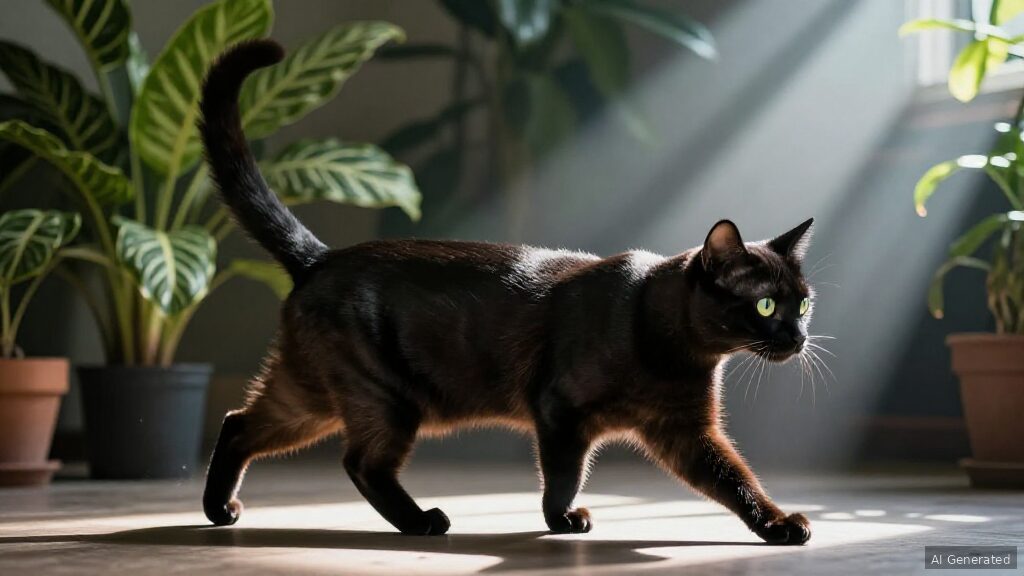
Advanced Information: Plant Management and Prevention Tips Needed for Both Beginners and Experienced Owners
Beginner Plant Management Guide: Easy Watering and Lighting Management
If you are a pet owner growing plants for the first time, you must first understand the importance of watering and lighting. Plants that like humidity, such as Areca Palm or Spathiphyllum, should be watered before the soil dries out and grow well near windows with low light. On the other hand, Ficus benjamina must be placed in a place with sufficient sunlight to grow well, and excessive water can cause root rot. Beginners must differ watering schedules and lighting positions according to plant types to maintain plant health. Additionally, it is important to observe the plant’s condition (leaf color, leaf shape, etc.) daily to detect abnormalities early.
Advanced Tips for Experienced Owners: Analyzing the Relationship Between Cat Behavior Changes and Plants
If you are a pet owner growing plants, it is good to analyze the relationship between cat behavior changes and plants. For example, if a cat frequently tears at or avoids a specific plant, this may be related to the plant’s scent, texture, or location. Additionally, the growth rate or leaf condition of the plant can also affect the cat’s reaction, and pet owners can understand the interaction between cats and plants through this. Experienced owners can create an environment where cats and plants coexist better by adjusting plant placement or management methods by analyzing cat behavior patterns.
Common Mistakes and Solutions: Preventing and Dealing with Plant Toxicity Accidents
The most common mistake is growing plants without knowing their toxicity. Pet owners must verify the scientific name and toxicity status before purchasing plants, and if already growing them, toxic plants must be removed immediately or placed where the cat cannot reach. Additionally, accessories such as plant fertilizers or sterilizers can also be harmful to cats, so it is recommended to remove them before placing. If a cat ingests a plant, immediately contact a veterinary clinic and check the plant type to receive appropriate first aid. This is the most important preventive measure to protect the cat’s life.
Practical Application Guide: Action Checklist You Can Do Starting Today
- Plant Inventory Check and Removal
- Estimated Time Required: 30 minutes
- Required Items: Plant list, toxic plant search materials
- Expected Effect: 100% removal of toxicity accident risk
- ‘Cat Safe Plants’ List Verification
- Estimated Time Required: 20 minutes
- Required Items: Internet, plant scientific name search engine
- Expected Effect: Secure only safe plants for purchase
- Optimized Plant Placement
- Estimated Time Required: 40 minutes
- Required Items: Plant guards, high shelves, guard nets
- Expected Effect: Block cat access and ensure safety
- Watering and Lighting Management Plan Formulation
- Estimated Time Required: 15 minutes
- Required Items: Water container, lighting position check tool
- Expected Effect: Maintain plant health and promote growth
- Cat Behavior Observation and Recording
- Estimated Time Required: 10 minutes/day
- Required Items: Diary, smartphone
- Expected Effect: Understand interaction between cat and plants and improve behavior
- Fertilizer and Sterilizer Removal and Management
- Estimated Time Required: 20 minutes
- Required Items: New soil, fertilizer (cat-safe products)
- Expected Effect: Prevent toxicity accidents caused by chemicals
- Veterinary Clinic Contact and Emergency Response Plan Formulation
- Estimated Time Required: 10 minutes
- Required Items: List of veterinary clinic phone numbers
- Expected Effect: Enable quick response in case of emergency
FAQ: Frequently Asked Questions and Answers About Cats and Plants
Q1. Is the Areca Palm really safe for cats?
The Areca Palm is known to be a safe plant for cats. This plant is non-toxic even if a cat chews or licks it, so it does not harm health. Additionally, the Areca Palm has broad leaves, making it an excellent environmental enrichment tool designed for cats to receive visual stimulation by observing leaf movement. However, if the leaves are too large and tall, they should be installed where the cat cannot reach, or a guard net should be installed on the floor to block access. This is the most basic measure to ensure cat safety.
Q2. Should I water Spathiphyllum frequently?
Spathiphyllum is a plant that likes humidity, so it is good to water it frequently. Water should be given before the soil dries out to maintain plant health, and pet owners often find that it does not grow well if they do not water it frequently. Cats have a tendency to lick or bathe their leaves, and Spathiphyllum has a soft texture that does not cause cats to feel repulsed when touched. However, it is important to prevent cats from directly ingesting fertilizers or sterilizers in the soil by placing heavy objects on the bottom of the pot to keep it from tipping over.
Q3. Are succulents safe for cats?
While most succulents are toxic or harmful to cats, Pachyphytum oviferum is exceptionally a succulent safe for cats. Its round leaves and unique shape stimulate a cat’s curiosity, but the plant’s surface is smooth and hard, so it does not cause significant damage when chewed. Pachyphytum oviferum must be placed in a bright place to grow well, and can be arranged on a pet owner’s table or windowsill to match the cat’s eye level. This allows the cat to feel harmlessness even when approaching the plant, and one can expect an environmental enrichment effect where the cat frequently walks around and explores the area.
Q4. Is Ivy (Humulus) safe for cats?
Irish Ivy (Hedera helix) is often misunderstood as safe for cats but is actually toxic and should absolutely not be grown. Including this plant, other ivy species can cause serious damage to a cat’s gastrointestinal tract and liver, and can induce vomiting, diarrhea, and even respiratory distress. Therefore, pet owners must accurately check the scientific name before purchasing plants and verify if they are on the ‘Cat Safe Plants’ list. If you are already growing them, remove them immediately or place them in a high location where the cat absolutely cannot reach, and it is recommended to use a cat-specific plant protection device for this.
Q5. Does Ficus benjamina like cats?
Ficus benjamina is known to be a safe plant for cats. This plant has branches that stretch long, which can induce cats to climb up or lift their legs, satisfying the cat’s instinct to utilize vertical space. Additionally, the leaves are densely clustered, serving as a hiding place for cats to hide, which stabilizes shy-natured cats. However, because Ficus benjamina grows quickly, regular pruning is required, and the scissors or blades used during this time can be sharp and dangerous to cats, so care must be taken during management.
Q6. What are the criteria for choosing plants safe for cats?
The criteria for choosing plants safe for cats are the plant’s scientific name and toxicity status. Pet owners must make a habit of searching for the scientific name before purchasing plants and verifying if it is on the ‘Cat Safe Plants’ list. Additionally, fertilizers, sterilizers, and chemical substances in the soil included in plants sold by online shopping malls or plant specialists can also be harmful to cats, so these accessories should be removed before placing them where the cat cannot reach. Especially in homes with many young kittens or adult cats, it is recommended to place plants not at the cat’s eye level but on high shelves or where guard nets are installed. This is the most effective way to prevent cats from tearing at plants.
Conclusion: Happier Cat Life with Safe Plants
While growing plants with a pet cat can greatly help calm the atmosphere and reduce stress for the pet, choosing the wrong plant species can lead to fatal poisoning incidents. This article introduces 5 plants safe for cats and details essential plant toxicity prevention methods and environmental enrichment strategies that pet owners must know. Through this article, you will learn to recognize the dangers of toxic plants and acquire specific methods to observe and play with plants in a safe environment, even if your cat shows interest.
By choosing safe plants such as Areca Palm, Spathiphyllum, Pachyphytum oviferum, and Ficus benjamina, and optimizing placement considering the interaction between cats and plants, pet owners can raise healthier and happier cats. Additionally, by verifying plant toxicity in advance and taking preventive measures, you can take the most reasonable measures to protect the cat’s life. Check for more cat environmental enrichment information at PlayCat (playcat.xyz).
This content was created using AI technology. Always consult a veterinarian for medical-related information.