


Why is Environmental Enrichment the Most Important First Step Before Adopting a Cat?
Adopting a cat is more than just welcoming a new family member; it is the beginning of a relationship where you share established life patterns, respect each other’s spaces, and live together. Especially for stray cats from shelters or those rescued from the streets, they often carry past trauma or fear of unfamiliar environments. For these cats to find stability and grow healthily in a new home, a prepared environment of ‘Environmental Enrichment’ is essential even before adoption. Environmental enrichment refers to creating an environment that allows cats to naturally express their instinctive behaviors, thereby promoting their mental and physical well-being.
Many cats adopted from shelters are adults, regardless of breed. Since their personalities and behavioral patterns are already somewhat fixed, they may not adapt immediately upon entering a new home. Instead, they might be wary of their surroundings, hide, or display aggressive behavior. Therefore, once the decision to adopt a shelter cat is made, it is crucial to meticulously review how well the adoptive home’s environment matches the cat’s characteristics. Beyond simply providing food and water, the key to successful cohabitation lies in proactively building a physical and psychological space where the cat can live comfortably without stress.
The reason you should read this article is to prevent various behavioral problems that may arise after adoption and to provide a practical guide for a happy cohabitation life for both the cat and the guardian. Particularly in urban areas like Jung-gu, Seoul, or when welcoming cats from various shelters, you will understand how important it is to design the environment from the perspective of ‘Environmental Enrichment’ rather than just simple adoption. From now on, let’s take a detailed look at specific methods to create the optimal environment for living with a shelter cat.
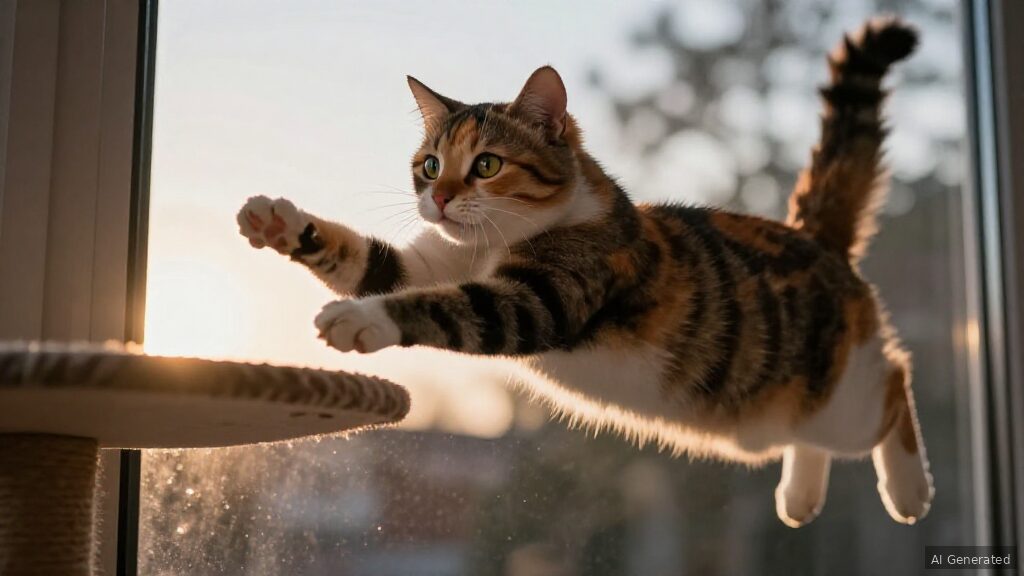
How Can We Understand a Cat’s Past Trauma and Turn a New Space into a Safe Zone?
Most shelter cats may lack psychological stability due to their previous living conditions, experiences of abandonment, or overcrowded environments within the shelter. When these cats enter a new home, the first thing they need is a ‘Safe Zone’. A safe zone is an independent space where the cat can rest without feeling fear. For the first few days, guardians should refrain from approaching and allow the cat to adapt on its own.
Principles and Spatial Configuration for Setting Up a ‘Safe Zone’ in the Early Adoption Phase
Safe zones are preferably small and concealed spaces. Cats have an instinct to hide in narrow spaces to avoid being attacked by predators. Therefore, in the early stages of adoption, rather than opening up the entire living room, it is better to designate one or two rooms or a narrow corner as a safe zone. This space should include comfortable bedding, fresh water, and a litter box. In particular, the litter box should be placed away from food, and cats prefer boxes with low entrances that are easy to access.
At this time, it is important to provide a ‘concealed space’ that is out of the guardian’s line of sight. Box-shaped containers or structures covered with cloth allow cats to hide themselves, providing psychological stability. Since many shelter cats have lived in cramped cages, they may prefer small but safe spaces over wide, open areas. Therefore, for the first 1-2 weeks after adoption, limit the cat’s movement outside this safe zone, and patience is required to wait for the cat to come out on its own.
Creating an Environment to Reduce Sensory Overload
A new environment is full of new sounds, smells, and visual stimuli. Shelter cats can react sensitively to these sensory stimuli, feeling fear. Therefore, in the early stages of adoption, it is important to minimize noise as much as possible, dim bright lights, and maintain cleanliness to prevent new odors. Especially in households with other pets or young children, contact with the cat should be completely blocked, and spaces should be separated so the cat does not feel stressed.
As part of environmental improvement, PlayCat’s solid wood furniture can be a very suitable solution for a cat’s senses. Wood has a constant temperature and a soft texture, making it a material where cats can sit or sleep comfortably. Additionally, the natural scent of wood can stimulate a cat’s instinctive sense of security. PlayCat solid wood furniture is not only aesthetically compatible with modern furniture but is also designed with varying heights that cats can climb, playing a significant role in securing vertical space for cats.
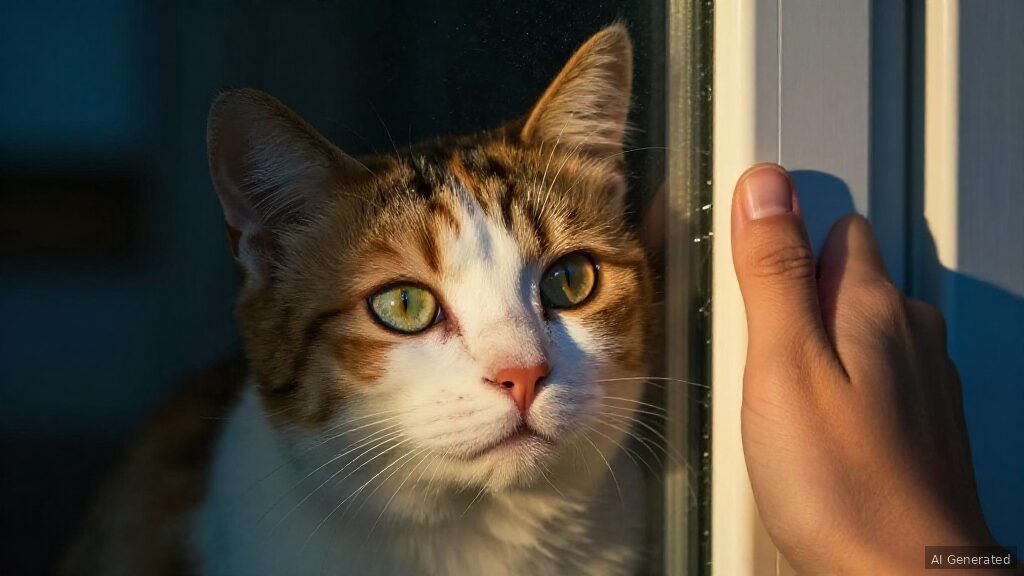
How Should We Utilize Vertical Spaces and Concealed Spaces to Stimulate a Cat’s Instincts?
Cats are animals that naturally like to climb trees to survey their surroundings and rest. Unlike humans who live on the ground, cats only feel safe when they are in high places. Therefore, maximizing the use of vertical space within the home to create an environment where cats can move up and down and be active is the core of environmental enrichment.
Furniture Placement Strategies for Expanding Vertical Space
Beyond simply installing high pillars, it is important to connect furniture within the home to create ‘skywalks’ that cats can move along. You should design routes that allow cats to move freely around the house by connecting windowsills, shelves, bookcases, and dedicated cat furniture. At this time, PlayCat’s solid wood furniture is optimized for naturally expanding such vertical spaces as it is composed of various heights and shapes.
For example, a solid wood shelf placed by the window becomes the best space for resting while basking in the sunlight. Additionally, a solid wood structure connected to a bookcase serves as an observation point where cats can look down on family members from a high place. Such vertical spaces satisfy a cat’s sense of territory and act as a buffer zone, reducing conflicts with other animals or people on the ground.
| Space Type | Primary Function | Recommended Furniture and Placement |
|---|---|---|
| Vertical Routes | Securing cat movement paths and expanding territory | PlayCat solid wood shelves, wall-connected structures, high solid wood room dividers |
| Rest Areas | Providing safe sleeping and resting spots | Solid wood bedding, window sill solid wood shelters, ceiling-mounted solid wood beds |
| Observation Points | Monitoring the environment and relieving stress | Top of high solid wood bookcases, high-level platforms by the window |
| Concealed Spaces | Stress relief and safe resting | Solid wood box-shaped shelters, spaces behind room dividers, spaces under furniture |
The Importance and Utilization of Concealed Spaces
As important as vertical space is the ‘concealed space’. Cats can only find psychological stability if they have a space to hide. Especially for adult cats, they may prefer concealed spaces even more due to past trauma. A concealed space refers not just to placing a box, but to a structural space where a cat can hide its head and body.
PlayCat solid wood furniture naturally incorporates these concealed spaces into its design. Box-shaped structures made of solid wood or spaces behind room dividers become perfect hideouts where cats can hide themselves. Additionally, the natural texture of wood provides comfort to a cat’s paws, creating an environment where they can stay for long periods. These concealed spaces provide opportunities for cats to hide when needed while respecting each other’s territories, thereby reducing conflicts within the household.
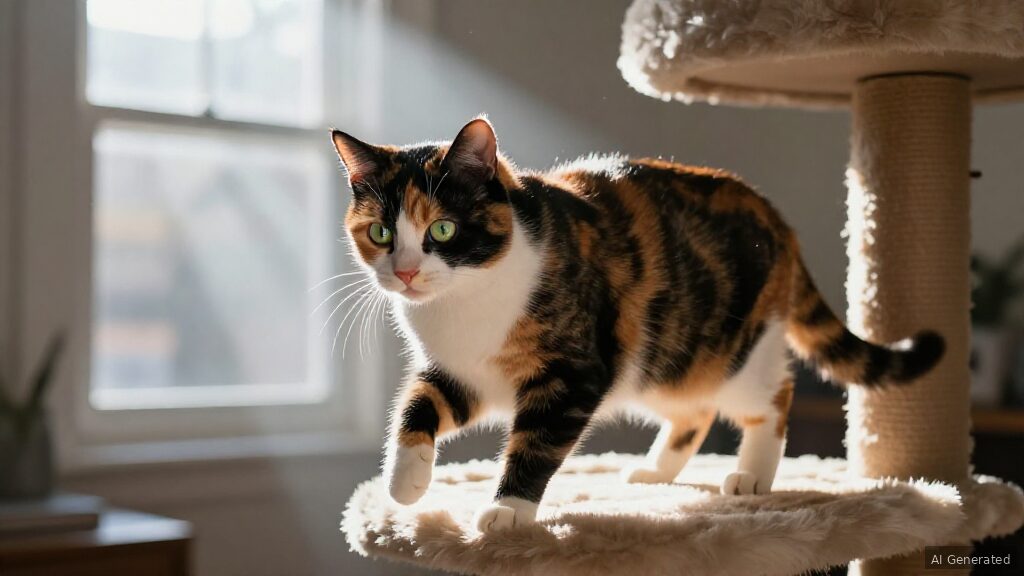
How Should We Consider Behavioral Characteristics Based on Different Breeds and Ages?
Cats adopted from shelters range from purebreds to mixes, and most are adults. Since behavioral characteristics vary by breed and age, it is necessary to establish environmental improvement strategies that match these factors. Especially for adult cats, it is difficult to change already formed habits, so understanding and accepting their characteristics is important.
Breed-Specific Behavioral Characteristics and Customized Environments
It is necessary to grasp the inherent behavioral characteristics of the breed, not just look at the appearance. For example, highly active breeds require more vertical space and various toys, while quiet and gentle breeds place more importance on concealed spaces and comfortable resting areas. In the case of mixed breeds, characteristics vary by individual, so it is necessary to observe after adoption to understand the cat’s tendencies and create a customized environment.
For shelter cats, ‘personal experience’ may have a greater impact on behavior than breed. Behavioral patterns can vary depending on what environment they lived in previously and what trauma they experienced. Therefore, it is essential to have sufficient consultation with shelter staff before adoption to understand the cat’s past history and, based on that, formulate an environmental improvement plan.
Differences by Age (Kitten/Adult/Senior) and Environmental Adaptation
The environment needed also varies depending on the cat’s age. Kittens are curious and active, so they need various play spaces and safe exploration areas. On the other hand, adult cats have reduced activity levels, so stable resting spaces and vertical spaces are important. For senior cats, considering joint diseases, an environment with low heights and easy access should be provided.
Most shelter cats are adopted as adults. Since their behavioral patterns are already fixed, it may take longer to adapt to a new environment. Therefore, when adopting an adult cat, it is better not to make sudden environmental changes but to gradually add new elements while maintaining the familiar environment as much as possible. PlayCat solid wood furniture provides spaces of various heights and shapes tailored to the characteristics of adult cats, helping them adapt comfortably.
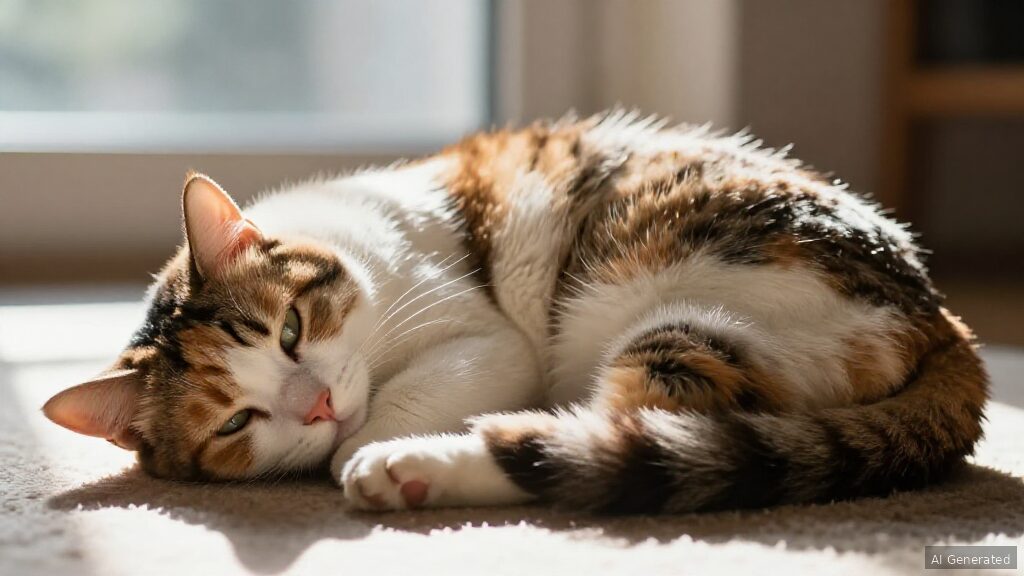
What Are the Methods to Reduce Cat Stress and Promote Emotional Stability?
Cats are very sensitive to stress. Stress can lead to various behavioral problems such as digestive issues, elimination problems, and aggression. Therefore, reducing cat stress and promoting emotional stability is one of the core goals of environmental enrichment.
Consistent Routines and Predictable Environments
Cats prefer consistent routines. If the times for feeding, playing, and cleaning are consistent, cats feel a sense of stability. Especially for shelter cats, who have experienced uncertain environments in the past, a predictable environment is even more necessary. Therefore, it is important to maintain a consistent daily rhythm as much as possible after adoption.
The environment must also be predictable. Frequently changing the location of furniture or suddenly bringing in new items can cause stress to cats. PlayCat solid wood furniture has a simple and natural design that blends well with the atmosphere of the home, providing a stable environment that cats can easily get used to. Additionally, the solid wood material maintains a natural atmosphere that does not change over time, helping to stabilize the cat’s psychology.
Olfactory Stimulation and Pheromone Utilization
Cats recognize their surroundings through their sense of smell. New smells can cause stress to cats, so in the early stages of adoption, it is good to place blankets or toys with the cat’s scent throughout the house to emit familiar smells. Additionally, using diffusers or sprays utilizing cat pheromones is effective in creating a stable atmosphere in the home.
The natural scent of solid wood can have a positive effect on a cat’s sense of smell. PlayCat solid wood furniture minimizes chemical substances, so it does not stimulate the cat’s sense of smell while providing psychological stability through the natural scent of wood. These subtle environmental elements come together to reduce cat stress and create a happy coexistence life.
What Are Common Mistakes After Adoption and How to Solve Them?
Mistakes frequently made by guardians after adopting a cat can cause stress to both the cat and the guardian. It is important to identify and prevent these mistakes in advance.
Mistake 1: Opening Up the Environment Too Quickly
Many guardians open up the entire house immediately after adopting a cat, allowing it to roam freely. This can cause significant stress to the cat. Since cats need time to adapt to a new environment, it is better to set a narrow safe zone initially and gradually expand their territory.
Mistake 2: Attempting Excessive Contact
It is forbidden to try to hug or pet the cat immediately after it enters the new home. Cats are wary to protect themselves. It is important to wait for the cat to approach first and gradually increase contact while reading the cat’s signals.
Mistake 3: Sudden Introduction of Environmental Changes
Suddenly bringing in new toys or furniture can cause stress to cats. Environmental changes should be made gradually while checking the cat’s reaction. PlayCat solid wood furniture is designed with a natural look that allows cats to adapt easily, helping to mitigate such sudden changes.
Environmental Enrichment Checklist You Can Start Practicing Today
From now on, we have organized specific actions you can start practicing today to create an environmental enrichment environment for your cat.
- Set Up a Safe Zone: For the first 1-2 weeks after adoption, designate a narrow space (a room or corner) where the cat can hide as a safe zone, and place food, water, and a litter box in this space.
- Secure Vertical Space: Use PlayCat solid wood furniture or shelves to create heights the cat can climb, and connect them to windowsills or bookcases to secure movement routes.
- Create Concealed Spaces: Use boxes or solid wood structures to place spaces where the cat can hide its head in multiple locations.
- Maintain a Consistent Routine: Keep feeding times and playtimes consistent so the cat feels a predictable environment.
- Create an Olfactory Environment: Place blankets with the cat’s scent throughout the house or use the natural scent of solid wood to create a stable atmosphere.
- Allow Time for Observation and Adaptation: Observe the cat’s behavior and wait patiently for it to adapt to the environment slowly; do not force contact.
- Identify Stress Signals: If the cat shows stress signals such as flattening its ears or wagging its tail rapidly, immediately improve the environment or stop contact.
Frequently Asked Questions (FAQ)
Q1. What is the first thing to prepare when adopting a shelter cat?
A1. The first thing to prepare is a ‘Safe Zone’. You should provide a small, concealed space where the cat can adapt to the new environment, and place food, water, and a litter box there. Additionally, it is important to consult sufficiently with the shelter about the cat’s past history to understand its characteristics.
Q2. How long does it take for an adult cat to adapt to the environment after adoption?
A2. Adult cats have fixed behavioral patterns, so they may need more time to adapt. Generally, a period of at least 2 weeks to 1 month is considered the time to get used to the new environment, but it may take longer depending on individual characteristics.
Q3. How does PlayCat solid wood furniture help cats?
A3. PlayCat solid wood furniture provides comfort to a cat’s senses with natural wood materials and naturally provides vertical and concealed spaces with various heights and shapes. Additionally, it is safe for the cat’s health as chemical substances are minimized.
Q4. When is the best time to buy new toys for a cat after adoption?
A4. It is not recommended to give new toys immediately after adoption. It is better to introduce toys slowly and observe the reaction after the cat has adapted to the new environment and found stability.
Q5. What should be noted when a cat lives with other pets?
A5. It is good to clearly distinguish each other’s territories and initially keep them completely separated. It is important to gradually exchange scents, start with visual contact, and progressively increase contact.
Q6. What signals does a cat show when it is stressed?
A6. It may show behaviors such as flattening its ears, dilating its pupils, or wagging its tail rapidly. Additionally, it may hide, show aggressive behavior, or make elimination mistakes.
Conclusion: Happy Coexistence Starting with Environmental Improvement
Adopting a cat is more than just welcoming a new family member; it is the beginning of a relationship where you respect each other’s spaces and live together. Especially for stray cats from shelters or those rescued from the streets, they carry past trauma and fear of unfamiliar environments, so a prepared environmental enrichment environment is essential even before adoption. The key to successful cohabitation lies in creating safe spaces, vertical spaces, and concealed spaces well, and providing an environment that matches the cat’s characteristics and age.
PlayCat’s solid wood furniture provides a natural and effective solution for this environmental improvement. The warmth and stability of wood promote the cat’s psychological stability, and various designs naturally expand the vertical space in the home, giving cats the opportunity to express their instinctive behaviors. To prevent various behavioral problems that may arise after adoption and to live a happy coexistence life for both the cat and the guardian, let’s strive for environmental improvement starting today.
A cat’s happiness starts with the environment we create. Please remember to design the environment with a cat-centered mindset so that small changes can lead to great happiness.
This content was written using AI technology. Always consult a veterinarian regarding medical information.