


How are Feline Hyperthyroidism and Kidney Disease Related? What Are the Key Points Owners Need to Know?
Feline hyperthyroidism is a dangerous condition that goes beyond simply causing weight loss and restlessness in cats; it can have a serious negative impact on kidney function. In this article, we provide an in-depth analysis of how these two diseases interact and what specific changes they demand in the owner’s daily life, based on a literature review and the latest veterinary research data. By clearly understanding the mechanism by which excess thyroid hormone secretion reduces kidney blood flow and impairs waste removal, it is possible to establish an integrated management strategy that goes beyond simple drug therapy. Through this article, owners can realize the importance of preventive intervention that determines the long-term prognosis of their cats, beyond just observing symptoms, and gain practical knowledge on how to slow down the progression of the disease through proper environmental enrichment and food selection.
What are the Direct Physiological Effects of Excess Thyroid Hormone Secretion on the Kidneys?
Feline hyperthyroidism is a condition where the thyroid gland excessively secretes thyroxine (T4) and triiodothyronine (T3), placing direct physiological stress on kidney tissue. According to research, excessive thyroid hormones cause constriction of kidney blood vessels, significantly reducing kidney blood flow. As a result, waste products that should be filtered and excreted accumulate in the body, accelerating chronic kidney disease (CKD), characterized by abnormally elevated levels of creatinine and BUN (Blood Urea Nitrogen) in kidney function tests. Especially in cats with pre-existing latent kidney disease, kidney values can deteriorate rapidly from the moment hyperthyroidism is detected, leading not just to hormonal imbalance, but to structural damage to the kidneys, which are vital organs for sustaining life.
Therefore, what owners need to pay attention to is that weight loss and increased appetite in cats may not be simple symptoms of a ‘chronic disease’, but rather signals that kidney function is rapidly deteriorating. A review of the literature shows that simultaneous elevation of kidney values can be observed in more than 60% of cats with hyperthyroidism, indicating that the kidneys are already damaged even in the early stages of the disease. Specifically, as hormone levels rise, kidney blood flow decreases, creating a vicious cycle where waste removal efficiency drops. Owners should not mistake a cat’s ravenous appetite for a positive sign; rather, they should be wary that it may be a sign of putting too much strain on the kidneys.
The specific effects of excess thyroid hormone secretion on the kidneys are as follows.
* **Reduced Kidney Blood Flow**: Thyroid hormones constrict blood vessels, reducing the amount of blood flowing to the kidneys. This leads to reduced filtration function and inability to remove waste.
* **Cellular Level Damage**: Excessive hormones attack the kidney cells themselves, damaging cell membranes and promoting the destruction of kidney tissue.
* **Dehydration due to Increased Water Intake**: Cats that drink a lot of water to increase urine output are actually in a state where maintaining body fluids is difficult, making kidney function recovery even more challenging.
Understanding these mechanisms means that owners will realize that simply ‘giving medication’ cannot completely prevent kidney damage. Instead, it is essential to recognize the need for a diet management strategy and hydration supply plan that reduces kidney burden, alongside treatments that lower thyroid hormone levels (such as radioactive iodine therapy, surgery, or medication).
What are the Changes in Kidney Values Before and After Hyperthyroidism Treatment, and What Do Long-Term Prognosis Studies Show?
Changes in kidney values before and after hyperthyroidism treatment are among the most curious aspects for owners, allowing them to understand the impact of treatment method selection on long-term prognosis. According to literature reviews, cases where kidney function stabilizes or recovers are frequently reported when Radioactive Iodine Therapy is performed, as thyroid hormone levels normalize. Especially in cats with initially high kidney values, it is frequently observed that creatinine levels significantly decrease or are maintained after 6 months to 1 year once hormone levels are regulated within the normal range. This suggests that if the high burden on the kidneys is relieved through appropriate treatment, the kidneys can show natural recovery elasticity.
On the other hand, when treatment is conducted only with medication (such as Methimazole), while hormone levels are controlled, the reduction in kidney values may be slow. Furthermore, if gastrointestinal disorders are induced by drug side effects during treatment, leading to anorexia and dehydration, there is a risk that kidney function may deteriorate rapidly, albeit temporarily. Some studies have even observed a paradoxical phenomenon where kidney values increased further in about 20% of the medication treatment group at the beginning of treatment. This is analyzed to be due to the fact that the kidneys were under continuous stress because hormone regulation was delayed, rather than side effects of the drug itself. Therefore, the treatment method chosen by the owner must mean a comprehensive approach that considers kidney health, going beyond simply ‘lowering thyroid hormones’.
Regarding long-term prognosis, surgical removal (Thyroidectomy) also shows a successful prognosis, but there is a point that kidney values may not completely normalize. This is likely due to the stress caused by surgery or dehydration during the recovery period affecting the kidneys. However, a common point appearing in various research results is that when hyperthyroidism is treated and hormone levels are normalized, the progression of kidney disease slows down significantly. In other words, ‘hyperthyroidism’ itself acts as a powerful accelerator for ‘kidney disease’, and if not suppressed, kidney disease can only progress.
Additionally, an important data point for owners to know is ‘treatment effect at early detection’. According to research, cats that start treatment in the early stage of the disease (when kidney values have risen less than 2 times) have a much higher probability of maintaining kidney function in the long term. On the other hand, if the disease is detected late and kidney values have entered a stage where they have risen more than 3 times, it is difficult to completely recover kidney function with hormone treatment alone, and lifelong management becomes necessary. Therefore, when owners discover weight loss or constipation symptoms in their cats, they must immediately visit a veterinarian to check both hormone levels and kidney values. This is because it is the most critical decision point that determines the cat’s lifetime, going beyond simple diagnosis.
What Lifestyle and Food Selection Strategies Are Suitable for Senior Cats?
Senior cats belong to a group with a very high probability of suffering from the double burden of hyperthyroidism and kidney disease. At this stage, the owner’s food selection and lifestyle management play a critical role beyond just feeding the cat; they protect kidney cells and help excrete waste. Especially regarding protein intake, there is a common misconception that ‘kidney function requires limiting protein intake’, which can actually be fatal. What senior cats need is to avoid low-quality proteins that cause ‘High Blood Urea’, and instead, to consume high-quality proteins with high absorption rates that minimize kidney burden.
Cats with hyperthyroidism, whose appetite becomes extremely voracious, try to eat all day, which leads to excessive intake of high-protein, low-fat meals that strain the kidneys. Therefore, when selecting food, owners should consider premium diets with appropriately controlled protein content (such as Ideal Protein Diet). These foods have optimized amino acid ratios, so even when consuming the same amount of protein, they reduce the amount of waste that needs to be filtered by the kidneys. Additionally, while low-fat diets help maintain kidney function, they can cause nutritional deficiencies in cats whose weight drops rapidly due to thyroid treatment, so it is necessary to consult a veterinarian to appropriately adjust calorie density.
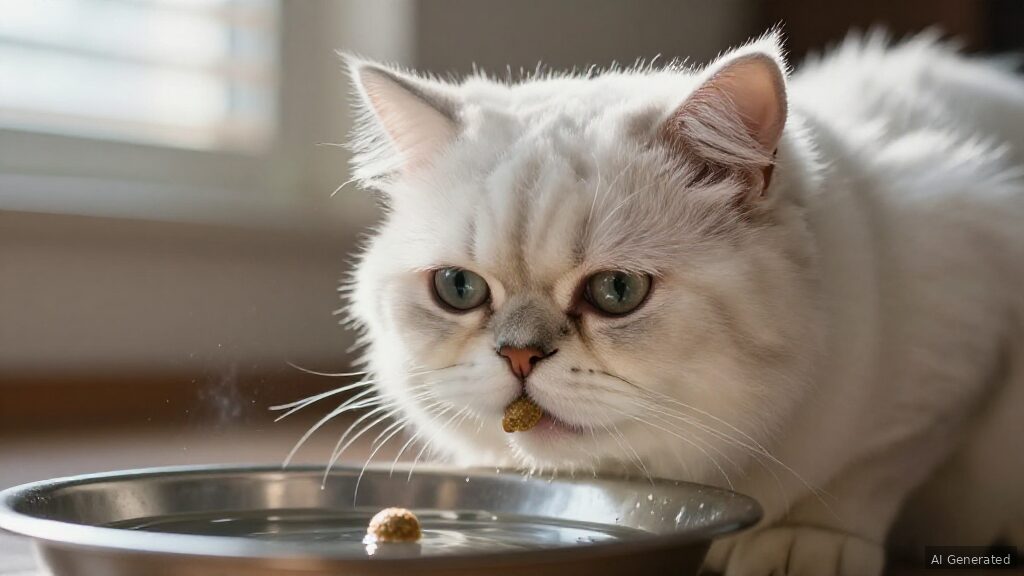
Water supply and water intake are among the most important factors in kidney management. Cats with hyperthyroidism, whose urine output increases, are easily prone to dehydration, which further worsens kidney function. Simply placing a water bowl is not enough; owners must consider the temperature and quality of water preferred by the cat. For example, it is recommended to provide warm water or install a filtered water fountain to encourage water intake. Especially, since senior cats may have difficulty drinking due to dental conditions or dry mouth, feeding mainly canned food (gel-type) or wet food with high moisture content is very effective for kidney protection.
Additionally, the storage condition and feeding method of food also affect the kidneys. Food containing many preservatives can burden the liver and kidneys, so it is better to choose fresh food based on natural ingredients. Instead of feeding a large amount at once, feeding in small amounts throughout the day prevents sudden changes in blood sugar and protein concentration, putting less strain on the kidneys. This strategy helps owners make cost-effective choices. This is because hospitalization treatment or long-term kidney failure management costs are hundreds of times more expensive than preventive food costs. In other words, taking a little more care to feed high-quality food right now is the most rational economic choice to prevent massive veterinary costs and cat suffering in the future.
Specific food and lifestyle guides for senior cats are as follows.
* **Selection of High-Quality Protein Food**: Premium wet or dry food with low kidney burden, excluding low-quality protein (check protein content in the 30-40% range)
* **Encouraging Water Intake**: Use of automatic water fountains and providing warm water, feeding gel-type food
* **Small Amounts at Intervals**: Divide into 3-4 meals a day to prevent sudden spikes in blood protein concentration
* **Weight Monitoring**: Measure weight once a week to detect obesity or rapid weight loss early
Precautions Regarding Drug and Treatment Side Effects When Hyperthyroidism and Kidney Disease Coexist
When a cat is diagnosed with both hyperthyroidism and kidney disease, veterinarians present various treatment options, and at this time, owners must carefully consider the possibility of conflict between treatment drug side effects and kidney function. Methimazole, the most commonly used drug, inhibits thyroid hormone production but can rarely cause gastrointestinal disorders, leading to anorexia and vomiting. In this case, dehydration can occur in the cat, creating a vicious cycle that further worsens kidney function. Therefore, when administering medication, owners must closely observe changes in the cat’s appetite and, if vomiting or anorexia persists, immediately contact the veterinarian to adjust the medication administration time or dosage.
Another treatment option, Radioactive Iodine (I-131) therapy, is one of the most effective methods to eliminate the root cause, but it requires isolation treatment and owner monitoring in the early stages. After this treatment, while kidney function may improve as thyroid hormone levels rapidly normalize, there is a risk of temporary hypothyroidism occurring simultaneously. Hypothyroidism can cause abnormal temperature regulation and decreased heart rate, posing a risk of further reducing kidney blood flow. Therefore, owners must continue to check the cat’s body temperature and activity levels after treatment and regularly monitor hormone levels according to the veterinarian’s instructions.
Surgical removal (Thyroidectomy) is also a viable option, but anesthesia and surgery itself can place a significant burden on the kidneys, especially in obese cats. Additionally, some thyroid cells may remain after surgery and continue to secrete hormones (possibility of recurrence), meaning lifelong medication may be required. In this case, whether to administer medication and the dosage must be determined individually based on kidney function, so owners must rely on regular examinations by a professional veterinarian (every 6 months to 1 year) rather than their own judgment. Especially, surgery may not be recommended for cats whose kidney values have risen more than 2 times, and in such cases, strict dietary management along with medication may be the only option.
What owners must be particularly careful about during the treatment process is the prohibition of ‘self-medication’. Blindly believing in folk remedies circulating on the internet or recommendations from other owners to adjust medication or change food can be fatal to the cat. Since the thyroid and kidneys are closely connected, regulation of one directly affects the other. Therefore, all treatment plans must be established according to the professional judgment of the veterinarian, and the owner’s role is to strictly follow this and meticulously record the cat’s condition in daily life (keeping a diary) to provide accurate information to the veterinarian.
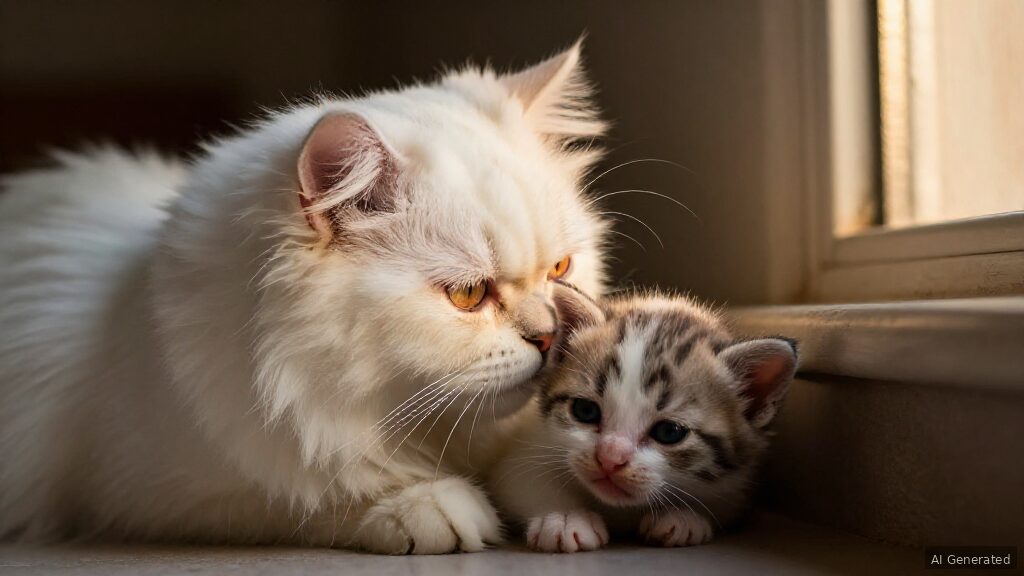
Environmental Enrichment and Stress Management for Hyperthyroidism Prevention
Stress in cats is an important factor that accelerates the progression of hyperthyroidism and kidney disease. According to literature, chronic stress can weaken the cat’s immune system and cause hormonal imbalance, which promotes damage to kidney cells. Therefore, like treatment and drug management, the ‘Environmental Enrichment’ strategy of providing a safe and comfortable environment for the cat is an essential part of disease management. Especially, when cats feel their territory is threatened, they may show aggressive or hiding behaviors, which leads to psychological stress and harms physical health.
Concrete methods for environmental enrichment that owners can practice involve satisfying the cat’s instincts. First, it is essential to provide a space where the cat can confirm its territory and hide. Installing a two-story wooden cat tree (Cat Tree) provides the cat with resting spaces at various heights, giving them psychological stability. Especially, PlayCat’s wooden furniture reduces cat stress with its natural wood scent and texture, which has a positive effect on the skin and respiratory system of cats whose sensitivity has increased due to declining kidney function. Additionally, playtime must be provided for the cat every day. It is more effective for relieving mental stress and maintaining hormonal balance to play with a toy for at least 10 minutes than simply extending feeding times.
As part of stress management, interaction time with the cat is also important. Cats lower their stress hormone levels by responding to the owner’s voice or touch. Spending 5-10 minutes daily petting the cat’s back or quietly talking to them provides great comfort to the cat. Additionally, changes in noise or smell in the home environment must be noted. The arrival of new furniture, cleaning products, or visitors can cause stress in cats, so it is recommended to isolate the cat or keep them in a quiet space to allow time to regain stability when such changes occur.
Furthermore, relationships with other animals must also be considered. In multi-cat households, conflicts based on hierarchy can be a source of stress. It is necessary to provide enough space so that each cat does not invade each other’s territory or prepare their own resting spaces. This environmental enrichment is not a mere luxury but an important factor that determines the cat’s long-term prognosis. When stress is reduced, immunity is strengthened, giving the kidney cells the opportunity to recover. In other words, creating an environment where the cat feels ‘safe’ plays a key role in curing the disease, just as providing good food and medication.
How to Avoid Common Misunderstandings and Mistakes When Managing Hyperthyroidism and Kidney Disease
Owners of cats with hyperthyroidism and kidney disease often experience confusion amidst various information. One of the most common misconceptions is that ‘since the kidneys are weak, protein intake must be strictly limited’. As mentioned earlier, limiting protein can actually break down and weaken muscles, further increasing kidney burden. The correct approach is to consume high-quality protein appropriately, thereby reducing the waste that the kidneys need to filter. It is dangerous for owners to change food based on their own judgment, so they must choose supplements or change food according to the veterinarian’s prescription.
The second common mistake is the misinterpretation that ‘fluctuations in weight, gaining and losing, are a sign that hormone levels are well controlled’. In the early stages of hyperthyroidism, weight increases rapidly due to increased appetite, but this is just a temporary phenomenon that strains the kidneys. If weight suddenly starts to decrease or water intake increases rapidly, this is a warning signal that kidney function is worsening or hormone levels are becoming unstable. Owners must observe the overall condition, not just weight changes, including urine output, appetite, and activity levels.
The third misconception is that ‘taking medication alone is a cure-all’. Many owners tend to neglect other management tasks after giving medication. However, it is difficult to completely recover kidney function with medication alone, and continuous monitoring and dietary management are essential. Additionally, lifelong management may be needed even after radioactive iodine therapy or surgery, and at this time, the owner’s careful observation determines the cat’s quality of life.
Fourthly, the misconception that ‘a cat drinking a lot of water is good’ is also wrong. Polyuria (increased urine output) caused by hyperthyroidism induces dehydration, which is fatal to the kidneys. Drinking a lot of water itself is not the solution to the problem; rather, it may be a reaction where the cat tries to drink more water due to declining kidney function. Therefore, while owners must provide enough water, they must check the cat’s water intake, urine output, and oral mucosa moisture together to determine if dehydration is present.
Finally, thinking that ‘advice from other owners is always correct’ is a no-no. The optimal treatment varies depending on the cat’s age, stage of disease progression, and comorbidities. For example, the treatment approach for a 5-year-old cat and a 15-year-old cat with the same disease is completely different. Therefore, owners must establish a customized management plan that fits their cat’s unique characteristics, and this must always be done through consultation with a professional veterinarian.
Owner’s Practical Checklist for Hyperthyroidism and Kidney Health
Now, owners can set up a concrete action plan to start implementing immediately. The checklist below includes key items that help maintain the health of cats with hyperthyroidism and kidney disease and improve their quality of life. Each item is designed to be easily followed by owners, with estimated time required, necessary items, and expected effects specified.
* **Item 1: Weight and Surrounding Environment Diary**
* **Estimated Time**: 5 minutes/day
* **Necessary Items**: Scale, notepad or smartphone app
* **Expected Effect**: Early detection of sudden weight loss or gain to communicate with the veterinarian. Early detection of signs of kidney value changes.
* **Item 2: Dietary Change to High-Quality Wet Food**
* **Estimated Time**: 10 minutes (food preparation and feeding)
* **Necessary Items**: High-protein/low-fat wet food recommended by a veterinarian, small bowl
* **Expected Effect**: Reduced kidney burden and increased water intake. Muscle maintenance through improved protein absorption.
* **Item 3: Installation and Relocation of Automatic Water Fountain**
* **Estimated Time**: 15 minutes (installation and water replacement)
* **Necessary Items**: Filtered automatic water fountain, clean water
* **Expected Effect**: Increased water intake by utilizing the cat’s preference for running water. Dehydration prevention and kidney protection.
* **Item 4: Installation of PlayCat Wooden Furniture and Securing Playtime**
* **Estimated Time**: 10 minutes (play) + 30 minutes (installation) per session
* **Necessary Items**: PlayCat wooden furniture, toys
* **Expected Effect**: Maintenance of hormonal balance due to stress reduction. Strengthening immunity through provision of psychological stability.
* **Item 5: Recording Medication Administration Time and Side Effects**
* **Estimated Time**: 5 minutes/day (administration and observation)
* **Necessary Items**: Medication, pipette or powder syringe, record sheet
* **Expected Effect**: Early detection of medication side effects (vomiting, anorexia). Adjustment of treatment plan through accurate communication with the veterinarian.
* **Item 6: Regular Veterinary Examination Appointment (Every 6 Months)**
* **Estimated Time**: 30 minutes (consultation time)
* **Necessary Items**: Record sheet, blood test samples (if necessary)
* **Expected Effect**: Regular monitoring of thyroid and kidney values. Timely modification of treatment plan.
* **Item 7: Creation of Cat-Specific Rest Space**
* **Estimated Time**: 20 minutes per session (space arrangement)
* **Necessary Items**: Two-story wooden furniture, comfortable bed
* **Expected Effect**: Stress minimization and provision of psychological stability. Health maintenance through satisfying cat instincts.
Frequently Asked Questions (FAQ) Related to Feline Thyroid and Kidney Diseases
**Q1. Why does a cat drink too much water and urinate frequently, and is this related to hyperthyroidism?
Drinking a lot of water and urinating frequently is one of the representative symptoms of hyperthyroidism in cats. When thyroid hormones are excessively secreted, the speed at which the kidneys excrete waste increases, leading to a significant increase in urine output (polyuria). In this process, body fluids are lost, and while owners try to prevent dehydration by making the cat drink more water, this can put additional burden on the kidneys. Therefore, while owners must increase the cat’s water intake, they must also adjust the appropriate water supply amount according to the extent of kidney damage. Additionally, since symptoms like these can overlap with diabetes or kidney disease, blood tests and urine analysis are essential for accurate diagnosis.
**Q2. When a cat with hyperthyroidism has a very voracious appetite, what points should be noted in food selection?
When a cat’s appetite becomes voracious due to hyperthyroidism, owners tend to give more food to the cat. At this time, the important point is the quality of the food. Low-quality high-fat foods can strain kidney function, so premium food containing high-quality protein and with appropriately controlled fat content should be selected. Additionally, if weight increases rapidly, obesity can occur, putting a burden on joints and kidneys, so it is recommended to feed food with appropriately adjusted calorie density in consultation with a veterinarian. If the cat cannot consume enough nutrients through food alone, high-quality supplements should be added according to the veterinarian’s prescription.
**Q3. If kidney values do not improve after hyperthyroidism treatment, what additional management methods are available?
It is common for kidney values not to normalize immediately after hyperthyroidism treatment. Kidney cells require time to recover, and especially in cats with pre-existing chronic kidney disease, it may take several months to years for kidney function to fully recover even after hormone levels are normalized. In this case, owners must establish a long-term management strategy. First, maximize water intake to help excrete waste. Second, strictly manage diet by avoiding low-quality protein and consuming high-quality protein. Third, protect kidney function through environmental enrichment that reduces stress (such as PlayCat wooden furniture). Additionally, monitor kidney values through regular examinations every 6 months and modify the treatment plan according to the veterinarian’s instructions.
**Q4. What are the precautions and management methods for a cat that has received Radioactive Iodine Therapy (I-131)?
Radioactive Iodine therapy is one of the most effective methods to eliminate the root cause of hyperthyroidism. After this treatment, since the cat emits radiation, owners and other family members must take isolation measures for 24-48 hours after treatment, and especially avoid contact with pregnant women or children. Additionally, after treatment, while thyroid hormone levels rapidly normalize, temporary hypothyroidism may occur, so hormone levels must be checked regularly according to the veterinarian’s instructions. For kidney health, dietary management and water intake remain important after treatment, and since the mouth may become dry or the digestive system may weaken due to radiation therapy, it is recommended to provide soft food and plenty of water.
**Q5. What are the side effect signs and coping methods for a cat taking medication (Methimazole)?
Methimazole is the most commonly used drug for hyperthyroidism treatment, but it can cause side effects in some cats. The most common side effects are vomiting, anorexia, and oral inflammation (stomatitis), which may be related to dehydration caused by declining kidney function. If a cat vomits repeatedly or its appetite drops sharply after taking medication, owners must immediately stop the medication and contact the veterinarian. The veterinarian may adjust the medication dosage or change to another drug. Additionally, changing the medication administration time to before or immediately after dinner can reduce gastrointestinal disorders. Owners must record the cat’s appetite and presence of vomiting every time they administer medication and accurately convey this to the veterinarian.
**Q6. If a cat suddenly loses weight and has severe constipation, is there a high possibility of hyperthyroidism?
Yes, if a cat suddenly loses weight, has a good appetite, but suffers from severe constipation, there is a very high possibility of hyperthyroidism. Excessive secretion of thyroid hormones promotes metabolism, reducing weight, and slows intestinal movement, causing constipation. This affects kidney function as well and may appear together with polyuria, where urine output increases. When owners discover these symptoms, they must immediately visit a veterinarian to perform thyroid hormone level (T4, T3) and kidney function tests (BUN, Creatinine). The earlier treatment is started, the more kidney damage can be prevented, and the cat’s quality of life can be significantly improved. Therefore, weight loss and constipation should be regarded not as simple aging phenomena, but as signals of serious disease.
Conclusion: The Owner’s Role for a Healthy Journey with the Cat
Feline hyperthyroidism and kidney disease are chronic conditions that require management, but with the owner’s active interest and correct management strategies, the cat’s life can be extended and kept healthy. As discussed in this article, the key to successful treatment is dietary management that reduces kidney burden alongside drug therapy that regulates hormone levels, environmental enrichment that relieves stress, and consistent monitoring. If owners try small changes in their daily lives and observe the cat’s condition in detail, they can gift a better future to their cat.
The core is ‘early detection’ and ‘integrated management’. Weight loss and increased appetite can be warning signals of kidney function, so regular consultation and examinations with a veterinarian are essential. Additionally, the owner’s love and sincerity become the best medicine for the cat. If you take care of the cat’s every day with correct knowledge and warmth, the cat and owner can be together for a longer time. Check for more cat environmental enrichment information at PlayCat (playcat.xyz).
This content was created using AI technology. Please consult a veterinarian regarding medical-related information.