


Small Body, Big Risks: Why Health Management for Small Cats is Special
The smallest cat species that have survived in wild ecosystems, as well as the beloved small companion cats by our side, maintain delicate health conditions as intricate as their cute appearances. Many owners perceive ‘small cats’ merely as cute and affectionate creatures, but from a veterinary perspective, cats with small statures possess physiological characteristics that are far more sensitive compared to large dogs or large cats. Low body weight is not just an aesthetic issue; it implies a faster metabolic rate, precise medication dosing requirements, challenges in maintaining body temperature, and the potential for diseases to progress very rapidly.
Especially, species known as the ‘smallest cats in the world’ may be vulnerable to specific diseases due to genetic predispositions or minor defects during development. For instance, cats with relatively smaller skulls compared to average cats have a higher probability of experiencing changes in intracranial pressure or respiratory system issues. Furthermore, their small mouths and dental structures can lead to rapid progression of periodontal disease, posing a significant risk of spreading to systemic infections. Additionally, a small body size can be disadvantageous for thermoregulation, making hypothermia easy to occur. This can cause fatal complications not only during the neonatal or kitten stages but also in old age.
If these risk factors are neglected, symptoms that initially appear mild can deteriorate rapidly, leading to emergency situations requiring immediate veterinary intervention. In the case of small cats, the amount of energy stored in their bodies is low, making them susceptible to hypoglycemic shock even during fasting or stressful situations, which poses a direct threat to life. Therefore, protecting small cats goes beyond simply offering love and attention; it requires a professional approach that understands the physiological limitations of their small bodies and manages them meticulously. PlayCat aims to alleviate owners’ concerns by providing an optimal living environment for the health of these cats.
Causes and Mechanisms of Diseases in Small Cats
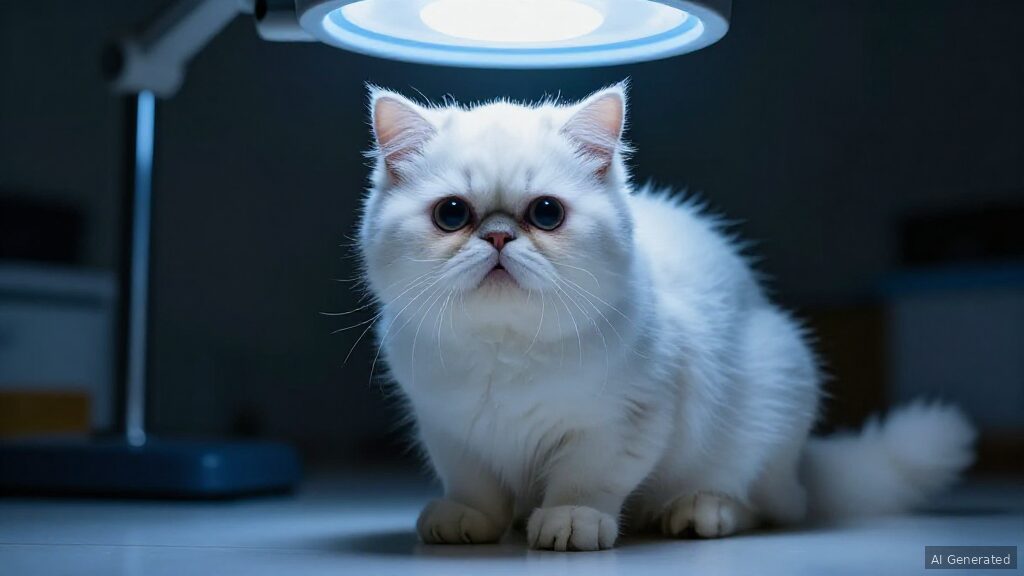
The reasons why small cats are susceptible to specific diseases can be broadly categorized into genetic factors, environmental factors, and physiological mechanisms. First, genetic factors account for the largest proportion. Some small cat breeds or wild small cat species have evolved to have smaller bodies to adapt to specific environments over long periods, but this process can sometimes be accompanied by a weakened immune system or incomplete development of certain organs. For example, some may have genetically weak heart valve structures or reduced kidney function compared to average cats, meaning they could suffer from chronic diseases at a relatively young age even after reaching adulthood.
Second, environmental factors have a decisive impact on the health of small cats. A small stature makes them react much more sensitively to external temperature changes, humidity, and exposure to pathogens. Even a slight drop in indoor temperature can cause a rapid decrease in body temperature, which lowers immune system function and easily triggers respiratory infections or digestive system diseases. Additionally, if they fall from a height or experience an impact, the relative shock to their bones and joints is greater than in larger cats, leading to more frequent fractures or soft tissue injuries.
Third, physiological mechanisms are closely related to ‘metabolic rate’. Small cats have a large surface area relative to their body weight, leading to rapid heat loss. To compensate, they must maintain a relatively high metabolic rate. This implies rapid energy consumption, meaning even minor issues like loss of appetite or indigestion can quickly lead to hypoglycemia or dehydration. Furthermore, the capacity of detoxification and excretion organs like the liver and kidneys is small, so the speed of eliminating toxic substances or drug components may be slow. Consequently, they may experience more severe poisoning symptoms in cases of drug overdose or incorrect food intake. Understanding these mechanisms is essential for identifying early signs of disease and responding in a timely manner.
Classification by Symptom Stage: From Early to Severe
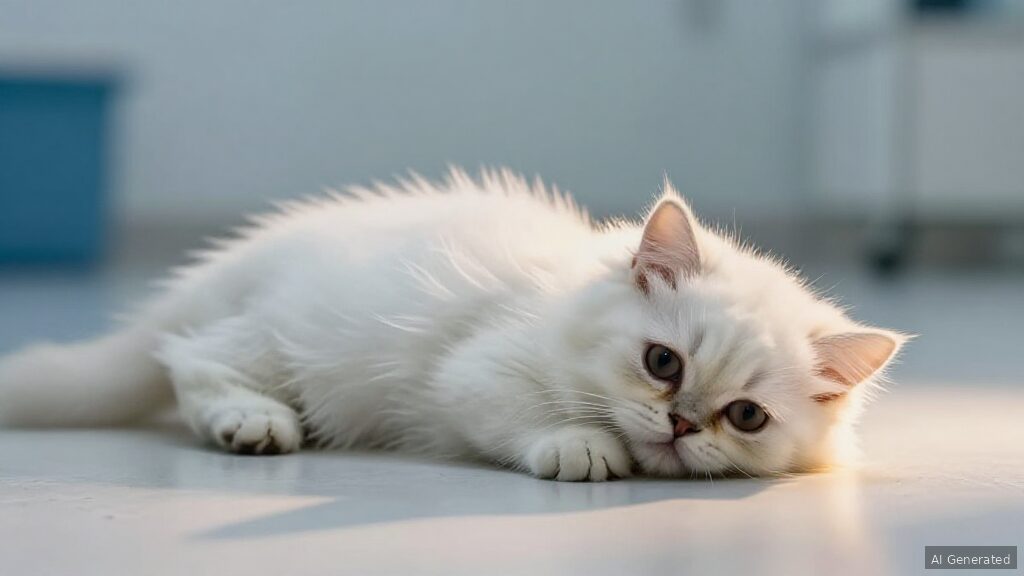
Since diseases in small cats progress very rapidly, it is important to accurately distinguish and observe symptoms by stage. Initially, subtle changes that owners might easily overlook may appear, but if appropriate measures are not taken at this stage, the condition can quickly advance to mid-stage or severe stage, making treatment difficult. The table below summarizes the main symptoms by general disease progression stage and can serve as a reference for owners to continuously observe their cats.
| Stage | Main Symptoms and Behavioral Changes | Owner Response Guidelines |
|---|---|---|
| Early Stage | – Decreased activity and increased sleeping time – Slight decrease in appetite or sniffing food then leaving – Reduced grooming frequency, rough fur – Mild discharge from eyes or nose – Becoming quieter than usual or increased hiding behavior |
– Check body temperature and water intake – Observe changes in food quality and quantity – Remove stress factors and provide a stable environment – Create a quiet resting space using PlayCat solid wood furniture |
| Mid Stage | – Vomiting or diarrhea (increased frequency) – Rough breathing or audible sounds when breathing – Changes in elimination habits (avoiding the litter box or frequent urination) – Obvious weight loss – Red eyes or excessive eye discharge |
– Schedule a veterinary appointment immediately – Strengthen hydration to prevent dehydration – Check if prescription food or assisted feeding is needed – Minimize shock during transport (especially for small cats) |
| Severe Stage | – No food intake at all (for more than 24 hours) – Decreased consciousness, coma, seizures – Difficulty breathing, cyanosis (gums or tongue turning blue) – Refusal to be touched or aggression due to severe pain – No urination or defecation at all |
– Visit the emergency room immediately – Absolutely do not fast (risk of hypoglycemia) – Maintain body temperature during transport (blankets, etc.) – Proceed with emergency treatment according to the veterinarian’s instructions |
Especially with small cats, it is easy to miss early symptoms. While larger cats may endure pain well, small cats have weak physical stamina, so by the time symptoms appear, their bodies may already be severely exhausted. For example, if loss of appetite persists for just 12 hours, the risk of hypoglycemia increases significantly, so thinking ‘it’s okay if they don’t eat a little bit’ is forbidden. In the case of respiratory symptoms, even minor inflammation in the small airways of small cats can lead to breathing difficulties, so one must carefully monitor sounds during breathing or changes in chest movement.
Additionally, behavioral changes are important signals. If an usually active cat suddenly becomes quiet or does not respond to favorite toys, it is highly likely to be an early sign of illness. Since small cats may express pain weakly, owners must remember their usual behavioral patterns well to judge any abnormalities. PlayCat’s solid wood furniture provides a soft touch and stability that facilitates such observation, creating an environment where cats can rest comfortably even when sick.
Diagnostic Process and Examination Cost Range at Veterinary Hospitals
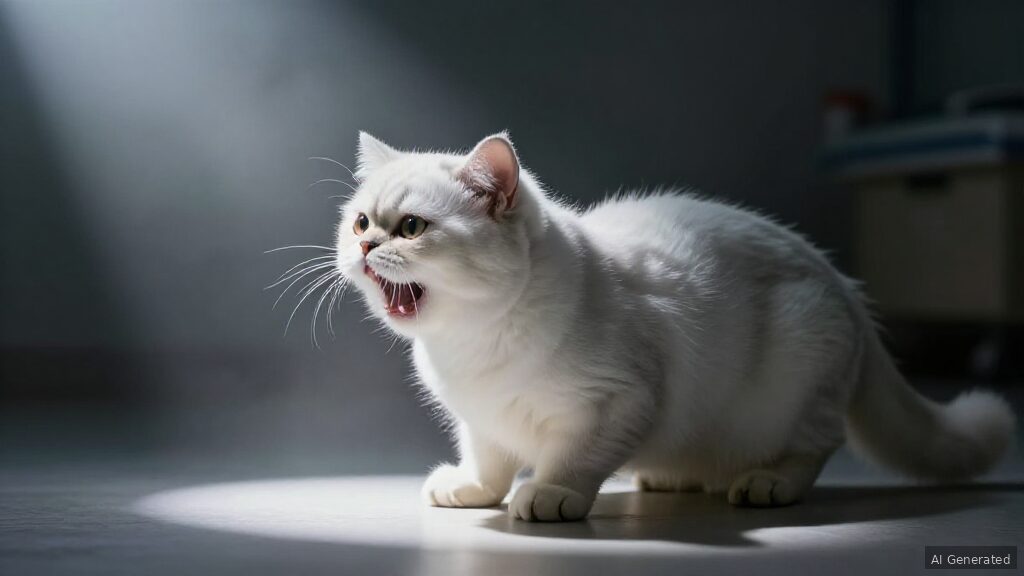
If signs of health abnormalities are observed in a small cat, you must visit a veterinary hospital immediately for an accurate diagnosis. The diagnostic process is similar to that for general cats, but due to their small size, careful attention is required regarding examination methods and equipment selection. The first step is taking a history and performing a physical examination. The veterinarian will listen in detail to the owner regarding the cat’s eating habits, elimination status, and recent behavioral changes, and measure body temperature, pulse, respiration rate, and mucous membrane color. For small cats, body temperature may be low, so caution is needed when judging the normal range, and weight measurement must be precise.
Afterwards, blood tests are conducted. Since the amount of blood that can be drawn from small cats is limited, equipment and skilled techniques capable of obtaining accurate results from minute amounts are necessary. A Complete Blood Count (CBC) checks red blood cell, white blood cell, and platelet counts to identify anemia, infection, or inflammation, while biochemical tests check liver and kidney function and blood sugar levels. Especially for small cats, kidney function is prone to decline, so BUN (Blood Urea Nitrogen) and creatinine levels must be checked.
Imaging tests primarily utilize X-rays and ultrasounds. X-rays are useful for confirming structural abnormalities such as pneumonia, cardiomegaly, or intestinal obstruction, while ultrasounds are essential for detecting subtle internal changes in organs or the presence of fluids in the abdominal cavity. For small cats, high-resolution equipment may be needed due to the small size of their organs, and the decision to use sedatives to prevent movement during imaging is made carefully based on weight and condition. Additionally, urine tests, fecal tests, or PCR tests for specific diseases (to identify infectious agents) may be required.
The range of examination costs varies depending on the hospital’s location, equipment level, and type of tests. General initial consultation fees and basic blood tests (CBC + Biochemistry) typically range from 50,000 to 100,000 KRW. If X-ray and ultrasound tests are added, an additional 100,000 to 200,000 KRW may be incurred. However, for small cats, since their weight is light, drug usage is lower, and selecting a hospital with miniaturized equipment can result in cost savings. It is advisable for owners to check cost estimates before the visit and consider insurance coverage to prepare ways to reduce financial burdens.
Treatment Option Comparison: Pros and Cons of Medication, Surgery, and Management
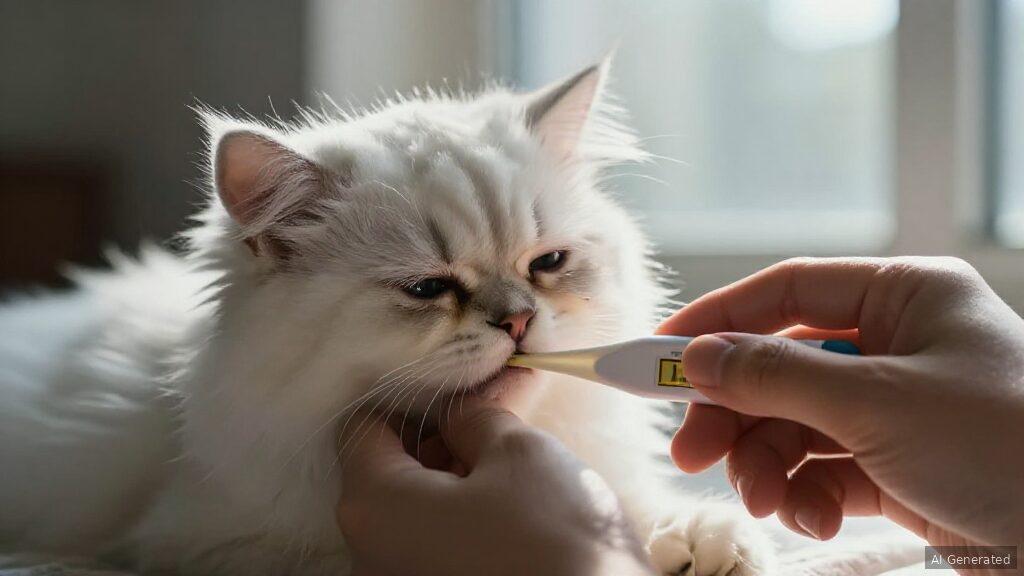
Treatment for diseases in small cats is divided into medication therapy, surgical therapy, and long-term lifestyle management, depending on the patient’s condition and the type of disease. Each treatment option has unique pros and cons, and the owner and veterinarian must choose the most suitable method together. The table below compares the characteristics of each treatment method.
| Treatment Option | Pros | Cons and Precautions | Example Suitable Diseases |
|---|---|---|---|
| Medication Therapy | – Non-invasive with less pain – Effective for early-stage diseases or mild symptoms – Various administration methods (oral, injection, eye drops, etc.) |
– Possibility of side effects (vomiting, diarrhea, etc.) – Burden on liver/kidneys with long-term use – Difficulty in administration may lead to failure in dosage control |
– Respiratory infections, skin diseases, early-stage kidney disease, gastroenteritis |
| Surgical Therapy | – Possibility of removing the root cause – Prevention of recurrence in chronic diseases – Fast recovery (after appropriate surgery) |
– Anesthesia risk (small cats have high anesthesia sensitivity) – Requires surgery costs and recovery period – Risk of wound infection and complications |
– Congenital heart defects, tumor removal, severe periodontal disease, intestinal obstruction |
| Lifestyle Management | – No side effects – Essential for long-term health maintenance – Strengthens the bond with the owner |
– Requires patience and time investment – Immediate effects are limited – Requires adaptation to environmental changes |
– Obesity prevention, dental care, chronic kidney disease, stress relief |
Medication Therapy is the most common method, using antibiotics, anti-inflammatory drugs, and immunomodulators. For small cats, since body weight is low, drug dosages must be calculated precisely, and caution is needed as overdose can cause toxic reactions. Additionally, methods such as mixing medicine with food or using dedicated sprays are employed to prevent stress during administration.
Surgical Therapy is necessary for congenital deformities, tumors, or severe trauma. Small cats have low tolerance to anesthesia, so pre-surgery tests (ECG, blood tests, etc.) are essential, and maintaining body temperature and hydration during surgery is very important. During the post-surgery recovery period, pain management and nutritional supply must be thorough. PlayCat’s solid wood furniture, with its soft surface and stable structure, helps cats rest comfortably after surgery.
Lifestyle Management may not have immediate effects like medication or surgery, but it is key to slowing the progression of chronic diseases and improving quality of life. This includes choosing the right food, regular exercise, and creating a stress-free environment. Since small cats are sensitive to environmental changes, it is important to maintain a constant indoor temperature and humidity and provide a quiet space.
Differences in Management by Age: Kittens, Adults, and Seniors
Health management for small cats must vary its strategy according to age. Since physical and physiological characteristics differ at each growth stage, careful consideration from the owner is required.
1. Kitten (2 weeks~12 months): Growth and Immune System Formation
This period shows the fastest growth rate. For small cats, weight gain may be slow or growth may stop, making nutritional intake very important. They must receive sufficient nutrition through breastfeeding or milk replacers, and starting vaccinations after 2 months of age is necessary to build immunity. Kittens are curious and active, so accident prevention is essential. There is a risk of falling from high places or swallowing small objects, so the home environment must be secured. PlayCat’s solid wood furniture is made of non-toxic materials, making it safe even if chewed or licked by kittens, and its rounded corner design prevents injuries.
2. Adult Cat (1 year~7 years): Maintenance and Prevention
The adult stage is the time to maintain health and prevent chronic diseases. During this period, obesity management is crucial, as even a slight weight gain can burden the joints and heart of small cats. Regular exercise and a balanced diet are required. Additionally, regular brushing or tartar removal is needed to prevent periodontal disease, and annual checkups (at least once a year) should be conducted to check blood values and organ function. Adult cats can be sensitive to stress, so maintaining a stable living environment is important.
3. Senior Cat (7 years and older): Aging Management and Symptom Relief
Senior cats experience accelerated aging, with a high risk of age-related diseases such as kidney disease, arthritis, and dementia. Small cats may age faster, so regular checkups every 6 months are necessary. Diet may need to be switched to low-protein food to protect kidney function or food containing nutrients that aid joint health. Although activity levels decrease, light exercise helps maintain joint flexibility. Senior cats have diminished thermoregulation abilities, so providing a warm environment is essential. PlayCat’s solid wood furniture has good heat retention, providing a comfortable resting space for elderly cats.
Home Environment Management: Creating a Space for Recovery and Stability
To protect the health of small cats, the home environment must be made as comfortable and safe as possible. Especially for cats with illnesses or those recovering, a space that minimizes stress is needed. Temperature and humidity control are the most basic yet important factors. Since small cats struggle to maintain body temperature, heating should be sufficient in winter, and care must be taken in summer to avoid direct exposure to air conditioning drafts. It is recommended to maintain humidity between 40-60% to protect respiratory health.
Providing a safe resting space is also essential. Cats tend to prefer high places or hiding spots when sick. PlayCat’s solid wood furniture, with its natural wood texture and stable structure, provides a space where cats can comfortably hide or rest. Wood has low thermal conductivity relative to temperature changes, making it warm in winter and cool in summer, aiding the cat’s thermoregulation. Additionally, it is coated with non-toxic materials, making it safe even if licked, and its durability allows for long-term use.
Maintaining cleanliness is also important. Small cats have weak immune systems and are vulnerable to bacterial infections, so litter boxes and food bowls must be cleaned daily. Especially for small cats, if the litter box is too high or difficult to access, it may lead to avoidance, causing constipation or cystitis, so using a litter box with a low entrance is recommended. To manage the overall air quality of the house, ventilate frequently and use a vacuum cleaner that effectively removes dust.
Elements for psychological stability should also be considered. Small cats are easily stressed by noise and sudden environmental changes. Place the cat bed in a quiet area and make an effort to prevent unusual noises. PlayCat’s solid wood furniture, with its natural patterns and soft colors, creates a calm atmosphere in the home, contributing to the cat’s psychological stability.
Prevention and Regular Checkup Checklist
The best way to protect the health of small cats is to prevent diseases in advance and check their condition regularly. Below is a prevention and checkup checklist that owners should follow.
- Daily Check: Check appetite, elimination status, body temperature, and behavioral changes
- Weekly Check: Measure weight, check fur condition, inspect teeth and gums
- Monthly Check: Clean ears and eyes, trim claws, check environmental hygiene
- Quarterly Check: Administer deworming medication (internal/external), check vaccination schedule
- Annual Check: Comprehensive health checkup (blood tests, X-rays, ultrasound), tartar removal
- Senior Stage (7 years and older): Regular checkups every 6 months, monitor kidney and liver function
Based on this checklist, owners can continuously monitor the health status of their small cats. Especially, regular checkups are essential for detecting invisible diseases early, so they must be strictly followed.
Frequently Asked Questions (FAQ)
1. What should I do if my small cat is not eating well?
For small cats, loss of appetite can lead to hypoglycemia, which is very dangerous. First, you can try changing the type of food or soaking it in warm water to enhance the smell. However, if they do not eat for more than 24 hours or if vomiting or diarrhea accompanies the lack of appetite, you must visit a veterinary hospital immediately. Owners should be careful not to force food, as this can cause stress and worsen the condition.
2. What symptoms appear if a small cat’s body temperature is low?
If body temperature drops, the cat may become lethargic, shiver, and breathe slowly. Additionally, the gums or paw pads may feel cold and turn grayish, and in severe cases, consciousness may become blurred or seizures may occur. For a cat with low body temperature, wrap it in a warm blanket and raise the temperature gradually, avoiding sudden temperature changes. Seeking immediate help from a veterinarian is the safest option.
3. What are the advantages of PlayCat furniture for small cats?
PlayCat’s solid wood furniture is made of natural wood materials, aiding in the cat’s body temperature regulation, and is safe due to non-toxic coatings. Additionally, its low height and soft corner design make it easy for small cats to access, preventing accidents. The stable and quiet structure provides psychological stability to sick cats, contributing to a faster recovery speed.
4. When should small cats receive vaccinations?
Generally, the first vaccine starts at 6-8 weeks of age, with a total of 2-3 doses completed at 2-4 week intervals. After that, booster shots must be administered every year. Since small cats may have weak immune systems, it is advisable to consult a veterinarian to determine the appropriate timing and vaccine type. The cat must be in good health before vaccination, and care should be taken to avoid stress.
5. What home care can be done if a small cat has arthritis?
For small cats with arthritis, jumping to high places that put strain on the knees or spine should be restricted. PlayCat’s solid wood furniture provides low steps to help cats move comfortably. Additionally, it is important to keep the joints warm with warm compresses or administer pain relievers prescribed by the veterinarian regularly. Obesity management is also important, so food portions should be controlled, and appropriate exercise should be encouraged.
Small cats are living beings that require the owner’s meticulous attention and scientific management, just like their small bodies. Please familiarize yourself with the causes, symptoms, diagnosis, treatment methods, and prevention rules mentioned above to help small cats lead healthy and happy lives. PlayCat will always strive to provide the best environmental solutions for the health and safety of small cats.
This content was written utilizing AI technology. Please consult a veterinarian for all medical-related information.