


Mistakes in Giving Cat Medication: The Real Reasons for Giving Up or Incomplete Dosing That Lead to Treatment Failure
Many cat owners, even after receiving a prescription from a veterinarian, end up giving up on administering the medication or dividing the dosage themselves according to their own judgment, resulting in the complete loss of therapeutic effects. This is not simply due to the owner’s laziness, but rather a conclusion reached because the medication’s ingredients do not match the cat’s constitution, causing side effects, or because the stress during the administration process causes the cat to react extremely negatively.
This article analyzes the root causes of such medication failures from an ethological perspective and provides specific administration guidelines and safe medication selection criteria that owners must strictly follow, helping you protect the health of your cute cat.
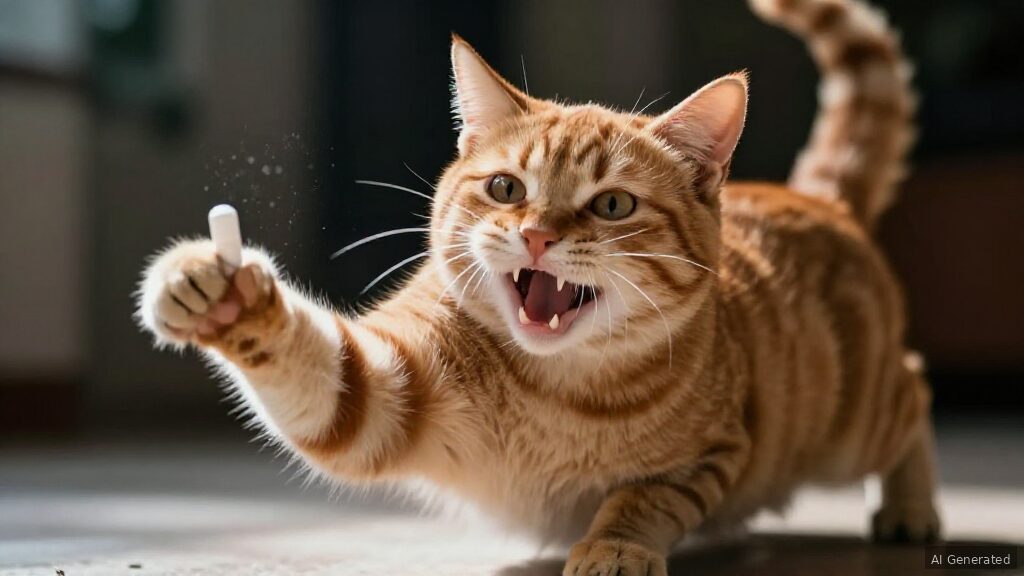
The First Cause of Cat Medication Failure: Differences Between Medication Ingredients and Cat’s Constitution
Risks of Liquid Medications with High Sugar Content: Caution for Diabetic and Obese Cats
Many liquid cat medications prescribed at veterinary clinics contain sugar or artificial sweeteners added to improve the taste. While this offers convenience to owners, it is a dangerous element that cats with diabetes or obesity must absolutely avoid. Consuming medications containing sugar can cause a cat’s blood sugar levels to rise sharply, interfering with existing diabetes management, or cause additional weight gain in obese cats, accelerating abdominal fat accumulation. Therefore, owners must always check for “sugar content” when receiving a prescription and request sugar-free alternatives or special prescription medications.
According to ethological research, cats do not instinctively prefer sweet tastes; in fact, they often perceive sweet-tasting foods as signals that may cause gastrointestinal disorders. This is one of the main factors making it difficult to get cats to eat parasiticides or sedatives that have been flavored. If you must feed a medication containing sugar, use only a small amount to administer the medicine, and immediately discard any remaining medication that the cat has not consumed. Especially for cats with diabetes, even artificial sweeteners should be avoided, so consulting with a veterinarian to choose sugar-free medications is the first key factor determining the success or failure of the treatment.
Checking Ingredients Fatal to Cats: Chocolate, Grapes, Onions, etc.
A fatal mistake often occurring when owners grind the medicine themselves or mix it with other food to administer cat medication is including toxic substances found in the main or auxiliary ingredients of the medication. For example, some sedatives or pest control ingredients may contain methylxanthine, similar to chocolate or cocoa, which can cause severe anorexia, vomiting, and in severe cases, heart failure in cats. Additionally, ingredients related to grapes or wine, and foods or medicines containing onions or garlic, are known to destroy red blood cells in cats, causing hemolytic anemia.
While these ingredients may be harmless or present in negligible amounts for humans, they become fatal toxins for cats. The act of mixing medicine into a cat’s food or treats, thinking “the medicine is safe,” can cause serious food poisoning or organ damage to the cat. Therefore, before administering medication, carefully check all ingredients listed on the medicine bottle label and reconfirm with a veterinarian whether those ingredients are safe for cats. Especially, grinding the medicine yourself makes it difficult to control the concentration of ingredients, posing a high risk of overdose, so using whole pills or prescribed-dose syrups is safer.
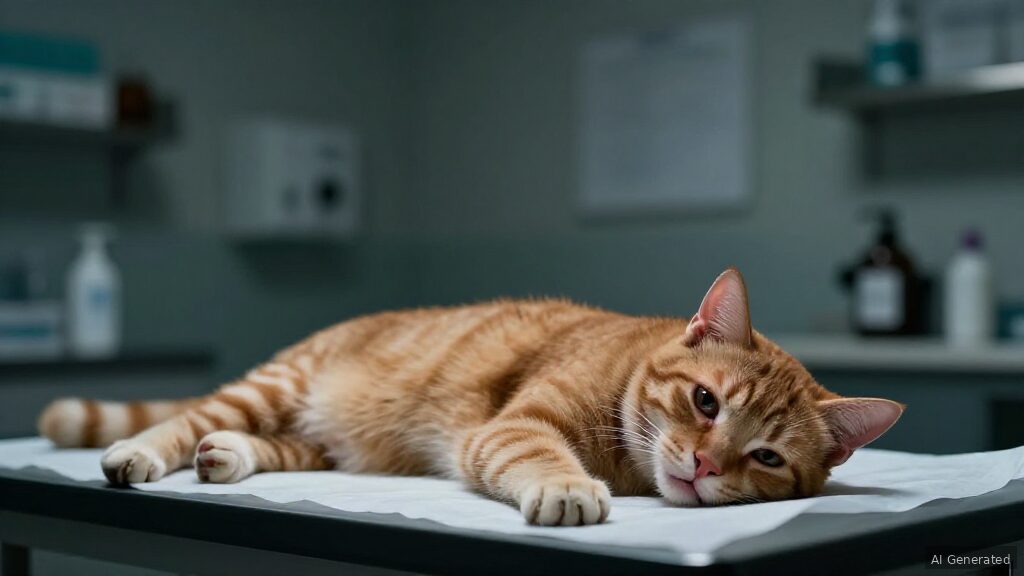
The Second Cause of Cat Medication Failure: Stress Responses and Behavioral Issues
Extreme Resistance and Aggression in Cats During Medication Administration
Cats are naturally very sensitive to unfamiliar objects or forced manipulation. The process of administering medication is a major stressor for cats, causing them to show extreme resistance and aggression. When an owner catches a cat or forcibly opens its mouth, the cat perceives this as an invasion of its territory, triggering defensive instincts like biting or scratching. This is not just stubbornness but a natural survival response to the fear and anxiety the cat feels. If an owner tries to force the medication, the cat will experience greater stress, fail to swallow the medicine, or refuse to open its mouth, leading to the failure of the entire administration process.
From an ethological perspective, a cat’s resistance stems from the fear of “loss of autonomy.” Therefore, it is more important to give the cat a choice or reduce stress by changing the environment than to force medication. For example, instead of catching the cat to feed it, provide the medicine at a location or time the cat likes, or adopt a strategy of reducing the dosage and administering it in multiple small portions. Understanding the cat’s psychology and creating an environment where the cat can eat the medicine on its own is key to improving treatment efficiency, rather than forcing it.
Cats’ Rejection Response to the Smell and Taste of Medication
Cats have very sensitive olfactory and gustatory senses, so they immediately refuse to eat if the smell or taste of the medication is unpleasant. Especially strong chemical smells generated by liquid medications or crushing capsules make cats extremely averse to them. When an owner mixes medicine into the cat’s food, it frequently happens that the cat smells the medicine and stops eating other food, or vomits immediately after putting the medicine in its mouth. This goes beyond simply “disliking the medicine”; it is the result of behavioral learning (Operant Conditioning) where the cat recognizes and avoids the drug ingredients. If a cat has a negative experience once, it will refuse all future administration attempts based on its memory of that drug.
To overcome this rejection response, it is necessary to minimize the smell of the medication or administer it completely separated from the cat’s favorite food. For example, grinding capsules and providing them in medicinal jelly or special containers is effective in reducing the smell of the medicine and neutralizing the taste to lower the cat’s rejection response. Additionally, it is necessary to use behavior modification techniques that provide a favorite treat immediately after administration to instill the positive perception that “taking medicine = good thing.” This helps reduce the cat’s fear of the situation where it must take medicine and helps it accept the treatment process more smoothly.
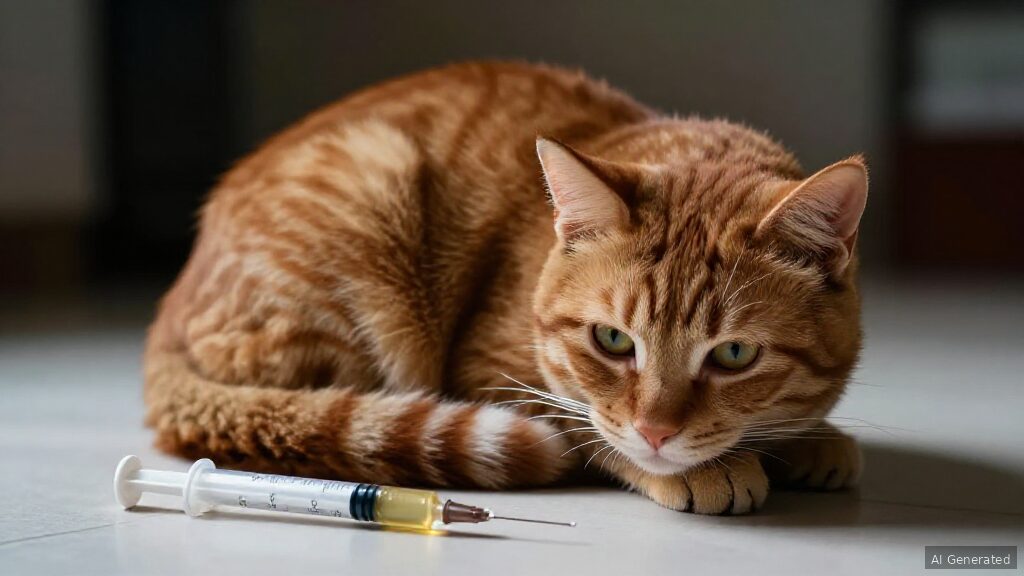
The Third Cause of Cat Medication Failure: Owners’ Incomplete Administration and Dosage Errors
Misunderstanding Prescription Dosages and Risks of Owner-Adjusted Dosages
The most common mistake owners make is failing to strictly follow the dosage prescribed by the veterinarian or arbitrarily adjusting the dosage based on their own judgment. While veterinarians prescribe optimal dosages considering the cat’s weight, age, and health status, owners often think, “The cat doesn’t want to eat it, so I should reduce the amount,” and split the medicine in half or divide it into multiple doses throughout the day. However, drug concentrations must be regulated with extreme precision; arbitrarily changing them can reduce therapeutic effects or, conversely, cause addiction symptoms due to overdose. Especially, antibiotics and sedatives must maintain a specific concentration to be effective; failing to maintain this concentration renders the treatment itself ineffective.
According to veterinary pharmacology research, medications arbitrarily adjusted by owners can reduce therapeutic effects by 30~[percentage missing in source] and lead to treatment failure. Additionally, the act of reducing dosage thinking “a small amount is enough” or “if you don’t feed it, the cat will die” can actually delay the cat’s recovery and cause additional complications. Therefore, after receiving a prescription, owners must strictly follow the veterinarian’s instructions and consult with a veterinarian to get a revised prescription if dosage adjustment is necessary. Adjusting the dosage based on one’s own judgment is one of the biggest risks threatening the cat’s health.
Irregularity in Administration Time and Method
During the treatment process requiring consistent medication, mistakes such as irregular administration times or inconsistent changes in administration methods by owners cause treatment failure. For example, forgetting to take medicine once a day, or the administration method changing every time the owner changes, causing confusion in the cat. This disrupts the cat’s circadian rhythm and prevents the medicine from being absorbed and acting normally in the body. Additionally, arbitrarily changing administration times can make blood drug concentrations unstable, reducing therapeutic effects or causing side effects.
Maintaining consistency in administration time and method is essential to give the cat a sense of security and maximize the drug’s effects. Owners should record administration times and feed the medicine at the same time every day as much as possible. Additionally, maintain the administration method consistently so the cat can learn to take medicine in a specific scenario. For example, create a rule like “Give medicine after dinner at 8 PM” and stick to it. If the owner changes, explain the administration method in detail to the new owner and guide them to follow consistent rules. Such irregularity is the biggest cause of reducing the cat’s treatment effectiveness and lowering the owner’s sense of responsibility.
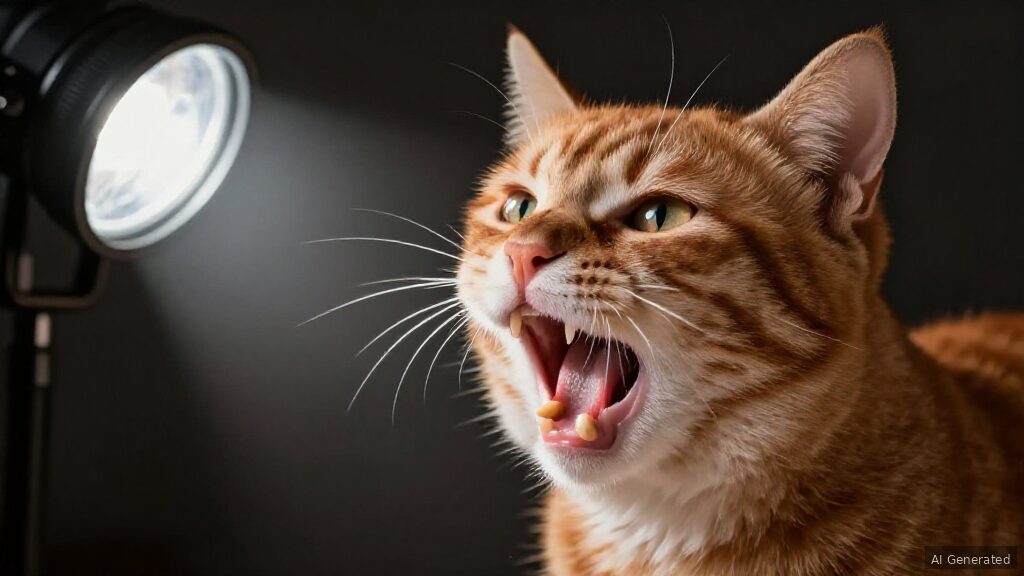
The Fourth Cause of Cat Medication Failure: Wrong Medication Selection and Storage Mistakes
Differences and Risks Between Cat-Specific Medications and Human Medications
Cases often occur where owners think, “Human medicine is more reliable, so let’s give it to the cat,” and use human medication for cats. However, human medications often do not match the cat’s metabolic system, and specific ingredients can be fatal toxins for cats. For example, acetylsalicylic acid (aspirin) can cause severe gastrointestinal disorders and poisoning in cats, and paracetamol can destroy red blood cells, causing anemia. Additionally, human medications are prescribed in dosages that do not consider the cat’s weight and metabolic rate, so they are unsafe even if the owner adjusts them arbitrarily.
Therefore, when administering medication to a cat, always use cat-specific medications prescribed by a veterinarian, and never use human medications. Cat-specific medications are precisely manufactured considering the cat’s weight, age, and health status, and consist of safe ingredients with minimized side effects. Be careful not to fall into the temptation of using human medications, and strictly follow the veterinarian’s prescription. If abnormal symptoms appear after feeding a cat human medication, visit a veterinarian immediately for emergency treatment.
Mistakes in Medication Storage and Neglect of Expiration Date Checks
Mistakes such as storing medications incorrectly or administering them without checking the expiration date are also major causes of treatment failure. Especially, liquid medications and capsules are sensitive to temperature and humidity; if stored incorrectly, the ingredients may deteriorate, reducing effectiveness or generating harmful substances. For example, if medicines requiring direct sunlight or refrigeration are left at room temperature, the drug’s efficacy decreases rapidly. Additionally, expired medications can generate toxins due to ingredient decomposition, which can cause serious health problems if fed to cats.
Owners must always check the expiration date before administering medication and comply with recommended storage methods (refrigeration, room temperature, moisture control, etc.). Especially, liquid medications must be used within a certain period after opening; failing to do so can harm the cat’s health due to microbial contamination. Additionally, medicine bottle caps must be tightly closed, stored away from direct sunlight, and kept in a safe place where the cat cannot reach them. Preventing these basic storage mistakes is essential for providing safe medication to cats.
Advanced Information: Ethological Tips to Prevent Cat Medication Failure and Solutions for Common Mistakes
To prevent cat medication failure, it is important to understand the cat’s behavioral characteristics, not just medical knowledge. Cats experience stress when owners force them to take medicine, which reduces treatment effectiveness in the long term. Therefore, owners should create an environment where the cat can eat the medicine on its own, rather than forcing it. For example, use the cat’s favorite treats to hide the medicine or reduce the smell of the medicine. Additionally, maintain consistent administration times and observe the cat’s response after administration to evaluate treatment effectiveness.
Common mistakes include owners thinking “a small amount is enough” or “if you don’t feed it, the cat will die” and reducing the dosage. This can actually delay the cat’s recovery and cause additional complications. Therefore, after receiving a prescription, owners must strictly follow the veterinarian’s instructions and consult with a veterinarian to get a revised prescription if dosage adjustment is necessary. Adjusting the dosage based on one’s own judgment is one of the biggest risks threatening the cat’s health.
Additionally, maintaining consistency in administration time and method is essential to give the cat a sense of security and maximize the drug’s effects. Owners should record administration times and feed the medicine at the same time every day as much as possible. Additionally, maintain the administration method consistently so the cat can learn to take medicine in a specific scenario. For example, create a rule like “Give medicine after dinner at 8 PM” and stick to it. If the owner changes, explain the administration method in detail to the new owner and guide them to follow consistent rules.
As advanced information, consider the cat’s age-specific administration characteristics. Kittens have rapid and sensitive drug metabolism, posing a high risk of overdose, while adult cats’ dosages vary depending on weight and health status. Senior cats may accumulate medication due to slowed drug metabolism caused by liver function decline, so dosages must be carefully adjusted. Additionally, personality differences (active/shy/aggressive) must also be considered. Aggressive cats experience greater stress if forced to take medicine, while shy cats may reject it just from the smell of the medicine. Therefore, it is important to create an administration strategy tailored to the individual cat’s characteristics.
Finally, it is necessary to resolve the paradox of product comparison and selection so that the owner feels “this product is reasonable.” When comparing prices, make the owner realize that cheaper medicine can be more expensive in the long term by comparing surgery costs vs. preventive costs. Resolve the paradox of choice by narrowing down recommended products to 2-3 options so the owner does not feel confused. Utilize the loss aversion principle by presenting “problems that will arise if not done” first, so the owner recognizes the importance of treatment.
Practical Application Guide: 5-7 Specific Action Checklists You Can Start Doing Today
Now, based on the theoretical knowledge, we provide specific action guidelines that can be implemented immediately starting today. By following this guide, owners can prevent cat medication failure and provide safe treatment.
- 1. Check Prescription Ingredients and Request Sugar-Free Medications (Time Required: 5 minutes, Items Needed: Prescription, Veterinarian Contact)
Immediately after receiving a prescription from a veterinarian, the owner must carefully check the medication’s ingredient list. Especially, it is essential to check if toxic ingredients for cats such as sugar, artificial sweeteners, chocolate, grapes, onions, etc., are included. If such ingredients are included, contact the veterinarian immediately to request sugar-free alternative medications or special prescriptions. This is the first essential step for preventing cat diabetes and obesity. - 2. Record Administration Times and Establish Rules (Time Required: 3 minutes, Items Needed: Diary, Pencil)
The owner should establish a rule of feeding medicine at the same time every day and record it in a diary. Irregular administration times can make blood drug concentrations unstable, reducing therapeutic effects. For example, create a rule like “Give medicine after dinner at 8 PM every day” and strictly follow it. This is essential to give the cat a sense of security and maximize the drug’s effects. - 3. Absolute Ban on Human Medications and Use of Cat-Specific Medications (Time Required: 1 minute, Items Needed: Cat-Specific Medication, Remove Human Medication)
Owners must absolutely prohibit the act of feeding human medication to cats. Human medications do not match the cat’s metabolic system and can cause fatal toxicity. Therefore, always use cat-specific medications prescribed by a veterinarian, and completely remove human medications from the cat’s environment. Be careful not to fall into the temptation of using human medications, and strictly follow the veterinarian’s prescription. - 4. Observe Cat’s Response After Administration and Provide Positive Rewards (Time Required: 5 minutes, Items Needed: Cat’s Favorite Treat)
After administering the medicine, the owner must carefully observe the cat’s response. Check if the cat swallowed the medicine well and if there is vomiting or abnormal symptoms. Additionally, use behavior modification techniques that provide a favorite treat immediately after administration to instill the positive perception that “taking medicine = good thing.” This helps reduce the cat’s fear of the situation where it must take medicine and helps it accept the treatment process more smoothly. - 5. Comply with Medication Storage Methods and Check Expiration Dates (Time Required: 2 minutes, Items Needed: Refrigerator, Light-Blocking Container)
Owners must always check the expiration date before administering medication and comply with recommended storage methods (refrigeration, room temperature, moisture control, etc.). Liquid medications must be used within a certain period after opening; failing to do so can harm the cat’s health due to microbial contamination. Additionally, medicine bottle caps must be tightly closed, stored away from direct sunlight, and kept in a safe place where the cat cannot reach them. - 6. Absolute Ban on Adjusting Dosage and Consult with Veterinarian (Time Required: 2 minutes, Items Needed: Veterinarian Contact)
Owners must absolutely prohibit the act of arbitrarily adjusting prescription dosages. While veterinarians prescribe optimal dosages considering the cat’s weight, age, and health status, owners often think, “The cat doesn’t want to eat it, so I should reduce the amount,” and split the medicine in half or divide it into multiple doses throughout the day. However, drug concentrations must be regulated with extreme precision; arbitrarily changing them can reduce therapeutic effects or cause addiction symptoms due to overdose. Therefore, after receiving a prescription, owners must strictly follow the veterinarian’s instructions and consult with a veterinarian to get a revised prescription if dosage adjustment is necessary. - 7. Alleviate Cat’s Stress Response and Create Environment (Time Required: 5 minutes, Items Needed: Cat’s Favorite Toy, Concealable Container)
Instead of forcing medication, owners should create an environment where the cat can eat the medicine on its own. For example, use the cat’s favorite treats to hide the medicine or reduce the smell of the medicine. Additionally, maintain consistent administration times and observe the cat’s response after administration to evaluate treatment effectiveness. This is essential to reduce the cat’s stress and improve treatment efficiency.
FAQ 5-6: Specific Questions Readers Actually Search For and Detailed Answers
Q1. What should I do if my cat refuses to take medicine?
A cat refusing to take medicine is a very common phenomenon, and forcing it can increase the cat’s stress and lead to treatment failure. In this case, the owner should try reducing the dosage and administering it in multiple small portions, or hiding the medicine using the cat’s favorite treats. Additionally, grinding the capsule and providing it in medicinal jelly or special containers to reduce the smell is effective. If the cat still refuses with these methods, consult a veterinarian to consider other forms of medication (e.g., injections, patches). Never threaten the cat or forcibly open its mouth to feed it; it is important to create an environment where the cat can eat the medicine on its own.
Q2. What should I be careful about when administering medication to a cat with diabetes?
If a cat has diabetes, the sugar content of the medication must always be checked. Liquid medications containing sugar can cause a cat’s blood sugar levels to rise sharply, interfering with diabetes management, so request sugar-free alternative medications. Additionally, be careful when grinding the medicine yourself or mixing it with other food, as sugar may be added. It is essential to consult a veterinarian to choose sugar-free medications, and monitor the cat’s blood sugar changes after administration. If the cat shows symptoms of anorexia or vomiting after taking medicine containing sugar, visit a veterinarian immediately for emergency measures.
Q3. What should I be careful about when administering medication to a senior (elderly) cat?
Senior cats have slowed drug metabolism due to liver function decline, posing a high risk of medication accumulation in the body. Therefore, owners must carefully follow the prescribed dosage by the veterinarian and adjust the dosage if necessary. Additionally, maintain consistent administration times to keep blood drug concentrations stable, and carefully observe the cat’s response after administration. Senior cats are highly sensitive to medications, so side effects can occur easily; owners must be familiar with the medication’s ingredients and side effects beforehand. If abnormal symptoms appear, visit a veterinarian immediately for treatment.
Q4. Is it safe to feed human medication to a cat?
Human medications do not match the cat’s metabolic system and can cause fatal toxicity due to specific ingredients, so they must never be fed to cats. For example, acetylsalicylic acid (aspirin) can cause severe gastrointestinal disorders and poisoning in cats, and paracetamol can destroy red blood cells, causing anemia. Additionally, human medications are prescribed in dosages that do not consider the cat’s weight and metabolic rate, so they are unsafe even if the owner adjusts them arbitrarily. Therefore, when administering medication to a cat, always use cat-specific medications prescribed by a veterinarian, and never use human medications.
Q5. Does not eating medicine mean treatment failure?
If a cat does not eat medicine, therapeutic effects can drop significantly or the treatment can fail. Especially, antibiotics and sedatives must maintain a specific concentration to be effective; failing to maintain this concentration renders the treatment itself ineffective. Additionally, medications arbitrarily adjusted by owners can reduce therapeutic effects by 30~[percentage missing in source] and lead to treatment failure. Therefore, after receiving a prescription, owners must strictly follow the veterinarian’s instructions and consult with a veterinarian to get a revised prescription if dosage adjustment is necessary. Adjusting the dosage based on one’s own judgment is one of the biggest risks threatening the cat’s health.
Q6. What is the optimal time for administering cat medication?
The optimal time for administering cat medication is when the cat is most comfortable and experiences the least stress. For example, create a rule like “Give medicine after dinner at 8 PM” and stick to it. Additionally, maintain consistent administration times to give the cat a sense of security, and observe the cat’s response after administration to evaluate treatment effectiveness. If the owner changes, explain the administration method in detail to the new owner and guide them to follow consistent rules. Such irregularity is the biggest cause of reducing the cat’s treatment effectiveness and lowering the owner’s sense of responsibility.
Conclusion
Cat medication failure is not simply an owner’s mistake, but the result of various factors acting in combination, such as differences between medication ingredients and the cat’s constitution, behavioral issues, and owners’ incomplete administration. By following the specific guidelines presented in this article, such as choosing sugar-free medications, maintaining consistency in administration times, banning human medications, and alleviating the cat’s stress, owners can receive great help in protecting their cat’s health. Owners must strictly follow the veterinarian’s instructions for their cat’s health and manage the administration process safely. Check for more cat behavioral enrichment information at PlayCat (playcat.xyz).
This content was written using AI technology. Always consult a veterinarian for medical-related information.