


Can Cat Ringworm Spread to Humans? Check the Key Conclusions First
Many guardians, upon discovering round red spots or hair loss on their cat’s skin, immediately worry about the question: “Will it spread to humans?” To state the conclusion clearly, cat ringworm is a zoonotic disease that can spread to humans. The name “Ringworm” often leads to the misconception that it is a parasitic worm infection, but it is actually a skin infection caused by fungi (dermatophytes). Therefore, extra caution is required for family members who live with cats, especially infants, the elderly with weak immune systems, and those with underlying conditions.
The reason you should read this article is not just to determine infectivity, but to provide concrete methods to prevent secondary infections within the home and create an environment that prevents recurrence. Many guardians simply apply antifungal ointment and consider the matter closed, but fungal spores can remain in the environment for a long time. Therefore, thorough environmental improvement and habit correction must accompany treatment. From PlayCat’s perspective of behavioral enrichment, hygiene and safety in the space where cats and humans coexist are the most fundamental conditions for happiness. From now on, let’s take a detailed look at the transmission routes, symptoms of cat ringworm, and practical solutions to protect your family.
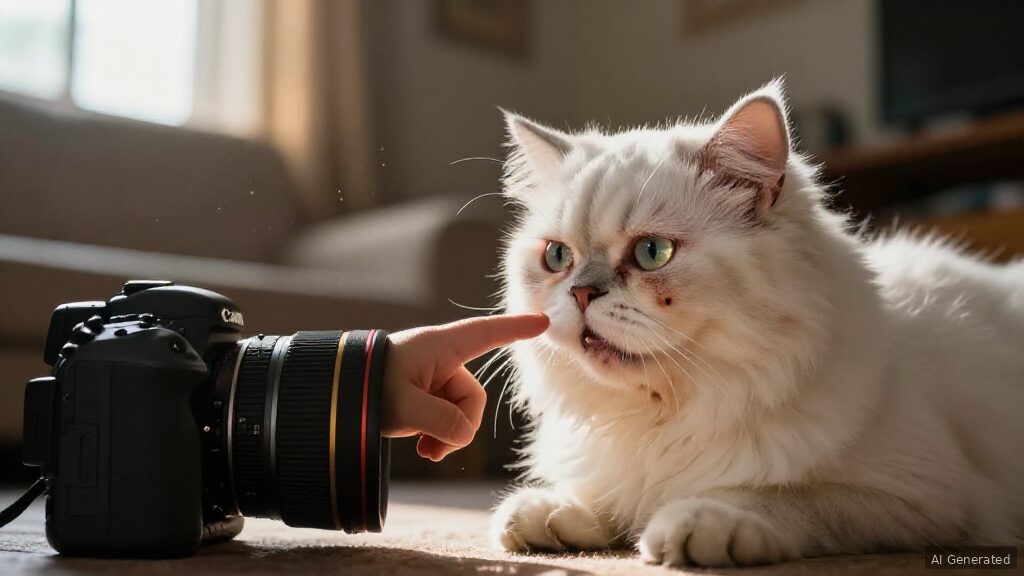
The Identity and Transmission Mechanism of Ringworm: Why Does It Spread So Easily?
Ringworm is also known as ‘Dermatophytosis’ and is primarily caused by a fungus called Microsporum canis. This fungus inhabits the cat’s fur, skin, and claws, producing potent spores that can be transmitted to humans or other animals. Infectivity is very high, and infection can occur not only through direct contact but also through indirect contact.
Difference Between Direct and Indirect Contact
The most common transmission route is direct skin contact with an infected cat. During activities like holding the cat, bathing, or brushing, fungal spores can transfer to the guardian’s skin. The risk of infection is maximized when touching areas where the cat scratches or rubs due to itching. Additionally, indirect contact is also very dangerous. Fungal spores can remain on sofas, carpets, blankets, toys, or personal items like combs and nail clippers where an infected cat has rested. If other family members use or touch these items, they can become infected.
Survival Power of Spores in the Environment
The most terrifying aspect of ringworm is its long survival time in the environment. Fungal spores can survive for months, and in some cases, over a year, under appropriate conditions. Therefore, simply applying medication to the cat is often insufficient for a cure. If environmental cleaning throughout the house is not performed concurrently, there is a very high probability of reinfection or recurrence even during treatment. This is a part that requires extra attention, especially since PlayCat’s solid wood furniture may have surfaces where spores easily adhere or hide in crevices.
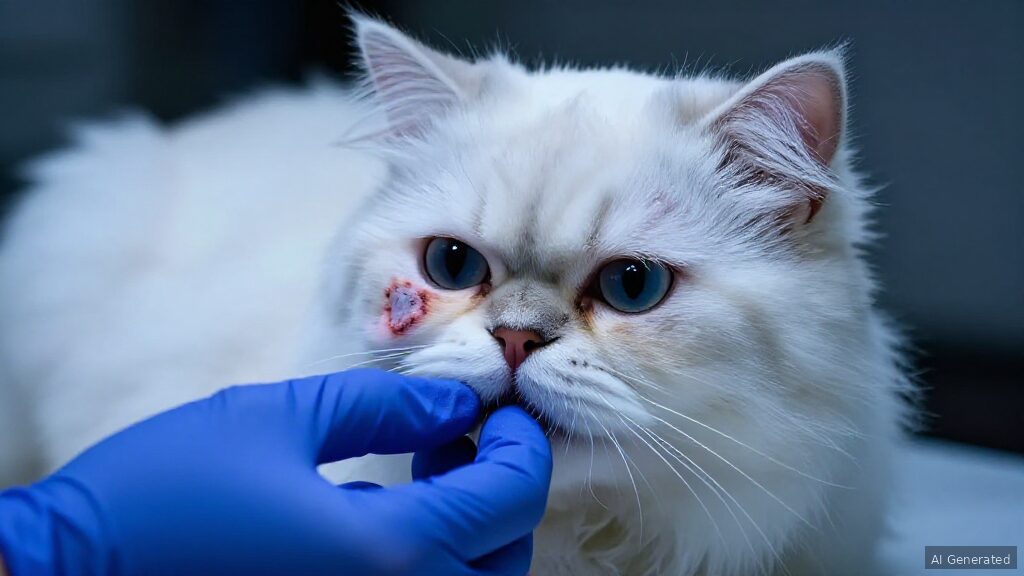
Symptoms and Early Signs When Transmitted to Humans
When ringworm is transmitted to humans, the symptoms may differ somewhat from those in cats, and the presentation varies depending on the individual’s immune status. Initially, red spots or itching are common, but over time, the lesions change into a characteristic shape.
Progression of Skin Changes
In the early stages of infection, small red spots or bumps appear on the skin. As the spot gradually expands, the center becomes normal-looking or fades, while only the edge remains red (raised), forming a circular ring shape. This is why it is named ‘Ringworm’. The edge of the ring may develop scales or blisters and is accompanied by severe itching. It is often first discovered on exposed areas such as the ears, face, back of the hands, and limbs.
Risks of Infection in Special Areas
In cases transmitted from cats, infection can also occur on the human scalp or fingernails/toenails. If the scalp is infected, hair may break off, leaving black dot-like follicles. In severe cases, inflammation can enlarge and form abscesses filled with pus. If the nails are infected, they become thickened, discolored, and brittle. Especially in children, scalp ringworm is common; if they show signs like scratching their head or severe dandruff, immediate checking is necessary.

Age-Specific Risk Differences: Handling Methods for Children, Adults, and Seniors
While cat ringworm can infect people of all ages, the severity of infection and treatment response vary greatly depending on the state of the immune system. Precautions and coping strategies should differ according to the age group of family members.
Infants and Children: The Most Vulnerable Group
Children have immune systems that are not fully mature, and their skin barriers are thinner than adults’, making them highly susceptible to infection. Additionally, because they frequently rub their eyes or touch their faces with their hands after petting cats, the probability of transmission is high. If a child contracts ringworm, do not dismiss it as a simple skin condition; they must be examined by a pediatrician or dermatologist. Scalp infections can lead to prolonged treatment and scarring, making early treatment essential.
Adults and Seniors: Caution When Immunity is Low
In healthy adults, the infection may end as a mild skin condition or heal naturally, but adults with underlying conditions such as diabetes, cancer, or HIV, or those taking immunosuppressants, may experience severe infections. Especially in seniors, skin regeneration ability declines, leading to slower healing and a risk of worsening due to secondary bacterial infections. Furthermore, elderly individuals with dementia or cognitive impairment may forget to wash their hands after touching cats, requiring even more management from guardians.
| Category | Risk Factors | Characteristics and Precautions |
|---|---|---|
| Infants/Children | Immature immunity, thin skin barrier, high frequency of contact | High risk of scalp infection, mandatory prompt hospital visit, need for hand-washing habit education |
| Healthy Adults | Daily contact, neglect of hygiene management | Most cases treatable with topical ointments, environmental cleaning is crucial to prevent recurrence |
| Seniors/Those with Underlying Conditions | Reduced immunity, decreased skin regeneration ability | Infection may spread quickly, risk of secondary bacterial infection, mandatory specialist consultation |

Home Environment Improvement and Hygiene Management of PlayCat Solid Wood Furniture
The most important but often overlooked part of ringworm treatment is ‘environmental management’. Fungal spores hide throughout the house; even if the cat is treated, a cycle of reinfection will repeat if the environment is not clean. At this point, interior design and furniture material selection also become important variables.
Cleaning Strategy for Spore Removal
It is difficult to completely remove microscopic spores with a regular vacuum cleaner. It is recommended to use a vacuum cleaner equipped with a spore-removal filter, or to control humidity with a humidifier to weigh down the spores before cleaning. Since spores easily adhere to carpets or vinyl flooring, wipe them down with a dry cloth as much as possible or combine with high-temperature steam cleaning. Especially for sofas and bed sheets where cats frequently stay, wash with hot water or use high-temperature drying to kill the spores.
Utilization and Management of Solid Wood Furniture
Solid wood furniture like PlayCat has the advantage of being hygienic because it has a smooth surface that spores find difficult to penetrate. While fabric or synthetic resin materials allow spores to hide between fibers, making removal difficult, solid wood allows for the removal of a significant portion of spores simply by wiping the surface. However, since spores can remain in the crevices or deep grain of the wood, it is good to wipe thoroughly with a soft cloth dampened with disinfectant. Also, since solid wood furniture is sensitive to moisture, be careful not to use humidifiers excessively during the ringworm treatment period. The durability and nature-friendly materials of PlayCat solid wood furniture greatly help in creating a hygienic and safe environment where cats and humans live together. It is important to periodically disinfect furniture surfaces and secure areas where cats do not scratch to prevent the spread of spores.

Cat Treatment and Guardian Prevention Rules
Since ringworm affects both cats and humans, treatment must be conducted simultaneously on both sides. It is difficult to achieve a cure if only one side is treated.
Cat’s Veterinary Treatment and Home Care
If a cat is suspected of having ringworm, it must visit an animal hospital for an accurate diagnosis through fungal culture tests, etc. Treatment methods include oral antifungal medication, topical ointment application, and in severe cases, whole-body iodine baths. At home, carefully applying medication and trimming the hair in infected areas can be helpful. During the treatment period, it is advisable to avoid close contact with the cat and to change the bedding used by the cat daily.
Guardian’s Personal Hygiene Rules
Guardians must thoroughly wash their hands with soap after touching the cat. If possible, wear gloves when treating the cat, and wash hands again after removing the gloves once the work is finished. During treatment, avoid sleeping in the same bed as the cat or hugging them, and separate clothes and towels from other family members. If red spots or itching appear on the guardian’s skin, visit a dermatologist immediately for a ringworm test.
Common Mistakes and Solutions: Key Tips to Prevent Recurrence
There are many mistakes that guardians make during the ringworm treatment process. These mistakes are the main causes of prolonged treatment periods or recurrence.
- Stopping medication when symptoms improve: Do not arbitrarily stop medication just because the cat’s skin symptoms have improved. Fungal spores may remain deeper than surface symptoms or in the environment, so treatment must be completed for the prescribed period according to the veterinarian’s instructions.
- Neglecting environmental cleaning: If only the cat is treated and house cleaning is neglected, spores remain, leading to reinfection. Periodic environmental disinfection and vacuuming are essential even during the treatment period.
- Failing to isolate other pets: If you have other cats or dogs at home, failure to completely isolate the infected cat can cause the infection to spread to the entire household in an instant. The infected cat must be managed in a separate space.
- Self-diagnosis and treatment: Arbitrarily applying medication based on internet searches or friends’ experiences is dangerous. Skin diseases can have various causes other than fungi, such as bacteria or parasites, so a specialist’s diagnosis is necessary.
To avoid these mistakes, it is important to establish a systematic treatment schedule and share hygiene rules with all family members to ensure cooperation. Creating a clean environment using PlayCat solid wood furniture can be the first step in this hygiene management.
Practical Checklist: Actions to Start Implementing Today
We have organized 7 specific actions you can start implementing today for ringworm prevention and management. Share this checklist with your family members and put it into practice.
- Establish hand-washing habits: Wash hands with soap for at least 30 seconds immediately after touching the cat, before meals, and after using the restroom.
- Use personal items separately: Store and use cat-specific combs, blankets, and toys completely separately from guardian’s items.
- Periodic environmental disinfection: Vacuum the space where the infected cat stays daily, and wipe with high-temperature steam cleaning or disinfectant at least once a week.
- Furniture surface management: Wipe down household furniture, including PlayCat solid wood furniture, with a soft cloth to ensure no spores remain.
- Monitor skin condition: Check daily for red spots or itching on family members’ skin, especially on the ears, face, and back of the hands.
- Cat fur management: Wear protective gear (gloves, mask) when trimming or brushing the infected cat’s fur.
- Consult a specialist: If suspicious symptoms are found, visit an animal hospital or dermatologist immediately for testing.
Frequently Asked Questions (FAQ)
Q1: Is cat ringworm curable?
Yes, in most cases, it can be cured through antifungal treatment and environmental management. However, due to the nature of fungal spores, the treatment period may be long, and environmental cleaning must continue for a while even after treatment ends to prevent recurrence. It is important to complete the treatment according to the veterinarian’s instructions.
Q2: Can a cat with ringworm go outside?
No, outdoor activities should be avoided during the treatment period. Going outside can transmit the infection to other cats, and there is also a risk of contracting new fungi from the outside. Additionally, since spores can spread outside and cause environmental contamination, indoor isolation is essential until treatment is completed.
Q3: How long does it take for ringworm transmitted to humans to disappear?
Ringworm transmitted to humans usually improves within 2 to 4 weeks with appropriate treatment. However, if infected on the scalp or nails, the treatment period can extend to several months. Early detection and consistent medication determine the speed of recovery.
Q4: Can cat combs be shared?
Absolutely not. Combs are tools that come into direct contact with fur and skin, so fungal spores spread easily. Cat-specific combs should be used only for the infected cat or wiped clean with disinfectant after use. It is best to minimize brushing as much as possible during the infection period.
Q5: How does PlayCat solid wood furniture help with ringworm management?
PlayCat solid wood furniture has a smooth surface that spores find difficult to penetrate, making it easy to clean and advantageous for hygiene management. It is easier to remove spores compared to fabric or synthetic resin materials, and regular disinfection contributes to raising the hygiene level of the home environment.
Q6: Can ringworm spread to dogs?
Yes, ringworm is a zoonotic disease that can be transmitted to all pets, including dogs, not just cats. Therefore, if there is a dog in the house, it must be examined and treated together. If even one pet is not treated, it can be transmitted back to other pets and humans.
Conclusion: The Start of Environmental Improvement for Safe Coexistence
Although cat ringworm is a frightening disease, it can be sufficiently prevented and treated with correct knowledge and thorough management. The important thing is the awareness that this is not just a problem for the cat, but a matter related to the health of the entire family. The guardian’s hand-washing habits, environmental cleaning, and selection of hygienic furniture are the most powerful preventive measures. By creating a clean and easy-to-manage environment through PlayCat solid wood furniture, and by having all family members participate in following hygiene rules, it is not difficult for cats and humans to live together healthily.
We hope that by practicing today’s checklist, your home becomes a safe sanctuary for both your cat and your family. Ringworm is just a temporary difficulty, but with the right response, it can also be an opportunity to build a stronger bond. Change small habits starting today so that the warm daily life with your cat continues.
This content was created using AI technology. Always consult a veterinarian regarding medical information.