


Sensory Deprivation in Indoor Cats and the Solution: Sensory Enrichment
In modern society, the lives of pet cats are increasingly confined indoors. In the past, they roamed between the house and yard, chasing prey and exploring various terrains to experience all the stimuli of nature. However, indoor cats live restricted lives lacking spacious environments and rich environmental stimuli. This environment causes mental stress in the form of ‘boredom’ for cats, which leads to various behavioral problems such as excessive grooming, inappropriate urination, and increased aggression. Cats are instinctively hunters, and the hunting process requires the full mobilization of all five senses: visual tracking, auditory localization, tactile paw sensations, and olfactory information gathering.
This is where ‘Sensory Enrichment’ emerges as a key solution. It does not simply mean adding more toys. It refers to a systematic approach to creating a complex and diverse environment similar to the wild by stimulating the cat’s five senses: sight, smell, hearing, touch, and taste. It aims to awaken atrophied sensory abilities due to isolation from the outside world and stimulate the brain’s neuroplasticity to promote emotional stability. As seen in incidents like the zoo escape in Daejeon, the most important thing for animals is not just food and a safe place, but the ‘freedom of stimulation’ to fully utilize their sense of smell and sight. Just as professional detection dogs search using their thousands-of-times-superior sense of smell, cats also feel true happiness when they can fully exercise their senses.
Sensory enrichment is a scientific methodology that extends a cat’s lifespan and dramatically improves their quality of life. It means providing opportunities for cats to explore their environment, solve problems, and satisfy their hunting instincts on their own. Based on this philosophy, PlayCat proposes solid wood furniture and sensory stimulation tools optimized for cats, helping to turn the indoor environment from a boring cage into a rich playground. From now on, we will look in detail at specific methods to stimulate each of the five senses and strategies to apply them to daily life.
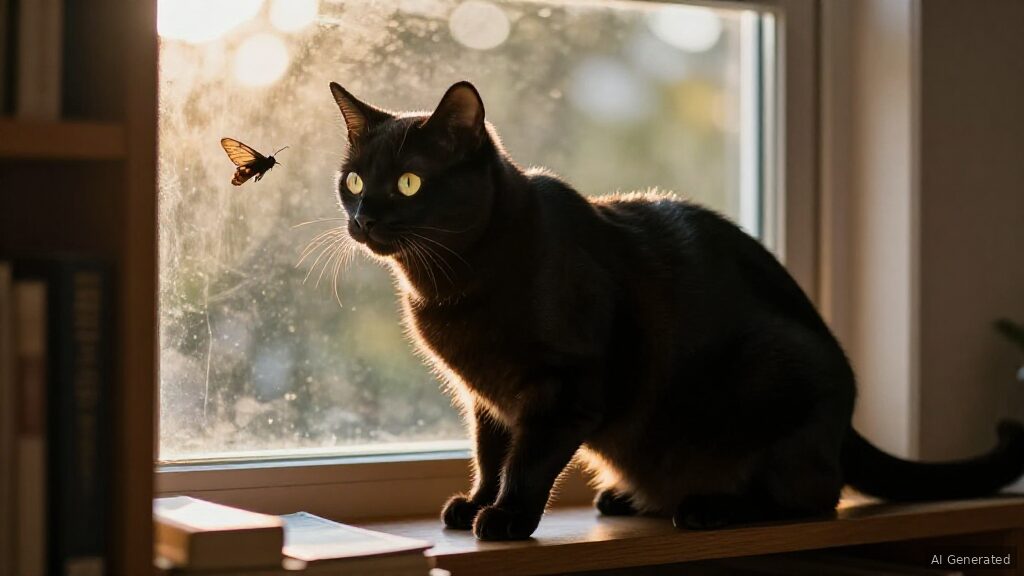
Visual Stimulation: Moving Shadows, the World Outside the Window, and Video Usage
A cat’s vision is quite different from humans. They are much more sensitive to moving objects than static ones, and they excel at identifying objects even in dark places. For indoor cats, the most powerful visual stimulus is the ‘window’. However, simply sitting by the window may not be enough. It is important to install a small table or perch by the window so the cat can sit or lie down comfortably and have an angle to look outside. Birds passing by, rustling leaves, people, and vehicles provide a constant ‘hunting simulation’ for the cat. If you install a bird feeder on the window or create an environment where birds can land on a tree, the cat can enjoy the view outside the window like ‘their own TV’.
At night or during rainy days when outdoor stimulation is lacking, visual stimulation using moving toys is essential. While laser pointers are preferred by many pet owners, be aware that they can cause frustration because they do not give the cat the sense of achievement of catching direct prey. Instead, use wand toys with feathers or electric toys to provide visual stimulation that allows for ‘physical contact,’ enabling the cat to jump, bat, and grab objects. At this time, the movement of the toy should mimic the natural flow of hunting. That is, it should move in patterns where it suddenly appears and disappears, or hides and pops out, to maximize the cat’s hunting instinct.
Recently, video content specifically for cats has gained great popularity. There are many videos on YouTube or streaming services where birds, mice, and fish fill the screen and move. Playing these videos on a high-definition TV or tablet serves as an excellent visual substitute for cats with limited indoor environments. However, interacting with the cat while watching is also important. For example, if you induce ‘interactive viewing’ by having the cat chase the screen with a toy when a bird flies in the video, or hiding treats in the direction the fish in the video is moving, the effect of visual stimulation is doubled. PlayCat’s solid wood shelves or window perches provide the optimal platform for cats to comfortably receive such visual stimuli. The time spent enjoying the view outside the window, combined with the stability provided by the texture of the wood, will be the ultimate relaxation to blow away the cat’s stress.
Olfactory Stimulation: Catnip, Silver Vine, and the World of Hidden Scents
A cat’s sense of smell is thousands to tens of thousands of times better than humans, making it the most important window through which they perceive the world. Every tiny scent entering their nose forms a sea of information, allowing them to determine environmental safety, the presence of other cats, and the location of prey. Therefore, olfactory stimulation is a very important factor directly linked to a cat’s emotional stability. Representative olfactory stimulants include ‘Catnip’ and ‘Silver Vine’. Catnip is a plant containing nepetalactone that gives cats temporary excitement and pleasure; many cats roll around or lick and play after smelling it. However, not all cats react to catnip, especially young kittens or senior cats. In such cases, Silver Vine is an excellent alternative. Silver Vine provides effects similar to catnip, but it is known that about 30-40% of cats that do not react to catnip do react to Silver Vine. Using the two alternately or mixing them can stimulate the cat’s sense of smell more diversely.
Another key to olfactory stimulation is ‘hiding’ and ‘exploring’. It is much more effective to hide treats or scented cloths in various corners of the house and let the cat smell and find them, rather than simply showing them a scented toy. This is called ‘Sniff Feeding’ or ‘Olfactory Exploration Play’. Simply hiding treats in a newspaper or cardboard box, or putting catnip in a cloth bag and placing it in a corner, allows the cat to mobilize their sense of smell to start hunting. This satisfies the instinct to rub their nose and explore to find food in the wild, keeping the brain active and relieving boredom. PlayCat’s solid wood furniture becomes the optimal place for such olfactory exploration play. The natural crevices in the wood or the space under the shelves become perfect hiding spots for treats, and the subtle scent unique to solid wood provides an additional effect of stimulating the cat’s sense of smell.
Creating a herb garden is also a great method for olfactory enrichment. Planting cat-safe herbs like bay leaves, rosemary, and basil in pots and placing them on the window allows the cat to experience various scents by smelling them directly and lightly chewing on the leaves. However, some plants can be toxic to cats, so you must ensure they are safe. Also, when introducing new scents, be careful not to overwhelm the cat by giving too much at once. By providing small amounts and changing them periodically, the cat can continue exploration activities without losing curiosity for new scents. The sense of smell is deeply connected to a cat’s memory; familiar scents provide stability, while new scents trigger interest. Consistently creating these changes in scent is the core strategy of sensory enrichment.
Auditory Stimulation: Nature Sounds, Music, and the Effect of Birdsong
Cats have very sensitive hearing and can hear frequencies far beyond the human audible range. They are particularly sensitive to high-frequency sounds, so they do not miss even the faint sounds made by mice or birds. Auditory stimulation is an important factor that breathes life into the indoor environment for cats. While too much noise can cause stress, natural background sounds can comfort cats or awaken their hunting instincts. The first thing to try is playing ‘nature sounds’. Playing rain, wind, flowing water, or insect sounds in the background can make the cat feel as if they are outside, relaxing their tension, or conversely, perk up their ears to focus on finding prey. Especially, the sound of rain or flowing water has a calming effect on cats, making it recommended for anxious cats or those needing sleep time.
Cat-specific music has also proven effective. Music for humans often has a tempo that is too fast or frequencies that do not match a cat’s hearing range, potentially causing stress. In contrast, music specifically for cats uses frequencies similar to cat vocalizations or incorporates melodies harmonious with nature sounds, known to lower a cat’s heart rate and provide stability. While research results suggest that certain songs by Spanish singers or classical music are effective for cats, the most important thing is to observe the cat’s reaction. You should select suitable music by checking if the cat perks up its ears, closes its eyes comfortably, or turns its back and leaves.
Birdsong is one of the most powerful auditory stimuli for cats. Hearing birds outside the window immediately stimulates a cat’s hunting instinct. To recreate this indoors, you can use bird sound players or toys that make bird sounds. In particular, a ‘bird sound mimic’ plays actual bird calls in various patterns, causing the cat to look out the window or chase the toy. The point of caution here is not to play it continuously. An irregular pattern of playing for a while, stopping, and then playing again maintains the cat’s curiosity for longer. Additionally, inducing the cat to hunt a toy while listening to bird sounds creates a multisensory experience stimulating both sight and hearing. PlayCat’s solid wood furniture plays a role in softly resonating these sounds. Wood absorbs noise and creates warm-toned sounds, helping the played nature sounds or music sound more comfortable.
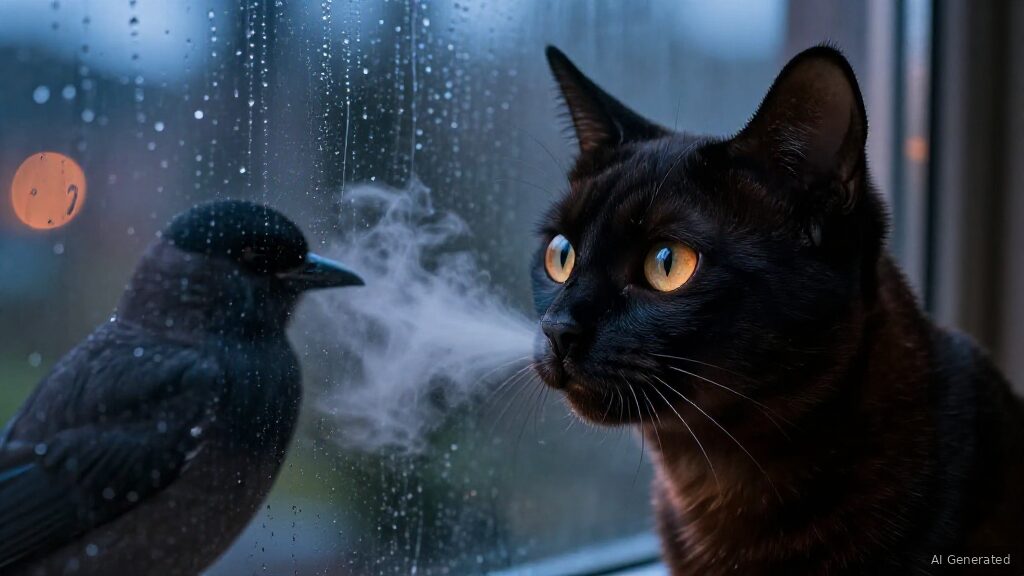
Tactile Stimulation: Experiencing Various Materials and the Role of PlayCat Solid Wood Furniture
A cat’s paw pads are very sensitive tactile organs that help them understand the environment through the material, temperature, and vibration of the floor. Also, each hair acts as an antenna to detect air flow and contact. Therefore, an environment where cats can touch and feel various materials is essential for tactile development. Most indoor cats live only on smooth floors or carpets, limiting their experience of various textures. To solve this, you must provide opportunities to encounter various materials such as solid wood, fabric, cardboard, sand, and grass. In particular, solid wood is a very popular material for cats. The natural grain and warmth of wood provide stability to cats, and the smooth and warm touch on their paw pads makes it highly preferred.
PlayCat’s solid wood furniture is a core solution that maximizes this tactile stimulation. More than just furniture, it provides vertical space where cats can experience various heights and textures. Solid wood shelves, swings, and perches induce various behaviors such as rubbing their bodies, rubbing with their paws, and lying down. The fine grain on the wood surface gives cats pleasure when grooming and provides stability when carrying their weight and moving. Additionally, solid wood furniture can be combined with other materials to create richer tactile experiences. For example, you can lay a soft fabric cushion on a solid wood shelf or attach a cardboard swing to experience the hardness of wood, the softness of fabric, and the rough texture of cardboard simultaneously.
Another method for tactile stimulation is diversifying ‘grooming stations’ and ‘scratchers’. Cats gain tactile comfort by grooming their fur. Provide combs or grooming toys of various textures so the cat can groom themselves or feel various textures when you brush them. Scratchers should also be prepared in various materials such as carpet, manila rope, cardboard, and solid wood, so the cat experiences different resistance and textures when sharpening their claws. PlayCat’s solid wood scratchers maintain the natural hardness of wood while providing grooves of appropriate depth for sharpening claws, offering a comprehensive tactile experience that includes the ‘rustling’ sound and vibration felt when the cat sharpens its claws. These diverse material experiences help develop the cat’s sensory nerves and improve their adaptability to the environment.
Gustatory Stimulation: Dietary Diversity and Food Exploration Play
Cats cannot detect sweetness, but they are very sensitive to the taste of amino acids and fats. In the wild, they consume a meat-based diet obtained through hunting, and the process of finding food itself is a great pleasure that stimulates both taste and smell. However, indoor cats often experience a simple meal routine of putting the same food in a bowl every day, making them prone to losing gustatory interest. For gustatory enrichment, you should aim for dietary diversity and changes in food delivery methods. First, it is good to vary the texture and taste of meals by periodically changing the type of food or mixing wet and dry food. Additionally, you can give fresh meat or fish safe for cats as treats to experience new tastes. However, sudden dietary changes can cause digestive disorders, so they must be introduced slowly in small amounts.
More importantly is ‘food exploration’. Instead of putting food in a bowl, use puzzle feeders or hiding games to let the cat find and get the food themselves. This simulates the final stage of hunting, ‘catching and eating,’ activating the brain and reducing the boredom of waiting for mealtime. Puzzle feeders are structured so the cat must bat, push with their nose, or lick to get the food, stimulating not only taste but also touch and cognitive abilities. You can also combine puzzle elements with PlayCat’s solid wood furniture. For example, you can induce the cat to find food themselves by drilling small holes in the corners of shelves to put treats in, or hiding treats inside movable solid wood blocks.
Also, providing gustatory pleasure through ‘drinks’ is a method. Cats tend to prefer running water, so creating a water fountain or a stream of flowing water is recommended. This provides not only gustatory but also auditory and visual stimulation. When using treat puzzles, you must choose a difficulty level suitable for the cat’s tendency. If it is too difficult, it causes frustration; if too easy, they lose interest quickly. It is important to gradually increase the difficulty so the cat can have successful experiences. Gustatory stimulation makes the cat perceive mealtime not just as a survival act, but as a joyful result of hunting.
Comparison of Sensory Enrichment Strategies by Age and Personality
The type and intensity of sensory stimuli preferred by cats differ depending on their age and personality. Therefore, rather than a one-size-fits-all approach, a customized strategy suitable for the individual cat’s characteristics is needed. You must design a sensory enrichment program considering the developmental stages and physical characteristics of kittens, adult cats, and senior cats.
| Category | Main Characteristics | Recommended Visual Stimulation | Recommended Olfactory/Tactile Stimulation | Precautions |
|---|---|---|---|---|
| Kitten (0-1 year) | Curiosity, excess energy, preference for play, learning phase | Fast-moving toys, laser (indirect), TV bird videos | Catnip, toys of various textures, solid wood mazes | Avoid overly strong stimuli and maintain a safe environment. Develop social skills through hunting play |
| Adult Cat (1-7 years) | Active, strong hunting instinct, preference for routine | Outdoor birds, interactive toys, hide-and-seek games | Silver vine, hiding treats, solid wood scratchers | Secure regular playtime and diversify stimuli to avoid boredom |
| Senior (7 years+) | Decreased energy, joint issues, increased sleep time | Soft nature videos, window resting, slow movements | Soft fabric, warm solid wood perches, mild catnip | Soft stimuli instead of high-intensity exercise. Create an environment that does not strain the joints |
Kittens are in a period where all senses are developing, so experiencing various textures and sounds is important. You must develop their brain by providing as many stimuli as possible within a safe range. On the other hand, senior cats may have physical limitations, so it is better to create an environment where they can comfortably lie down and enjoy sight and hearing rather than high-intensity hunting play. PlayCat’s solid wood furniture is designed so that cats of all ages can use it comfortably by combining adjustable height shelves and soft fabric cushions.
In terms of personality, cats can be divided into ‘introverted’ and ‘extroverted’. Extroverted cats easily accept new toys or people and react actively, so it is good to frequently change various stimuli. On the other hand, introverted cats may feel fear in new environments, so new things should be introduced gradually based on familiar stimuli. In particular, provide plenty of ‘hiding spots’ for introverted cats to ensure they do not get stressed.
Example Weekly Sensory Enrichment Schedule
Sensory enrichment is not something that ends in a day or two; it must become a consistent routine to be effective. Here is an example schedule to stimulate all five senses of your cat evenly over a week. This schedule can be flexibly adjusted to match your cat’s rhythm.
- Monday (Visual Day): Install a bird feeder on the window or play cat-specific bird videos for 30 minutes each in the morning and afternoon. In the evening, conduct a 15-minute hunting play session with a wand toy.
- Tuesday (Olfactory Day): Sprinkle catnip and silver vine on treats alternately. Apply ‘Sniff Feeding’ at lunchtime by hiding treats in a newspaper box for the cat to find.
- Wednesday (Auditory Day): Play rain or water sounds in the background to let the cat rest. In the afternoon, turn on a bird sound player and induce hunting play with a toy.
- Thursday (Tactile Day): Have the cat lie on PlayCat solid wood shelves and cardboard boxes alternately. Provide tactile comfort by grooming their fur with combs of various textures.
- Friday (Gustatory Day): Conduct food exploration play by putting different treats or wet food than usual into a puzzle feeder. Clean the water fountain and provide fresh water to add gustatory pleasure.
- Saturday (Comprehensive Stimulation Day): This is ‘Crazy Saturday’ where all senses are mobilized. Provide various stimuli in combination, such as looking out the window, playing music, sprinkling catnip, and giving treats with a puzzle feeder.
- Sunday (Rest Day): Let the cat rest on their own. Create a quiet environment so they can comfortably spend time basking in the sun on a warm solid wood perch.
This schedule provides unpredictable new experiences for the cat to prevent boredom and helps balance the five senses. The important thing is not to force it but to proceed while observing the cat’s reaction. Do not force stimuli the cat dislikes; instead, provide more of the stimuli they like.
Frequently Asked Questions (FAQ)
1. How much does it cost to start sensory enrichment?
Sensory enrichment does not necessarily require buying expensive toys. You can provide sufficiently effective stimulation by using newspapers, plastic bags, or cardboard boxes in the house. However, introducing professional solid wood furniture like PlayCat guarantees durability and safety, creating an environment where the cat can enjoy it for a longer time, which can be cost-effective in the long run. Even if the initial investment cost is low, the most important thing is to diversify stimuli through consistent management and new ideas.
2. What should I do if my cat does not respond to bird stimuli?
Not all cats respond to birds or movement. Preferences can vary depending on the cat’s personality and age. If they do not respond to visual stimuli, try switching to olfactory or auditory stimuli. It is good to use catnip or silver vine, or play nature sounds. You can also try providing stimuli during times when the cat is comfortable or approaching slowly after setting up a hiding spot.
3. Is solid wood furniture safe for cats?
PlayCat’s solid wood furniture is made using natural wood safe for cats and non-toxic coatings. Wood provides natural warmth and texture and has the appropriate hardness for sharpening claws, making it very suitable for cats. However, it is important to fix the furniture to the wall or install it stably so it does not tip over, and you must check that there are no small parts that the cat could chew and swallow.
4. Will sensory enrichment solve cat behavioral problems?
Sensory enrichment greatly helps in resolving the root causes of many behavioral problems. Excessive grooming, inappropriate urination, and aggression caused by boredom or stress can be alleviated through appropriate five-sense stimulation. However, not all behavioral problems are due to sensory deprivation, so in serious cases, it is recommended to consult a veterinary hospital or a behavior specialist.
5. Do senior cats also need sensory enrichment?
Yes, sensory enrichment is essential even for senior cats. Even if physical activity decreases, senior cats need brain stimulation and emotional stability. You can improve their quality of life through soft visual stimuli, comfortable tactile experiences, and mild olfactory stimuli instead of high-intensity hunting play. In particular, stimuli using solid wood perches or soft fabrics that do not strain the joints are effective.
Sensory enrichment is not just a simple game for cats, but an essential element that enriches their lives. PlayCat understands these values and strives to create an environment where cats and their owners can be happy together. Start with small changes from today. Sitting by the window watching birds, sprinkling catnip, or taking a nap on a solid wood perch. These small moments will make your cat’s life shine even more.
This content was created using AI technology. Always consult a veterinarian regarding medical information.