


What is Cat Social Enrichment?
Cat social enrichment refers to activities and environmental designs that fulfill a cat’s instinctual social needs in an indoor setting and help them form positive relationships with other cats or humans. It is not simply about keeping multiple cats together, but rather a process that strengthens each individual’s psychological stability and social bonds. Research indicates that appropriate social enrichment can reduce stress levels in cats and prevent behavioral issues by up to 60% (ASPCA, 2021).
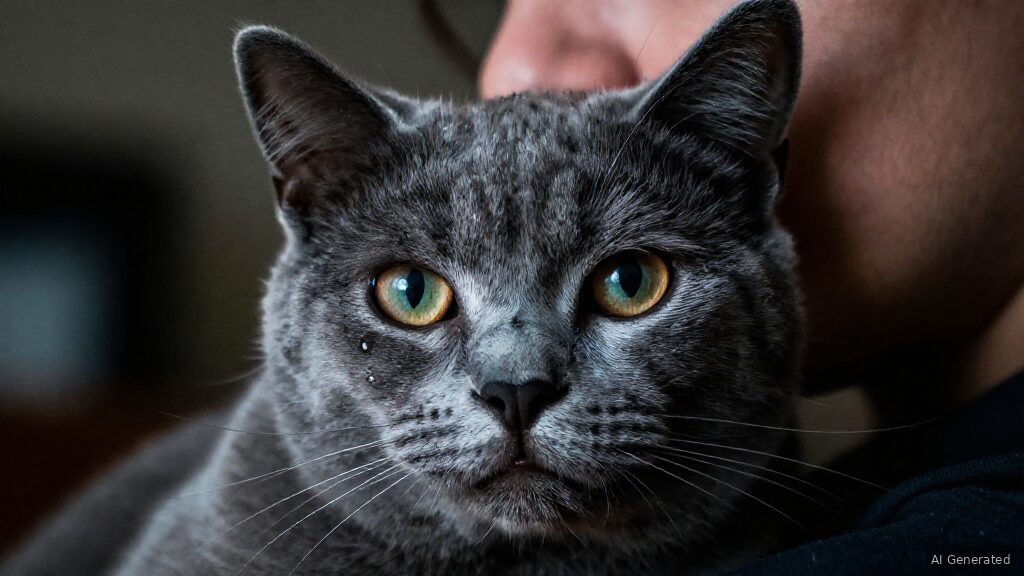
Understanding How Cats Communicate
The Role of Scent
Cats mark their territory and communicate with other cats through pheromones and scent. For example, rubbing their heads against objects or other cats (bunting) is a signal of forming close bonds. Through this process, cats become familiar with each other’s scents, which reduces anxiety.
Body Language and Vocalizations
A cat’s ears, tail, and body movements indicate their emotional state. Ears flattened back can signify fear or aggression. Additionally, low-pitched vocalizations often express dissatisfaction or stress. According to the International Society of Feline Medicine (ISFM), peaceful coexistence among cats begins with the accurate interpretation of non-verbal signals.
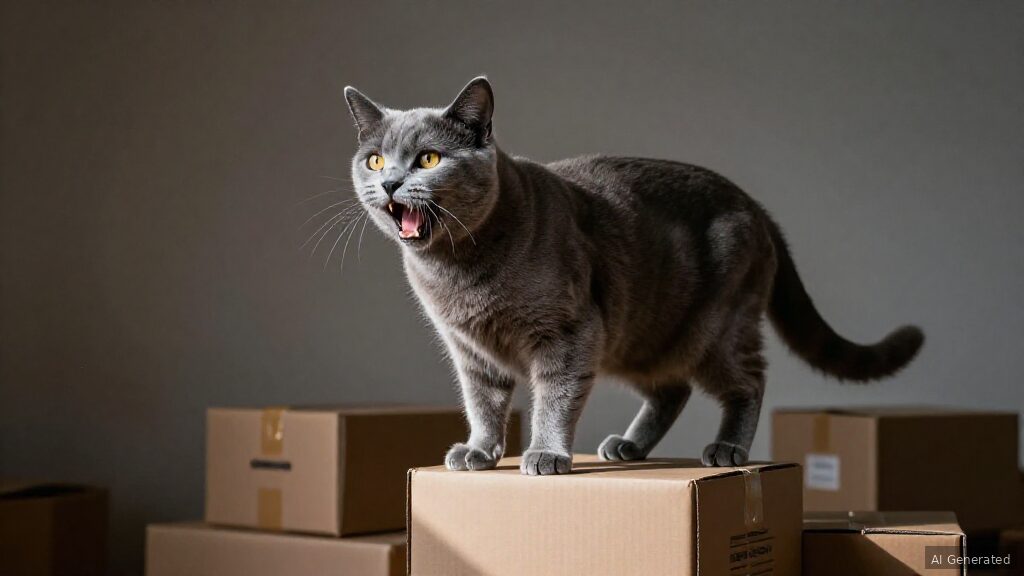
Multi-Cat Household Introduction Strategies
When introducing a new cat to an existing one, a gradual approach is crucial. The first step is to get them accustomed to each other’s scents, the second involves brief visual contact, and the final step is supervised face-to-face meetings. The success of the introduction is reflected in the cats’ body language; aggression or excessive hiding are considered signs of failure. Studies show that 80% of households using gradual introduction methods reported positive results (JFMS, 2018).
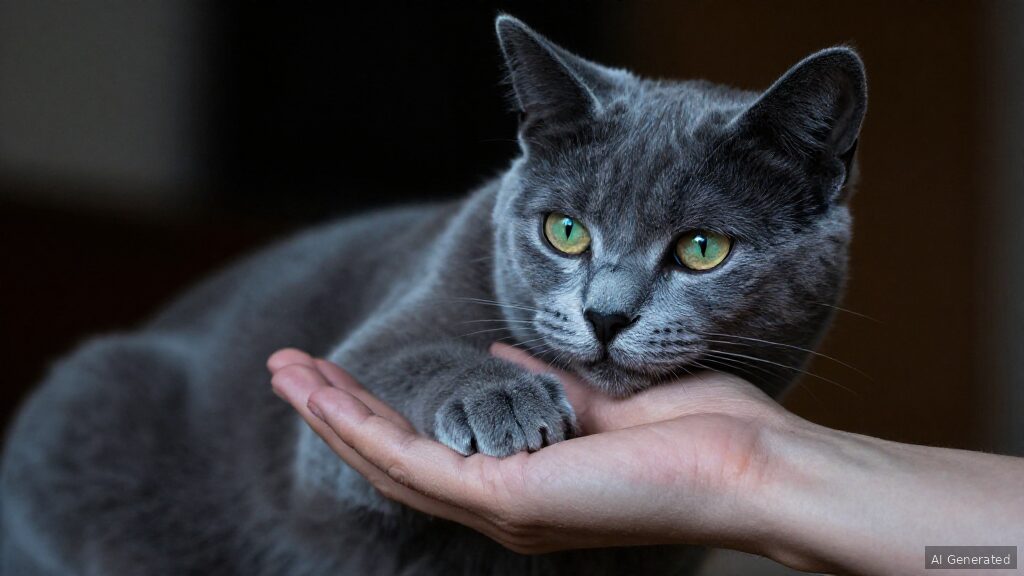
Methods to Strengthen the Human-Cat Bond
Utilizing Play Sessions
Playtime with your cat is a vital way to strengthen your bond. Engaging in hunting-style play for 15 minutes daily stimulates your cat’s instincts and helps relieve stress. Using a PlayCat cat tower allows for play at various heights, providing a richer play experience.
Grooming and Coexistence Time
Gentle brushing or massage helps build trust between you and your cat. Regular grooming sessions, in particular, provide cats with a sense of security. It is also important to provide spaces where the cat feels comfortable during coexistence time. PlayCat furniture offers an optimal solution for naturally creating such environments.
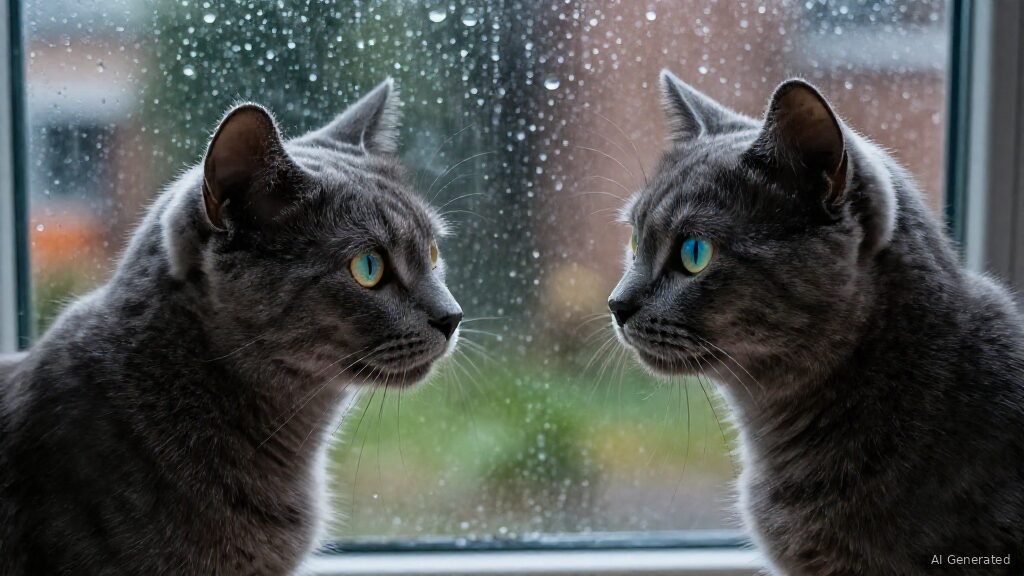
Signs of Social Stress and Intervention Methods
If a cat exhibits behaviors such as excessive hiding, loss of appetite, or over-grooming, they are likely experiencing social stress. Upon noticing these signs, you can intervene by readjusting the environment or providing individual spaces. If intervention fails, it is advisable to seek help from a professional behaviorist.
Social Differences by Age and Personality
| Age | Social Characteristics |
|---|---|
| Kitten (0-1 year) | Curious and highly adaptable; socialization learning is crucial |
| Adult (1-7 years) | May be wary, but capable of forming stable relationships |
| Senior (7+ years) | Sensitive to change; prefers familiar environments and people |
Social Enrichment for Single-Person Households
For owners living alone, you can meet your cat’s social needs through regular playtime and providing a variety of toys. Additionally, arranging visits from outdoor friends or using pet sitter services to provide new stimuli is also a good approach.
Separating Social Spaces with PlayCat Furniture
PlayCat’s diverse furniture options help cats have their own spaces. High towers and hiding houses provide a sense of security for cats and are designed to prevent them from intruding on each other’s space. This is a particularly important factor in multi-cat households.
Q. How should I introduce cats in a multi-cat household?
Introductions should be done gradually. Start by getting them accustomed to each other’s scents, then gradually allow visual contact, and finally facilitate supervised face-to-face meetings. During this process, it is essential to carefully observe the cats’ body language.
Q. What are the signs that a cat is stressed?
Behaviors such as excessive hiding, loss of appetite, and over-grooming can signal that a cat is stressed. If you notice these signs, it is recommended to readjust the environment or seek professional help.
Q. Is social enrichment possible for single-person households?
Yes, you can meet your cat’s social needs through regular playtime and providing a variety of toys. Arranging visits from outdoor friends or using pet sitter services to provide new stimuli is also a good method.
Q. How can I strengthen the human-cat bond?
It is important to stimulate your cat’s instincts through playtime and build a relationship of trust through gentle brushing or massage. Using PlayCat furniture allows you to provide various play environments, making the process even more effective.
Q. How do social characteristics differ by age?
Kittens are curious and highly adaptable, adult cats can form stable relationships, and senior cats are sensitive to change. It is important to apply social enrichment methods suitable for each age group.
This content was created using AI technology. For medical-related information, please consult a veterinarian.