


What is Cat Environmental Enrichment?
Cat environmental enrichment is a method of improving the environment by designing indoor spaces with various stimuli and elements that satisfy natural instincts, thereby reducing stress and encouraging natural behaviors in cats. According to the ASPCA, a lack of environmental enrichment is cited as a major cause of stress-related behaviors in cats, such as excessive grooming and aggression.
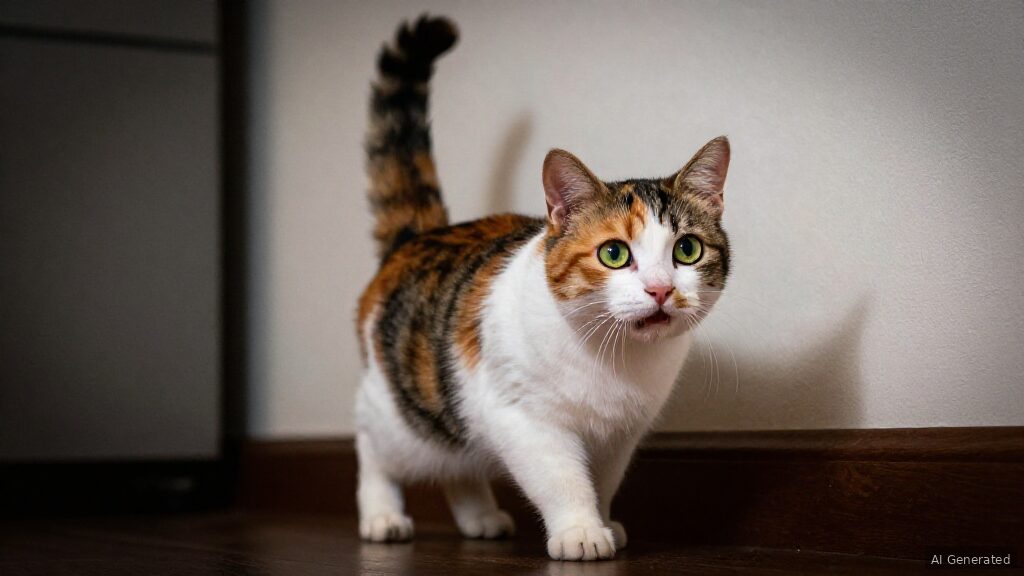
5 Areas of Environmental Enrichment and Their Roles
| Area | Role | Practical Examples |
|---|---|---|
| Sensory | Expands environmental awareness by providing stimuli such as visual and olfactory inputs | Window resting spots, catnip toys |
| Cognitive | Promotes problem-solving skills and brain activity | Puzzle feeders, hidden food toys |
| Social | Encourages positive interactions with humans and other animals | Regular playtime, socialization training |
| Food | Satisfies hunting instincts and improves feeding patterns | Hunting-style feeders, kibble with various textures |
| Environmental | Satisfies the desire to explore new spaces and mark territory | Seasonal furniture rearrangement, providing scratchers |
Providing New Stimuli Through Space Rearrangement
To enrich your cat’s environment, rearranging furniture with the seasons can provide new exploration routes and resting spaces. Research by the International Cat Care (iCatCare) indicates that changing the space can reduce stress hormone levels in cats by 19%.
Points to Consider When Rearranging Furniture
- Utilize vertical space: Use walls and ceilings to provide more territory
- Maintain hiding spots: Prevent anxiety caused by sudden changes
- Disperse resources: Place food, water, and litter boxes in multiple locations to reduce competition
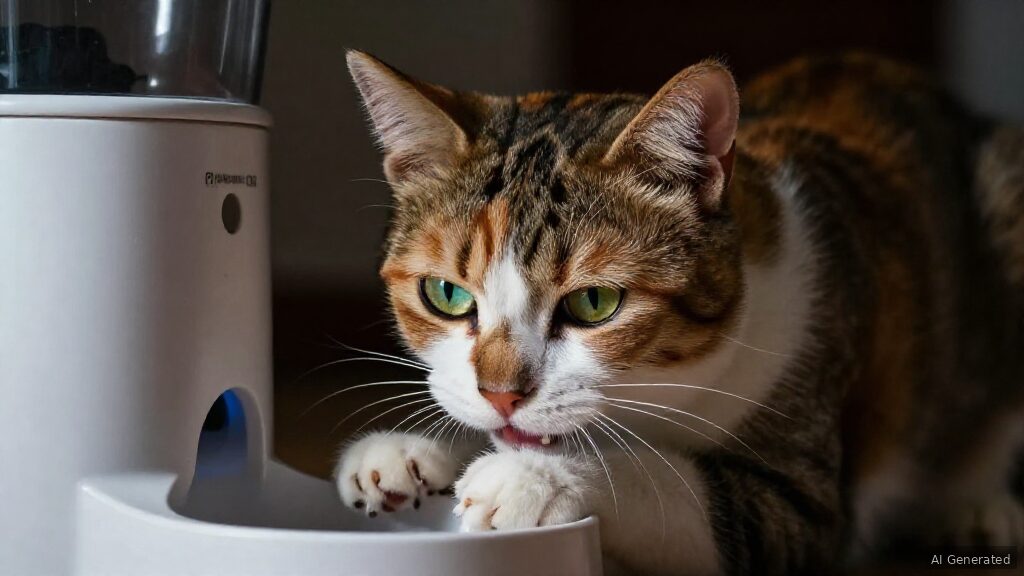
Satisfying Instincts by Introducing Natural Elements
Cat grass (such as barley and oats) is a plant that cats can safely chew on, aiding digestion and reducing stress. According to a study in the Journal of Feline Medicine and Surgery, indoor cats with access to plants showed a 32% reduction in stress-related behaviors.
A catio (outdoor space designed for cats) or a safe balcony provides fresh air and stimulation. However, it is essential to install safety nets and avoid toxic plants.
Utilizing Vertical Space with Playcat Solid Wood Furniture
Playcat’s solid wood cat towers are designed to cater to the cat’s instinct to like high places. The International Cat Care Association (iCatCare) reports that vertical spaces can reduce conflicts in multi-cat households by 40%.
Combine various structures such as wall shelves, houses, and bridges to provide cats with free vertical movement paths. Playcat furniture is made from FSC-certified eco-friendly wood, ensuring safety.
The Importance of Rest and Hiding Spaces
Since cats sleep for 13-16 hours a day, a quiet and safe hiding place is essential. Boxes or small tents where they can hide are very helpful for stress relief.
The American Society for the Prevention of Cruelty to Animals (ASPCA) states that sufficient hiding places can reduce anxiety behaviors in cats by 27%.
Tips for Designing Environments in Multi-Cat Households
In multi-cat households, dispersing resources (food, water, litter boxes) and separating territories are important. Provide each cat with separate eating spaces and litter boxes, and use vertical space to reduce competition.
The key is to place enough environmental enrichment elements to lower the likelihood of conflict.
Measuring the Effects of Environmental Enrichment
The effectiveness of environmental enrichment can be confirmed by observing changes in your cat’s behavior. Use the following checklist to compare before and after changes.
- Decreased aggression: Frequency of aggression towards other cats/people
- Increased activity: Number of explorations, plays, and jumps
- Reduced stress signals: Frequency of excessive grooming and hiding
- Improved appetite: Amount and frequency of food intake
- Enhanced sociability: Increased interaction with people/other animals
FAQ: Questions About Cat Environmental Enrichment
Why is environmental enrichment necessary?
Cat environmental enrichment breaks the monotony of indoor life and reduces stress. Rich stimuli satisfy hunting instincts and are effective in preventing behavioral problems.
How often should I change the environment?
Rearranging furniture seasonally (every 3-4 months) can continuously provide new stimuli. However, avoid sudden large changes as they can cause stress; proceed gradually.
What should I be careful about in a multi-cat household?
In multi-cat households, resource dispersal and territory separation are essential. Provide each cat with separate eating spaces and litter boxes, and use vertical space with Playcat solid wood furniture to reduce conflicts.
What plants are suitable for environmental enrichment?
Cat grass (barley, oats) and catnip are safe for cats and help relieve stress. Toxic plants (lilies, amaryllis, etc.) must be avoided.
How do I measure the effects of environmental enrichment?
Observe changes in aggression, activity, stress signals, appetite, and sociability. Recording behavioral changes before and after environmental improvements using a checklist allows you to objectively verify the effects.
This content was created using AI technology. Please consult a veterinarian for any medical-related information.