


How is enrichment applied in zoos?
In modern zoos, ‘Behavioral Enrichment’ has evolved beyond simple play to become an essential management system that encourages natural behaviors and promotes psychological well-being. In particular, the multisensory approach maximizes cognitive stimulation by encouraging animals to explore various elements of their environment rather than relying on a single sense.
Inducing Instinctive Exploration Through Olfactory Stimulation
Zoos create scent trails for desert-dwelling animals or felines using specific herbs, spices, or secretions (scents) from other animals. For example, elephants or large felines may be provided with food mixed with essential oils or dried grasses, or structures like tunnels may be infused with specific scents to encourage exploration. This provides animals with the instinctive satisfaction of interpreting and tracking ‘new smells.’ Felines, in particular, are more sensitive to scent than vision, so environmental changes through smell play a crucial role in helping them verify their territory and feel secure.
Integrating Auditory and Tactile Environments
Recently, zoos have moved beyond simple sound playback to offer tactile experiences combined with natural environmental sounds. As seen in Starfield’s ‘Flower Festival’ example, combining the tactile stimulation of rustling bark (wood chips) underfoot with natural sounds creates a strong sense of immersion for visitors. Zoos apply similar principles by varying floor textures with materials like sand, grass, and wood chips, and playing background sounds such as wind, birds, or water to create the illusion of a natural habitat. These multisensory stimuli help eliminate lethargy caused by monotonous enclosure environments and promote active movement and exploratory behaviors.
Visual Contrast and Unpredictable Placement
As demonstrated by Blue Rabbit’s Toybook case, bright, high-contrast colors trigger visual interest. Zoos place eye-catching toys or food bowls in enclosures and periodically move enclosure structures to introduce visual changes. This reduces the predictability of the environment, keeping animals curious about new stimuli. Cats, in particular, respond better to changing visual elements than static environments, so it is important to vary their view by changing the location of dens or shelters or diversifying windowsill views.

How can this be applied to cats?
To apply multisensory enrichment programs used in zoos to domestic cats, the key is to expand the limited space of a cage into the everyday environment of the home. What cats need are not elaborate toys, but various sensory stimuli scattered throughout the house. The table below outlines specific execution strategies based on zoo principles.
Multisensory Enrichment Application Matrix
| Sensory Area | Zoo Case Application | Domestic Cat Application Method | Expected Effect |
| :— | :— | :— | :— |
| Olfactory (Smell) | Use of essential oils, herbs, secretions | Hide catnip, Cat’s Chum, valerian root, or natural herbs (tea bags) in paper bags | Stimulates exploration instinct, relieves stress, promotes relaxation |
| Visual (Sight) | Color contrast, moving structures, window views | Install high perches, place windowsill catio beds, use moving laser pointers (avoid overuse) | Stimulates hunting instinct, provides psychological security through expanded视野 |
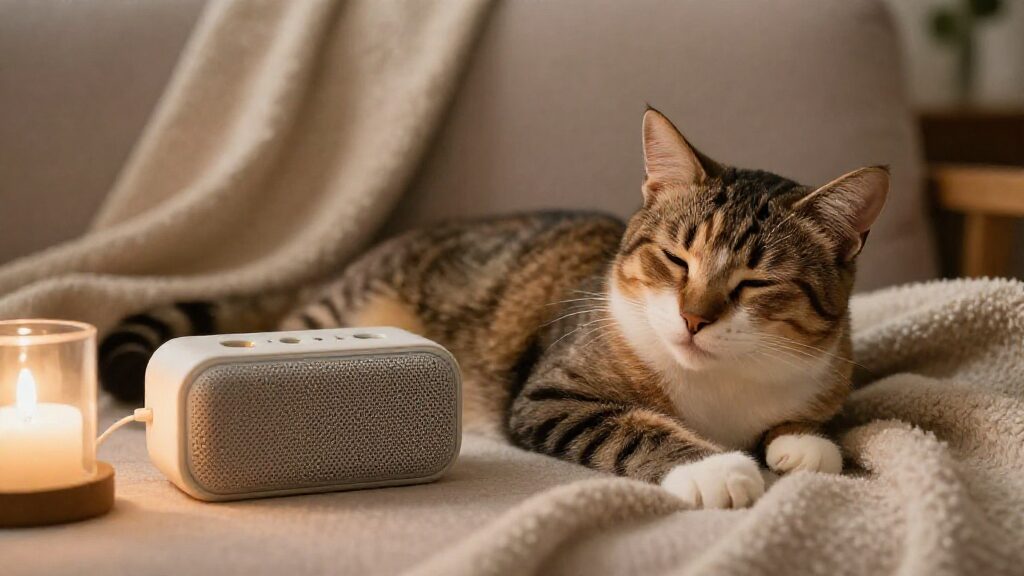
| Auditory (Sound) | Playback of natural sounds (wind, water, birds) | Play natural sound ASMR, cat-specific classical music, or quiet jazz background noise | Reduces anxiety, blocks environmental noise, improves sleep quality |
| Tactile (Touch) | Diverse flooring materials (bark, sand, grass) | Provide scratchers of various textures (cardboard, sisal, fleece), install soft rugs for paw massage | Manages claws, develops skin sensation, provides acupressure effects |
| Gustatory (Taste) | Adding various textures/flavors to food | Mix dry and wet food, use treat-dispensing toys (Treat Balls) | Alleviates boredom during mealtime, encourages chewing behavior |
Step-by-Step Execution Guide
1. Set Up Scent Trails (Scent Trails): Hide toys scented with catnip or favorite treats in various corners of the house. Just as zoos encourage animals to forage for food, guide your cat to use its nose to find toys. This activates the cat’s brain and satisfies its predatory instincts.
2. Vertical Space and Visual Stimulation: Cats prefer high places. Utilize shelves installed on bookcases or walls, or dedicated cat towers, to secure vertical space. Provide views of external birds or butterflies near windows, ensuring security to offer ‘hunting’ opportunities.
3. Place Scratchers with Various Textures: As mentioned in the Blue Rabbit adoption case, cats scratch to leave their scent and sharpen their claws. Place scratchers of various textures (cardboard, hemp/sisal, fleece) throughout the house to provide simultaneous tactile satisfaction.
What are the precautions for implementation?
For zoo enrichment programs to be successful, customization that considers individual animal differences is essential. The same precautions apply when implementing them for domestic cats.
* Gradual Introduction: Suddenly changing the entire environment can cause cats to feel anxious. Introduce new smells (herbs, etc.) or toys slowly, and adjust the intensity while observing the cat’s reactions.
* Check for Toxic Substances: Some essential oils used in zoos (e.g., tea tree, eucalyptus, citronella) can be toxic to cats. Only use natural herbs proven safe for cats (catnip, valerian, cat’s mint, etc.) and avoid products with strong artificial fragrances.
* Prevent Obsessive Behaviors: While the goal of enrichment is stress relief, excessive stimulation can trigger obsessive behaviors (such as Lick Dermatitis). If the cat appears tired or hides, immediately reduce stimulation and provide a stable environment.
* Select Safe Toys: Never use toys with small parts that can fall off or be swallowed. Strings or rubber bands can cause intestinal blockages, so they must be put away immediately after play.
Frequently Asked Questions (FAQ)
Q1. What should I prepare first to start multisensory enrichment?
It is recommended to start by preparing olfactory and tactile stimuli. Purchase natural herbs like catnip or valerian and scratchers of various textures, and place them around the house. Visual stimulation can be adequately addressed by utilizing existing windowsill views or high perches. Gradually add elements that stimulate taste and intelligence, such as food-dispensing toys.
Q2. What olfactory stimulants are safe for cats?
Catnip, Valerian, Cat’s Mint, and Daisy are natural herbs that are safe and have proven effects. On the other hand, tea tree oil, eucalyptus, citronella, and peppermint can cause liver toxicity in cats and should never be used. It is also best to avoid air fresheners or air purifiers with strong artificial scents.
Q3. What should I do if my cat shows no interest in enrichment toys?
Not all cats respond to the same stimuli. First, consider the cat’s age and activity level. Older cats may respond better to soft textures or subtle scents rather than visual stimuli. Additionally, hide treats in toys to associate them with ‘food,’ or use a fishing-rod toy to play together and spark curiosity. It is important to observe and wait without forcing the issue.
Q4. What can I change for a cat that gets bored with the same environment every day?
Try changing the arrangement of some furniture or moving the location of scratchers once or twice a week. Just as zoos periodically change enclosure structures, introducing small changes to the cat’s daily routine is key. Additionally, changing the location of food bowls or trying new types of litter can serve as subtle environmental changes that help maintain interest.
Q5. Does enrichment help when external noise causes stress for the cat?
Yes, it does. When external noises (horns, construction sounds, etc.) are heard, playing natural sounds (rain, waves, forest sounds) or the cat’s favorite classical music can mask the external noise and provide psychological stability. This is the same method used in zoos with background music in enclosures, providing appropriate auditory comfort when the cat feels fear or anxiety.
Zoos’ multisensory enrichment is a scientific approach that respects a cat’s instincts and enhances psychological well-being. By creating an environment that balances stimulation of the olfactory, visual, auditory, and tactile senses, our cats can enjoy a vibrant, boredom-free daily life. Check out PlayCat (playcat.xyz) for more information.
This content was created using AI technology. Please consult a veterinarian for any medical-related information.