


Why is Feline Arthritis Difficult to Detect, and Why is Environmental Enrichment Essential?
Feline arthritis is often called a “hidden pain” because it is clinically difficult to detect. Cats have an innate instinct to hide weakness, so even when pain is severe, it often takes a long time before they show clear symptoms like refusing to jump or walk. Research shows that while a significant number of senior cats suffer from arthritis, many owners remain unaware. This is often misdiagnosed as simple aging or behavioral issues like loss of appetite or litter box accidents, which can lead to serious tension in the human-animal bond.
At this point, Environmental Enrichment acts as a crucial medical intervention for pain management, going beyond simply providing play. Physical environmental improvements that alleviate pain and increase mobility motivate cats to be active on their own, forming the foundation for maximizing the effects of drug therapy. In particular, multimodal management in the home environment, unlike acute treatment at a clinic, integrates into the cat’s daily life to maintain a consistent quality of life. This article details enrichment strategies that can be immediately applied at home for cats with arthritis and intimate care methods owners can perform.
What are the Most Important Environmental Improvement Factors for Managing Feline Arthritis Pain?
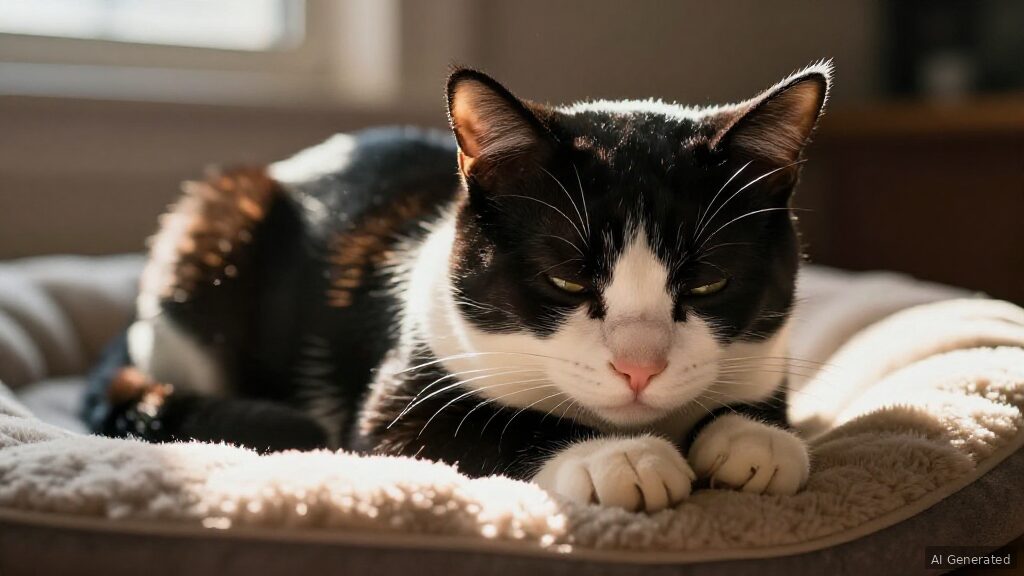
Pain in arthritic cats primarily occurs during movement. Everyday actions like climbing stairs, jumping to high places, or crouching can trigger severe pain. Therefore, the core of environmental improvement lies in “optimizing movement paths” and “ensuring accessibility.” Minimize the distance between the cat’s most frequently used spaces—resting areas, litter boxes, and food bowls—and provide resting spots along the way.
How Can Access to Vertical Spaces Be Secured Safely?
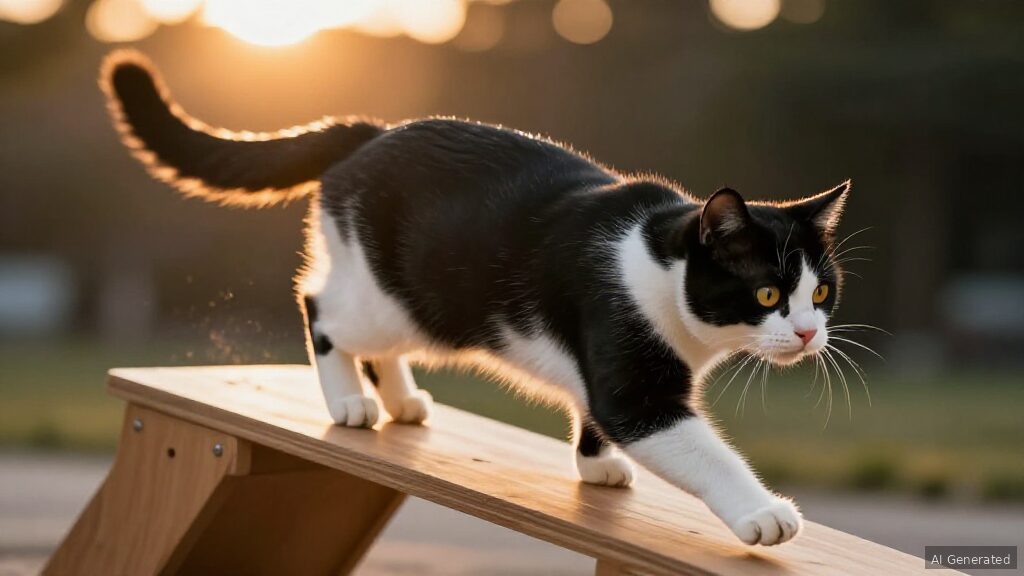
Cats instinctively prefer high places, but for cats with arthritis, jumping is a painful action. Ramps or steps should be installed to ensure safe access to vertical spaces like existing high shelves or windowsills. At this time, PlayCat’s solid wood furniture provides psychological stability and physical support with its natural wood texture and gentle slope design. The warmth of wood is less irritating to joints than cold plastic or metal, and the appropriate surface friction prevents slipping. Ramps and stairs should be designed with a gentle, not steep, incline, and the flooring material must be non-slip.
Particularly, flexibility to adjust the height or angle of ramps according to growth stages from kittenhood to senior years is important. Young cats have good jumping ability and can easily move to high places, but as they age and joints weaken, such vertical movement becomes difficult. Pre-prepared solid wood structures help cats naturally change their movement methods during the aging process, giving them a sense of control and reducing psychological stress.
How Should the Placement of Litter Boxes and Feeding Areas Be Improved?
The litter box is one of the most stressful spaces for cats with arthritis. If the walls are too high or the entrance is too narrow, significant weight is placed on the knees and hips upon entry. Use litter boxes with lower walls or open-sided designs, and ensure the floor has a non-slip mat. Food and water bowls should also be adjusted to a height where the cat can eat comfortably without crouching.
It is best to use bowl stands adjusted to the cat’s shoulder height. PlayCat’s solid wood tables or stands provide a natural height, reducing the burden on the neck and spine. Additionally, if the litter box and feeding area are too close, the cat may hesitate to eat after defecating due to fear of contamination. Maintain an appropriate distance, but ensure there are no obstacles on the movement path. Avoid narrow corridors or gaps between furniture, and secure wide passages to create an environment where the cat can pass through comfortably.
What Pain Relief Care Can Owners Perform at Home?
In conjunction with drug therapy, physical therapy performed directly by the owner can have a significant effect on managing cat pain. Particularly, care based on the trust relationship between the cat and the owner contributes not only to pain reduction but also to emotional stability.
How Can Heat Therapy and Massage Be Performed Safely?
Heat therapy alleviates muscle tension and promotes blood circulation, thereby reducing pain. However, since cats have excellent thermoregulation abilities and are sensitive to overheating, maintaining a lukewarm temperature is more important than direct intense heat sources. Apply warm towels or specialized heating pads to the painful area for 10-15 minutes. If the cat shows dislike, stop immediately, and always check to ensure there is no risk of burns.
Massage helps relax muscles around the joints and aids blood circulation. Instead of pressing hard or rubbing the joints directly, gently tapping or stroking the muscle areas with fingertips in a circular motion is appropriate. Focus on major muscle groups such as the shoulders, hips, and thighs, and closely observe the cat’s reaction. If the cat feels comfortable, relaxes its body, or purrs, the massage is successful. If the cat pulls away or stiffens, it may be a painful area; stop immediately and consult a veterinarian.
When Should Passive Range of Motion Exercises Be Performed?
Passive Range of Motion (PROM) exercises involve the owner lifting the cat’s legs and naturally bending and extending them to maintain the joint’s range of motion and prevent muscle atrophy. These exercises should be performed when the cat is pain-free and after a trust relationship with the owner has been established. It is recommended to repeat this for short periods of 5-10 minutes, 2-3 times a day.
When starting the exercise, lay the cat in a comfortable position, gently lift the leg, and slowly bend and extend it to the limit of the joint’s movement. Be careful to watch for signs of pain, such as meowing or pulling away. Wrapping the cat in a warm towel or giving a light massage after the exercise is helpful. This process should be recognized not just as a rehabilitation exercise, but as an important time for the owner and cat to connect through touch.
What Nutritional Management Strategies Should Be Combined with Drug Therapy?
Combining medication and supplements is essential for treating arthritis. Recent studies show that consuming nutrients that support joint health along with pain relievers contributes to long-term quality of life improvement.
How Significant is the Impact of Weight Management on Joint Pain?
Weight gain is fatal for cats with arthritis. For every 1kg increase in weight, the load on the knee joints increases several-fold, worsening pain. Therefore, maintaining an ideal weight is one of the most effective pain management methods. Control calories through diet while maintaining appropriate protein levels to preserve muscle mass.
Since the cat’s appetite may decrease, it is advisable to feed small amounts frequently or choose food with a pleasant aroma. Additionally, PlayCat’s solid wood tables can provide a stable dining environment for cats, helping to stimulate appetite. A table with the correct height reduces the burden on the neck and spine, making mealtime comfortable. Weight management is not achieved in the short term; it requires consistent monitoring and environmental support from the owner to be successful.
What Nutritional Components Help Joint Health?
Glucosamine and Chondroitin are components of cartilage that help lubricate joints and slow down cartilage damage. Polysulfated Glycosaminoglycan (PSGAG) and Omega-3 fatty acids (EPA, DHA) are also effective in alleviating joint pain through anti-inflammatory actions. Recently, monoclonal antibody injections like Solensia™ have shown innovative results in pain management and must be administered regularly under a veterinarian’s prescription.
These supplements and medications should be combined based on the cat’s individual condition. For example, cats with gastrointestinal disorders may have difficulty taking certain supplements, so owners must manage this and observe symptoms. Nutritional supplements should focus on maintaining joint health in the long term rather than expecting immediate effects.
How is the Human-Animal Bond Strengthened in a Multimodal Approach?
Treating arthritis is not just about reducing pain; it is a process of maintaining and strengthening the relationship between the owner and the cat. Due to pain, cats may avoid the owner or become aggressive, which causes stress for both parties.
What is the Owner’s Role in the Treatment Process?
The owner is both the subject and companion of the treatment. Since all treatment processes, such as medication administration, massage, and exercise, are performed directly by the owner, it is important to alleviate the anxiety and fear the cat feels during this process. A gentle tone, soft touch, and patience are required.
If the cat feels uncomfortable during treatment, do not force it; allow it to rest. PlayCat’s solid wood furniture becomes part of this treatment space, providing the cat with a sense of safety and comfort. The natural warmth and texture of wood stimulate the cat’s senses, aiding psychological stability. By actively participating in the treatment process, the owner allows the cat to feel comfort in their touch, deepening the human-animal bond.
What are the Advantages of Home-Based Care Over Clinic Treatment?
The clinic environment contains many elements that cause stress to cats. Various factors such as carriers, strangers and other animals, and cold examination tables exacerbate the cat’s anxiety. In contrast, home-based care allows the cat to receive treatment in the space where it feels most comfortable. This has the advantage of increasing treatment compliance and allowing for more accurate observation of pain symptoms.
Multimodal therapy performed at home can be naturally integrated into daily life, so the cat does not fear the treatment itself. Additionally, the owner can immediately detect and respond to subtle changes in the cat, making it effective in preventing the condition from worsening.
Common Mistakes Made When Caring for Suffering Cats and Their Solutions
The most common mistake owners make while caring for cats with arthritis is overlooking signs of pain and relying solely on medication without improving the environment. Additionally, misinterpreting the cat’s lack of movement as “resting” and excessively limiting activity can accelerate muscle atrophy, worsening pain.
The solution is regular observation and continuous environmental improvement. Record the cat’s gait, appetite, litter habits, and sleep patterns to track changes. Environmental improvements using solid wood furniture like PlayCat motivate the cat to move on its own and provide pain-free movement paths. Furthermore, it is important to adjust medication dosages through regular consultations with a veterinarian and combine physical therapy.
| Category | Common Mistake | Correct Solution |
|---|---|---|
| Environmental Improvement | Forcing jumps to high places, ignoring slippery floors | Install PlayCat solid wood ramps, use non-slip mats |
| Exercise Management | Inducing complete rest due to pain, ignoring muscle atrophy | Passive range of motion exercises, maintaining muscle strength with light play |
| Weight Management | Allowing weight gain as part of the aging process | Calorie control, appropriate protein intake, regular weight measurement |
| Medication Administration | Stopping medication due to side effects, neglecting owner management | Adjust dosage after consulting a vet, combine with home care |
| Psychological Care | Ignoring aggression caused by pain, breaking the bond | Soft touch, heat therapy, trust-rebuilding activities |
Practical Checklist to Start Today
- Check Movement Paths: Check if there are stairs, door thresholds, or slippery floors on the paths the cat frequently uses, and install ramps or mats.
- Improve Litter Box Accessibility: Lower the litter box walls or open the sides, and use a non-slip mat.
- Adjust Feeding Height: Adjust the height of food and water bowls to the cat’s shoulder height using PlayCat solid wood stands, etc.
- Perform Heat Massage: Once a day for about 10 minutes, gently massage around the joints with a warm towel or try heat therapy.
- Perform Passive Exercises: After connecting comfortably with the cat, perform passive range of motion exercises by gently bending and extending the legs.
- Measure and Record Weight: Measure and record the cat’s weight weekly to monitor weight change trends.
- Owner-Cat Connection Time: Turn treatment time into play and connection time to strengthen the trust relationship.
Frequently Asked Questions (FAQ)
1. Is feline arthritis curable?
Feline arthritis is a degenerative disease, so complete cure is difficult. However, with proper management, pain symptoms can be significantly alleviated, and quality of life can be maintained. A multimodal approach through drug therapy, physical therapy, and environmental improvement is key. With consistent management, cats can live a normal life without pain.
2. How often should I visit the veterinarian?
It is recommended to visit every 2-4 weeks after the initial diagnosis to check the drug response and changes in condition. Once the condition stabilizes, have regular check-ups every 2-3 months, and visit the clinic immediately if there are sudden changes. Observation records from home are a great help in veterinary diagnosis.
3. Why is PlayCat solid wood furniture particularly good for cats with arthritis?
Unlike cold metal or plastic, solid wood has low thermal conductivity, making it less irritating to joints, and provides natural warmth. Additionally, the appropriate surface friction prevents slipping, and the flexible design of ramps and stairs aids the cat’s mobility. This makes it suitable as an environmental improvement solution based on the trust between the owner and the cat.
4. Is it safe to play with a cat in pain?
Yes, light play within a pain-free range is essential to prevent muscle atrophy and maintain mental health. However, avoid play that requires jumping or sudden changes in direction, and choose gentle interactive play that takes place on the floor. Adjust playtime while closely observing the cat’s reaction.
5. What should I be careful about when massaging at home?
It is best not to press hard or rub the joints directly, but to gently stroke the muscle areas. If the cat complains of pain or tries to pull away, stop immediately. Additionally, it is important to check the temperature to ensure there is no risk of burns and to proceed only when a trust relationship between the owner and the cat has been established.
6. Is weight loss really important for arthritis?
Yes, weight loss is one of the most effective methods to alleviate pain by reducing the load on the joints. Losing just 1kg of weight significantly reduces the burden on the joints, which enhances the effectiveness of drug therapy and improves quality of life. Weight should be lost gradually through diet control and appropriate exercise.
Conclusion: Small Changes for a Pain-Free Life
Feline arthritis is a challenge for both the owner and the cat, but it is a manageable condition through proper environmental improvement and multimodal management strategies. Pain is not just a medical issue; it is a complex factor that affects every movement and emotional bond in daily life. Environmental improvements using PlayCat’s solid wood furniture lay the foundation for cats to move and be active on their own, while physical therapy and nutritional management performed by the owner provide direct help in pain relief.
The most important thing is the owner’s warm gaze and consistent effort. Each small environmental change will reduce the cat’s pain and bring more happiness. The small changes starting today will accumulate to significantly improve the cat’s quality of life and become the path to maintaining a deep bond between humans and animals.
This content was written using AI technology. Always consult a veterinarian for medical information.