


Living with a cat goes beyond simply providing food and shelter; fulfilling their instinctual needs through ‘Environmental Enrichment’ is essential. Many guardians notice their cats looking bored or stressed indoors but may feel unsure about what specific improvements are needed. Drawing inspiration from Yanaka Ginza and Ueno Park in Tokyo, this article presents concrete methods to transform your home into a perfect hideout for your cat’s exploration and rest. We detail environmental improvement strategies that bring the lifestyle of urban cats—who enjoy cultural activities and release energy through walks—into your home, ensuring a happy environment for both you and your feline companion.
Why is Environmental Enrichment Essential?
Environmental Enrichment refers to creating an environment that allows animals to exhibit behaviors typical of their natural state, thereby promoting their psychological and physical health. Indoor cats, restricted from instinctual behaviors like hunting, exploring, and securing prey, may experience boredom and stress.
Core Purposes and Effects of Environmental Enrichment
Appropriate environmental enrichment for cats goes beyond simply ‘playing with them’; it stimulates their survival instincts. In the wild, cats spend most of their day searching for prey or staying alert. If the indoor environment fails to substitute for this, problem behaviors such as excessive grooming, destructive behavior, and loss of appetite can arise. Conversely, an enriched environment fosters cognitive development, lowers stress hormone levels, and strengthens the bond between the cat and the guardian.
Especially for cats living in cities, it is crucial to provide diverse stimuli within limited spaces. This operates on the same principle as city cats moving between bustling streets and parks, experiencing various smells, noises, and visual stimuli to release energy. This is why your home must become a ‘small city’ for your cat.
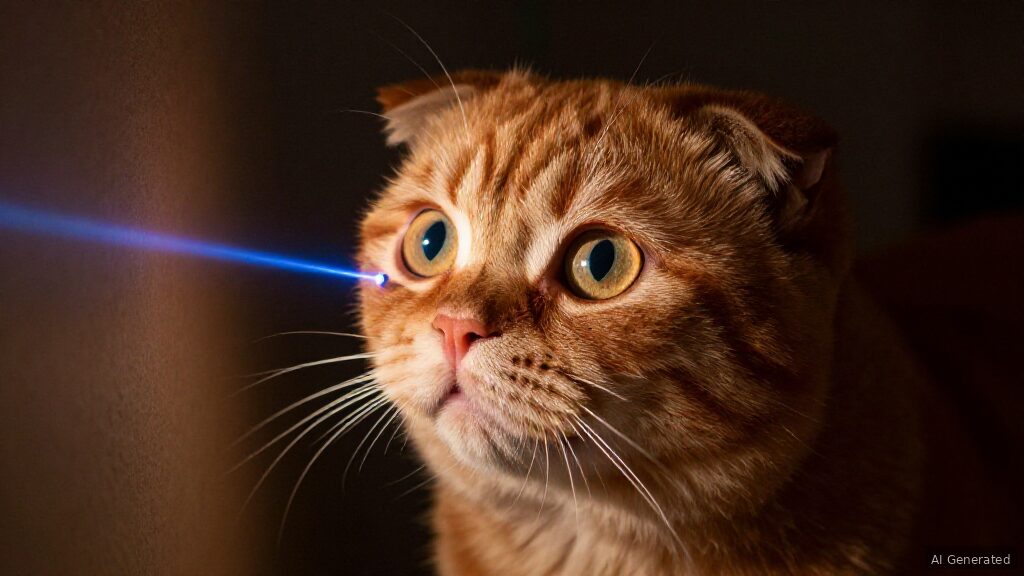
How to Utilize Vertical Space?
Cats instinctively prefer high places. Climbing high allows them to survey their surroundings, fostering a sense of security, which is linked to predator surveillance behavior in the wild. Floor space alone is often insufficient to satisfy a cat’s desire for vertical movement.
Building Pathways Using Walls and Ceilings
You can install shelves on walls or create ‘cat walkways’ connecting the tops of tall bookshelves to the ceiling. This provides a route for cats to move freely, much like the alleyways of Yanaka Ginza. Specifically, connecting pathways to windows creates a ‘spy point’ for watching the outside, maximizing visual stimulation.
At this point, the width and stability of the pathway are crucial. It is essential to choose a width that allows the cat to walk comfortably and a material that prevents slipping. PlayCat’s solid wood furniture offers an excellent solution for naturally integrating such vertical spaces with its natural texture and sturdy structure. The warmth of wood is a material cats prefer, and it blends seamlessly with home decor, ensuring it doesn’t feel intrusive in the guardian’s living space.
Providing Resting Spots at Various Heights
Not only high places, but also mid-level shelters are important. Cats sometimes need heights where they can hide, similar to waiting for prey. Place cushions or blankets at various heights, such as on desks, window sills, or furniture tops, to create resting spaces the cat can choose from based on the situation. This grants the cat a sense of ‘choice,’ providing psychological stability.
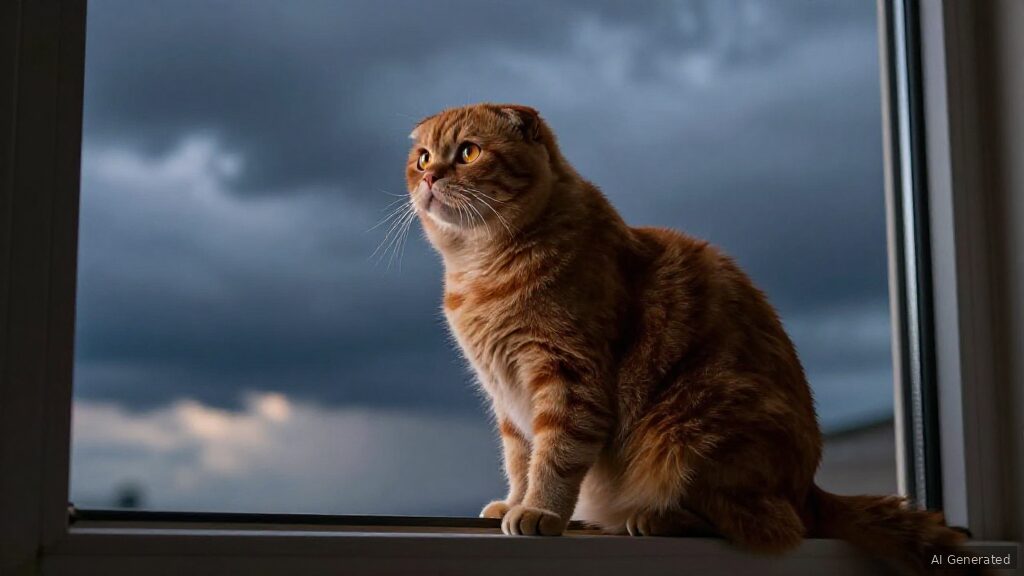
Utilizing Horizontal Space and Designing Pathways
Just as important as vertical space is the utilization of horizontal space. Cats enjoy passing through narrow corridors or running around on wide flat surfaces. If the pathways in your home are blocked or too narrow, the cat’s freedom of movement decreases.
Securing Passages and Removing Obstacles
Narrow gaps or dead ends created by furniture placement can be stressful for cats. This is especially true for senior cats, who may have joint issues that make passing through narrow spaces difficult. Leave sufficient space between furniture and ensure wide passages that cats can move through easily. This evokes the image of cats running freely in the spacious parks of Tokyo, providing ample exercise space indoors.
PlayCat’s solid wood furniture offers high space utilization and can be flexibly applied to pathway design. When planning furniture layout, consider the cat’s movement routes first and arrange furniture so it does not obstruct these paths. For example, leave a wide passage between a large bookshelf and the wall, or use low tables to create steps that cats can easily climb.
Experiencing Various Floor Textures
Cats feel differently depending on the texture under their paws. Place various materials like carpet, wood, tile, and mats around the house to provide diverse tactile experiences. This is similar to feeling the texture differences when catching prey and is effective in preventing boredom. In particular, solid wood floors are a favored material due to their warm and natural texture.
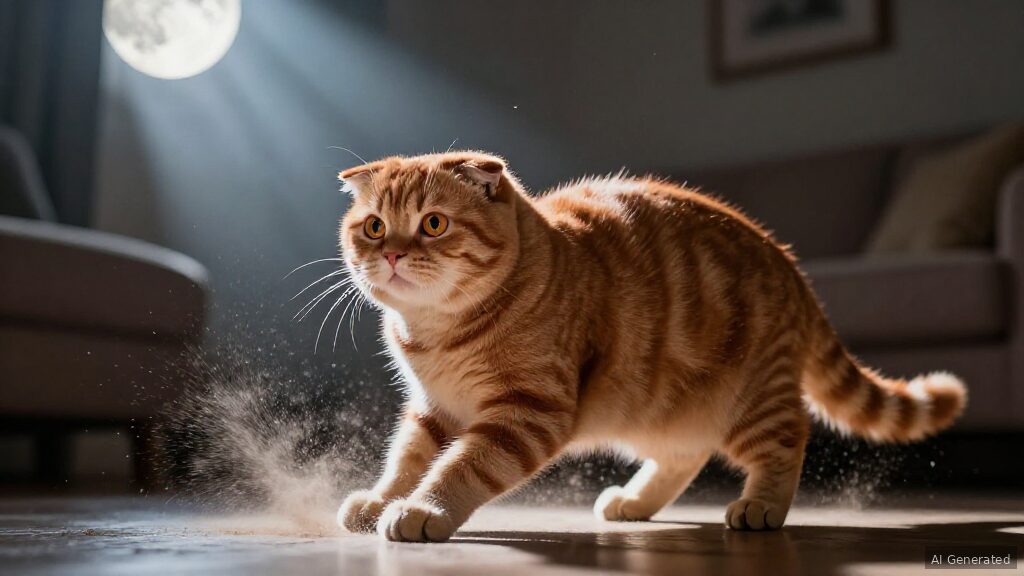
How to Provide Visual and Auditory Stimulation?
Among a cat’s five senses, vision and hearing play a crucial role in environmental awareness. Watching the scenery outside or listening to birdsong provides great joy to cats.
Optimizing the Window Area
The window area is the ultimate entertainment center for cats. Place a resting spot where they can sit and ensure a clear view of the outside. If the window is closed, create small openings to view the scenery or install window-mounted shelves to allow the cat to get closer to the glass. Imagine your cat relaxing while watching the cherry blossoms in full bloom at Ueno Park through the window.
It is also beneficial to change the placement of items near the window according to the season or add seasonal decorations to create visual changes. In spring, use flower decorations, and in winter, play videos showing snow or ice patterns to help the cat feel the season.
Sound Stimulation and Music Listening
Cats are sensitive to sounds of specific frequencies. Playing sounds like birdsong, wind, or water, or putting on music specifically for cats, is also effective. This allows cats to experience the sounds of nature indoors, which is particularly helpful in reducing stress when they are alone while you are out. However, be careful not to use volumes that are too loud, as this can cause stress; adjust the volume appropriately.
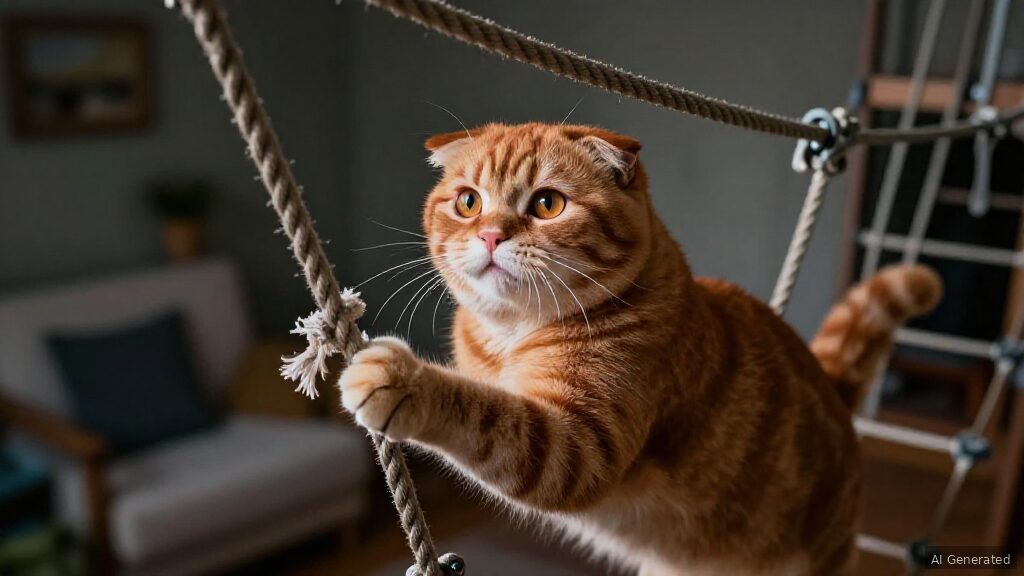
Olfactory Enrichment and Spray Usage
Cats perceive the world through their sense of smell. New scents stimulate great curiosity in cats and help them adapt to environmental changes.
Using Natural Scents and Herbs
Place scents that cats like throughout the house. You can use herbs like mint, chamomile, and lavender, or use cat-specific sprays to create aromas. In particular, the scent of wood is known to be highly favored by cats. PlayCat’s solid wood furniture provides natural olfactory stimulation for cats through the subtle aroma of natural wood.
Additionally, placing cleaned branches or leaves brought from outside is a good way to help the cat feel the season. This recreates the experience of smelling various scents while walking through Yanaka Ginza, right inside your home.
Creating Scent Toys
Practice ‘scatter feeding’ by making toys filled with treats or perfume and hiding them for your cat. The process of the cat sniffing out and finding the toy stimulates hunting instincts and develops cognitive abilities. This helps the cat develop problem-solving skills, preventing boredom.
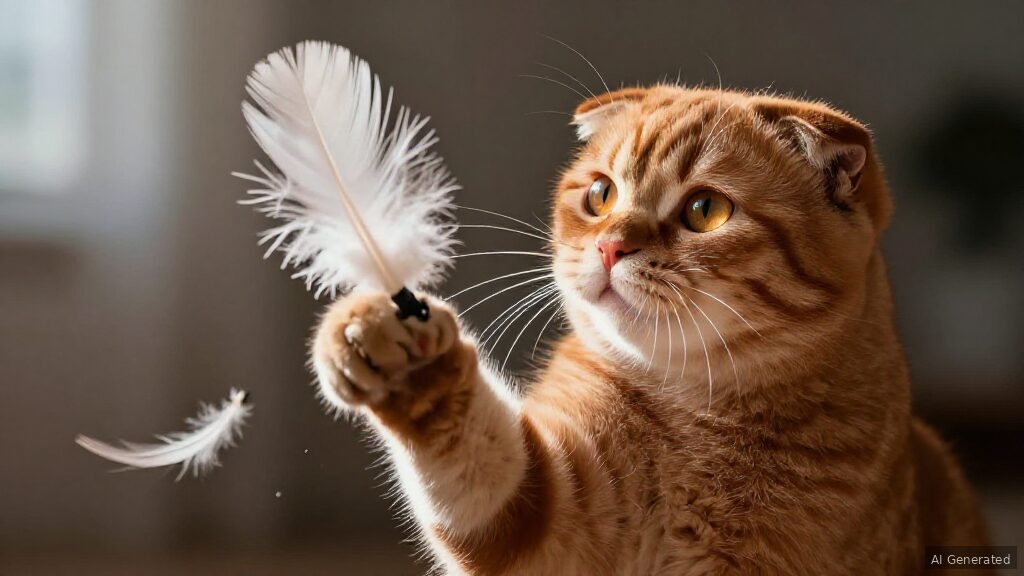
Play Environments to Satisfy Hunting Instincts
Hunting is one of the most important instincts for cats. If hunting instincts are not satisfied indoors, aggression or depression can occur.
Various Toys and Play Methods
Prepare not just simple toys, but various toys that resemble prey. Use feathers, mouse-shaped toys, and laser pointers to encourage chasing and catching behaviors. At this time, hide the toys or move them quickly to stimulate the cat’s curiosity. PlayCat’s solid wood furniture naturally blends with these play environments, providing spaces where cats can climb furniture and engage in hunting play.
Additionally, it is important to frequently rotate toys to maintain the cat’s curiosity. If the same toy is used continuously, the cat may quickly lose interest.
Adjusting Play Time and Intensity
Play time and intensity should be adjusted according to the cat’s age and physical condition. Kittens have high energy, so it is better to play for short periods multiple times. Senior cats cannot play for long, so it is best to play gently and slowly. Guardians should observe the cat’s reaction and proceed with play at an appropriate intensity.
Environmental Improvement Strategies by Age
The necessary environment and environmental enrichment strategies vary depending on the cat’s age. It is essential to provide a customized environment for each stage.
Kitten (0-1 year): Encouraging Curiosity and Exploration
Kittens are curious and full of energy. Provide various toys and pathways to high places to encourage exploration. Remove dangerous items for safety and prepare plenty of soft toys. PlayCat’s solid wood furniture offers a sturdy structure that allows kittens to jump and climb safely.
Adult Cat (1-7 years): Managing Hunting Instincts and Stress
This is the period when hunting instincts are most active. Release energy through regular play and hunting games. Additionally, provide quiet resting spaces and various scent stimuli to manage stress. It is important to utilize both vertical and horizontal spaces to diversify movement routes.
Senior Cat (7+ years): Ensuring Comfort and Accessibility
Senior cats may have joint issues, making movement to high places difficult. Provide low-level resting spots and gentle slopes to improve accessibility. Additionally, since vision and hearing may decline, maintain mental health through scent stimuli and gentle play.
Advanced Information: Common Mistakes and Solutions
There are common mistakes made when attempting environmental enrichment. Avoiding these and improving the environment in the right direction is important.
Providing Too Many Toys
Providing too many toys at once can cause the cat to lose interest. It is better to select a few toys and rotate them periodically. This maintains the cat’s curiosity and provides the joy of discovering something new.
Ignoring the Cat’s Preferences
An environment that the guardian thinks is good is not necessarily good for the cat. Observe where the cat actually likes to be and what toys they prefer, and reflect this in the environment. Record places the cat visits often, favorite toys, and preferred scents to improve the environment.
Neglecting Safety
Do not leave dangerous items or structures accessible to the cat. Remove fragile items, toxic plants, and electrical cords, and ensure the stability of furniture. PlayCat’s solid wood furniture is manufactured with safety and durability in mind, minimizing these risks.
Table: Comparison of Environmental Enrichment Strategies by Age
| Age Stage | Key Characteristics | Recommended Environmental Improvement Strategies | Precautions |
|---|---|---|---|
| Kitten (0-1 year) | High curiosity, excessive energy | Various toys, high pathways, safe play spaces | Remove hazards, prefer soft toys |
| Adult Cat (1-7 years) | Strong hunting instinct, need for stress management | Hunting games, use of vertical space, diverse scent stimuli | Regular play times, secure resting spaces |
| Senior Cat (7+ years) | Weak joints, dull senses | Low resting spots, improved accessibility, scent/sound stimuli | Gentle play, emphasize safety |
Practical Checklist: Actions You Can Start Today
We have summarized specific actions you can take immediately. Try starting with at least one of these.
- Organize the Window Area: Install cushions or shelves near the window to create a space for viewing the outside.
- Secure Vertical Pathways: Connect bookshelves or furniture tops to create routes for the cat to jump up.
- Rotate Toys: Organize existing toys and introduce a new one or hide one away.
- Add Scent Stimuli: Place cat-specific sprays or herbs in various corners of the house.
- Set Play Time: Dedicate 10-15 minutes every day at a set time for hunting play with your cat.
- Diversify Resting Spaces: Place cushions or blankets in various locations around the house to offer choices.
- Safety Check: Remove fragile items and dangerous cords, and check the stability of furniture.
Frequently Asked Questions (FAQ)
1. What is the first thing I should do for cat environmental enrichment?
The first step is to observe the cat’s current lifestyle patterns and preferences. If you identify where the cat spends the most time, their favorite toys, and the heights they frequent, it becomes easier to determine the direction for environmental improvement. After that, it is best to start with small changes, such as securing window space or creating vertical pathways.
2. What benefits does solid wood furniture provide for cats?
Solid wood furniture is a material cats prefer due to its natural texture and warm temperature. Additionally, its sturdy structure provides a safe environment for cats to jump and climb, and it blends naturally with home decor, ensuring it doesn’t feel intrusive in the guardian’s living space.
3. Are cat-specific toys absolutely necessary?
While specific toys are not mandatory, they are designed with materials and shapes that stimulate hunting instincts, making them more effective at engaging the cat. However, you can sufficiently entertain your cat by utilizing various household items (boxes, paper, etc.), so it is good to use them creatively without financial burden.
4. Is environmental enrichment necessary for senior cats?
Yes, environmental enrichment is very important for senior cats as well. However, the key is to provide low-level resting spots and an accessible environment considering joint health, and to maintain mental health through gentle play and scent/sound stimuli.
5. How long does it take for a cat to adapt to a new environment?
It varies depending on the cat’s personality and age, but usually, it takes about 1-2 weeks to adapt to a new environment. At first, the cat may be afraid of the new space, so it is important to let them approach slowly and reassure them with a warm tone of voice.
6. Can problem behaviors arise while doing environmental enrichment?
Rarely, a cat may show an excessive reaction or stress to new stimuli. In such cases, re-examine the environment and adjust based on the cat’s reaction. Instead of changing the environment too drastically, start with small changes and respect the cat’s pace of adaptation.
Conclusion
A happy life with a cat begins with the guardian’s efforts and environmental improvements. Drawing inspiration from Yanaka Ginza and Ueno Park in Tokyo, try transforming your home into a perfect hideout for your cat’s exploration and rest. It is important to utilize vertical and horizontal spaces, provide visual, auditory, and olfactory stimuli, and create an environment suited to the cat’s age. PlayCat’s solid wood furniture serves as a core solution for these improvements, providing a warm and safe space for both cats and guardians. We hope you start with a small change today to create a happy daily life together with your feline companion.
This content was created using AI technology. For medical information, always consult a veterinarian.