


Scientific Understanding of Feline Cognitive Abilities and the Need for Cognitive Enrichment
Cats are not merely hunting predators; they are highly intelligent animals that undergo very complex cognitive processes. Many owners mistakenly perceive cats as ‘independent animals with little emotional expression,’ leaving them to live indoors without any stimulation. However, according to ethological research, cats possess exceptional abilities to understand their environment, solve problems, and learn through social interaction. In particular, several academic studies have proven that cats that do not receive appropriate environmental stimulation from a young age are highly likely to exhibit unnecessary problem behaviors once they reach adulthood.
Cognitive Enrichment refers to creating an environment and providing training that allows animals to perform instinctive behaviors found in nature—such as hunting, exploring, and processing prey—within a home setting. This goes beyond simply giving toys; it encourages the cat’s brain to work continuously, reducing stress and maintaining mental health. Especially if owners receive proper behavioral guidance and environmental education during the kitten stage immediately after adoption, various potential problem behaviors can be significantly reduced in the future. Research shows that owners who received appropriate behavioral guidance early on reported a very low rate of inappropriate cat behaviors. This demonstrates how important it is not just to provide objects to cats, but to educate them on ‘how to behave correctly’ and to structure their environment.
Cats in environments lacking cognitive enrichment often display problems due to boredom, such as excessive meowing, climbing furniture or curtains, or demanding contact that disrupts the owner’s rest. Conversely, cats that regularly experience brain-stimulating activities maintain a more stable emotional state, actively requesting contact when their owner returns or showing more positive reactions to physical touch. Creating a nature-friendly environment with PlayCat’s solid wood furniture provides spaces for cats to naturally jump and hide, greatly helping to meet these cognitive needs. The texture and structure of solid wood provide visual, tactile, and olfactory stimulation simultaneously, creating an optimal environment to promote brain development.
A cat’s cognitive abilities vary with age, requiring stimulation appropriate for each growth stage. The kitten stage is when the brain develops rapidly and learning is most active; experiences during this time form lifelong behavioral patterns. The adult cat stage is when one must satisfy instinctive hunting and exploration drives to manage stress, while for senior cats, preventing cognitive decline and maintaining brain health is most important. Therefore, owners must design appropriate cognitive enrichment programs tailored to their cat’s current age. Simply throwing toys is not enough; true cognitive training occurs when the cat experiences the process of solving problems and receiving rewards on its own. This strengthens the trust relationship between owner and cat, laying the foundation for a happier life for both.
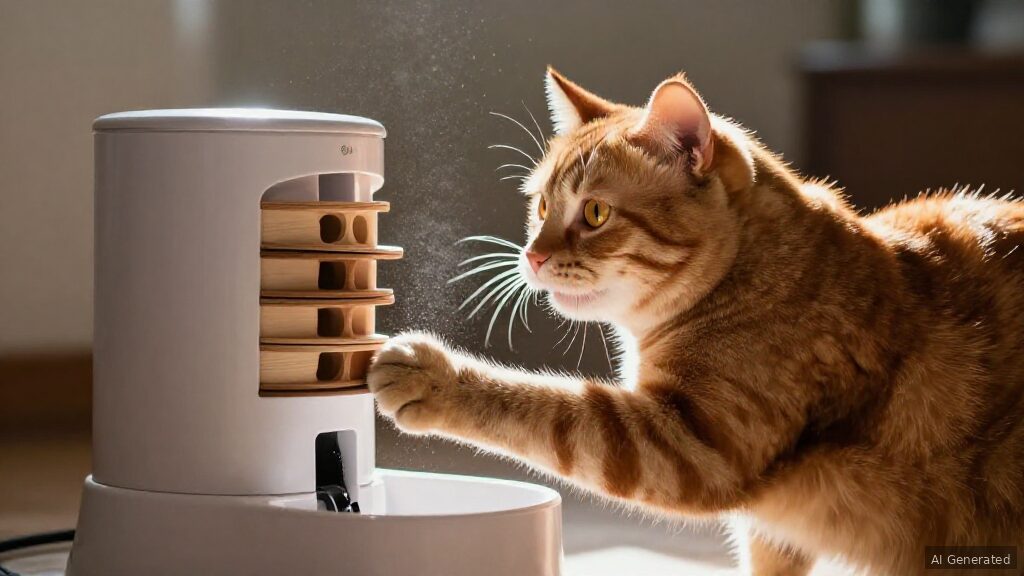
Brain Stimulation by Difficulty Level Using Puzzle Feeders and Smart Toys
A Puzzle Feeder is a toy that requires a cat to perform specific actions to obtain food, making it one of the most effective tools for stimulating hunting instincts and activating the brain. Since food is the most powerful motivator for cats, various cognitive training can be performed naturally through it. Puzzle feeders range from simple balls with holes to complex devices requiring lever manipulation, available in various difficulty levels. They should be introduced step-by-step according to the cat’s ability and interest level. If set too difficult initially, the cat may feel frustrated and reject the toy, so a strategy of starting easy and gradually increasing difficulty is necessary.
Smart toys refer to products designed so that cats can only obtain rewards by pressing buttons or finding paths themselves, going beyond simply chasing moving objects. These toys help improve a cat’s problem-solving skills and strengthen long-term memory. Especially for indoor cats with limited external environmental stimulation, it is essential to artificially create opportunities for hunting and exploration through such smart toys. The various solid wood-based puzzle structures provided by PlayCat are comfortable for cat paws and highly durable, ensuring safety even with long-term use. Compared to plastic or metal, solid wood offers a more familiar texture to cats, and its natural scent stimulates their curiosity.
The table below summarizes recommended puzzle feeder and toy difficulty levels based on a cat’s age or cognitive level. Owners should refer to this guide to select the most suitable tools for their cat and upgrade them gradually.
| Category | Recommended Difficulty | Main Activities | Expected Effects |
|---|---|---|---|
| Beginner (Kittens/Newbies) | Level 1 (Intuitive) | Taking treats out through holes, toys that make noise and drop treats when shaken | Hand-eye coordination, understanding cause and effect, stimulating interest |
| Intermediate (Adults/Experienced) | Level 2-3 (Problem Solving) | Opening lids, pushing levers, finding hidden spaces | Improved problem-solving skills, building patience, enhancing focus |
| Advanced (High Performance/Severe Boredom) | Level 4 and above (Complex) | Pressing buttons in order, obtaining treats after passing multiple stages | Higher-order thinking, memory maintenance, stress relief |
What is important when using a puzzle feeder is not ‘immediate reward’ but the process of ‘waiting’ and ‘effort.’ The cat’s neural circuits are strengthened through the process of making several attempts to get a treat, experiencing failure, and trying again. If a cat gets treats too easily from the start, it becomes a simple feeding activity rather than cognitive training. Therefore, owners must allow sufficient time for the cat to ponder in front of the toy. PlayCat’s solid wood puzzle toys provide natural friction and weight, giving cats a sense of satisfaction when manipulating them, making this learning process even more effective.
Additionally, when adjusting difficulty, one must consider the cat’s personality. Curious and active cats prefer fast-paced toys, while cautious and picky cats prefer toys that require slow thinking and solving. Using only one type of toy can cause the cat to lose interest quickly, so it is best to rotate various types of puzzle feeders. For example, give a lever-pressing toy today and a hidden-space-finding toy tomorrow to increase variety. Providing such diverse stimuli helps the cat’s brain develop the ability to adapt to new situations, which aids in flexibly coping with unexpected environmental changes later on.
Finally, when using puzzle feeders, portion control is essential. While a significant portion of daily caloric intake should come from the puzzle feeder, overfeeding leading to obesity must be prevented. Treats should be prepared in appropriate sizes and quantities considering the cat’s weight and health status. Especially for senior cats, using soft treats is recommended to consider dental health. A cognitive enrichment program combined with such meticulous care is the most ideal way to look after both the physical and mental health of a cat.
Clicker Training Basics: Step-by-Step Methods and Reward Systems
Clicker Training is a training method that connects a ‘click’ sound with a reward to reinforce desired behaviors in cats. Based on the principle of operant conditioning widely used in animal behavior, this method tells the cat the exact moment of the correct behavior, significantly increasing the learning speed. A clicker is not just a sound-making tool; it serves to deliver a clear signal to the cat: “The action you just took is correct, and you are ready to receive a reward.” Initially, the cat may not be familiar with the click sound, but through consistent training, the cat forms a strong connection between this sound and delicious treats.
To start Clicker Training, one must first go through a ‘Marking’ process. This involves repetitive practice of giving a treat immediately after making the clicker sound. When the owner presses the clicker, the cat hears a “click” and is immediately given a delicious treat. Repeating this process about 10-20 times causes the cat to feel good upon hearing the click and predict that a reward is coming soon. At this stage, it is crucial to keep the time interval between the sound and the treat as short as possible. If there is a delay, the cat may not remember or may misunderstand which action was performed. Conducting this training around PlayCat’s solid wood furniture allows the cat to start new learning in a familiar and comfortable environment, making it even more effective.
The next step is to induce the desired behavior and mark it with the clicker. Start with simple actions like ‘licking your hand’ or ‘sitting.’ The moment the cat naturally sits, press the clicker and give a treat. As the cat repeats this behavior, the owner sends a clearer signal, and the cat understands the causal relationship between its action and the reward more firmly. An important aspect of this process is not forcing the cat. The clicker should only be pressed when the cat chooses and executes the action on its own. Forcing the cat to sit by lifting its leg or making it lick your hand against its will can reduce the effectiveness of training and cause stress.
The reward system is the core of Clicker Training. You must use the reward the cat likes most, such as treats, toys, or petting. Not all rewards are effective for every cat, so owners must observe and identify what their specific cat likes best. When using treats, prepare pieces that are not too large so the cat does not feel full during training, and it is best to put away any remaining treats after the session. Also, the timing of the reward is very important. The reward must be given immediately after the click sound to reinforce the correct behavior in the cat. If this consistency is broken, the cat becomes confused and the training effect diminishes.
Clicker Training is also very useful for correcting problem behaviors. For example, if you do not want your cat to jump on the sofa, click and reward the behavior of sitting on the floor instead of jumping on the sofa. The cat learns that staying on the floor yields more rewards than jumping on the sofa, naturally choosing the desired behavior. This forms a much more effective and positive relationship than punishment or scolding. Research shows that owners who received proper behavioral guidance early on reported a significantly lower rate of problem behaviors in their cats later. Clicker Training is part of this proper behavioral guidance, helping cats communicate better and live harmoniously with their owners.
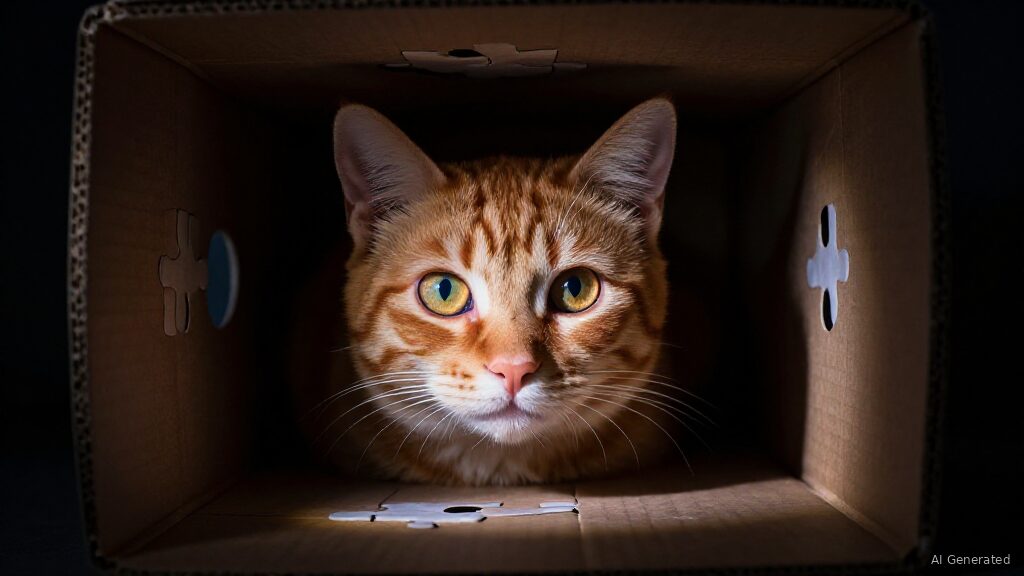
Stimulating Exploration Instincts: Hide and Seek, Treasure Hunt, Exploring New Spaces
As natural-born hunters, cats possess an instinct to constantly explore their surroundings and discover new things. If this desire for exploration is not satisfied due to a long indoor life, cats may feel bored and exhibit various problem behaviors. Therefore, owners must provide various activities that can stimulate a cat’s exploration instinct. Hide and seek, treasure hunts, and exploring new spaces provide hunting opportunities for cats and keep their brains active, improving cognitive function.
Hide and Seek is an effective activity that stimulates both a cat’s hiding instinct and tracking instinct. When an owner hides treats or toys and encourages the cat to find them, the cat uses its sense of smell and sight to locate the hidden object. At this time, the hiding spot should be adjusted according to the cat’s level. For beginners, hide items in visible or easily accessible places, while for skilled cats, hide them in high places or narrow crevices to increase the challenge. PlayCat’s solid wood furniture, with its various shelf heights and hiding spaces, provides an optimal environment for hide and seek games. The natural crevices and structure of solid wood create a more realistic hunting ground for cats.
Treasure Hunt is a game where the cat must find the correct answer among several boxes or containers. Prepare several cups or boxes, place a treat in only one of them, and let the cat choose. Initially, you can leave the cups open or guide the cat with your gaze so it can find the treat easily. Gradually, let the cat choose on its own, and give big applause and rewards each time it guesses correctly. This game improves the cat’s memory and reasoning abilities and can also build patience to endure the frustration of making wrong choices. Treasure Hunt is a very interesting activity, especially for intelligent cats; conducting a new treasure hunt every day keeps the cat’s brain always active.
Exploring new spaces involves exposing the cat to environments it has not experienced before. Open rooms the cat usually doesn’t enter, or place new toys or furniture to encourage the cat to explore with curiosity. During this process, the cat experiences new smells, textures, and sounds, stimulating neuroplasticity in the brain. In particular, PlayCat’s solid wood furniture is composed of various heights and structures, naturally inducing cats to jump, hide, and roll around. Over time, solid wood retains the cat’s paw prints and scratch marks, developing a unique scent that is an important factor giving the cat a sense of stability and belonging.
When conducting exploration activities, the cat’s safety must be the top priority. Remove dangerous objects or toxic substances, and protect high places or narrow crevices where the cat could get hurt. Also, allow sufficient time for the cat to decide on its own without forcibly intervening while it explores the new environment. The joy and sense of accomplishment the cat feels while discovering and exploring new things is the core of cognitive enrichment. These activities reduce the cat’s stress, strengthen the bond with the owner, and play a major role in preventing potential problem behaviors in the future.
Problem-Solving Training: Opening Drawers, Overcoming Obstacles, Learning Sequences
Cats are very intelligent and possess the ability to solve complex problems. Problem-solving training is an advanced cognitive activity that stimulates the brain by having the cat overcome various barriers or obstacles to achieve a goal. Training such as opening drawers, passing through obstacles, and acting in sequence improves the cat’s logical thinking and planning abilities. These trainings go beyond simply manipulating toys, inducing the cat to analyze the situation and formulate strategies on its own.
Training to open drawers is effective for developing a cat’s dexterity and understanding of cause and effect. Prepare a small drawer or a box with a door, and place a treat inside. Encourage the cat to naturally grab or push the handle to open it. Initially, the owner can open it slightly and let the cat finish opening it, or reward with a clicker when the cat performs the action of pulling the handle. This training makes the cat realize that its actions can change the environment, building confidence in problem-solving. PlayCat’s solid wood furniture features natural and sturdy door or drawer structures, providing an optimal environment for cats to safely practice manipulation.
Obstacle course training improves a cat’s physical control and spatial awareness by having it overcome physical barriers. Assign missions such as passing between desks and chairs or jumping over specific heights. At this time, adjust the gap and height of the obstacles so the cat can pass safely. Give a reward when the cat passes the obstacle to provide positive reinforcement. This training is a great way for active cats to relieve stress and expend energy. Additionally, combining various obstacles to create a complex course can further stimulate the cat’s focus and memory.
Sequence learning training is an advanced exercise where the cat performs several actions in order. For example, assign a complex mission like “First climb the wooden pillar, then press a specific button, and finally move to the treat bowl.” This process requires the cat to remember multiple steps and act planfully, developing higher-order cognitive abilities. Initially, train each step separately, then gradually connect them to perform the sequence. This training utilizes the cat’s brain to the maximum and is also very effective in preventing cognitive decline.
When conducting problem-solving training, adjust the difficulty considering the cat’s personality and abilities. Too difficult missions can cause frustration, so it is important to maintain motivation by repeating small success experiences. Also, patience is required to wait when the cat stops or ponders during training. True learning occurs when the owner does not help immediately but allows the cat to find the solution on its own. Such problem-solving training helps the cat act more actively and confidently within the home environment.
Preventing Cognitive Decline: Brain Health Management for Senior Cats
As cats age, they may suffer from Cognitive Dysfunction Syndrome (CDS), similar to Alzheimer’s in humans. This manifests as various symptoms such as memory loss, loss of direction, changes in sleep patterns, and excessive meowing. Continuous cognitive enrichment activities are essential to maintain brain health and prevent cognitive decline in senior cats. It is known that cats that have consistently stimulated their brains since youth maintain mental clarity for longer even during the aging process.
Cognitive enrichment for senior cats should focus on continuity and comfort rather than intensity. Training that is too complex or difficult can actually cause stress, so it is better to introduce slight changes to familiar activities or activities that stimulate new senses. For example, finding treats by scent or exploring on soft-textured solid wood are effective activities. PlayCat’s solid wood furniture provides heights and textures that are not burdensome even for senior cats, helping them stay active without straining aging joints. The natural temperature of solid wood can also help senior cats maintain their body temperature.
Maintaining a regular training schedule is important. Using a simple puzzle feeder or conducting short clicker training sessions at a set time every day activates the brain’s neural circuits. The treats used at this time should be low-calorie and easy to digest, considering the health status of senior cats. Also, increasing interaction time with the owner is important. Senior cats are more sensitive to the owner’s voice and touch; simply talking in a gentle tone and petting them has a positive effect on brain health.
To detect early symptoms of cognitive decline, one must carefully observe changes in the cat’s daily behavior. If changes such as litter box accidents, failing to recognize the owner, or crying at night are observed, these may be signs of cognitive decline. If such symptoms are found, visit a veterinary clinic immediately for a professional diagnosis, and combine medication or special diets if necessary. Prevention is best, but if a problem occurs, early response is the way to preserve the cat’s quality of life.
Managing the cognitive health of senior cats requires not just giving toys, but comprehensive improvements to the living environment and emotional support. A stable environment, regular lifestyle patterns, and the owner’s warm attention are the most important factors for senior cats to spend their old age healthily and happily. Nature-friendly environments like PlayCat’s solid wood furniture provide stability and comfort to senior cats, contributing to slowing down cognitive decline.
DIY Cognitive Enrichment Tools: Materials/Methods/Time Checklist
Even without buying expensive toys, you can create tools to stimulate your cat’s brain using simple materials found at home. DIY cognitive enrichment tools are a great way to strengthen the bond between owner and cat through the process of making them together, and to provide various stimuli without financial burden. Below is a guide to making cognitive enrichment tools easily at home.
- Recycled Cup Treasure Hunt Game
- Materials: 5-6 disposable paper or plastic cups, cat treats
- Method: Turn the cups upside down on the floor and hide a treat in one of them. Encourage the cat to move the cups to find the treat. To increase difficulty, make more cups or stack them.
- Time Required: 5 minutes (Preparation) + 10 minutes (Play)
- Effect: Improved memory, tracking ability, and problem-solving skills
- Box Maze Creation
- Materials: Large cardboard box, scissors, tape, treats
- Method: Drill several holes in the sides of the box and create partitions inside to form a maze. Place treats at the end of the maze and have the cat find them by passing through the holes.
- Time Required: 20 minutes (Creation) + 15 minutes (Play)
- Effect: Stimulates spatial awareness, patience, and exploration instinct
- Solid Wood Scratcher Puzzle
- Materials: Small solid wood pieces (PlayCat products can be used), double-sided tape, treats
- Method: Place treats between the wood pieces and have the cat scratch or push them out with its paws. The natural texture of the wood stimulates the cat’s paw pads, increasing interest.
- Time Required: 10 minutes (Assembly) + 10 minutes (Play)
- Effect: Hand-eye coordination, tactile stimulation, stress relief
When making DIY tools, safety is paramount. Do not use small parts that can be swallowed or harmful adhesives. Also, since every cat has different preferences, it is best to make several types of tools and select the one the cat likes most to use intensively. Using PlayCat’s solid wood furniture as a base for DIY tools can further enhance durability and safety, allowing play in a natural environment. Solid wood does not deteriorate over time and maintains a familiar scent for cats, making it very suitable as a long-term cognitive training tool.
Such DIY activities increase the time owners spend observing and communicating with their cats by participating directly. The process of the owner playing together, observing the cat’s reaction, and making adjustments is itself a great stimulus for the cat. Additionally, the fact that they can be made easily at home reduces economic burden and allows for the continuous creation and use of various tools. If you create various tools with creative ideas, your cat’s brain will work even more actively.
Precautions and Common Mistakes
There are common mistakes that owners often make when conducting cognitive enrichment. These mistakes can reduce the effectiveness of training or even cause stress to the cat, so caution is needed. The most common mistake is setting the training intensity too high. If a cat is presented with a problem too difficult to solve, it may feel frustrated and reject the toy or the training itself. Therefore, start with easy steps according to the cat’s level and gradually increase the difficulty.
Another mistake is mistiming the reward. When using clicker training or puzzle feeders, if a reward is not given immediately after the cat performs the correct behavior, the cat will not understand which action was correct. Rewards must be immediate and consistent. Also, many cases occur where obesity develops due to overfeeding because the quantity of treats used as rewards is not controlled. Treats should be limited to within 10% of daily caloric intake, and if necessary, part of the main food can be used as treats.
Owners should also avoid intervening directly to solve problems during training. The process of the cat pondering and going through trial and error is the core of learning. If the owner immediately reveals the answer or takes out the treat, the cat loses the opportunity to think for itself. It is important to have patience and wait until the cat solves it on its own. Also, applying the same training method to all cats is a mistake. Cats have different personalities and abilities individually, so training methods must be modified to suit your specific cat.
Finally, do not think of cognitive enrichment as a one-time event but integrate it into daily life. It is important to provide brain activity regularly, even if just for a few minutes a day. Especially during the kitten stage, these habits form lifelong behavioral patterns, so consistent training from a young age is necessary. Utilizing PlayCat’s solid wood furniture allows you to naturally integrate cognitive enrichment into daily life. Solid wood furniture serves as a space where cats can access, play, and explore at any time, allowing them to stimulate their brains on their own without owner intervention.
Cognitive enrichment is one of the most effective ways to deepen the relationship with your cat and improve its quality of life. Try living a happier and more intellectual life with your cat through correct understanding and consistent practice.
Frequently Asked Questions (FAQ)
1. When should I start cognitive enrichment?
Cognitive enrichment is more effective the earlier it starts. Especially during the kitten stage between 2 and 6 months, which is a critical period for rapid brain development, providing various stimuli from this time has a positive impact on lifelong cognitive abilities and behavioral patterns. It is not too late even after becoming an adult cat, and it is consistently needed for senior cats to prevent cognitive decline. It is recommended to provide regular activities for at least 15 minutes a day.
2. What treats are good to use with puzzle feeders?
It is best to use treats that the cat likes most and that have a high motivational value for rewards. Generally, dry food or small-sized meat treats are suitable. Be careful as treats that are too large or hard may get stuck in the puzzle feeder and not come out. The quantity of treats should be adjusted to occupy a portion of daily caloric intake to prevent obesity. For senior cats, soft treats are recommended considering dental health.
3. What if my cat is sensitive to sound during clicker training?
For cats sensitive to sound, the clicker sound may feel too loud or sharp. In such cases, instead of a clicker, you can use the sound of snapping your fingers or a familiar, gentle voice (e.g., “Good”, “Yes”) as a marking signal. What is important is the consistency that the signal and reward are immediately connected. Another method is to start with a very small sound and gradually acclimate the cat to it.
4. Does doing cognitive enrichment activities improve the bond with my cat?
Yes, very much. The process of the owner dedicating time to stimulate the cat’s brain and playing together is the best way to build trust and strengthen the bond. The cat feels that the owner understands and cares for its needs, which leads to a reduction in problem behaviors and more positive interactions. Research also shows that cats that received early behavioral guidance and training form closer relationships with their owners.
5. How does solid wood furniture help with cognitive enrichment?
Solid wood furniture provides natural textures and structures, simultaneously giving cats visual, tactile, and olfactory stimulation. In particular, solid wood furniture from brands like PlayCat offers various heights and space configurations, providing opportunities for exploration and hunting for cats, and its durability allows for long-term use. Solid wood provides more stability to cats than plastic or metal, and its natural scent stimulates curiosity, promoting cognitive activity.
This content was written using AI technology. Always consult a veterinarian regarding medical information.