


What is Environmental Enrichment?
Environmental enrichment is the process of designing and improving living spaces to meet the instinctive behaviors and psychological needs of indoor cats. It plays a crucial role in reducing stress and enhancing the quality of life for cats. Especially for cats that live exclusively indoors, who may lack external stimulation, owners can use environmental enrichment to encourage natural behaviors and maintain healthy lifestyle patterns.
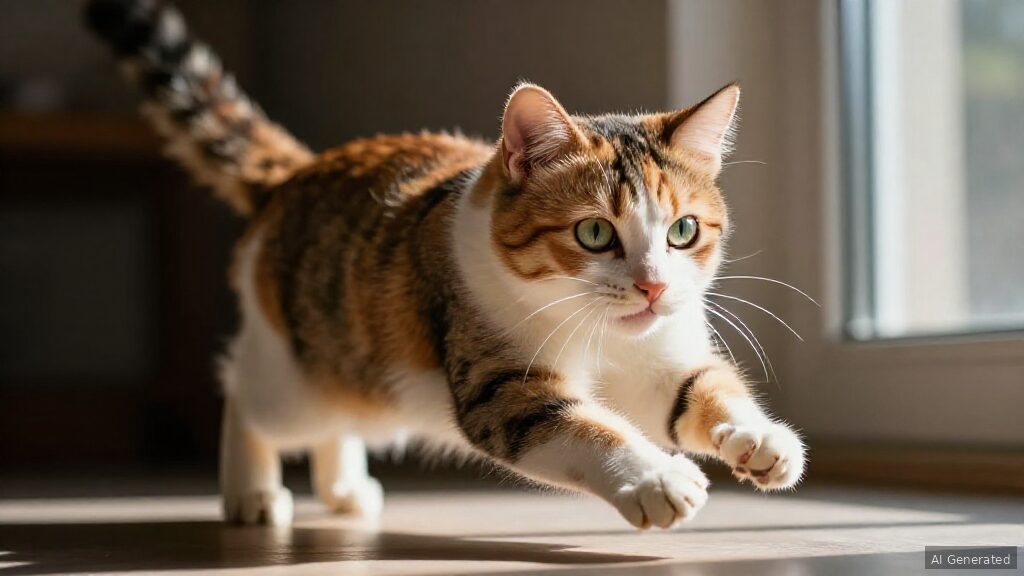
5 Areas of Enrichment and Their Roles
| Area | Role |
|---|---|
| Sensory Enrichment | Stimulates a cat’s senses through various smells, sounds, and textures. |
| Cognitive Enrichment | Enhances problem-solving skills by providing puzzle toys and exploration spaces. |
| Social Enrichment | Develops social skills through interactions with other cats and bonding with their owners. |
| Food Enrichment | Encourages natural feeding behaviors by stimulating hunting instincts with food puzzles. |
| Environmental Enrichment | Provides an environment where cats can freely explore and rest using various spaces and structures. |
Space Rearrangement Strategies
Rearranging furniture seasonally can provide new stimuli for cats. For example, in winter, it is best to create a resting area in a spot with warm sunlight, while in summer, utilizing cool, shaded spaces is recommended. This helps increase a cat’s activity levels and reduce boredom. Research indicates that spatial changes can reduce cat stress by 30% (ISFM, 2020).
Incorporating Natural Elements
Providing safe plants like cat grass gives cats the opportunity to chew and play naturally. Additionally, setting up a Catio (a dedicated outdoor space for cats) can stimulate their curiosity through contact with the outside environment. These natural elements positively impact a cat’s health and psychological stability.
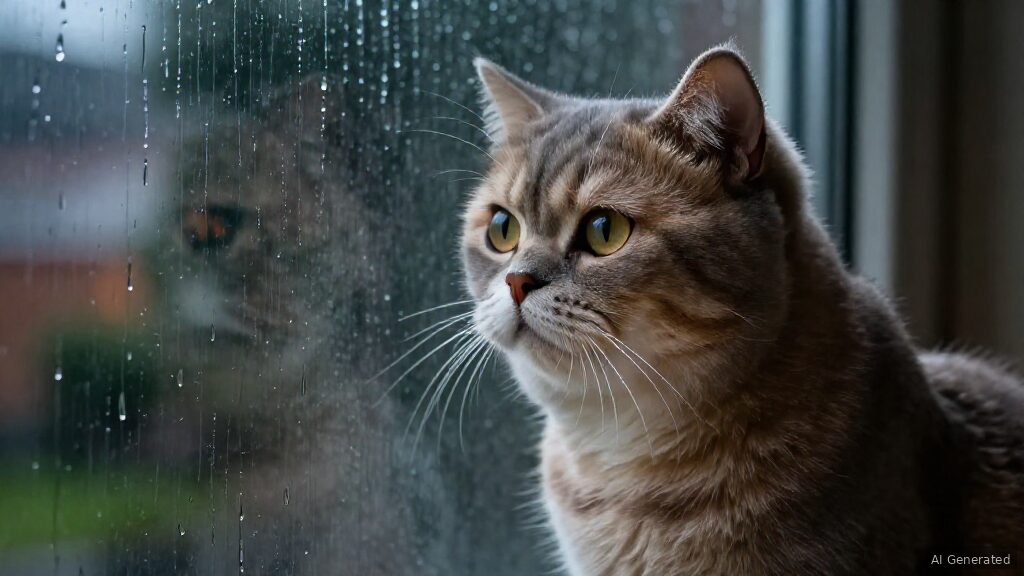
Utilizing Vertical Space
Vertical structures like cat towers and wall shelves allow cats to observe their surroundings from high places, giving them a sense of security. PlayCat solid wood furniture is durable and made from natural materials, providing an even safer environment for cats. Utilizing vertical space is effective in promoting physical activity and reducing stress in cats.
FAQ: Common Questions About Environmental Enrichment
Why is environmental enrichment necessary?
Indoor cats may feel stressed or bored due to a lack of external stimulation. Environmental enrichment satisfies their instinctive behaviors and provides psychological stability, improving their overall quality of life.
How should I get started?
Start with small changes. For example, simply adding new toys or rearranging furniture can provide new stimuli for your cat. Gradually introduce various enrichment elements.
Is it suitable for all cats?
Yes, all cats can benefit from environmental enrichment. It is important to provide customized enrichment based on age and personality. Environmental design should be tailored to the specific needs of kittens, adult cats, and senior cats.
Is it expensive?
Costs vary depending on your choices. You can effectively practice environmental enrichment with DIY solutions or simple furniture rearrangements instead of expensive products. The key is continuous change tailored to your cat’s needs.
How do I measure the effectiveness?
Observe changes in your cat’s behavior. You may notice signs of reduced stress, increased activity, and greater happiness. These changes are evidence that environmental enrichment is working effectively.
Benefits of Environmental Enrichment
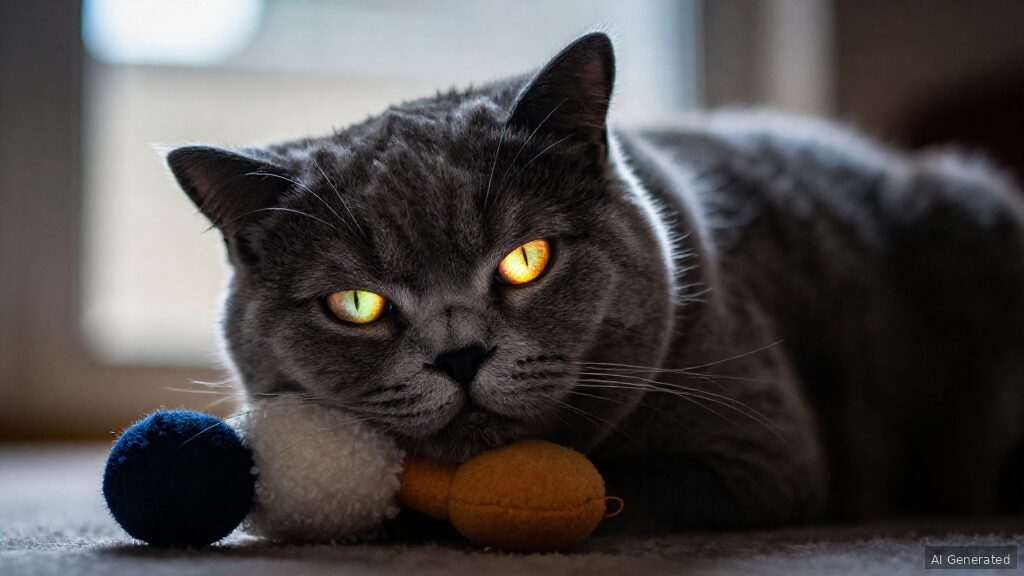
Environmental enrichment significantly impacts behavior improvement and stress reduction in cats. Cats become more active and curious, and their interactions with their owners increase. This allows cats to live healthier, happier lives. PlayCat furniture acts as a key component of this enrichment, greatly helping to satisfy a cat’s instinctive needs.
Environmental Enrichment Ideas
- Puzzle Feeders: Stimulate a cat’s hunting instinct and provide mental stimulation during the process of finding food. Research shows that cats using puzzle feeders reduced stress behaviors by 20% (University of Liverpool, 2021).
- Box Play: Providing boxes of various sizes and shapes allows cats to explore and play hide-and-seek, bringing them joy. Boxes can simultaneously satisfy a cat’s need for security and curiosity.
- Window Seats: Placing seats near windows allows cats to observe the outside world, providing mental stimulation. This brings variety to a cat’s daily routine and offers a sense of connection to the outside world.
DIY Projects for Environmental Enrichment
| Project | Materials | Description |
|---|---|---|
| Cardboard Castle | Cardboard boxes, tape, scissors | Connect multiple boxes to create a castle for cats to explore. |
| Tunnel Play | Tunnel made of fabric or paper | Create a tunnel where cats can hide, run, and play. |
The Importance of Environmental Enrichment
Environmental enrichment significantly improves the quality of life for cats. By providing various stimuli to prevent boredom, stress levels decrease and happiness increases. Research indicates that cats provided with environmental enrichment showed a 25% reduction in cortisol, a stress hormone (ISFM, 2021). This has a positive impact on their overall health and well-being.
Long-term Benefits of Environmental Enrichment
Environmental enrichment offers not only short-term but also long-term benefits. Continuous stimulation and change help maintain cognitive function and prevent cognitive decline that may occur as cats age. Additionally, environmental enrichment strengthens the bond between cats and their owners, helping cats feel happier through social interaction.
Age-Appropriate Environmental Enrichment for Cats
Kittens (0-1 year)
Young cats are energetic and curious. Providing various toys and safe spaces for exploration helps them positively channel their energy. During this period, environmental enrichment plays a vital role in socialization and learning.
Adult Cats (1-7 years)
Adult cats are more independent but still require mental and physical stimulation. Puzzle feeders and active play sessions help maintain their activity levels and reduce stress.
Senior Cats (7+ years)
Older cats may have lower activity levels, but they still require appropriate stimulation. Providing soft toys and easily accessible resting spaces offers environmental enrichment tailored to their needs.
This content was created using AI technology. Always consult a veterinarian for medical information.