


Clinic Phobia in Cats: Why Is It a Serious Issue?
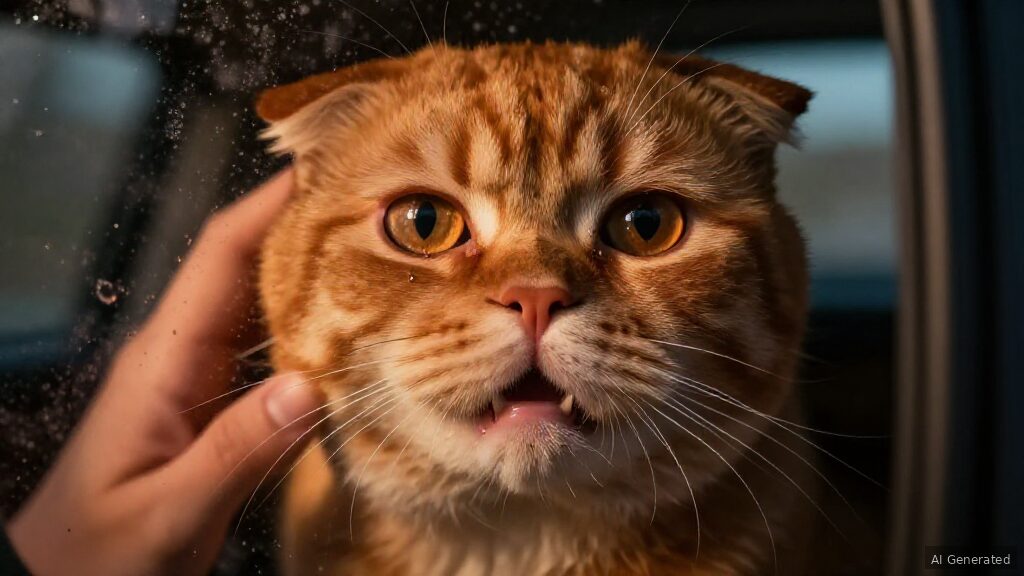
One of the most common concerns among cat owners is ‘veterinary clinic phobia.’ Many cats experience extreme stress simply due to the space of the clinic itself, the process of traveling there, or the moment they are placed on the examination table. This goes beyond mere meowing or kicking; in severe cases, it can escalate into a serious medical crisis leading to respiratory distress, vomiting, accidents, and even cardiac arrest. Especially since cats instinctively hide pain or weakness, they may appear calm on the surface while internally suffering from excessive sympathetic nervous system arousal due to fear, causing physiological changes.
If this state of fear is neglected, even routine health check-ups may become impossible, leading to interruptions in vaccinations and regular health management. This increases the risk of exposure to fatal infectious diseases (e.g., Panleukopenia, Calicivirus) and can cause conditions that could have been easily treated if detected early to worsen until the terminal stage. Furthermore, cats that fear visiting the clinic may even reject their owner’s touch, making basic health checks at home (monitoring urine output, observing gum color, etc.) difficult. Therefore, feline clinic phobia should be recognized not merely as a personality issue, but as a critical veterinary management task directly linked to the cat’s lifespan.
Clinic phobia is a learned behavior, but its intensity varies depending on the individual cat’s temperament and past traumatic experiences. In particular, cats rescued from the streets and adopted after temporary fostering often exhibit more severe clinic phobia due to negative experiences during street life or failed adaptation to unfamiliar environments. These cats display instinctive defensive reactions to the smells of the clinic (pharmacy scents, other animals), sounds (diagnostic equipment, other cats crying), and visual stimuli (people in white coats, various medical instruments).
To resolve this issue, it is essential for owners to understand their cat’s fear and establish concrete strategies to alleviate it. Simply repeating “It’s okay, it won’t hurt” is not enough; a comprehensive approach involving scientifically based behavior modification techniques, environmental improvements, and, if necessary, medication under veterinary guidance is required. Through PlayCat’s guide, we will explore practical methods to create a comfortable clinic visit experience for both cats and owners.

Causes and Mechanisms of Feline Clinic Phobia
The causes of clinic phobia in cats are not singular; they result from a complex interplay of genetic tendencies, early experiences, learned behaviors, and environmental factors. First, the instinctive defense mechanisms inherent to the cat species play a significant role. As both hunters and prey, cats possess a survival instinct that dictates that appearing weak can be a fatal threat. Therefore, when in pain or facing uncontrollable situations, behaviors aimed at hiding or escaping are reinforced. The veterinary clinic is the place that most vividly presents such uncontrollable situations.
Second, past traumatic experiences (Negative Reinforcement) are one of the biggest causes. If a cat previously received painful injections, underwent uncomfortable examinations, or was forced into treatment by an angry owner at the clinic, the clinic space, carrier, or even the owner’s touch becomes imprinted in the brain as signals of ‘danger’ and ‘discomfort.’ This operates on the principle of Classical Conditioning, triggering an immediate fear response just by smelling the clinic. In particular, rushed health check-ups or isolation during the temporary fostering process after rescuing a stray cat can exacerbate this trauma.
Third, stress during transportation often leads to fear of the clinic. Cats feel their safety is threatened while moving. Being trapped in a small cage while the car shakes, noise occurs, and unfamiliar smells arise is a very anxious experience for a cat. This travel stress persists until arrival at the clinic, causing the cat’s heart rate and respiration to rise abnormally even before entering. This makes cooperation during the examination more difficult and worsens fear symptoms.
Fourth, the owner’s anxiety also amplifies the cat’s fear. Cats are extremely sensitive to their owner’s emotional state. If the owner is afraid of going to the clinic or shows anxious expressions and tense body language while trying to calm the cat, the cat perceives it as “something dangerous is happening” and feels fear. Additionally, struggles when the owner forcibly grabs the cat or tries to put it in the carrier before the visit are perceived by the cat as aggressive behavior, damaging the trust relationship between the cat and the owner.
Finally, sensitivity to environmental changes is also important. Cats prefer consistent routines and environments and are stressed by sudden changes. The clinic is a space where everything is unfamiliar; the floor material, lighting, temperature, and airborne microbes are all different from the cat’s familiar territory. This state of overstimulation over-activates the cat’s nervous system, triggering aggressive or withdrawn behaviors. Therefore, clinic phobia should be understood not just as simple ‘fear,’ but as a complex stress response arising from the mismatch between the cat’s nervous system and the environment.
Staging Symptoms: From Early to Severe
Feline clinic phobia manifests in various forms and can be observed in stages: early, middle, and severe, based on intensity. Owners must observe even subtle changes in their cats to intervene appropriately. The table below summarizes symptoms by stage.
| Stage | Physical Symptoms | Behavioral Symptoms | Importance of Response |
|---|---|---|---|
| Early Stage (Mild Anxiety) |
Ears pinned back, whisker trembling, dilated pupils, slightly increased breathing Accidents (urination), increased licking (over-grooming) |
Seeking hiding spots, avoiding the owner, refusing to enter the carrier Low-pitched meowing, twitching only the tip of the tail |
If appropriate environmental adjustments and positive reinforcement are made at this stage, progression to severe fear can be prevented. |
| Middle Stage (Obvious Fear) |
Severe respiratory distress (panting), vomiting, drooling Elevated body temperature, muscle tension, worsening accidents |
Aggression (biting, scratching), loud screaming Attempts to escape the carrier, running away from the owner |
If a clinic visit is essential, sedatives or behavior modification are required, and forced examinations should be avoided. |
| Severe Stage (Physiological Crisis) |
Respiratory arrest, seizures, fainting, risk of cardiac arrest Dehydration symptoms, high fever or hypothermia, rapid weight loss |
Complete withdrawal (freezing like a statue), refusal to eat or drink Self-harm behaviors (scratching skin, etc.), explosive aggression |
Immediate professional veterinary intervention (anesthesia/sedation) is required, and a long-term behavior therapy plan must be established. |
Characteristics of the Early Stage: At this stage, the cat shows subtle signals just before going to the clinic, during transport, or upon arrival. Ears pinned back (Flight ears) are a classic sign of fear, while dilated pupils indicate a heightened state of arousal. Over-grooming, where the cat repeatedly licks its fur, is an instinctive attempt to relieve stress but can lead to skin conditions if continued. Additionally, accidents that are out of character can be seen as early signs of lost control.
Characteristics of the Middle Stage: This is the stage where fear manifests as behavioral violence beyond physical reactions. When a cat bites or scratches the owner or veterinarian, it is an instinctive defense mechanism to protect its safety. At this stage, ‘panting’ (breathing with the mouth open) may be observed, which is a very dangerous signal for a cat, indicating hyperventilation or cardiac strain. Severe vomiting and drooling are also results of autonomic nervous system disruption. Forcing an examination at this stage can deepen the cat’s fear, potentially making future clinic visits nearly impossible.
Characteristics of the Severe Stage: This is a life-threatening stage. If a cat falls into a ‘freezing state’ where it is completely stiff and immobile, or conversely displays uncontrollable aggression, it indicates the nervous system is on the verge of collapse. Severe respiratory distress can lead to fainting or cardiac arrest due to oxygen deprivation. Furthermore, extreme stress can cause a complete refusal of food and water intake, leading to dehydration and electrolyte imbalance. At this stage, home management is insufficient; treatment must be conducted under veterinary guidance with medication or anesthesia.
Owners should refer to the symptoms in the table above to determine which stage their cat is currently in. If detected in the early stage, there is a high likelihood of improvement through behavior modification and environmental changes, but professional help becomes necessary if it progresses to the middle stage or beyond. In particular, efforts to prevent these symptoms during the health check-up process required for admission after rescuing a stray cat are crucial.
Diagnostic Process and Examination Costs at the Clinic
The process of diagnosing clinic phobia in cats is primarily conducted through observation and interviews. The veterinarian asks the owner detailed questions about the cat’s usual behavior, reactions to the clinic, condition during transport, and past traumatic experiences. Additionally, the veterinarian observes changes in the cat’s behavior from the moment of arrival until the end of the examination to evaluate the intensity of fear. If necessary, physiological stress indices may be checked by measuring heart rate or respiration rate.
The most important aspect of the diagnostic process is recognizing that ‘phobia’ is not merely a personality issue but a condition requiring medical treatment. Sometimes, cats may fear the clinic due to pain or underlying diseases, so a physical exam should first be conducted to rule out other illnesses. For example, a cat with arthritis may strongly dislike being placed on an examination table, which could be pain-avoidance behavior rather than phobia.
Examination Cost Range: While examination costs for treating clinic phobia vary by clinic, they generally include the following items:
- Initial Visit and Consultation Fee: 10,000 KRW ~ 30,000 KRW (Includes owner consultation and behavior evaluation)
- Physical Exam and Basic Blood Test: 30,000 KRW ~ 80,000 KRW (Purpose: Confirming underlying diseases)
- Behavior Therapy Prescription and Medication: 20,000 KRW ~ 50,000 KRW (Sedatives, anxiolytics, etc.)
- Examination Costs Under Anesthesia (If Needed): 100,000 KRW ~ 300,000 KRW or more (In cases of severe fear where cooperation is impossible)
Costs may vary depending on the clinic’s size, location, and the types of medications used. In particular, costs can increase significantly if examination under anesthesia is required, so it is advisable for owners to consult with the clinic beforehand to estimate costs. Additionally, many clinics operate separate ‘behavioral counseling’ services or systems where veterinarians and behavioral specialists work together, allowing for more accurate diagnoses and customized treatment plans if these services are utilized.
Honest reporting by the owner is very important during the diagnostic process. The veterinarian can make an accurate judgment only if provided with detailed information about the cat’s behavior at the clinic, when the problem started, and how it reacts at home. Furthermore, whether a stable environment has been created at home using solid wood furniture like PlayCat is also a factor considered during diagnosis. Providing a familiar and stable space for the cat significantly impacts stress levels during clinic visits.
Once a diagnosis is made, the veterinarian and owner set treatment goals together. The goal is not just to get the cat into the clinic, but to make the cat perceive the clinic as a safe place. For this purpose, an integrated approach combining medication and behavior modification is recommended.
Treatment Options Comparison: Medication, Behavior Therapy, Environmental Management
To treat feline clinic phobia, three options—medication, behavior modification therapy, and environmental management—must be combined according to the situation. Each method has pros and cons, so the optimal strategy should be selected based on the cat’s condition and the owner’s circumstances.
| Treatment Option | Advantages | Disadvantages & Precautions | Recommended For |
|---|---|---|---|
| Medication (Sedatives, Anxiolytics) |
|||
| Behavior Modification Therapy (Desensitization, Conditioning) |
|||
| Environmental Management (Safe Spaces, Pheromones) |
Medication: Sedatives (e.g., Trazodone, Buspirone) or anxiolytics can be used under veterinary prescription. These lower the cat’s anxiety levels before going to the clinic or during examinations, suppressing extreme aggression to enable safe treatment. In particular, when urgent health check-ups are needed during the temporary fostering process after rescuing a stray cat, medication can be an essential option. However, medication is only a temporary solution and must be combined with behavior modification in the long term.
Behavior Modification Therapy: This is the most fundamental treatment, utilizing ‘Desensitization’ and ‘Counter-conditioning’ techniques. For example, this involves linking positive experiences, such as giving treats, simply to the act of putting the cat in the carrier. The process of going to the clinic is broken down into very small steps (putting in carrier -> going outside -> getting in the car, etc.), progressing at a level where the cat feels no anxiety at each step, gradually increasing the difficulty. This process requires patience, but if successful, it can transform the cat into a state where it no longer fears the clinic.
Environmental Management: Creating a space where the cat feels stable at home is important. PlayCat’s solid wood furniture provides stability to cats with natural temperature and texture, and offers shelves or hiding spots at different heights, allowing cats to secure their own safety. Additionally, using pheromone diffusers is effective in relieving tension. Before and after clinic visits, these environments should be utilized to minimize the cat’s stress.
The most ideal treatment strategy is to apply these three comprehensively. This involves calming initial fear with medication, resolving root causes through behavior modification, and reducing daily stress through environmental management. Owners should consult with a veterinarian to establish a customized treatment plan suitable for their cat’s condition.
Management Differences by Age: Kittens, Adults, Seniors
The causes and coping methods for clinic phobia vary depending on the cat’s age. It is important to understand the characteristics of each age group and apply the appropriate approach.
1. Kittens (2 months ~ 1 year):
The kitten period is a critical time for socialization. If the clinic can be made a positive experience during this time, lifelong clinic phobia can be prevented. Since kittens are curious about new environments, it is good to approach the clinic like a playground. Start with short visits, linking them with treats or toys, and provide gentle handling experiences with the veterinarian. Additionally, since kittens have weak stamina, examinations should not be too long; only necessary tests should be performed quickly. It is important for owners to prepare toys so kittens can play at the clinic and provide ample positive reinforcement.
2. Adult Cats (1 year ~ 7 years):
Adult cats may have established behavioral patterns, and if they have past negative experiences, their phobia can be severe. For adult cats, ‘re-learning’ is needed to cover old negative memories with new positive experiences. When visiting the clinic, choose a quiet time if possible, and the owner must maintain a calm demeanor. Since adult cats value independence, it is better to provide a space where the cat can move on its own rather than forcing it to be held for treatment. Additionally, adult cats can develop urinary or digestive diseases due to stress, so checking their health status through regular check-ups is important.
3. Seniors (7 years and older):
Senior cats are more likely to experience pain or discomfort due to physical aging, which makes visiting the clinic even more difficult. Senior cats are very sensitive to environmental changes and easily feel fatigue from movement itself. Therefore, going to the clinic can be a significant physical drain, so it may be worth considering reducing the frequency of visits or opting for home visits. Additionally, since senior cats may have reduced hearing or vision, consideration should be given to avoiding noise and bright lights at the clinic. During examinations, focus should be placed on pain management, proceeding gently and slowly.
When applying different approaches by age, owners must accurately grasp their cat’s current condition and communicate with the veterinarian. Especially for senior cats, sufficient rest and nutritional supply are essential for physical recovery before and after clinic visits.
Home Environmental Management: Recovery Spaces and Utilizing PlayCat Solid Wood Furniture
Home environment is very important for recovery after clinic visits or for managing daily stress. Providing a space where the cat feels safe allows for rapid recovery from stress caused by clinic visits. At this time, PlayCat’s solid wood furniture provides an ideal stable space for cats.
Advantages of PlayCat Solid Wood Furniture:
- Natural Temperature and Texture: Wood is advantageous for body temperature regulation compared to synthetic materials and provides a warm feeling that cats like. After a clinic visit, wood offers more comfort than cold floors or metal materials.
- Vertical Space Utilization: Cats like high places and feel safe observing their surroundings from above. PlayCat’s multi-level shelves or tree towers provide spaces where cats can climb up and rest on their own, which is effective in alleviating anxiety after clinic visits.
- Provision of Hiding Spots: Some models of PlayCat furniture have internal spaces that serve as hiding spots. When a cat wants to block out external stimuli and rest alone after a clinic visit, utilizing this space can help find psychological stability.
- Durability and Safety: Solid wood furniture is sturdy, with little deformation even if the cat jumps or scratches, and is safe for cats as it contains no harmful substances.
Environmental Setup Tips:
- Preparation Before Clinic Visit: The day before the visit, place the cat’s favorite toys or blankets in the hiding spots of PlayCat furniture to increase stability within the home.
- Recovery After Clinic Visit: Upon returning from the clinic, create an environment where the cat can climb to a high place on PlayCat furniture to rest. Using quiet music or pheromone diffusers at this time is even more effective.
- Daily Stress Management: Normally utilize PlayCat furniture to provide play spaces where cats can relieve stress on their own. This can help lower the cat’s anxiety levels even before clinic visits.
Environmental management is not just about placing furniture; it is a comprehensive strategy for the cat’s psychological stability. PlayCat’s solid wood furniture provides a natural and safe space for cats, playing an important role in overcoming clinic phobia.
Prevention and Regular Check-up Checklist
Here is a checklist for owners to follow to prevent feline clinic phobia and ensure smooth regular check-ups.
- Regular Carrier Use: Do not take out the carrier only for clinic visits; leave it open in a corner of the house normally so the cat recognizes the carrier as part of the home. Place soft blankets and treats inside the carrier.
- Gentle Transport: On the day of the clinic visit, adjust the car temperature appropriately and play quiet music if possible. Avoid sudden braking or acceleration to prevent car sickness.
- Choose Clinic Visit Time: Choose a time when the clinic is less crowded (early morning or late afternoon) to minimize noise and smells from other cats.
- Positive Reinforcement: Create positive experiences with treats or praise at the clinic. You can also ask the veterinarian to give treats to the cat.
- Practice Physical Contact: Practice gently touching the cat’s paws, ears, and mouth at home so they are not startled during examinations.
- Utilize PlayCat Furniture: Before and after clinic visits, utilize PlayCat solid wood furniture to provide spaces where the cat can find stability.
- Communication with Veterinarian: Inform the veterinarian of the cat’s condition and degree of phobia before the visit, and consult about medication or behavior therapy if necessary.
Consistently practicing this checklist can make clinic visits a part of a healthy lifestyle rather than a burden for both the cat and the owner.
Frequently Asked Questions (FAQ)
1. My cat is always aggressive when going to the clinic; what should I do?
A cat’s aggression stems from fear as a defense mechanism. Do not force the examination; consult with a veterinarian to consider using sedatives or wait until the cat feels comfortable. It is also important to reduce stress by allowing the cat to stay in the carrier until the visit. Utilizing PlayCat solid wood furniture to increase stability at home is also helpful.
2. Is it dangerous to use sedatives for my cat?
Using sedatives in appropriate dosages under veterinary prescription can reduce the cat’s fear and enable safe examinations. However, long-term use or excessive dosages can cause side effects, so they must be used strictly according to the veterinarian’s instructions. Sedatives are a temporary solution, and behavior modification must be combined in the long term.
3. I am too afraid to take my rescued stray cat to the clinic; what should I do during the temporary fostering period?
While visiting the clinic is essential immediately after rescuing a stray cat, it is best to visit during quiet times to minimize trauma and wrap the cat in a warm blanket during transport. During the temporary fostering period, create a stable environment using PlayCat solid wood furniture and accumulate positive experiences with treats. It is advisable to consult with a veterinarian and perform only necessary tests quickly.
4. What are the special precautions before and after clinic visits?
Before the visit, prepare the cat’s favorite treats or toys and familiarize them with the carrier beforehand. After the visit, create an environment where the cat can rest on high places or in hiding spots of PlayCat furniture. Additionally, avoid excessive play or stress within 24 hours after the visit and ensure sufficient rest.
5. Can I conduct behavior modification therapy on my own?
If the phobia is mild, the owner can consistently conduct behavior modification therapy, but for middle-stage or severe phobia, or cases with severe aggression, it is recommended to seek help from a professional veterinarian or animal behavior specialist. With a systematic plan under expert guidance, the problem can be resolved more effectively.
This content was created using AI technology. Always consult a veterinarian regarding medical information.