


Cat Coughing: Is it Just a Cold or a Hidden Environmental Signal?
When a cat coughs, many owners casually dismiss it, thinking, “They probably just swallowed some litter” or “It’s just a temporary cold.” However, unlike in humans, a cough in cats is often a critical health warning signal. Especially for indoor cats, the primary cause is frequently the indoor environment we fail to manage properly, rather than exposure to external pathogens. Through this article, discover the hidden causes of cat coughing and learn specific methods to improve your home environment. True love goes beyond simply alleviating symptoms; it means helping your cat breathe clean, comfortable air every time they take a breath.
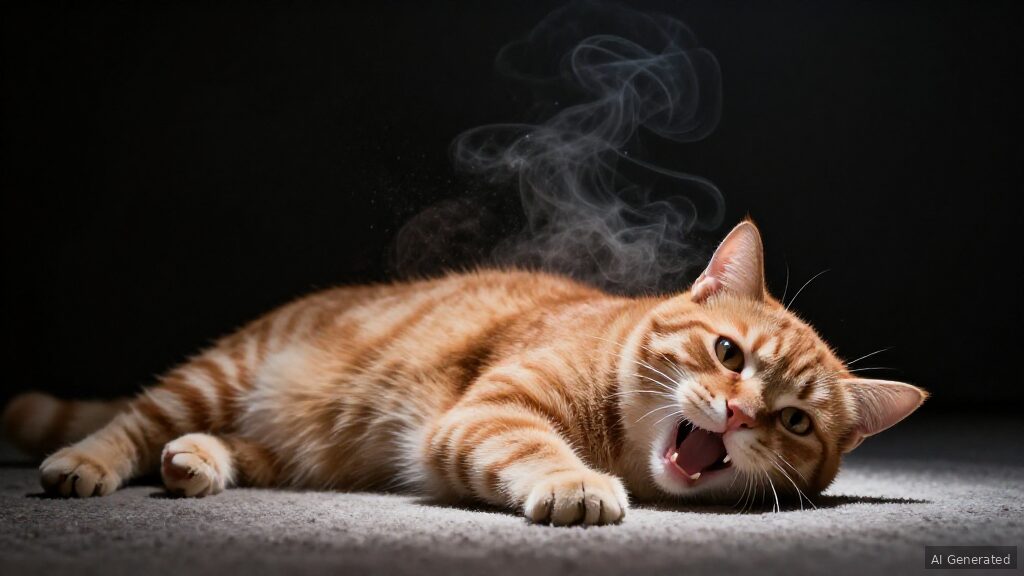
Why Does Our Cat Cough So Often?
Respiratory Issues Often Start with Environmental Problems
A cat’s cough is a reflex action triggered when something irritates the respiratory system, including the larynx, trachea, and lungs. However, the source of this irritation isn’t just pathogens like viruses or bacteria; it can also be microscopic particles emitted from daily household items. Cats have noses far more sensitive than humans, easily detecting and reacting to dust, fragrance compounds, and mold spores in the air. If your cat coughs only at specific times or in specific locations, you should suspect the environmental factors in that space. For example, if they cough after playing on the sofa, the cause could be mites or mold living in the sofa, or chemicals emitting from a new toy.
The Main Culprits of Indoor Air Pollution: Dust and Mold
The most common respiratory irritants in indoor environments are fine dust and mold. Blankets and bedding frequently used by cats retain human body heat and moisture, creating an ideal environment for mold and dust mites to breed. Additionally, if proper ventilation isn’t maintained when seasons change, mold spores can accumulate indoors, potentially triggering fatal allergic reactions in cats. This risk is particularly high during humid summers or in poorly ventilated indoor spaces during winter. If your cat’s coughing persists, it is best to first check the humidity and air quality in your home.
What Are the Most Common Environmental Causes of Coughing?
The Dangers of Unwashed Bedding and Sofas
The places where cats spend the most time are the bedroom and the living room sofa. However, many owners tend to neglect washing cat bedding frequently or leave sofas and toys unwashed because they are difficult to clean. According to reference data, most issues arise from the indoor cat environment, so bedding and blankets frequently used by cats must be washed periodically. For sofas, toys, or cat trees that are difficult to wash, it is necessary to disinfect the environment using professional equipment like sterilization care machines. These products effectively remove viruses, mold, and bacteria, significantly improving the quality of air your cat breathes.
Chemicals from Newly Purchased Furniture and Toys
Newly purchased furniture and toys often emit harmful chemicals. In particular, volatile organic compounds (VOCs) released from synthetic resins, adhesives, and dyes can cause strong irritation to cats. Cats may exhibit symptoms such as coughing, sneezing, and tearing even at chemical concentrations that humans cannot detect. Therefore, when purchasing new toys or furniture, ensure they are thoroughly ventilated before use, and whenever possible, choose products made from natural materials. PlayCat’s solid wood furniture is designed to minimize the risk of chemical exposure by using wood derived from nature and safe paints.
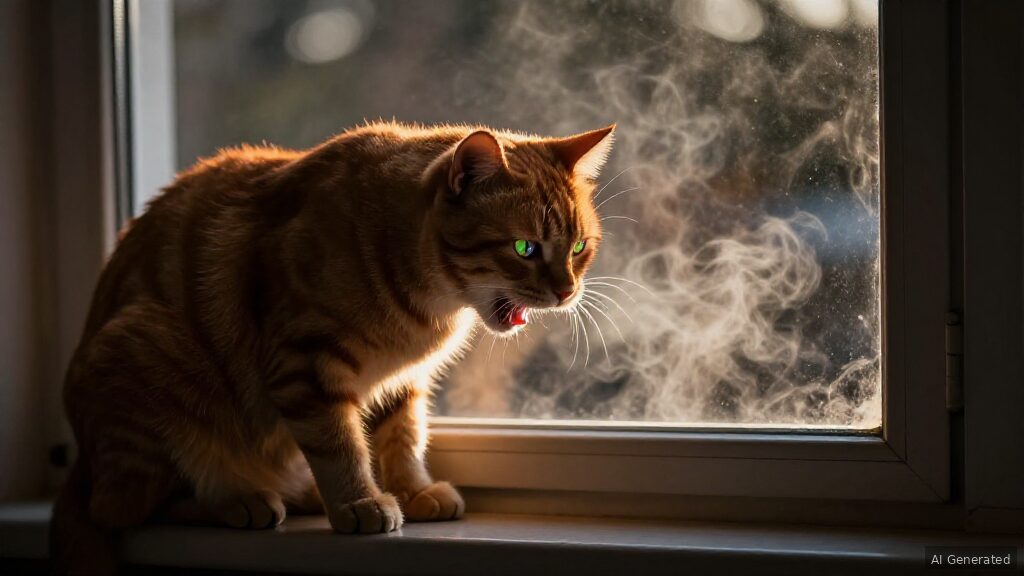
How to Identify Causes Based on Cough Type?
Difference Between Dry and Wet Coughs
Listening carefully to your cat’s cough can help estimate the cause. A ‘dry cough’ occurs when there is irritation in the trachea or larynx and is often caused by non-infectious factors like dust, pollen, or chemicals. In contrast, a ‘wet cough’ occurs when phlegm or mucus accumulates in the lungs or bronchi, which could signal more serious conditions such as bacterial infections or allergic pneumonia. If a dry cough repeats mainly at night or in the morning, it is likely caused by dry indoor air or dust in the bedding. In such cases, using a humidifier or increasing the frequency of bedding washing can lead to improvement.
The Meaning of Coughing After Exercise or During Play
If your cat coughs immediately after vigorous play or hunting games, it could indicate heart disease or bronchial issues, but it is also deeply linked to environmental factors. When breathing becomes rapid due to exercise, the cat inhales more microscopic particles from the air; if the dust concentration in the house is high, this can trigger coughing. Additionally, if your cat coughs while playing on toys located high up, such as on a cat tree or swing, you should suspect that dust accumulated on the surface or inside the toy has entered their respiratory tract. It is necessary to periodically check the cleanliness of play areas and develop the habit of frequently washing toys.
How to Handle Coughing Differently by Age?
Protecting the Sensitive Respiratory System of Kittens
Kittens are extremely sensitive to environmental changes because their immune systems are not fully developed. They can exhibit severe coughing and difficulty breathing even from tiny dust particles or mild chemical substances. If a kitten coughs, immediately purify the indoor air and disinfect all toys and bedding the kitten touches at high temperatures. Additionally, the cat tree or swing used by the kitten should be placed in the safest location to ensure good ventilation. PlayCat’s solid wood furniture has a smooth surface and low porosity, preventing structures where dust easily accumulates, thus providing an ideal environment for protecting a kitten’s respiratory system.
Chronic Management for Adult and Senior Cats
Adult cats have a certain level of immunity, but they can suffer from chronic conditions like bronchitis or asthma due to long-term environmental exposure. Senior cats experience a decline in respiratory function due to aging, making them cough more easily even in the same environment. For these age groups, environmental improvements beyond simple cleaning are required. Regular vacuuming, the use of air purifiers, and periodic environmental disinfection using cat-specific sterilization care machines are essential. In particular, cat trees or shelters used by senior cats should be washed frequently and dried in the sunlight.
Effects of Environmental Improvement Seen in Real Cases
Case of Improvement After Replacing and Washing Bedding
Ms. A reported that her 3-year-old cat coughed every morning. After visiting the hospital several times without finding a specific cause, she decided to check the home environment. As a result, it was discovered that the blanket and sofa cover the cat slept on daily had not been washed for over three months. Ms. A washed the blanket at high temperatures, disinfected the sofa and toys with a sterilization care machine, and replaced them with cat-specific bedding. As a result, the coughing symptoms decreased significantly after one week and disappeared completely after one month. This is a representative case showing how much simple environmental cleanliness can impact a cat’s health.
Coughing After Introducing a New Toy and Its Resolution
Ms. B gifted her cat a new plastic toy. However, the cat started coughing the day after receiving the toy. Ms. B suspected the unique smell from the toy was the cause, so she immediately removed the toy and ventilated the area. After replacing it with PlayCat’s natural solid wood toy, the cat’s coughing disappeared. This case suggests how important it is to choose nature-friendly materials instead of synthetic ones for the respiratory health of cats. Solid wood furniture without chemicals is safe even if the cat chews or licks it, and it does not harm air quality.
Common Mistakes and Correct Solutions
Mistake 1: Only Taking Medicine When Coughing
Many owners only go to the hospital and get medicine when their cat coughs, then neglect the environment again once symptoms disappear. However, coughing is a symptom that can recur anytime if the environmental cause persists. Medication only alleviates temporary symptoms and does not solve the root cause of environmental pollution. The correct solution is to maintain a clean indoor environment preventively before coughing symptoms appear. You must proactively block the environment that causes coughing through regular cleaning and disinfection, and by using products made of natural materials.
Mistake 2: Using Household Insecticides or Perfumes
Many people use household insecticides or air fresheners to keep the house clean, but these can be toxic to cats. Such products directly irritate the respiratory tract, causing or worsening coughing. In homes with cats, you should use cat-safe natural disinfectants or perfumes, and it is best to refrain from using chemical products whenever possible. PlayCat’s solid wood furniture uses materials derived from nature, allowing you to maintain a clean and comfortable environment without exposure to chemicals.
Environmental Improvement Checklist to Start Today
- Periodic Washing of Bedding: Wash blankets, throws, and bedding used by your cat at high temperatures at least once a week.
- Disinfection of Toys and Sofas: For sofas, toys, and cat trees that are difficult to wash, disinfect them periodically using a sterilization care machine or UV disinfectant.
- Remove Chemical Products: Reduce the use of synthetic detergents, air fresheners, and insecticides in your home and replace them with natural products.
- Ventilation and Air Circulation: Open windows at least twice a day to circulate indoor air and remove moisture.
- Introduce Solid Wood Furniture: Minimize chemical exposure by introducing natural solid wood furniture like PlayCat instead of synthetic toys.
- Dust Removal: Use a vacuum cleaner to clean dust from every corner of the house daily and operate an air purifier.
- Humidity Control: Maintain indoor humidity between 40~60% to prevent mold growth and protect respiratory health.
Frequently Asked Questions (FAQ)
Q1. If my cat coughs severely, must I go to the hospital?
Yes, if your cat coughs severely or seems to have difficulty breathing, you must visit a veterinary clinic immediately. Coughing can be an early symptom of serious conditions such as asthma, heart disease, or pneumonia. However, checking and improving the home environment before going to the hospital or alongside treatment is essential for preventing recurrence. Since some conditions cannot be resolved by environmental improvement alone, receiving a diagnosis from a specialist is the priority.
Q2. Cleaning the house isn’t stopping the cough. What products should I use?
There may be microscopic mold spores or bacteria that are difficult to remove with regular cleaning. In such cases, using a cat-specific sterilization care machine or air purifier is effective. Additionally, replacing synthetic toys or furniture with natural solid wood products can reduce chemical irritation. PlayCat’s solid wood furniture has a smooth surface that prevents dust accumulation and contains no harmful substances, helping to prevent cat coughing.
Q3. What is the difference between cat asthma and environmental coughing?
Cat asthma is a chronic disease where the bronchi narrow due to an allergic reaction, while environmental coughing is a symptom caused by temporary irritation. Asthma manifests as repetitive and habitual coughing and may require medication. In contrast, environmental coughing improves once the causative environmental factors (dust, mold, etc.) are removed. For accurate differentiation, you must undergo X-rays or blood tests at a veterinary clinic.
Q4. What material should I choose when buying new toys?
When purchasing new toys, it is best to avoid products containing high amounts of chemicals like plastic or synthetic resins. Instead, choose nature-friendly materials such as wood, cloth, or paper. In particular, solid wood furniture from brands like PlayCat is safe for cats as it uses non-toxic paints. Toys should also be thoroughly ventilated after purchase to allow chemical odors to dissipate.
Q5. How often should I wash cat bedding?
It is recommended to wash bedding used by your cat at least once a week. Especially during summer or humid seasons, you should wash it more frequently to prevent the breeding of mold and mites. When washing, use detergents safe for cats and dry them at high temperatures to enhance the sterilization effect. Besides bedding, toys and sofa covers should also be cleaned periodically.
Q6. How should I control indoor humidity to prevent coughing?
The appropriate humidity level is between 40~60%. If humidity is too high, mold breeds easily; if it is too low, the respiratory tract becomes dry, potentially causing coughing. Measure indoor humidity with a hygrometer and adjust it appropriately using a humidifier or dehumidifier. Especially in winter, the air becomes dry due to heating, so using a humidifier is essential.
Conclusion: A Clean Environment is the Best Preventive Medicine
A cat’s cough may be more than just a symptom; it could be a warning about the environment we live in. Trivial factors like the cleanliness of bedding, the material of toys, and the quality of indoor air collectively determine a cat’s health. Starting today, carefully inspect your home, remove unnecessary chemicals, and make small changes like introducing solid wood furniture to bring great happiness to your cat. PlayCat’s solid wood furniture can be the first step in this environmental improvement. We hope you and your cat can live longer and happier together in a home filled with healthy breaths.
This content was written using AI technology. Always consult a veterinarian for medical information.