


What is the Real Reason Cats Hide?
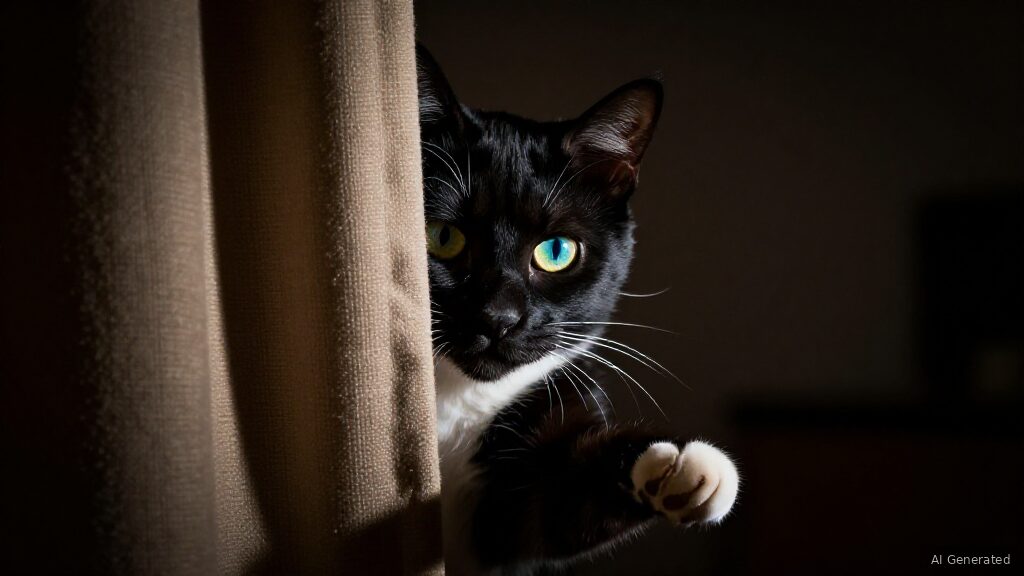
Dear cat owners, have you ever noticed your adorable pet suddenly hiding in a corner of the closet or on a high shelf? Many people tend to dismiss this simply as ‘sleep time’ or ‘play,’ but it is highly likely that this is an instinctive behavior for the cat to relieve internal stress and find psychological stability. For cats, a ‘space of their own’ is not just a simple shelter; it is the most important sanctuary that protects them from external threats and unpredictable environmental changes. This space becomes even more significant for cats living in multi-cat households or environments with frequent external noise. The core of Environmental Enrichment is providing a variety of environments that cats can choose from themselves. Among these, designing a space that combines both a ‘hiding spot’ and a ‘high vantage point’ is essential for psychological stability. The Pororo Cat My Own Space Scratcher Hideout Large introduced today is a representative environmental improvement solution that perfectly meets these psychological needs. The fact that cats feel so satisfied with this product that they carry it around all day and show affection towards it proves its value as a ‘daily essential’ beyond just a toy. From now on, let’s take a closer look at why cats need a hideout and how to create the most effective environmental enrichment environment.
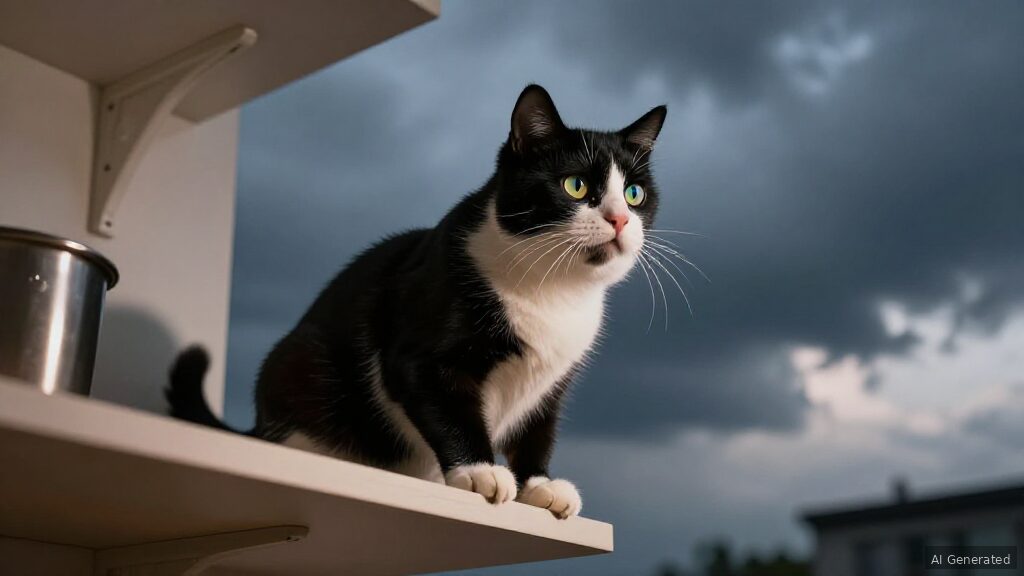
How to Interpret Cat Stress Signals?
The Meaning of Hiding and Withdrawal Behaviors
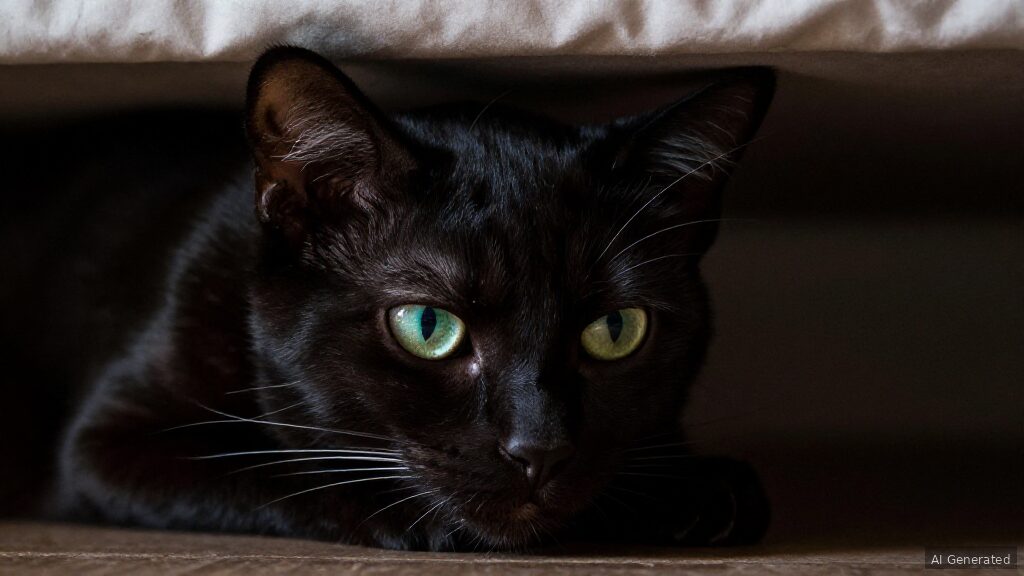
Cats inherently possess a dual nature as both predators and prey. Therefore, they feel extreme anxiety when they lose control over their environment. If your cat frequently hides under the sofa or under the desk without you noticing, and their activity level has significantly decreased compared to usual, this could be a stress signal. This ‘hiding behavior’ is an instinctive reaction for cats to protect themselves and recover their energy. This behavior becomes particularly noticeable after moving new furniture, sudden visits from guests, or conflicts with other pets. At this time, trying to forcibly pull them out can only increase their anxiety, so it is important to create a ‘safe zone’ where the cat can feel comfortable on its own. Enclosed spaces like hideouts allow cats to be free from external scrutiny, lowering their heart rate and helping them relax.
What Causes Excessive Scratching and Aggression?
Excessive scratching behavior, such as tearing at chair legs or sofa leather, is not just for sharpening claws. It is one of the ways cats mark their territory or release built-up tension. Especially when there is no designated scratcher or only materials the cat dislikes are available, aggressive scratching continues on furniture and walls. Additionally, cats that must constantly remain on guard due to a lack of hiding spots may show hypersensitivity to minor stimuli and display aggression. The fundamental solution to these behavioral problems is to provide ‘alternative behaviors’ to express energy correctly. By providing a dedicated space where they can scratch and make noise, cats can accumulate positive experiences of marking their territory while protecting the owner’s furniture.
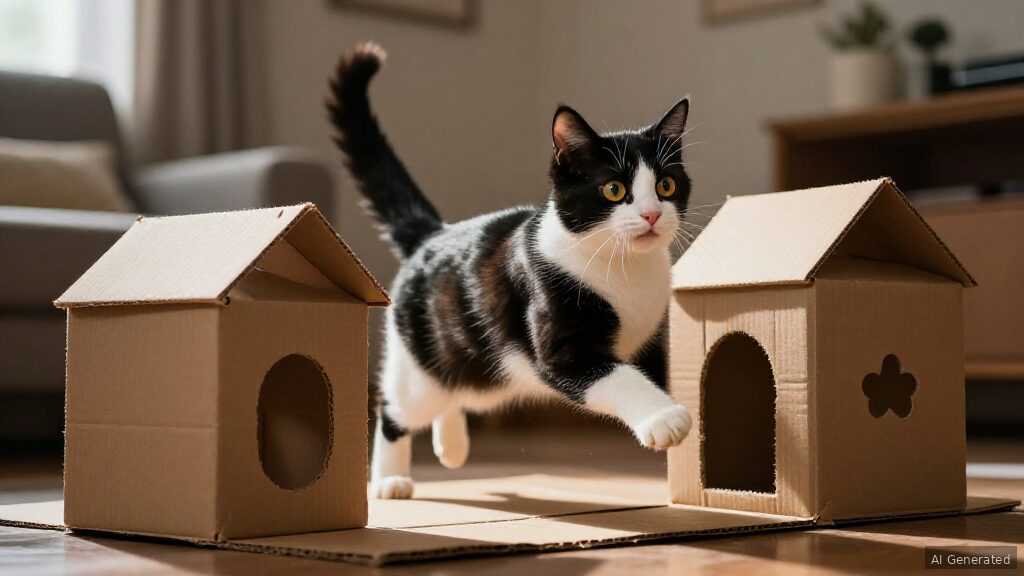
Why is a Space Combining a Hideout and Scratcher Essential?
Maximizing Space Efficiency Through Functional Integration
One of the most important principles in cat environmental enrichment is ‘multifunctionality.’ Placing multiple cat-specific furniture pieces in a small apartment environment can reduce space utilization and actually complicate the cat’s movement paths. Products that integrate a hideout, scratcher, and high lookout function into one allow cats to satisfy various instincts in a single location. The Pororo Cat My Own Space Scratcher Hideout Large represents the pinnacle of this integration. Inside, they can sleep and hide comfortably; outside, they can sharpen their claws and mark their territory; and the top or side heights serve as ‘lookout points’ for the cat to survey the surroundings. The large size is spacious enough for adult cats to stretch out and lie down comfortably, ensuring comfort even for grown cats.
Increased Satisfaction Through Sound Generation
The point mentioned in product reviews, “I can’t tell how cute it is when it makes a sound every time it scratches,” goes beyond simple fun and touches on cat behavioral psychology. Cats recognize that their actions are effective through the ‘thud’ vibration and sound when their claws catch on carpet or specific materials. This boosts the cat’s self-esteem and creates a positive feedback loop that reinforces scratching behavior. Scratchers that make sounds encourage cats to approach repeatedly, and in the process, stress is naturally relieved. Additionally, for the owner, the sound of the cat’s activity serves as a signal to check their health status. Materials that provide clear tactile feedback without being too noisy are highly attractive to cats.
Why is the Design of the Pororo Hideout Special?
Harmony of Large Size and Durability
While typical small scratchers are suitable for kittens, they quickly become too small for adult cats, causing a sharp drop in usage frequency. In contrast, the Pororo Cat My Own Space Scratcher Hideout Large is designed from the start with a large size considering the body shape of adult cats. The fact that it can be carried around all day without feeling heavy demonstrates a good balance between the product’s lightweight technology and durability. Cats should not feel burdened by the weight when moving or carrying it, and it needs to be sturdy enough not to shake during scratching. A robust structure ensures the product does not deform even when the cat plays vigorously or rubs its body while scratching, extending its lifespan. Additionally, the spacious interior allows cats to turn around comfortably or stretch their legs and lie down, making it ideal for deep sleep.
Utilization of Natural Wood Furniture
Cats tend to prefer natural textures over artificial materials. The wood furniture-style hideout proposed by PlayCat satisfies a cat’s sense of smell and touch. Wood has excellent temperature regulation capabilities, feeling cool in summer and warm in winter, making it a preferred material for cats. Furthermore, natural wood does not emit the chemical smells that can come from synthetic resins or plastics, so it does not irritate a cat’s sensitive nose. These eco-friendly materials blend well with home decor, allowing the cat’s dedicated space to integrate naturally as an element rather than disrupting the home atmosphere. As an environmental improvement solution, wood furniture provides psychological stability for the cat while offering aesthetic satisfaction to the owner.
Usage Methods Suitable for Cats by Age?
Kittens (Under 6 Months): A Place for Curiosity and Exploration
For young kittens, the hideout serves as a playground and a place for exploration. Passing through narrow spaces helps develop spatial awareness, and playing hide-and-seek games can develop hunting instincts. During the kitten stage, adjusting the scratching angle is important, so a structure that allows claw sharpening from various angles is beneficial. Additionally, scratching that makes sounds stimulates a kitten’s curiosity and helps improve concentration. At this time, it is important for the guardian to guide play and teach how to use the scratcher. Even with a large product, it is good to encourage the kitten to approach through small holes or gaps inside where they can safely hide, treating it like a game.
Adult Cats (1-7 Years): Stress Relief and Territory Marking
For adult cats, this product serves as a major stress relief spot and a territory marking space. It should not be used just for sleeping all day but as a place to release the energy of active adult cats. The function of making a sound while scratching plays a significant role in adult cats confirming their presence. Especially in multi-cat households, each cat should be encouraged to share the space or take turns using it; if the product is large enough, two cats might use it simultaneously. Adult cats prefer a certain routine, so it is best to place this product in a fixed location to make it the center of daily activities.
Seniors (7 Years and Older): Joint Protection and Comfort
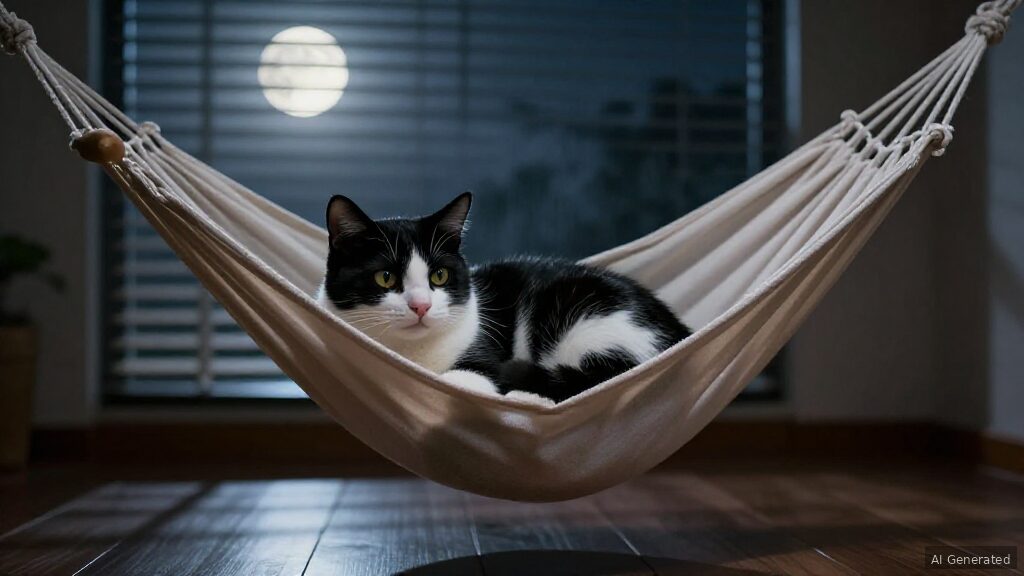
Senior cats often have reduced activity levels due to joint pain or declining strength. At this stage, a space where they can lie down and rest comfortably at a low height is more important than climbing to high places. The soft floor inside the hideout and its hiding function provide psychological stability for senior cats. Scratching activity should be maintained at a light stretching level, avoiding high places or strenuous postures. The spacious area of the large size allows senior cats to stretch out and rest comfortably, helping to alleviate stress related to aging.
Space Placement Strategies for Cat Environmental Enrichment
Simply purchasing the product is not enough. Placing the product in the most suitable location for the cat is key. Cats tend to prefer high and safe places where they can see the outside scenery, such as near windows or on the veranda. Therefore, placing the hideout near a window or on a high shelf allows the cat to enjoy observing birds or leaves outside. Additionally, placing it in a corner of the hallway or living room, along the cat’s path, provides a refuge where they can feel comfortable while moving. In multi-cat households, it is best to provide individual hideouts for each cat; if not possible, place multiple units in different locations where they cannot see each other to avoid triggering competition. The Pororo Cat My Own Space Scratcher Hideout Large has an elegant design that looks good in any living room or bedroom, allowing for a natural fusion of the owner’s living space and the cat’s living space.
Common Mistakes and Their Solutions
One of the common mistakes many owners make when introducing environmental enrichment products is ‘forced use ignoring the cat’s preference.’ If they try to put the cat in the new product or guide it and fail, they often judge that “the cat dislikes it” and give up. However, cats have an instinctive wariness of new objects, so it may take time. A solution is to put the cat’s favorite treats or catnip inside the hideout to encourage self-exploration. Also, if the product is too quiet and lacks movement, the cat may lose interest, so initially, the owner should play with it to generate interest. Another mistake is ‘neglecting hygiene.’ Scratchers easily accumulate fur and dust, so regular cleaning is essential. Use a vacuum cleaner to remove fur and, if necessary, use a disinfectant spray to maintain hygiene so the cat will continue to use it.
Table: Key Points for Hideout Usage by Cat Age
| Age Group | Primary Usage Purpose | Precautions |
|---|---|---|
| Kittens (0-6 Months) | Satisfying curiosity, developing hunting instincts, hide-and-seek games | Beware of swallowing small parts, prohibit excessive play |
| Adult Cats (1-7 Years) | Stress relief, territory marking, releasing activity levels | Ensure space in multi-cat households, regularly encourage scratching |
| Seniors (7 Years and Older) | Rest, joint protection, psychological stability | Prohibit moving to high places, maintain a soft interior environment |
Environmental Enrichment Checklist to Start Today
- Check the Cat’s Preferred Location: Observe where the cat spends the most time, such as near windows or high places, to select the optimal location for the hideout.
- Utilize Catnip or Treats: To reduce rejection of the new product, place catnip or treats inside the hideout to encourage natural exploration.
- Scratching Inducement Play: Gently scratch the scratcher with your hand to make a sound and catch the cat’s attention. When the cat scratches on its own, provide praise and treats.
- Regular Hygiene Management: Remove fur and dust with a vacuum cleaner at least once a week, and disinfect if necessary to maintain a clean state.
- Separate Placement for Multi-Cat Households: If raising multiple cats, place the hideout in separate spaces where they cannot see each other to reduce stress.
- Observe Environmental Changes: After installation, observe changes in the cat’s sleep time, scratching frequency, and aggression to confirm effectiveness and adjust placement if needed.
- Harmony with Wood Furniture: Place other wood furniture or plants around the hideout to create a natural resting space and provide a more comfortable environment for the cat.
Frequently Asked Questions (FAQ)
Q1: The hideout is too small for the cat to enter. What should I do?
A: The biggest reason a cat rejects a product could be that it is too small or the interior feels cramped. For adult cats, whose bodies are larger, you must choose a ‘Large’ size. The Pororo Cat My Own Space Scratcher Hideout Large is designed so adult cats can enter comfortably, so please be sure to check the size when selecting the product. If the product is sufficient in size but the cat still won’t enter, try sprinkling catnip inside or placing a favorite toy to encourage them.
Q2: Is the scratching sound too loud and will it cause noise problems in the house?
A: The sound generated during scratching is an important factor that increases the cat’s satisfaction, but it is designed not to be loud enough to disturb the owner’s daily life. As mentioned in reviews, this sound is of an appropriate intensity that feels “cute.” However, since the cat may be active at night and make noise, it is better to place it in living areas like the living room or hallway rather than the bedroom. If you are sensitive to sound, you might consider additional soundproofing on the scratching area.
Q3: Isn’t wood furniture susceptible to moisture? Is it difficult to clean?
A: The wood furniture used by PlayCat is manufactured with moisture management in mind, but you should be careful with excessive water. For cleaning, it is best to wipe with a dry cloth or use a vacuum cleaner. Washing with water is prohibited, and fur accumulated on the scratching area must be removed periodically to maintain hygiene. The goal is to provide a safe environment for the cat while maintaining the natural scent and texture of the wood, so proper care is required.
Q4: Is it okay for a multi-cat household to share one hideout?
A: In multi-cat households, it is most ideal to provide as many hiding spots as there are cats. However, if space constraints require placing only one, you should choose a wide, large product where they cannot see each other and encourage them to take turns. However, since cats have strong territorial instincts and often dislike sharing, if possible, providing individual spaces for each cat is the way to prevent conflict.
Q5: Is it safe to use this product for kittens as well?
A: Yes, it is very safe. In fact, for kittens, playing hide-and-seek in a spacious area and managing claws through scratching helps their growth. However, since kittens are curious and may swallow small parts, you must ensure that the product’s parts are firmly fixed. The Pororo Cat My Own Space Scratcher Hideout Large is designed with a sturdy structure to withstand vigorous play by kittens and has the advantage of being usable for a long time as they grow.
Conclusion: A Choice for Happy Coexistence with Your Cat
Cat environmental enrichment is a process of creating an environment where cats can live healthily and happily according to their instincts, going beyond simply buying toys. The Pororo Cat My Own Space Scratcher Hideout Large provides a perfect space to relieve stress, satisfy territory marking, and rest comfortably. This product, loved enough to be carried around all day, is an investment that improves the cat’s quality of life beyond concerns about price. The warm texture of wood furniture and functional design blend well with home decor, contributing to happy times shared by cats and owners. Start today by gifting your cat a safe space of their own. That small change will bring great joy and stability to your cat’s and your daily life.
This content was created using AI technology. For medical information, always consult a veterinarian.