


Why is Cat Environmental Enrichment Essential?
In households with cats, the most important thing goes beyond simply feeding them; it is about ensuring their psychological stability and satisfying their instinctual needs. Recently, the news that a former president and spouse brought a cat tower to their private residence became a hot topic, highlighting that for cats, ‘vertical space’ and ‘hideouts’ are recognized not just as toys, but as essential environmental elements for survival. Environmental Enrichment refers to creating an environment that allows cats to fully express instinctual behaviors such as hunting, exploring, climbing, and hiding, even indoors. If such environmental improvements are not made, cats may suffer from severe stress, leading to problem behaviors like excessive grooming, litter box accidents, and increased aggression. This article presents specific environmental improvement strategies to maximize your cat’s happiness within the limited space of your home, for all guardians living with cats.
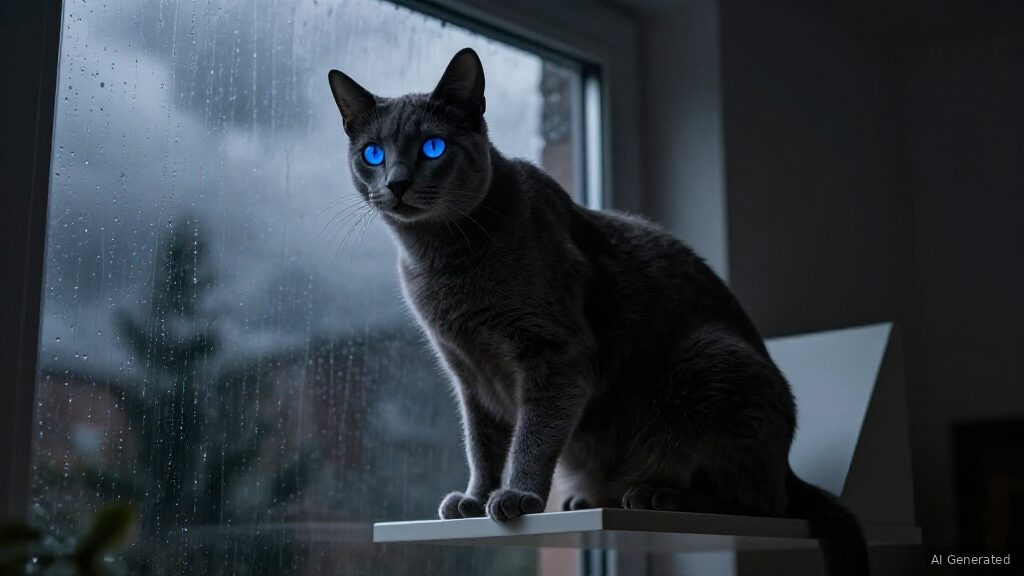
How to Utilize Vertical Space to Awaken Your Cat’s Instincts?
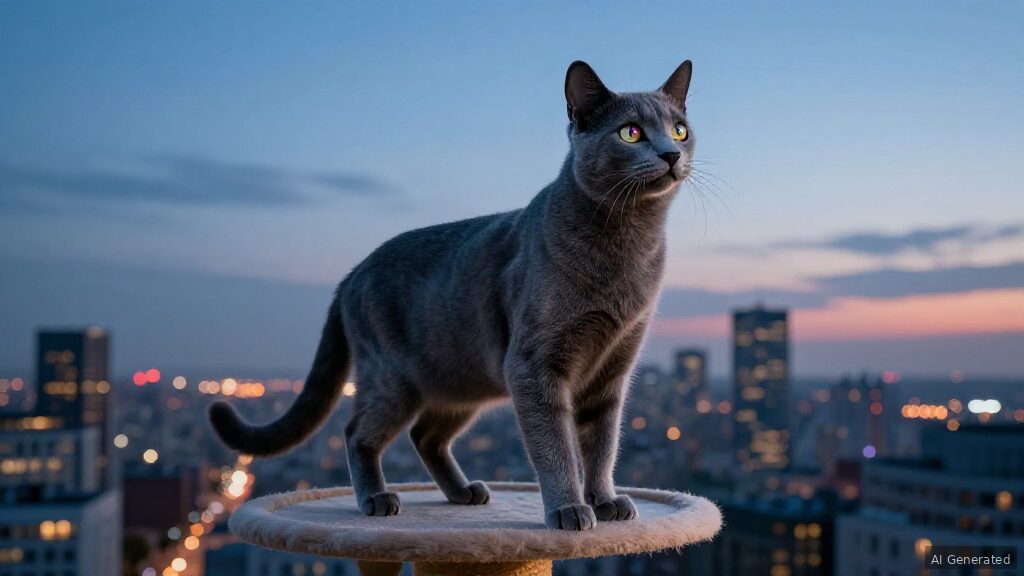
Cats are a species that prefer high places to protect themselves from natural predators or other cats. Looking down at their surroundings from a high place, rather than from the floor, is the most powerful factor that gives cats a sense of security.
Why Do Cats Like High Places?
In the wild, cats have a habit of climbing trees to avoid predators or hunt prey. If this instinct is not satisfied in an indoor environment, cats may feel lethargic or anxious. Securing Vertical Space has the same effect as expanding the floor area. Utilizing walls, installing high shelves, and setting up sturdy cat towers are key. In particular, solid wood furniture like PlayCat stimulates the sensation of your cat’s paw pads with its natural texture while blending naturally with your home’s interior, providing a comfortable vertical space for both the guardian and the cat.
How to Choose Safe and Stable Vertical Structures
Structures that cats climb must never wobble. A wobbly cat tower can amplify a cat’s anxiety and poses a risk of falling. You should choose products with a low center of gravity and a wide base area; structures that can be fixed to the wall are even better. Furniture made of solid wood is more durable than plywood or MDF, causes less deformation over time, and provides long-term stability. Additionally, ensure the surface is smooth and sturdy so that your cat’s claws do not get caught.
What is the Importance of Hideouts and Resting Spaces?
Cats possess a dual nature: they are predators that hunt, but also prey that can be eaten by other animals. Therefore, a Hideout where they can avoid aggressive situations and rest is essential.
The Dangers of an Environment Without Hideouts
If there are no hideouts in the house, cats suffer from the anxiety of potentially being threatened at any time. This leads to a state of constant vigilance, which lowers the quality of sleep and can lead to a weakened immune system. This is especially critical for households with multiple cats or cats adapting to a new environment; hideouts are the core of psychological stability.
Various Types of Hideouts and Placement Tips
A hideout does not just mean a box. It can take various forms, such as the empty space under solid wood furniture, the back of high shelves, or behind curtains. PlayCat‘s solid wood furniture is not only excellent in design but also naturally includes spaces where cats can hide, so you don’t need to purchase additional equipment. Hideouts are best placed in quiet areas where visibility is limited, such as corners where doors don’t open often or at the end of hallways. However, be careful not to make the interior of the hideout so narrow that it is difficult to get out.
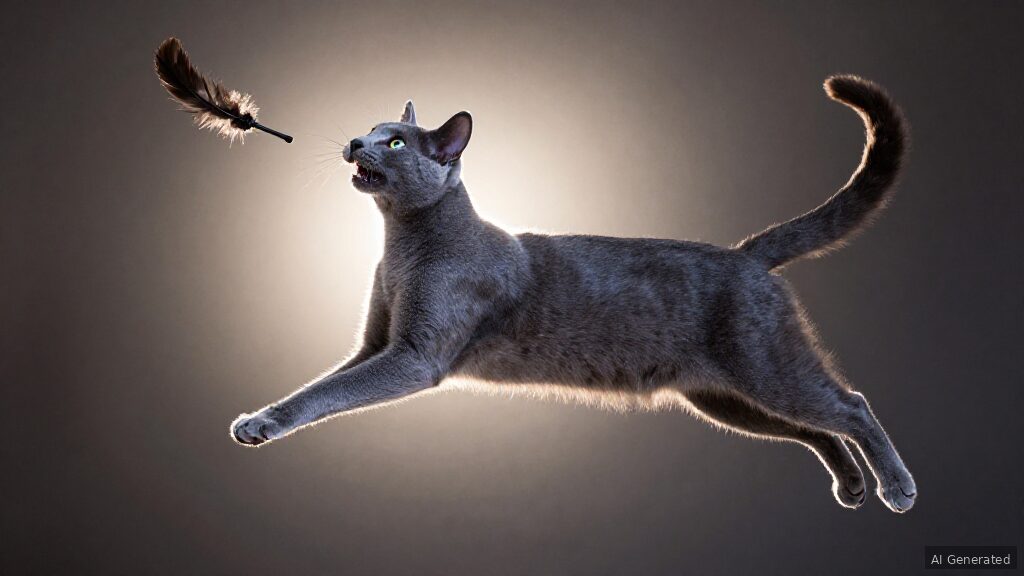
Strategies for Creating an Environment That Satisfies Hunting Instincts
The most important activity in a cat’s daily life is hunting. Even though they don’t need to find food indoors, if the hunting process (finding, tracking, attacking) is not simulated, cats feel boredom and frustration.
Structuring Hunting Play
Go beyond simply shaking a toy; guide them through all stages of the hunt. First, hide the prey and let the cat find it (exploration), then move it slowly so they track it (tracking), and finally move it quickly to encourage an attack (attack). At this time, utilizing PlayCat‘s solid wood structures allows you to easily create an environment where they can play hide-and-seek between furniture or chase prey by jumping over furniture.
Methods to Stimulate Various Prey Responses
Cats get bored with just one type of play quickly. You must stimulate various senses by alternating feather toys, laser pointers, and moving mouse toys. In particular, the natural texture of solid wood furniture provides a more interesting prey sensation for cats than synthetic materials. Hiding small toys in tree crevices or under furniture to let the cat find them on their own is also an effective ‘puzzle’ style of play.
What are the Benefits of Environmental Improvement with Solid Wood Furniture?
For cats, wood is the most familiar and natural material. Solid wood has a much more positive effect on a cat’s paw pad sensation and sense of smell compared to synthetic resins or plastics.
Natural Texture and Claw Care
Cats scratch to sharpen their claws. Solid wood furniture produces a softer scratching sound than synthetic materials and is less likely to catch claws, making it more suitable for claw care. Additionally, the natural scent of solid wood has a calming effect on cats. PlayCat‘s solid wood furniture is designed with cat environmental enrichment in mind, providing a surface that is easy to scratch while offering a structurally safe vertical space.
Harmony Between Interior and Function
Many guardians worry that cat furniture will ruin the interior of their home. However, solid wood furniture like PlayCat brightens the atmosphere of the house with its warm colors and natural patterns. This also helps cats recognize the space of ‘home’ as a safe and comfortable place. True environmental enrichment begins not just with doing things for the cat, but with creating a beautiful environment where guardians and cats can coexist.
Differences in Cat Environmental Enrichment by Age
The required environment and types of stimulation vary depending on the cat’s age. A customized approach is needed for each characteristic of kittens, adult cats, and senior cats.
Environment for Kittens (3 months~1 year)
Kittens are full of energy and curiosity. During this period, various vertical spaces and hunting play are essential. They need to build muscle and learn hunting instincts by practicing climbing to high places and jumping down. However, for high places where there is a risk of falling, install safety nets or ensure a guardian is always watching.
Environment for Adult Cats (1 year~7 years)
Adult cats may become less active but more sensitive to stress. During this period, regular hunting play and securing hideouts are important. Introduce new toys or change furniture arrangements to prevent boredom.
Environment for Senior Cats (7 years and older)
Senior cats may have difficulty utilizing vertical space due to arthritis or vision loss. During this period, it is advisable to install ramps that are easy to climb to high places or provide comfortable resting spaces close to the floor. Additionally, rather than hide-and-seek, toys that move slowly or provide olfactory stimulation are more suitable.
Common Mistakes and Correct Solutions
There are common mistakes that guardians often make when attempting cat environmental enrichment. It is important to avoid these mistakes and improve the environment in the right direction.
| Common Mistake | Problem | Correct Solution |
|---|---|---|
| Thinking installing a cat tower is enough | Simply installing a structure does not provide sufficient stimulation. Cats quickly lose interest. | A comprehensive environment is needed that combines vertical space with hunting play, hideouts, and exploration activities. |
| Leaving toys out all the time | If toys are always visible, cats lose interest and become indifferent. | Hide toys and rotate them periodically, or only take them out during playtime so they are perceived as ‘prey’. |
| Placing hideouts in open areas | If hideouts are placed where people or other animals frequently walk, cats feel anxious. | Place hideouts in quiet, secluded areas where visibility is limited to provide a sense of security. |
| Ignoring solid wood furniture and using synthetic products | Synthetic materials are unfavorable for cat paw pad sensation and are not suitable for scratching. | Use natural solid wood furniture to create an environment familiar to cats. |
Checklist for Environmental Enrichment to Start Today
We have organized specific actions you can start right now. Try practicing the following 7 items starting today.
- Secure Vertical Space: Install wall shelves or place a sturdy cat tower by the window or in the hallway. Using PlayCat solid wood furniture can create an even more natural space.
- Create Hideouts: Use cardboard boxes or leave empty spaces under furniture to create places where cats can hide.
- Set Hunting Play Time: Conduct play that stimulates your cat’s hunting instincts regularly for at least 15 minutes a day.
- Set a Toy Rotation Schedule: Do not take out all toys at once; hide them and rotate them every 3-4 days to maintain interest.
- Secure a Window View: Keep the window area clean so cats can look outside, and place comfortable cushions there.
- Change Scratcher Locations: Place scratchers in new locations other than where the cat usually scratches to encourage exploration.
- Keep an Observation Journal: Record the times and places your cat likes the most to use for customized environmental improvements.
Frequently Asked Questions (FAQ)
1. How long does it take to see results after starting cat environmental enrichment?
It varies depending on the cat’s personality and environment, but generally, changes can be observed after consistently improving the environment and playing for about 1-2 weeks. Initially, the cat may be wary while exploring the new environment, but gradually, you will notice them feeling more secure and problem behaviors decreasing. It is important to practice consistently with patience.
2. Is environmental enrichment possible even in a small apartment?
Yes, it is possible. Rather than the size of the space, how you utilize the space is more important. Creative arrangements are needed, such as installing vertical space using walls or utilizing empty spaces in furniture as hideouts. Solid wood furniture like PlayCat can be used efficiently even in small spaces, making it suitable for apartment environments.
3. What should I do if my cat shows no interest in toys?
If your cat shows no interest in toys, try changing the type of toy or the way you play. Since cats enjoy chasing prey, they sometimes avoid toys that move too fast or make loud noises. Additionally, hiding toys and taking them out periodically to be perceived as ‘new prey’ is effective.
4. Is solid wood furniture safe for cats?
Yes, solid wood furniture is a very safe material for cats. It feels better on the paw pads than synthetic resins or plastics, and the sound and texture when scratching have a calming effect. However, it is best to choose natural solid wood that does not use chemical substances like paint or adhesives. PlayCat is solid wood furniture manufactured with this safety in mind.
5. How should I handle environmental enrichment when raising multiple cats?
When raising multiple cats, you must provide sufficient resources (food, litter boxes, resting spaces) for each cat. In particular, it is recommended to prepare at least one more vertical space and hideout than the number of cats. You should create separate spaces suited to each cat’s personality to reduce competition and ensure an environment where they can respect each other’s territories.
Conclusion: Creating a Happy Home with Your Cat
Cat environmental enrichment is not just about buying toys; it is a deep expression of love that involves understanding your cat’s instincts and emotions and creating an environment for them. As recently highlighted in the news regarding cat towers, ‘vertical space’ and ‘hideouts’ are essential elements for a cat’s survival. By utilizing solid wood furniture like PlayCat to create a natural and safe environment, cats can fully express their instincts without stress. Starting today, refer to the checklist and begin with small changes in your home. Those small changes will bring great happiness to your cat. We hope this becomes a warm and safe space for both guardians and cats.
This content was created using AI technology. For medical information, be sure to consult a veterinarian.