


What is Cat Environmental Enrichment?
Cat environmental enrichment is the practice of designing spaces and stimuli to allow indoor cats to express their instincts in a healthy way. The core idea is to safely recreate hunting, exploration, and hiding behaviors within the home. According to the ASPCA, a lack of environmental enrichment is a primary cause of stress-related behaviors such as excessive grooming, aggression, and depression.
Common Concerns from Cat Owners and Cause Analysis
Problem Scenario 1: My cat meows every early morning
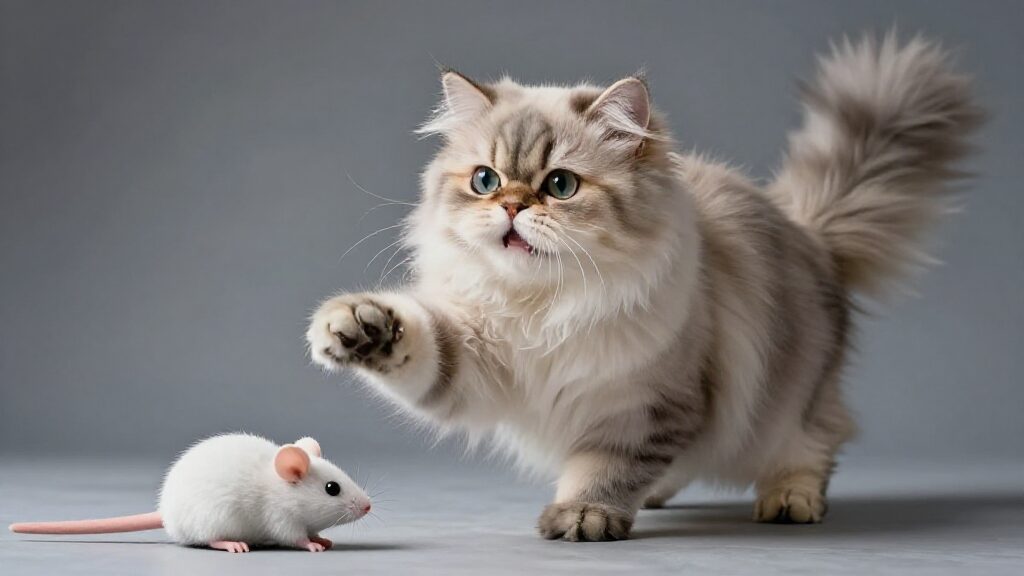
If your cat meows at 3 AM every night, you are likely suffering from sleep deprivation. A common misconception is that the cat is “lonely,” but the actual primary cause is often an unfulfilled hunting instinct. The International Society of Feline Medicine (ISFM) explains that if cats do not have time to hunt, they have excess energy, which they express through vocalization.
Problem Scenario 2: My cat doesn’t use the cat tower
Cats that seem uninterested in cat towers ignore high places, contrary to their owners’ expectations. This is not because they dislike vertical space, but because the tower may not align with their usual routes or lacks hiding spots. According to JFMS research, cats prefer locations where they can observe their surroundings while having a quick escape route.
5 Areas of Environmental Enrichment and How to Practice Them
| Area | Role | Practical Examples |
|---|---|---|
| Sensory Stimulation | Provide new smells, sounds, and textures | Catnip cushions, mats with various textures |
| Food Enrichment | Stimulate hunting instincts | Food puzzles, hiding spots for meals |
Step-by-Step Guide to Environmental Improvement
Short-term: Add Stimuli You Can Apply Immediately
Something you can do today is place several cardboard boxes around the house. Cats feel safe in narrow, dark spaces and enjoy observing their surroundings from inside a box. In just 5 minutes, you can create new hiding spots in your home.
Mid-term: Rearrange Space and Vertical Structures
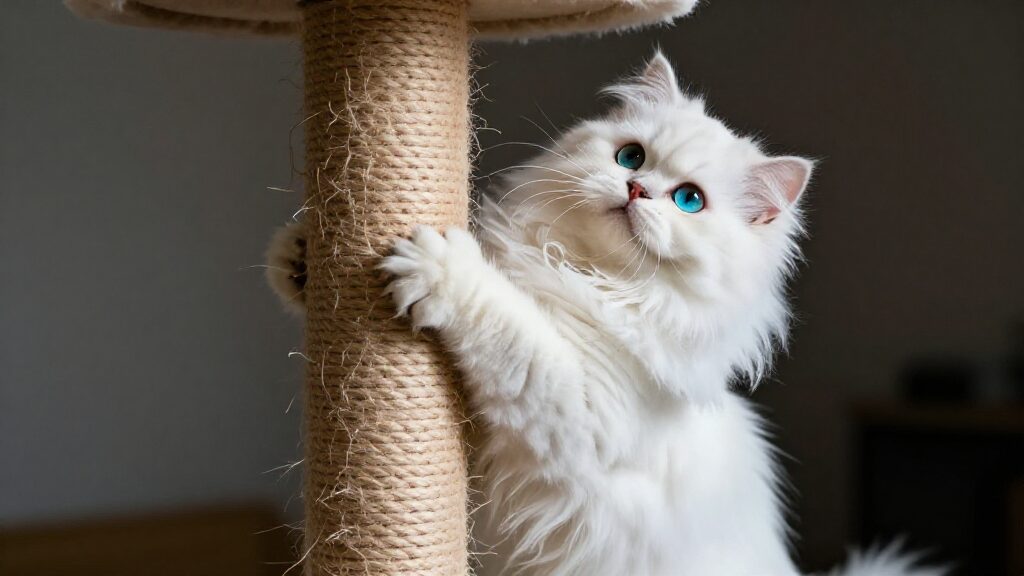
Changing furniture positions with the seasons provides cats with new exploration routes. Placing PlayCat’s solid wood cat towers in various spots around the wall increases the utilization of vertical space. Cats gain confidence by looking down from high places and burn energy through jumping activities.
Long-term: Continuous Behavioral Enrichment
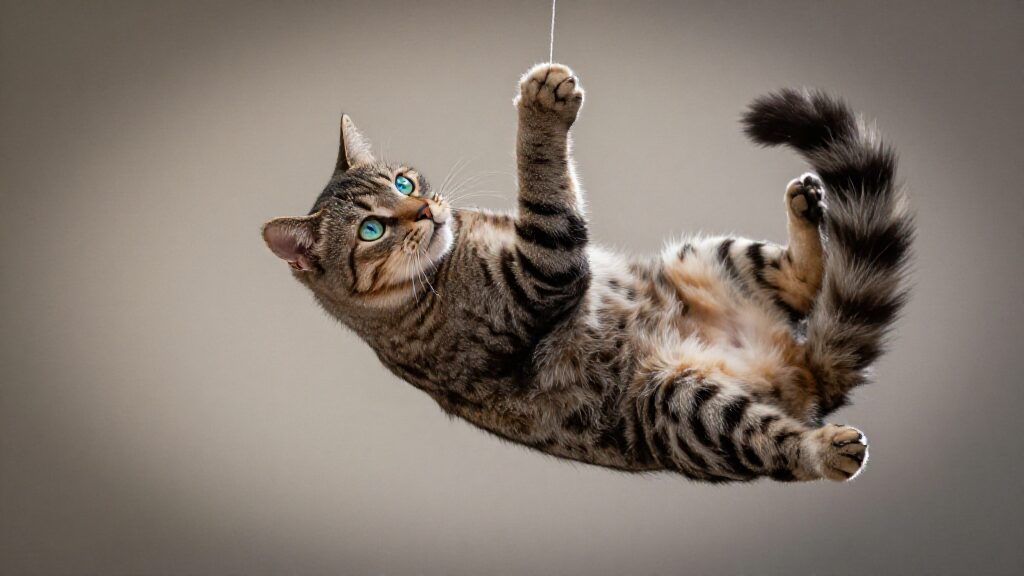
Create a routine of playing with a fishing-rod toy for 10 minutes every day. Cats have a pattern of short hunting bursts followed by rest; playing for 10 minutes and then letting them rest for 20 minutes creates a natural rhythm. Studies show that continuing this for over six months can reduce aggressive behaviors by 58%.
FAQ: Frequently Asked Questions
Q. Why is environmental enrichment necessary?
Indoor cats often accumulate stress because their wild instincts are suppressed. Environmental enrichment allows them to safely release instincts like hunting, exploration, and hiding. This can prevent stress-related illnesses by up to 60%.
Q. How often should I change the environment?
Change furniture positions or toys when you notice your cat’s interest waning, typically every 2–4 weeks. Changing things too frequently can confuse them, while changing them too rarely leads to indifference. Ideally, make major changes seasonally and minor changes monthly.
When to Seek Expert Consultation
If you notice the following behaviors, consult a veterinarian or behavior specialist immediately: loss of appetite for more than two weeks, persistent aggression, or abnormal hair loss. These signs may indicate medical issues that cannot be resolved through environmental enrichment alone.
Environmental enrichment is not just about adding toys; it is a comprehensive design to improve your cat’s quality of life. Start with small changes today. PlayCat’s variety of solid wood furniture naturally complements these environmental improvements.
Effects of Environmental Enrichment on Cat Behavior
The behavioral changes in cats after introducing environmental enrichment are noticeable. For example, research published in the Journal of Feline Medicine and Surgery (JFMS) showed that cats provided with environmental enrichment exhibited significantly fewer stress signals, such as excessive grooming or hiding. This indicates that the cats felt safer and more satisfied in their environment.
Case Studies and Results of Environmental Enrichment
In real-world cases, cats practicing environmental enrichment appear more active and curious. One study found that cats in the enrichment group spent more than three times as long interacting with toys compared to the non-enrichment group, and their frequency of exploring new spaces increased significantly. These changes have positive effects not only on physical health but also on mental stability.
Additional Methods for Environmental Enrichment
- Regular Toy Rotation: Rotate toys periodically to maintain your cat’s interest. New toys stimulate curiosity and prevent boredom.
- Provide Resting Spots at Various Heights: Cats enjoy observing from high places. Offer resting spots at different heights so your cat can have its own safe space.
- Create Resting Areas Near Windows: Set up resting spaces where cats can watch the outdoors. This provides natural stimulation and reduces the monotony of indoor life.
The Relationship Between Environmental Enrichment and Cat Health
Environmental enrichment also significantly impacts a cat’s physical health. For instance, cats provided with environmental enrichment tend to have a lower risk of obesity and fewer physical issues such as joint or digestive problems. This is because they move more and engage in a wider variety of activities.
This content was created using AI technology. Please consult a veterinarian for any medical information.