


What is Cat Cognitive Enrichment?
Cat cognitive enrichment involves providing various activities and environments to stimulate a pet cat’s brain and enhance its innate problem-solving abilities. This is an important method for helping cats stay mentally healthy even while living indoors.
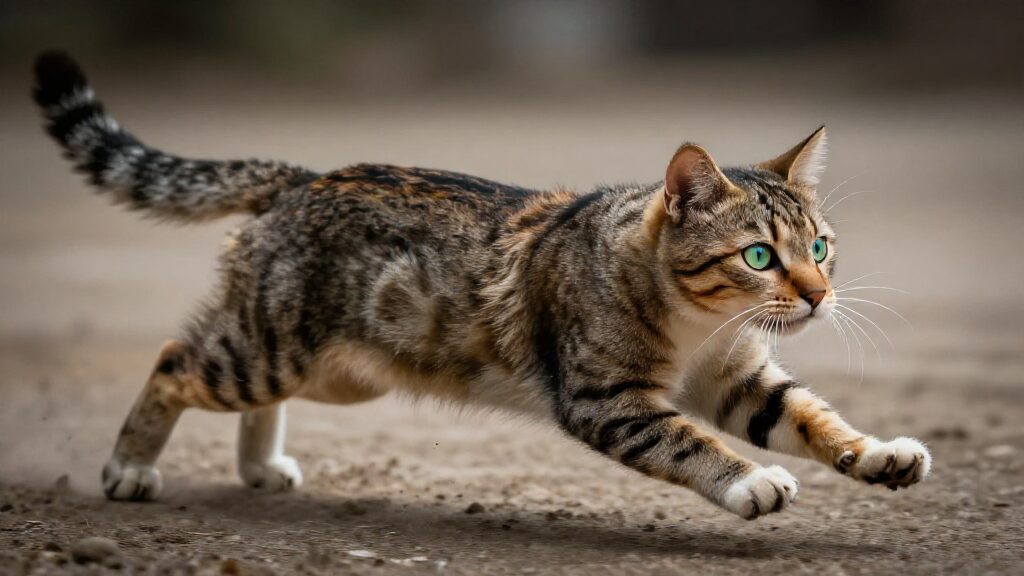
Real-Life Examples of Cat Behavioral Issues
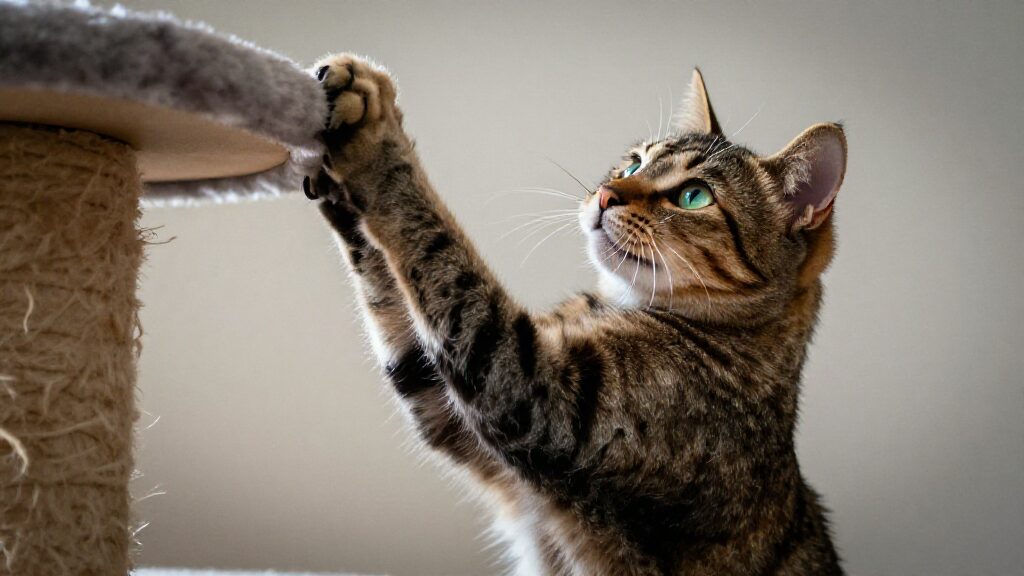
Many cat owners experience situations where their cats suddenly exhibit problematic behaviors, such as knocking over household items or crying loudly in the early morning. For example, issues may arise like, “My cat suddenly cries at 3 AM every night, making it impossible for me to sleep,” or “Even though I bought a cat tower, it doesn’t use it.”
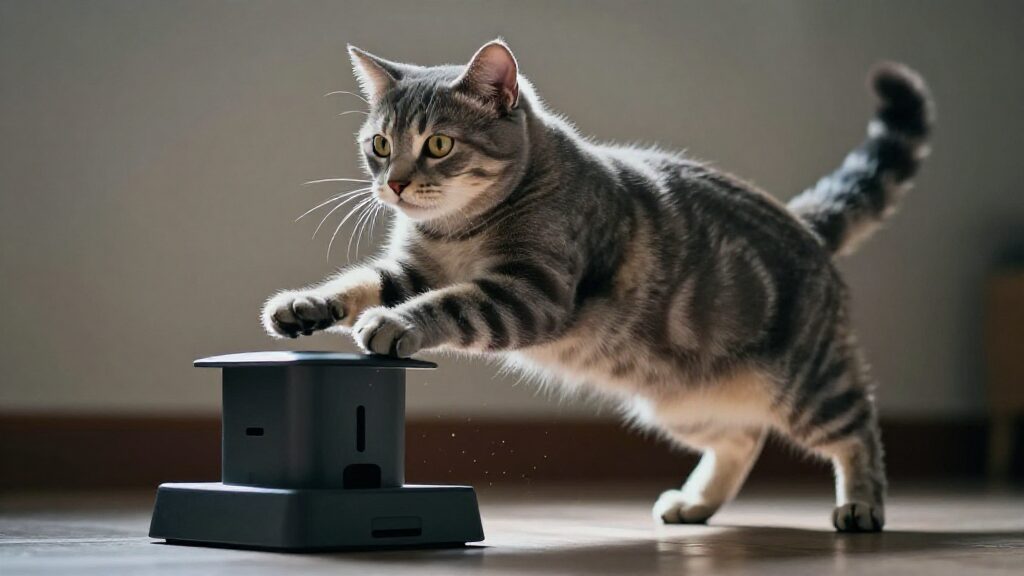
Analyzing the Causes of Problematic Behaviors
These behaviors in cats are usually caused by boredom or stress. According to research from Seoul Grand Park Zoo, such problematic behaviors can occur when there is a lack of ‘cognitive enrichment’ activities that stimulate curiosity with new play tools. This often happens because the cat’s innate exploratory drive and hunting instincts are not being met.
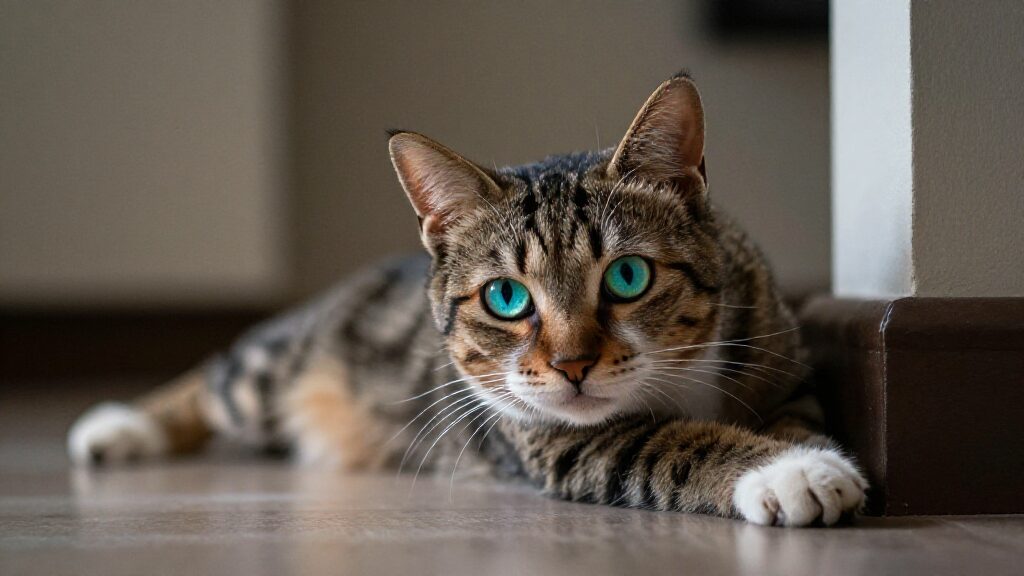
Solving Problems Through Cognitive Enrichment
Using Puzzle Feeders and Intelligent Toys
Try using puzzle feeders or intelligent toys to stimulate your cat’s brain. For example, hiding treats and letting your cat find them on its own stimulates its foraging instincts. The table below summarizes recommended puzzle feeders by difficulty level.
| Difficulty | Product Type | Features |
|---|---|---|
| Easy | Treat Roller | Treats dispense easily; suitable for beginners |
| Medium | Puzzle Board | Difficulty can be adjusted with various compartments |
| Hard | Treat Puzzle | Complex structure; suitable for advanced users |
Basics of Clicker Training
Clicker training is effective for correcting problematic behaviors in cats. By rewarding desired behaviors with treats in response to the clicker sound, the cat learns independently. The first step is to associate the clicker sound with a treat reward.
Stimulating the Foraging Instinct
Encourage your cat to explore new spaces or play hide-and-seek to stimulate its exploratory instincts. This helps spark curiosity and reduce stress.
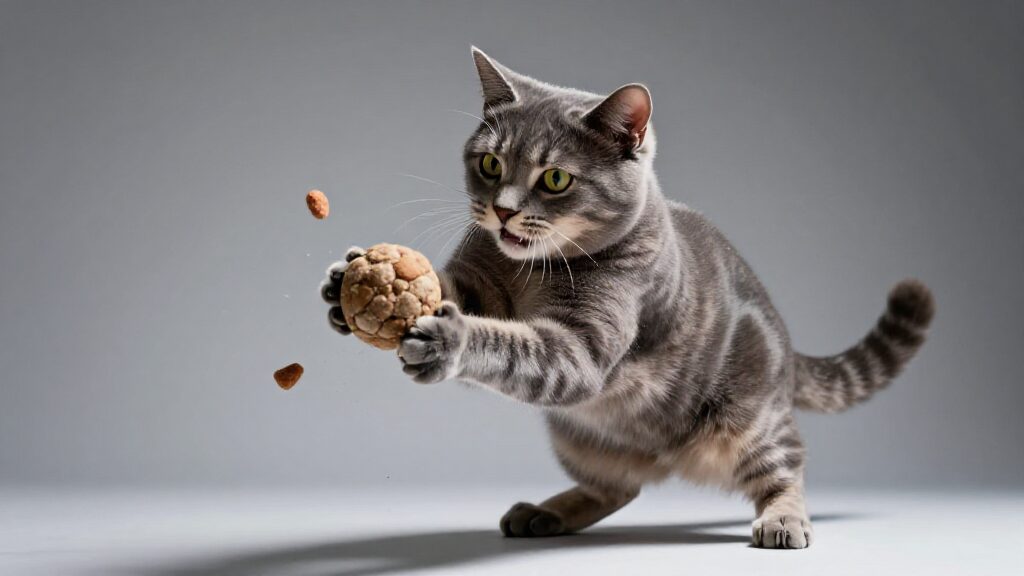
Precautions and Common Mistakes
When starting cognitive enrichment activities, it is important to choose activities that match your cat’s personality and age. Overstimulation can actually cause stress, so proceed gradually. Using PlayCat’s solid wood furniture to provide a safe and natural environment is also a good approach.
When Is Professional Consultation Needed?
If your cat’s problematic behaviors persist or become severe, be sure to consult a veterinarian or an animal behavior specialist. In particular, aggressive behavior or sudden loss of appetite can be signs of health issues.

The Importance of Cat Cognitive Enrichment Play
Cat cognitive enrichment play has a significant impact on a cat’s mental and physical health. Research shows that cats engaged in cognitive enrichment activities tend to have lower stress levels and fewer behavioral problems compared to those that are not. This is especially important for indoor cats, as they have fewer opportunities to satisfy their hunting instincts. These activities not only improve the cat’s quality of life but also help strengthen the bond between the cat and its owner.
Puzzle Feeder Selection Guide
Puzzle feeders stimulate a cat’s foraging instinct and help develop problem-solving skills through the process of finding food. When choosing a puzzle feeder by difficulty level, consider your cat’s current abilities and experience. Beginners are well-suited to treat rollers that dispense treats easily, while intermediate users can adjust difficulty with puzzle boards featuring various compartments. For advanced users, treat puzzles with complex structures can provide a stimulating challenge. When introducing a puzzle feeder for the first time, it is best to start with easy levels to keep the cat interested.
Various Methods of Cognitive Enrichment Play
Box Play
Cats love to explore and hide in boxes. Provide boxes of various sizes and shapes to encourage natural exploration. Hiding treats or toys inside the boxes can further stimulate your cat’s curiosity.
Cardboard Box Tower
Create a multi-level cardboard box tower to provide a space where your cat can climb, hide, and explore. This satisfies both physical activity and mental stimulation needs.
Basic Principles of Cat Training
The key to cat training is positive reinforcement. When the cat performs a desired behavior, provide an immediate reward so the cat associates the behavior with a positive outcome. Clicker training is a good example of this, using the clicker sound to reinforce desired behaviors. Training sessions should be short but frequent. Since cats have short attention spans, it is effective to conduct multiple short sessions of 5–10 minutes each throughout the day.
Long-Term Effects of Cat Cognitive Enrichment
Cognitive enrichment activities offer benefits beyond simply reducing problematic behaviors. Research indicates that cats receiving consistent cognitive stimulation can slow down age-related cognitive decline and show increased overall well-being. Additionally, cognitive enrichment improves a cat’s social skills and makes interactions with their owner smoother.
FAQ
Why is cat cognitive enrichment necessary?
Cats are naturally exploratory and hunting animals. Cognitive enrichment satisfies these instincts, helping to maintain their mental health.
Which toys are most effective?
Puzzle feeders and intelligent toys are the most effective. They enhance problem-solving skills and reduce boredom.
How often should cognitive enrichment activities be done?
It is recommended to engage in them consistently for about 15–20 minutes daily. This helps reduce stress and promotes a happy life for the cat.
Is it suitable for all cats?
Most cats can benefit from cognitive enrichment activities. However, it is important to choose activities that match their age and personality.
What is the impact of cognitive enrichment on cat health?
Cognitive enrichment helps reduce stress, prevent problematic behaviors, and improve overall mental health in cats.
This content was created using AI technology. Always consult a veterinarian for medical-related information.