


The First Step in Designing a Space Where Humans and Cats Breathe Together
The home is not merely a place for humans to reside; it is a complete territory and stage of life for the cats living with us. When discussing cat-friendly interior design, the first consideration must be the balance between human aesthetics and a cat’s instinctual needs. As territorial animals, cats feel secure by marking their scent and observing their surroundings from high vantage points. Conversely, humans desire clean traffic flow and practical storage. The key to resolving these conflicting demands lies in ‘expanding vertical space’ and ‘utilizing natural materials’.
As seen in shelter environments, a stress-free environment for cats begins with providing sufficient hiding spots and high perches (lookouts). This was precisely the spatial structure needed to provide psychological stability for injured cats rescued from areas like Andong, Uiseong, and Yeongdeok during their recovery. The same applies to homes. A lifestyle confined to the floor causes muscle atrophy and increases stress hormones in cats. Therefore, when designing a space, the scope must extend beyond the horizontal planes humans walk on to include vertical surfaces that cats can freely traverse.
PlayCat’s spatial design philosophy is based on this psychological background. It goes beyond simply placing toys; it involves reconfiguring the entire house into one giant cat playground. The core is to create a warm, natural atmosphere using solid wood furniture while naturally integrating traffic routes that allow cats to climb up and down the walls. This offers a two-birds-with-one-stone effect: granting freedom to the cat while gifting beautiful interior design to the human.
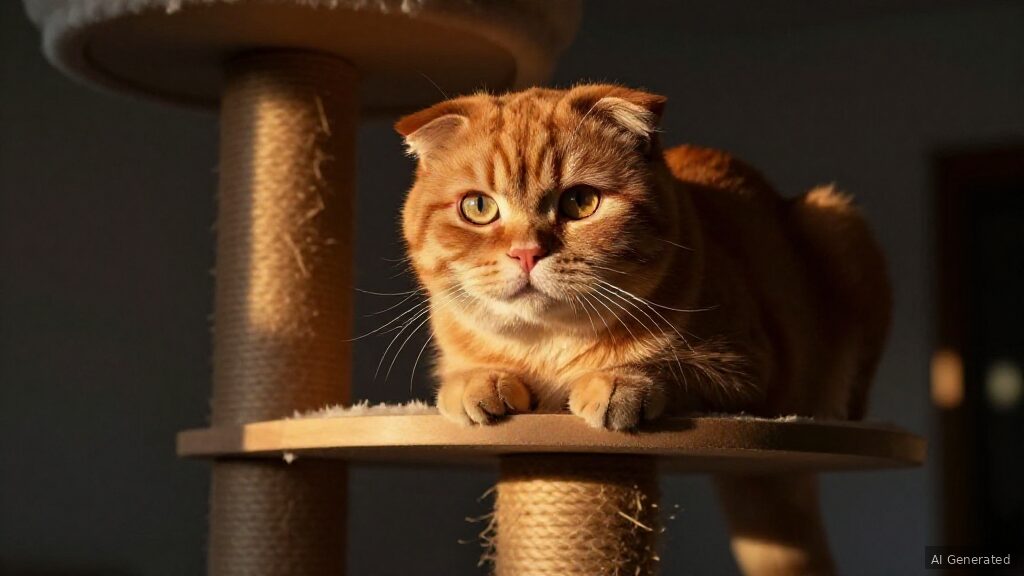
Vertical Traffic Design: The Lifeline Connecting Floor to Ceiling
Understanding the Flow of Traffic Starting from the Floor
A cat’s daily traffic pattern differs from a human’s. While humans mostly move in straight lines through hallways or living rooms, cats move across various heights, traversing walls, furniture tops, and door frames. When starting spatial design, you must first observe the paths the cat currently uses most within the house. Especially for kittens, who lack jumping power, connecting low steps is crucial. For senior cats, gentle slopes considering joint health are essential.
The floor space is the main hub for play, sleep, and feeding. When designing traffic routes that start here and climb up the walls, ‘continuity’ is key. Structures that require sudden jumps to high places can intimidate cats. Ideally, place a low cat tower on the floor, connect it to wall shelves, and create a stepped structure leading to a resting space near the ceiling.
Organic Combination of Cat Towers and Wall Shelves
A cat tower standing alone can cause a sense of disconnection in the space. Satisfaction is maximized when it is connected to wall-mounted shelves or racks, forming one giant playground. PlayCat’s solid wood furniture is designed to handle these connection points naturally, blending with wall structures as if they were part of the furniture itself.
When installing wall shelves, consider the spacing. While adult cats can typically jump heights of 1.5m to 2m, gaps that are too high in a single leap pose a risk. It is considerate to space steps 40cm to 60cm apart, allowing cats to have intermediate resting spots. Additionally, ensure the shelf width is at least 30cm so cats can comfortably lie down or turn around. Shelves that are too narrow increase the likelihood of missteps, creating anxiety.
Utilizing the Top Zone Near the Ceiling
For cats, high places are ‘safety zones’ and ‘the king’s seat’. Spaces near the ceiling are most effective for stress relief as they offer a view of the entire house. However, precise design is required to allow cats to safely reach these areas that are difficult for humans to access.
Traffic routes leading to the ceiling are completed by utilizing the tops of existing furniture or installing dedicated wall rack systems. A crucial point here is the connection to the ceiling. If fixed directly to the ceiling, proper damping is necessary to prevent noise and vibration from transferring. Furthermore, in multi-cat households, the top zone should be an independent space or have a large enough area to be used simultaneously to avoid competition between cats. This reduces stress caused by territorial disputes.
When designing vertical traffic, be careful not to overlap with human traffic. For example, installing shelves directly above a hallway where people frequently walk creates a risk of cats falling and causes humans to worry about the noise of movement. Therefore, it is advisable to design high traffic routes using relatively less-used spaces, such as one side of the living room wall or a corner of the bedroom.
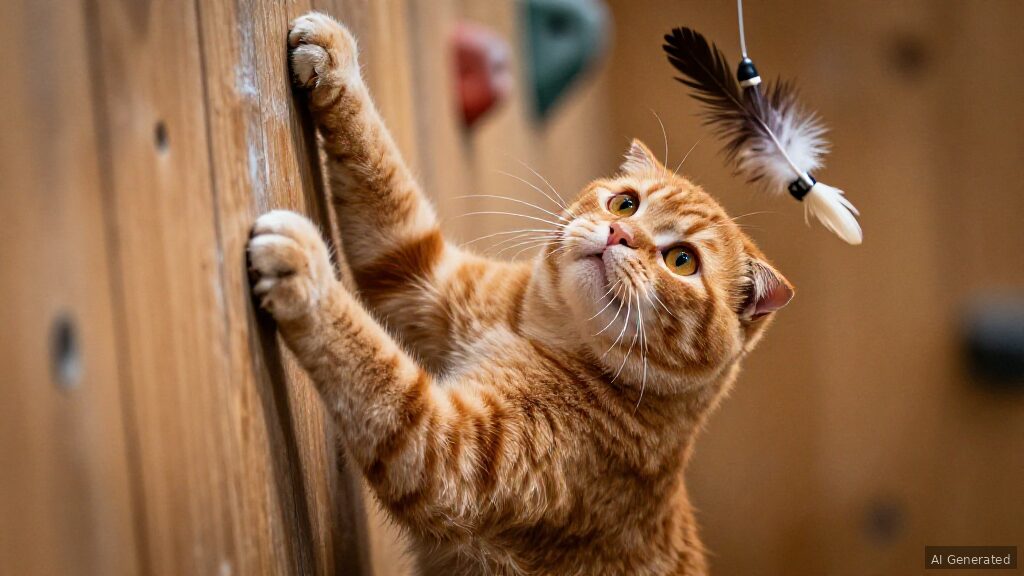
Utilizing Window Spaces: Window Perches for Enjoying Natural Light and Scenery
The Window is the Ultimate Entertainment for Cats
A significant portion of a cat’s day is spent looking out the window. External changes such as the movement of birds, passing cars, and rustling leaves provide constant stimulation, offering psychological satisfaction. Therefore, the window area with the best light and scenery is a core element of cat-friendly interior design.
The most important factors when designing window spaces are ‘securing the view’ and ‘safety’. Window screens on verandas or windows must be securely installed, and windows or doors with double security are needed to prevent falls even if the cat pushes against them. This is especially critical in summer when windows are often left open, as escape accidents can be fatal.
Strategies for Installing Hammocks and Window Perches
Hammocks attached to window glass or dedicated window perches are the optimal solution for space utilization. They allow cats to observe the outdoors up close without occupying floor space. When installing a hammock, choose a product suitable for the window size and the cat’s weight. Hammocks that are too small prevent comfortable lying, and products with weak suction power pose a falling risk.
There is also a method of combining PlayCat’s solid wood furniture with window spaces. By placing a low solid wood table or shelf in front of the window and adding a cat-specific cushion on top, you can create a ‘window lounge’. This creates a very sophisticated interior atmosphere and provides a space for natural interaction between humans and cats while reading or drinking tea by the window.
Optimal Lighting Plan for Sunbathing
Cats love sunlight. Sunlight aids in Vitamin D synthesis and is effective for body temperature regulation. When designing window spaces, arrange resting spots considering the time of day sunlight enters. It is good to create multiple shelters so cats can move to the east-facing window in the morning and the west-facing window in the afternoon.
Since the angle of sunlight changes with the seasons, use curtains or blinds to avoid direct sunlight in summer, and adjust the layout to maximize sunlight entry in winter. Especially for senior cats who are sensitive to cold, place warm blankets or safe artificial heating devices near sunny windows in winter to create a comfortable resting space.
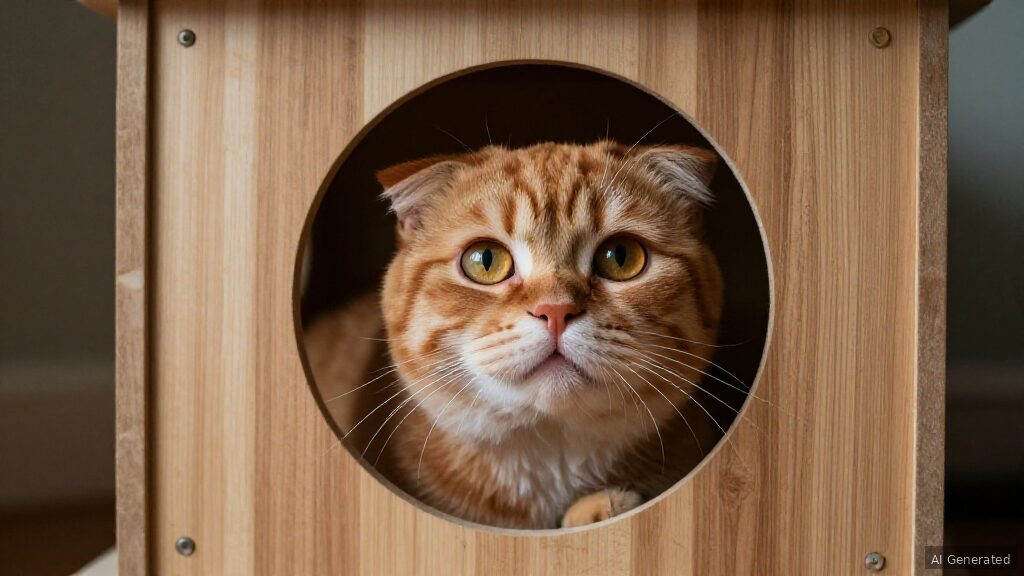
Arranging Solid Wood Furniture: Warmth and Functionality from Natural Materials
Interior Value of PlayCat Solid Wood Furniture
In interior design, solid wood furniture is a key element for creating a warm and natural atmosphere. Especially in homes with cats, solid wood is preferred over plastic or particle board. The reasons lie in the tactile feel, warmth, and durability of wood. PlayCat’s solid wood furniture is made of durable materials that resist damage even if cats sharpen their claws or scratch, designed to extend the furniture’s lifespan while naturally satisfying the cat’s instinctive scratching behavior.
The color and grain of solid wood furniture determine the overall atmosphere of the home. Light-colored oak or nut materials make spaces appear wider and brighter, reducing the feeling of confinement even in small studio apartments. Conversely, dark-colored walnut or cherry materials create a luxurious atmosphere and have the advantage of not showing cat hair easily, reducing cleaning burdens.
Space Division and Traffic Flow Through Furniture Arrangement
When arranging solid wood furniture, consider not just filling the space but also its role in dividing areas. For example, solid wood drawers or shelves that separate the living room from dining areas can serve as ‘bridges’ for cats to pass over. If the top of the furniture is flat and wide, it is good for cats to use as a traffic route or resting spot.
However, if furniture is placed too densely, it can block cat traffic and cause stress. While cats like narrow gaps, if there are no spaces to slip through between too many pieces of furniture, they may feel cramped. Therefore, when arranging furniture, intentionally leave ‘passages’ for cats to freely enter and exit. PlayCat’s solid wood furniture is developed in various sizes and shapes considering these passage designs, allowing flexible arrangement to fit the home’s structure.
Selecting Safe and Healthy Solid Wood Materials
Cats may lick or chew on furniture. Therefore, when choosing solid wood furniture, the safety of paints and adhesives is extremely important. PlayCat’s solid wood furniture uses eco-friendly paints harmless to cats and is strictly managed to ensure no harmful substances are emitted. This is essential, especially for kittens who may inspect new furniture surfaces with exploratory behavior.
Additionally, the edges of solid wood furniture must be rounded to prevent sharpness. Perfect edge treatment is necessary to prevent accidents where cats bump into furniture while playing. PlayCat products meet these safety design standards, ensuring a safe living environment at home.
Optimizing Small Living Spaces: Strategies for Studio and Two-Room Apartments
Most modern people live in studio or two-room apartments where space is limited. However, limited space does not make cat-friendly interior design impossible. On the contrary, the key is how efficiently to expand vertically within the limited space. Below are specific strategies for optimizing space for cats in studio and two-room environments.
| Category | Studio Apartment Space Strategy | Two-Room Apartment Space Strategy |
|---|---|---|
| Primary Goal | Minimize horizontal space and maximize vertical space | Zone separation and privacy assurance |
| Cat Tower Placement | Rack systems utilizing the entire wall or corner tower placement. Essential to avoid occupying floor space. | Large towers that can serve as partitions between the living room and bedroom. Secure independent resting spaces in each room. |
| Utilizing Solid Wood Furniture | Use multi-purpose furniture (e.g., storage units that are also cat walks). Connect wall shelves and bookshelves to maximize space efficiency. | Utilize the top of the living room desk as a cat walk and use space above bedroom door frames. Separate dedicated spaces by room. |
| Traffic Design | Instead of a straight line flowing in one direction, construct a circular traffic route along the walls. | Utilize the hallway connecting each room as a cat walk, creating a passage between rooms. |
| Securing Hiding Spots | Place small box-type hiding spots under furniture or in wall corners. Spaces where the view is blocked are essential. | Place separate hiding spots in each room. Specifically utilize spaces behind bedroom doors or inside closets. |
| Cleaning and Maintenance | Ensure vacuum cleaner paths by keeping few items on the floor. Storage-type cat towers make dust management easy. | Separate cleaning zones by room. Disperse litter box locations in each room to block odors. |
In studio apartments, floor space is extremely precious, so it is recommended to use furniture where storage units and cat towers are integrated. PlayCat’s solid wood storage units are designed with flat tops so cats can climb up and sit, allowing you to secure vertical space without installing a separate cat tower. Additionally, rack systems utilizing the entire wall completely free up floor space, maintaining a comfortable environment even in narrow spaces.
In two-room apartments, clearly separating the function of each room is important. Distinguish the living room as a play and activity space and the bedroom as a resting space to help cats learn their daily rhythms. Utilizing the hallway as a cat-only passage to naturally create traffic routes between the living room and bedroom allows cats to roam freely throughout the house, relieving stress.
Safety Design: The Importance of Preventing Escapes and Blocking Hazards
Physical Barriers to Prevent Escapes
Cats are curious and agile, so they can go outside through even small gaps or open doors. Escape accidents through verandas or windows are among the most common and dangerous situations. Therefore, all windows and doors must be equipped with insect screens and safety locks. Insect screens should be made of reinforced materials capable of withstanding a cat’s weight, and locks should ideally have a double-locking mechanism that cats cannot easily operate.
Additionally, small gaps such as door cracks or pipe holes must be sealed. Since cats can squeeze their bodies through narrow holes, even small, inconspicuous gaps must be carefully inspected. PlayCat’s spatial design guide recommends sealing materials or grid-structured safety nets to block these micro-gaps.
Blocking Hazards and Protecting Wires
There are many dangerous items in the house for cats, such as electrical cords, small ornaments, toxic plants, and detergents. Electrical cords pose a risk of electric shock or fire as cats may chew or scratch them for play. Therefore, wires should be firmly fixed to walls or floors and protected using wire covers.
Small ornaments pose a swallowing risk, and toxic plants are fatal to cat health. It is best to select and place only cat-safe plants, and either place toxic plants in high, inaccessible areas or remove them entirely. Detergents and medicines must be stored in cabinets with locking mechanisms, and care must be taken not to place hazardous items on shelves where cats can climb.
Differences in Safety Design by Cat Age
Kittens are highly curious and try to confirm everything with their mouths. Therefore, protection against small objects and dangerous corners is most important. Adult cats have good jumping ability and are active, so safety railings may be needed to prevent falls from high places. Senior cats have weak joints and declining vision, so it is better to use solid wood or carpets with good friction rather than slippery flooring, and slopes to climb stairs or high places should be gentle.
Seasonal Spatial Changes: Balancing Summer Coolness and Winter Warmth
Cool Flooring and Ventilation Design for Summer
In summer, cats prefer cool floors. While solid wood furniture has the advantage of not being cold and regulating humidity in summer, care must be taken to ensure the surface they touch directly does not become too hot. When using air conditioners or fans, consider protecting cats from direct drafts. Especially for senior cats whose body temperature regulation is poor, it is good to create shaded spaces that are cool but not directly hit by cold wind.
While tiles or wood floors are preferred for their coolness in summer, friction must be considered so cats do not slip. PlayCat’s solid wood furniture maintains a comfortable temperature even in summer and is designed with a structure that allows good ventilation, preventing mold growth due to humidity.
Warm Hiding Spots and Insulation Design for Winter
In winter, cats tend to look for warm places. Areas near heaters, sunny windows, and spaces covered with warm blankets are preferred. However, the area right next to a heater poses a burn risk, so maintain a safe distance and install a protective shield.
During winter, enclosed spaces where cats can hide are important. It is good to place box-shaped or small house-shaped hiding spots to help them maintain body temperature. PlayCat’s solid wood furniture maintains a warm touch even in winter and is designed to allow cushions or blankets to be placed inside to add warmth.
Before & After Design Checklist
Compare the space before and after implementation and check the following list. This is an essential step in creating a space that satisfies both cats and humans.
- Before (Pre-Design): Cat towers only on the floor, with empty wall space. Window space is unused. Wires are exposed. Cats cannot climb to high places. Lack of solid wood furniture creates a cold feeling.
- After (Post-Design): Vertical traffic routes connecting walls to the ceiling are completed. Hammocks and solid wood resting spots are installed on windows. All wires are protected. A warm atmosphere is created using PlayCat solid wood furniture. Cats move freely, reducing stress.
These changes go beyond mere interior decoration, significantly improving the quality of life for both cats and humans. Spatial design is not a one-time task; it must be continuously modified and supplemented according to the growth of cats and changes in the environment.
Frequently Asked Questions (FAQ)
Q1. There is not enough space to install a cat tower in my studio apartment. What should I do?
A. In studio apartments, it is recommended to use wall-mounted rack systems that do not occupy floor space or furniture integrated with storage units. PlayCat’s solid wood furniture is designed to secure vertical space by fixing to walls or utilizing the tops of existing furniture, allowing it to function as a cat tower even in narrow spaces. Additionally, strategies utilizing underused spaces like windowsills or door frames are also effective.
Q2. Can I prevent my cat from scratching and damaging solid wood furniture?
A. While solid wood furniture is durable, it is difficult to completely stop a cat’s instinctive scratching behavior. Instead, it is recommended to place dedicated scratchers next to the furniture to guide the scratching behavior, or choose furniture made of reinforced materials that resist damage, such as PlayCat products. Additionally, identifying where the cat wants to scratch in advance and placing a scratcher there can protect the furniture.
Q3. What spatial design is suitable for senior cats?
A. For senior cats, joint health and body temperature regulation are important. It is good to make slopes to high places gentle and use non-slip flooring. Additionally, place resting spaces near heaters or in sunny, warm areas, and position litter boxes or food bowls in easily accessible locations. PlayCat’s solid wood furniture provides a soft surface and appropriate height, creating a comfortable environment for senior cats.
Q4. How should I choose a window screen?
A. You must choose a screen made of reinforced material considering the cat’s weight and strength. Especially, a sturdy fixing device is essential to prevent it from falling when the cat jumps or pushes against it. Windows or doors with double-locking mechanisms are effective in preventing escape accidents. Regularly check the condition of the screen and replace damaged parts immediately.
Q5. Is it necessary to change the space layout according to the seasons?
A. Yes, it is recommended to adjust the space layout according to the seasons. In summer, place resting spaces on cool floors and in well-ventilated areas, while in winter, creating hiding spots in sunny areas or near heaters provides comfort to cats. PlayCat’s solid wood furniture can be used for various purposes depending on the season, allowing flexible response to seasonal spatial changes.
Cat-friendly interior design is not just about adding decorations; it is about creating an environment where cats and humans can live happily together. Reconfigure your home by considering various elements such as expanding vertical space, utilizing solid wood furniture, and safety design. We hope PlayCat’s spatial design guide becomes the first step in transforming your home.
This content was written using AI technology. Always consult a veterinarian regarding medical information.