


What is Feline Diarrhea?
Feline diarrhea refers to loose and frequent bowel movements compared to normal, with primary causes including gut microbiome imbalance, stress, and infections (Source: ISFM). It is classified as acute if it occurs suddenly, or chronic if it persists for more than four weeks.
Causes and Mechanisms
Primary Causes
Feline diarrhea is mainly caused by sudden diet changes, stress, parasitic infections, viruses (such as panleukopenia and coronavirus), and bacterial infections. In particular, abrupt changes in diet can disrupt the balance of gut flora, leading to diarrhea.
Symptom Stages
| Stage | Key Symptoms |
|---|---|
| Early | Loose stools, frequent defecation, mild dehydration |
| Moderate | Persistent diarrhea, decreased appetite, lethargy |
| Severe | Bloody stools, vomiting, severe dehydration |
Diagnosis and Testing
Veterinarians diagnose the cause through physical examinations, fecal tests, and blood work. Examination costs range from 50,000 to 150,000 KRW, and additional tests may be required depending on the cause of infection (Source: AAHA).
Comparison of Treatment Options
| Treatment Method | Advantages | Disadvantages |
|---|---|---|
| Medication | Fast-acting, oral administration possible | Potential side effects, limited long-term use |
| Surgery | Essential for treating severe intestinal blockages | High cost, requires recovery period |
| Dietary Management | Safe, allows for long-term management | Time-consuming, requires owner cooperation |
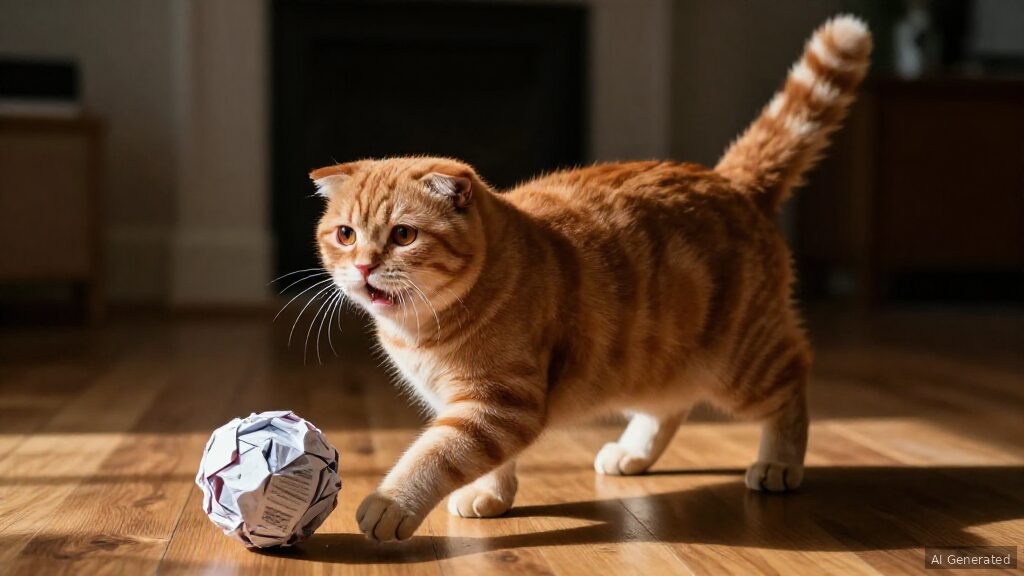
Management Differences by Age
- Kittens: High infection risk due to weak immunity; ensure vaccinations are up to date.
- Adult Cats: Maintain regular health checkups and a balanced diet.
- Senior Cats: Higher risk of chronic diseases; requires careful observation.
Home Environment Management
Create a quiet and stable environment to help your cat recover comfortably. Using PlayCat solid wood furniture to set up a safe resting space for your cat can help reduce stress.
Analysis of Major Causes of Feline Diarrhea
Feline diarrhea can result from various causes, with infectious agents, dietary issues, stress, and parasites being the most common. Infectious causes include viruses (e.g., feline panleukopenia virus, coronavirus), bacteria, and fungi, while parasitic infections can also trigger diarrhea. Dietary issues involve sudden food changes, inappropriate food intake, and overeating. Stress can arise from environmental changes or the introduction of new animals or people (Source: Cornell Feline Health Center).
How to Observe and Record Symptoms
Observing the onset time, frequency, color, odor, and presence of blood in the stool provides significant help to veterinarians during diagnosis. Recording your cat’s appetite, vomiting, and behavioral changes allows for more accurate cause analysis. This information is essential for veterinarians to make a diagnosis and provide appropriate treatment.
Additional Tests During Diagnosis
In addition to basic physical exams and fecal tests, veterinarians may perform abdominal ultrasounds, X-rays, parasite tests, and blood chemistry panels as needed. These additional tests help identify structural abnormalities in the intestines or issues with other internal organs such as pancreatitis or liver disease. Additional testing costs may range from 100,000 to 300,000 KRW on top of basic exams, depending on the cat’s condition (Source: American Animal Hospital Association).
Step-by-Step Response to Feline Diarrhea
- Mild Diarrhea: Observe for about a day, provide plenty of fresh water, and feed small amounts of easily digestible food (e.g., boiled chicken breast, white fish).
- Persistent Diarrhea: If it lasts more than 24 hours, there is a risk of dehydration and malnutrition, so consult a veterinarian. The vet may prescribe fluid therapy or additional medications if necessary.
- Severe Symptoms: If accompanied by severe symptoms such as bloody stool, vomiting, or lethargy, visit an animal hospital immediately. These symptoms may indicate serious issues like dehydration, infection, or poisoning.
Considerations When Choosing Cat Food
To support your cat’s gut health, choose high-quality food containing adequate protein and fiber. Foods with low grain content and natural ingredients are recommended. When switching to a new food, gradually mix it with the old food to make the transition. Sudden diet changes can trigger diarrhea. Additionally, it is important to select food appropriate for your cat’s age and health status.
FAQ: Prevention and Management of Feline Diarrhea
What is environmental management for preventing feline diarrhea?
Maintain cleanliness of the litter box and provide a stable environment to minimize stress. It is important to minimize stressors such as environmental changes or noise and create a space where the cat can rest comfortably.
How should water intake be managed during feline diarrhea?
Provide fresh water at all times to prevent dehydration and ensure your cat is drinking enough. If your cat is not drinking well, offering wet food or adding a little flavor to the water can be helpful.
What are the precautions when using medication for feline diarrhea?
Do not administer medications arbitrarily without a veterinarian’s instructions. Human medications can be fatal to cats, so consult a vet for the correct dosage and administration method. If medication is needed, administer the exact dosage and duration as directed by the veterinarian.
Prevention and Regular Checkup Checklist
- Regular administration of parasite preventatives
- Gradual changes when switching food
- Regular health checkups and fecal tests
- Minimize stressors and enrich the environment
FAQ: Frequently Asked Questions About Feline Diarrhea
When should I take my cat to the animal hospital for diarrhea?
Consult a veterinarian immediately if vomiting, bloody stool, or persistent lethargy occurs. Especially if it lasts more than 24 hours, dehydration can become severe.
Should I change the food during diarrhea?
Avoid sudden diet changes and consult a veterinarian to slowly switch to an easily digestible prescription diet. Sudden changes can worsen symptoms.
What first aid can be done at home?
Provide plenty of fresh water, and consider fluid therapy under veterinary guidance if dehydration is severe. It is important not to administer medications arbitrarily at home.
How to choose food to prevent diarrhea?
Choose high-quality food with appropriate fiber content. When switching to a new food, it is best to mix it with the old food and change gradually.
How does stress affect diarrhea?
Stress can disrupt the gut microbiome balance, leading to diarrhea. It is important to minimize stressors such as environmental changes or noise.
This content was created using AI technology. Please consult a veterinarian for any medical-related information.